Tag

Natural Selection

All articles tagged with #natural selection

science1 year ago

Revisiting Evolution: From Darwin's Theory to Modern Challenges

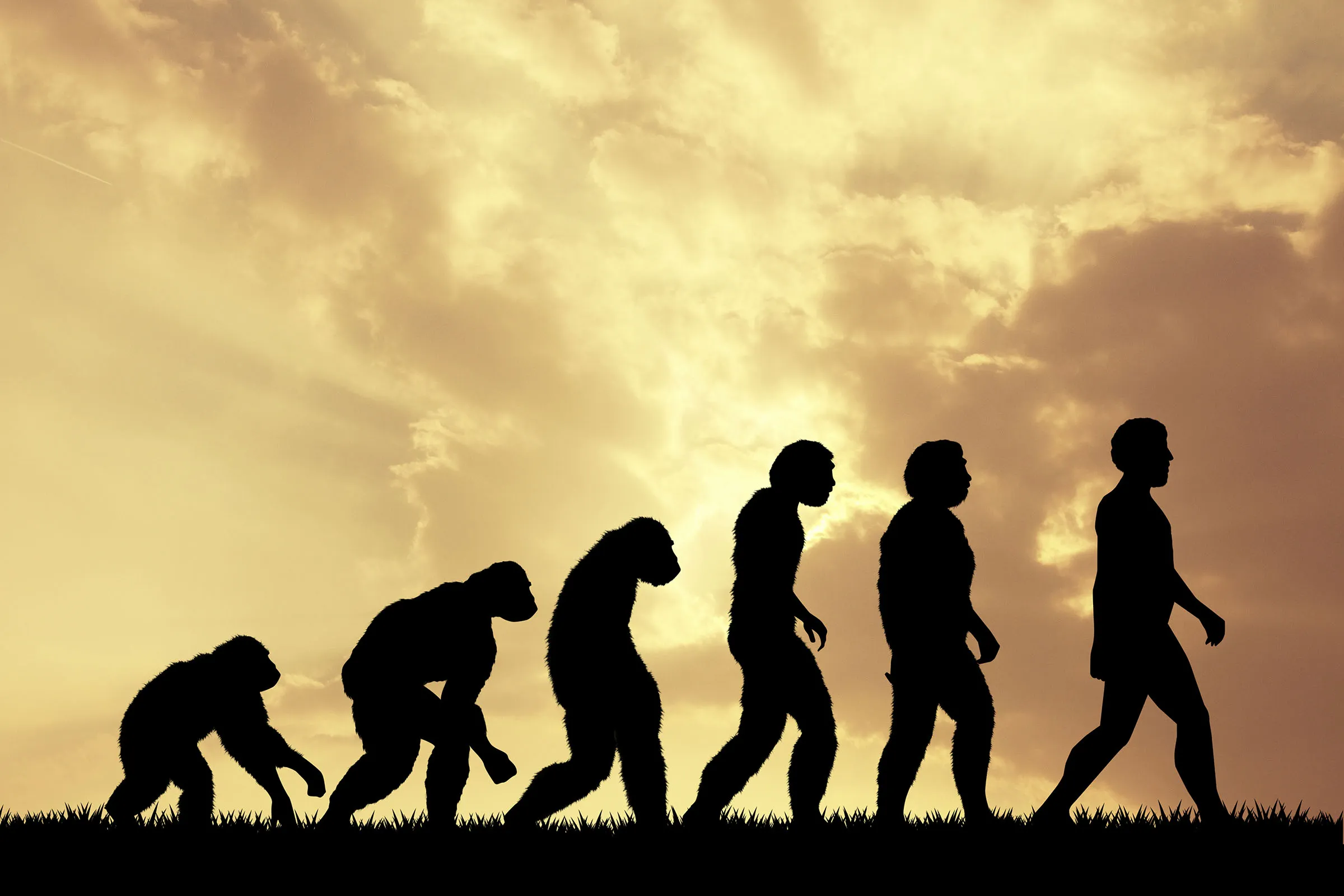
Human evolution, traditionally driven by natural selection, is now influenced by technological, medical, social, and cultural factors. While advancements have reduced environmental pressures, evolution continues through genetic adaptations to diseases and cultural preferences. Future evolution may be shaped by climate change, space exploration, and biotechnology, indicating that human evolution is ongoing, albeit in new forms.

science1 year ago

Ancient DNA Unveils 7,000-Year Evolution of Early Europeans

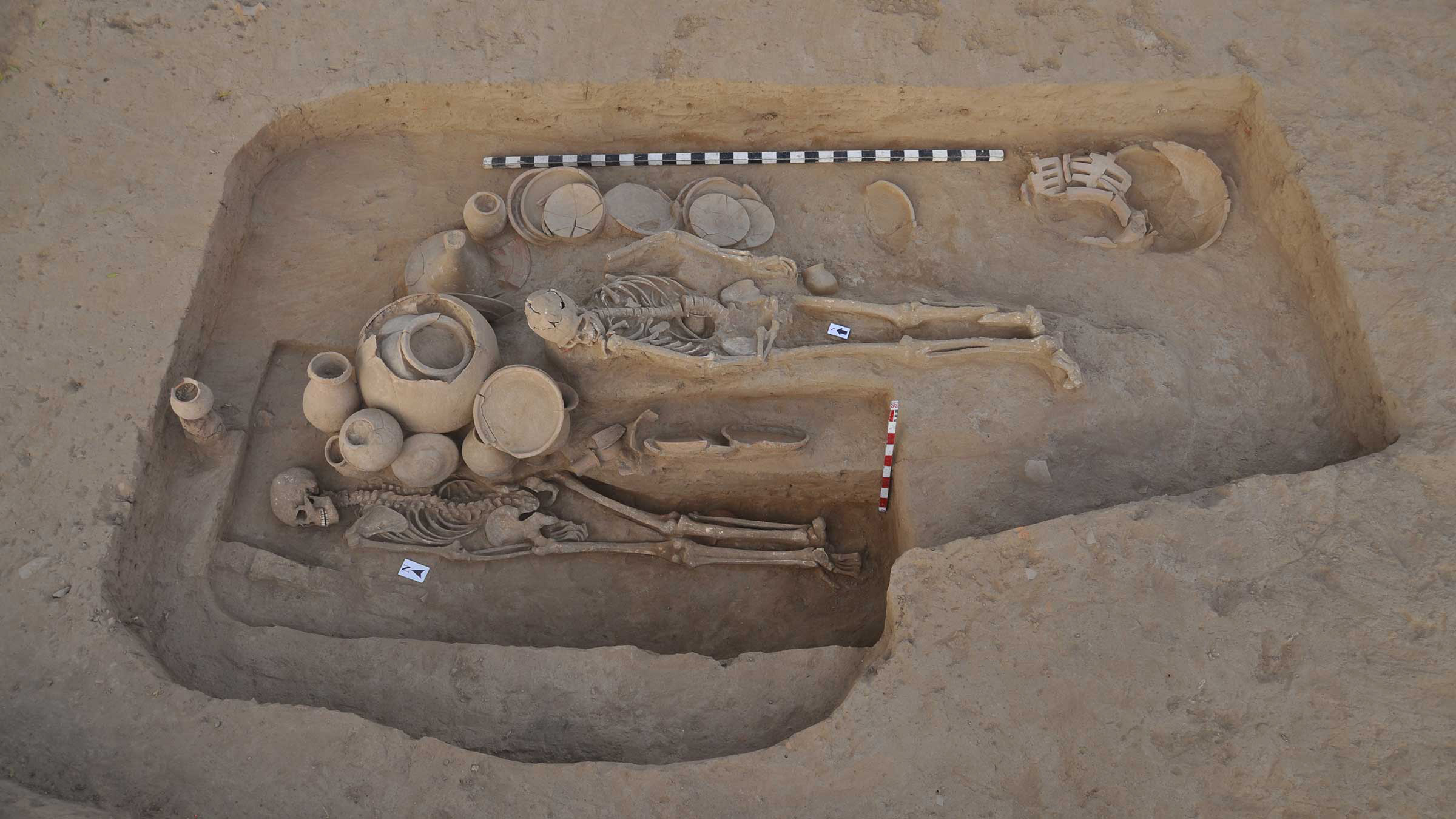
Researchers from The University of Texas at Austin and UCLA have used ancient DNA to uncover how Europeans adapted over 7,000 years, identifying genetic changes related to vitamin D production, lactose tolerance, and immunity. By analyzing over 700 samples from various historical periods, they revealed genetic adaptations that are no longer detectable in modern genomes due to genetic drift and population mixing. This study highlights the importance of ancient DNA in understanding human evolutionary history and how certain traits have evolved or disappeared over time.

science1 year ago

Ancient DNA Reveals Early European Adaptations to Agriculture

Researchers from The University of Texas at Austin and UCLA have used ancient DNA to uncover how early Europeans adapted to environmental changes over 7,000 years. By analyzing over 700 samples from different historical periods, they identified genetic adaptations, such as the ability to digest milk and produce vitamin D, that were crucial for survival but have since become less detectable in modern genomes. This study highlights the role of ancient DNA in understanding human evolutionary history and the impact of agriculture and population mixing on genetic traits.

science1 year ago

"Zooplankton Research Upends Evolutionary Theories"

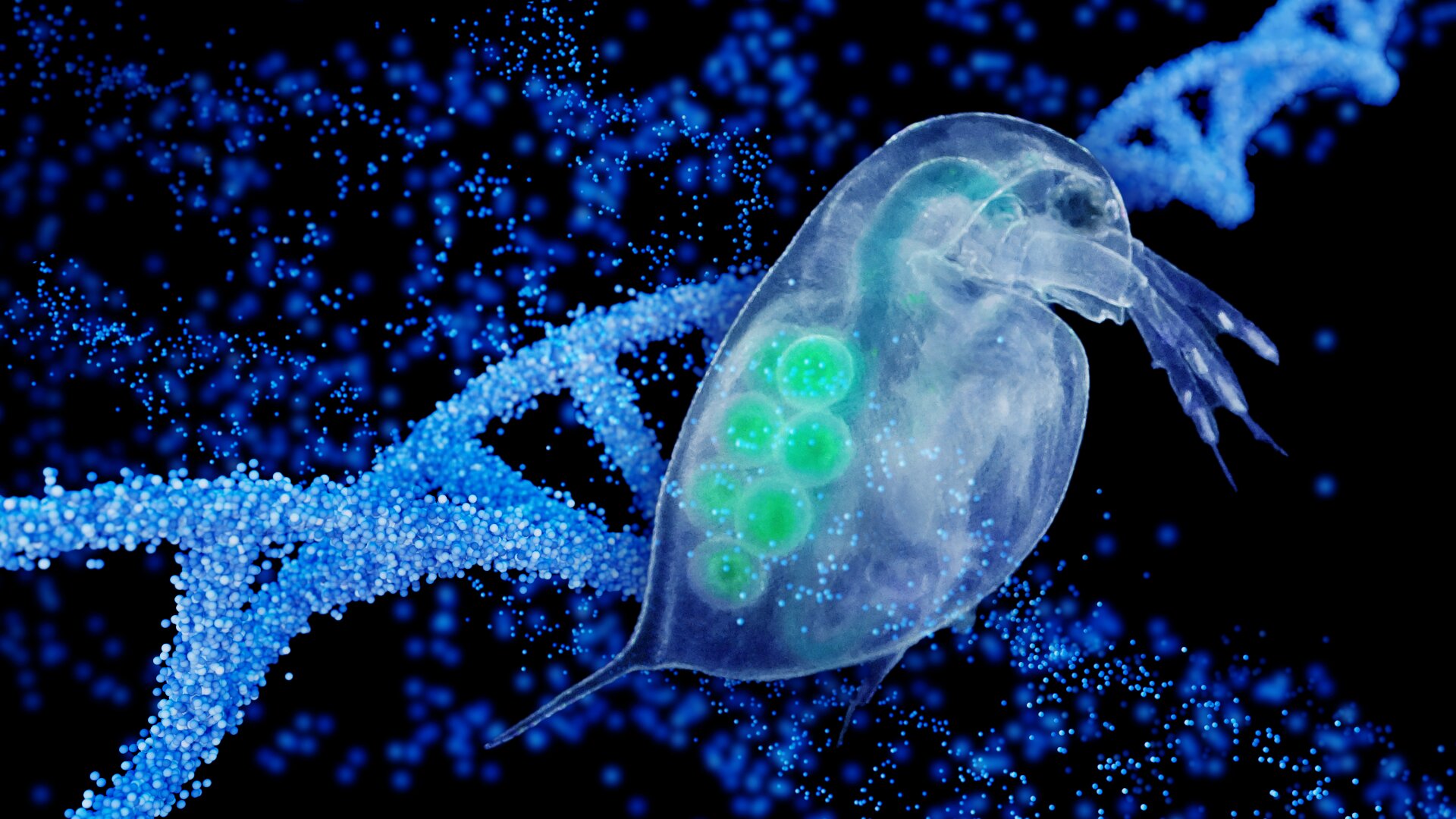
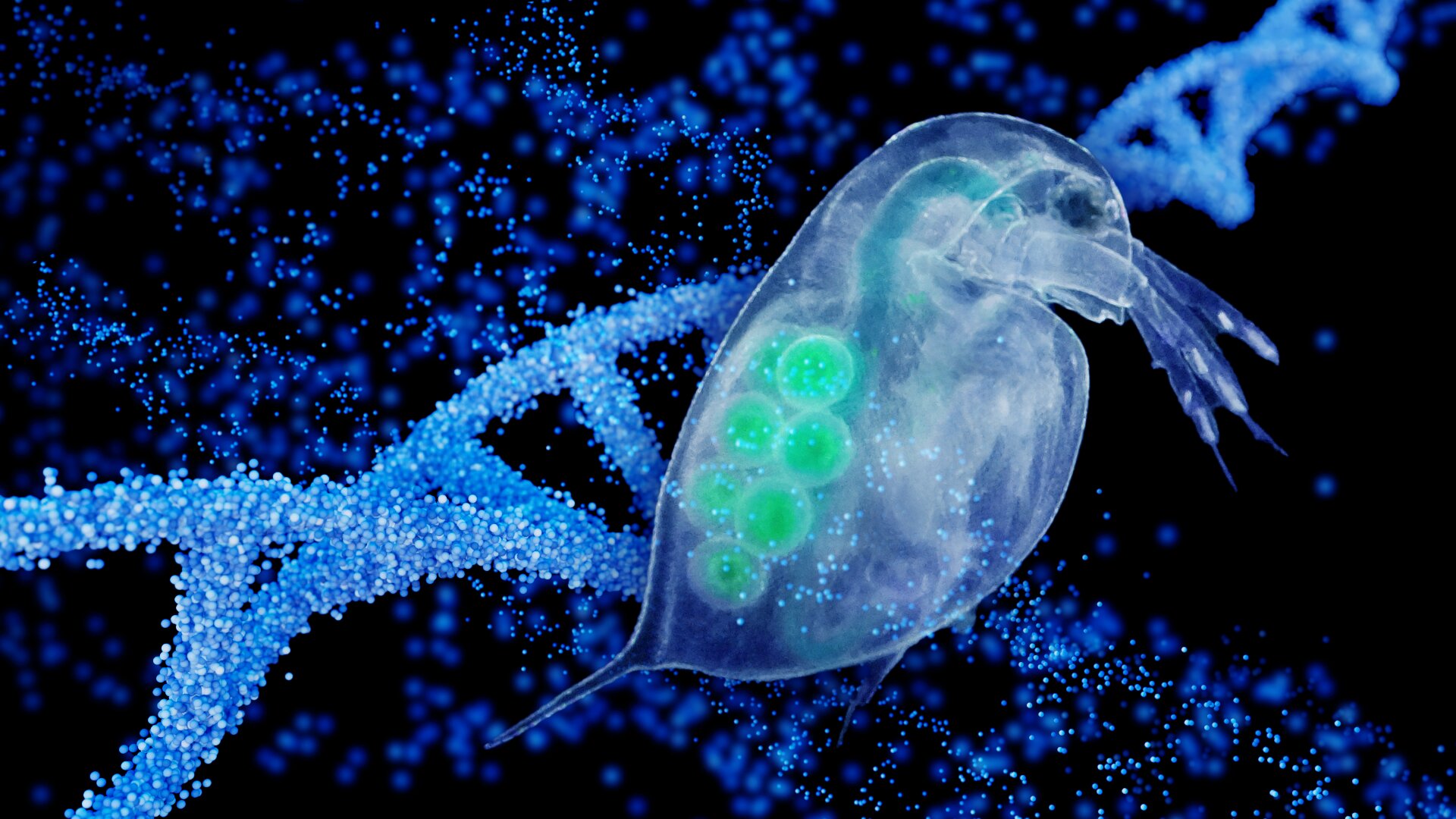
A study by Arizona State University scientists on Daphnia pulex reveals that natural selection on individual genes varies significantly over time, challenging traditional views of evolution. The research shows that genetic variation allows populations to remain adaptable to environmental changes, suggesting a more dynamic and complex process of evolution than previously understood. This insight could have broader implications for understanding how species respond to rapid environmental changes, including those caused by human activities.

science1 year ago

"Flounder's Iconic Side-Eye: The Story Behind the Look"

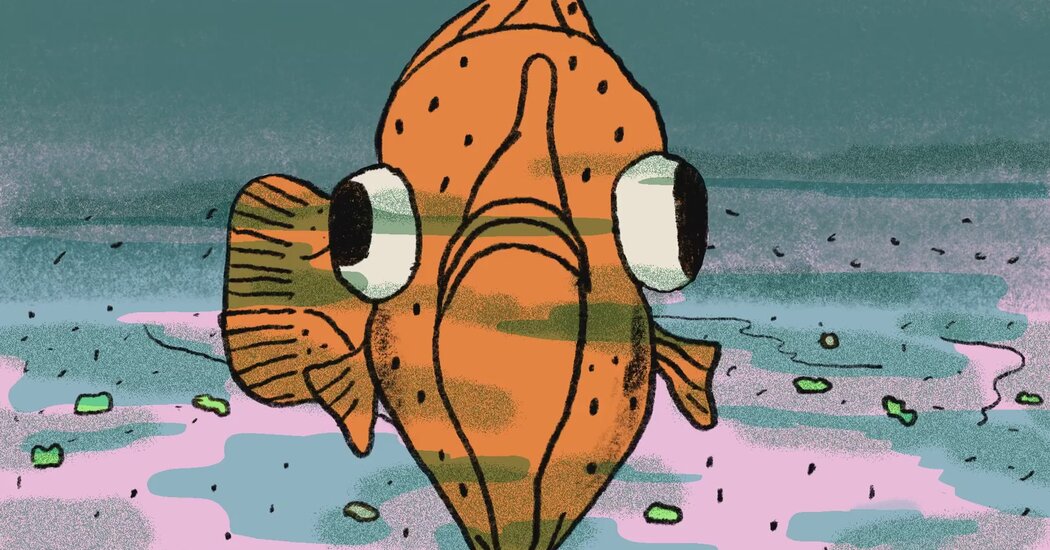
The article explores the evolutionary puzzle of how flounders and other flatfish developed their unique anatomy, with both eyes on one side of their head. This adaptation, which allows them to lie flat on the sea floor and ambush prey, has long puzzled biologists and was even used by critics of Darwin's theory of evolution as evidence against natural selection.

science-and-nature1 year ago

"The Fascination with Ant Behavior: Why Everybody Wants to Be an Ant"

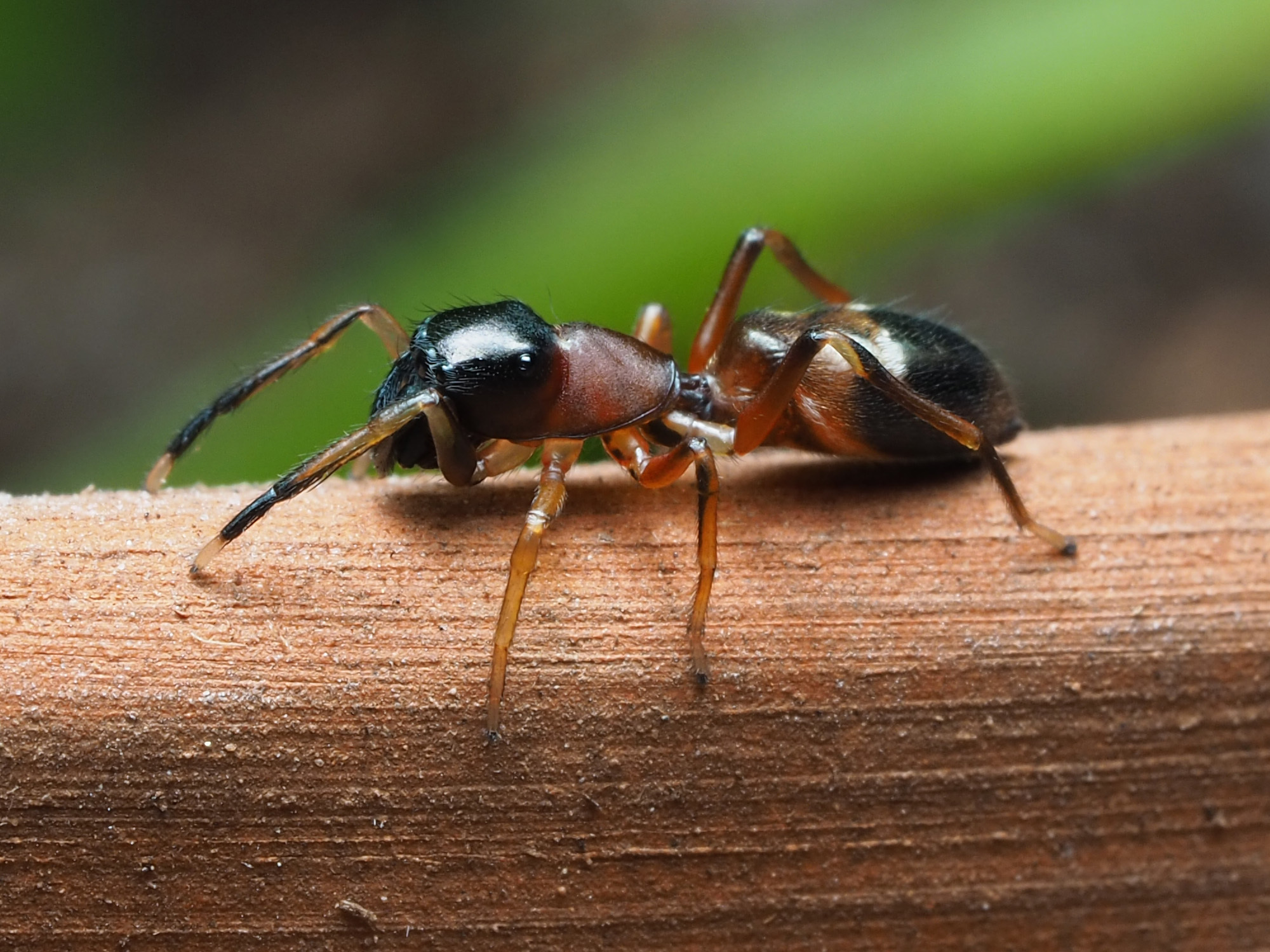
Evolution has led many arthropods to mimic ants, with over 2,000 species resembling the small, stoic marchers for survival benefits. While some mimics closely resemble ants, others are poor lookalikes, prompting scientists to explore the reasons behind imperfect impersonation. A study comparing ant-mimicking insects and spiders found that both groups exhibited a range of accuracy, challenging the theory of evolutionary constraints. The research sheds light on the complexity of mimicry and the different perspectives of predators, suggesting that what may seem like imperfect mimicry to humans could be effective in deceiving potential predators.

science2 years ago

"Revealing Non-Random Forces in Evolutionary Drives"

Recent research suggests that genetic mutations and evolution may not be as random as previously thought, with interactions between genes playing a significant role in determining how a genome changes. A study on Escherichia coli bacteria genomes revealed patterns of predictability in gene acquisition events, indicating that the evolutionary history of a species can influence which genes it will or won't have in the future. This suggests that some aspects of evolution are deterministic, with genes influencing each other at a molecular level, opening up possibilities in synthetic biology, medicine, and environmental science.