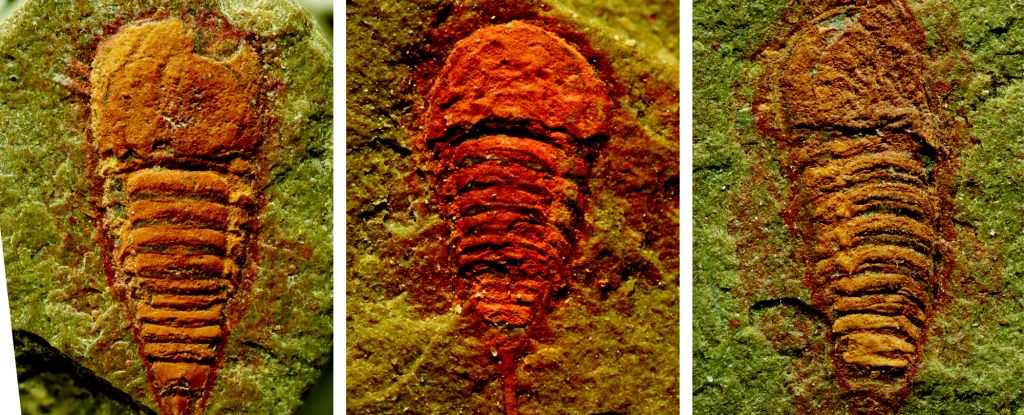
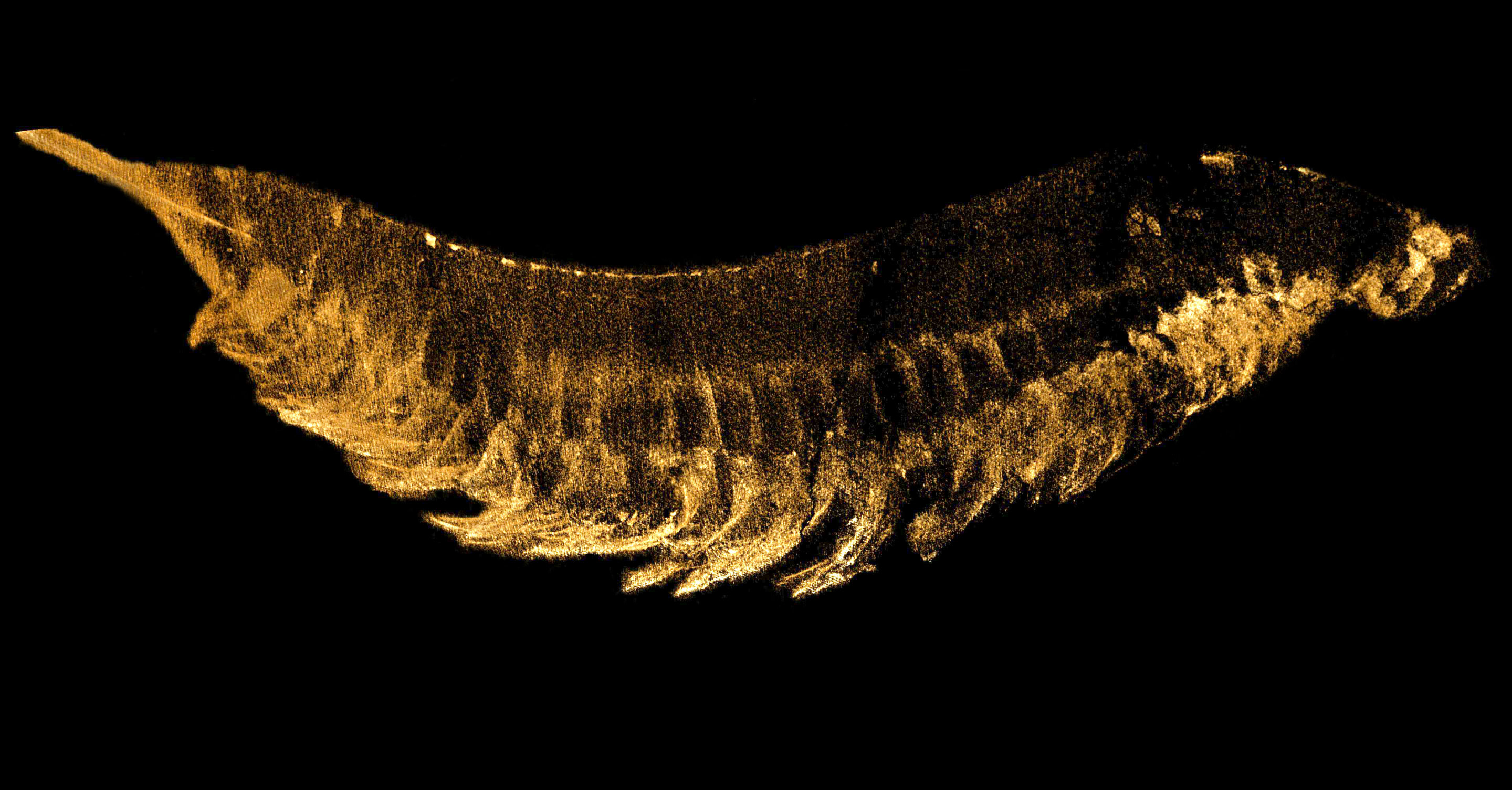
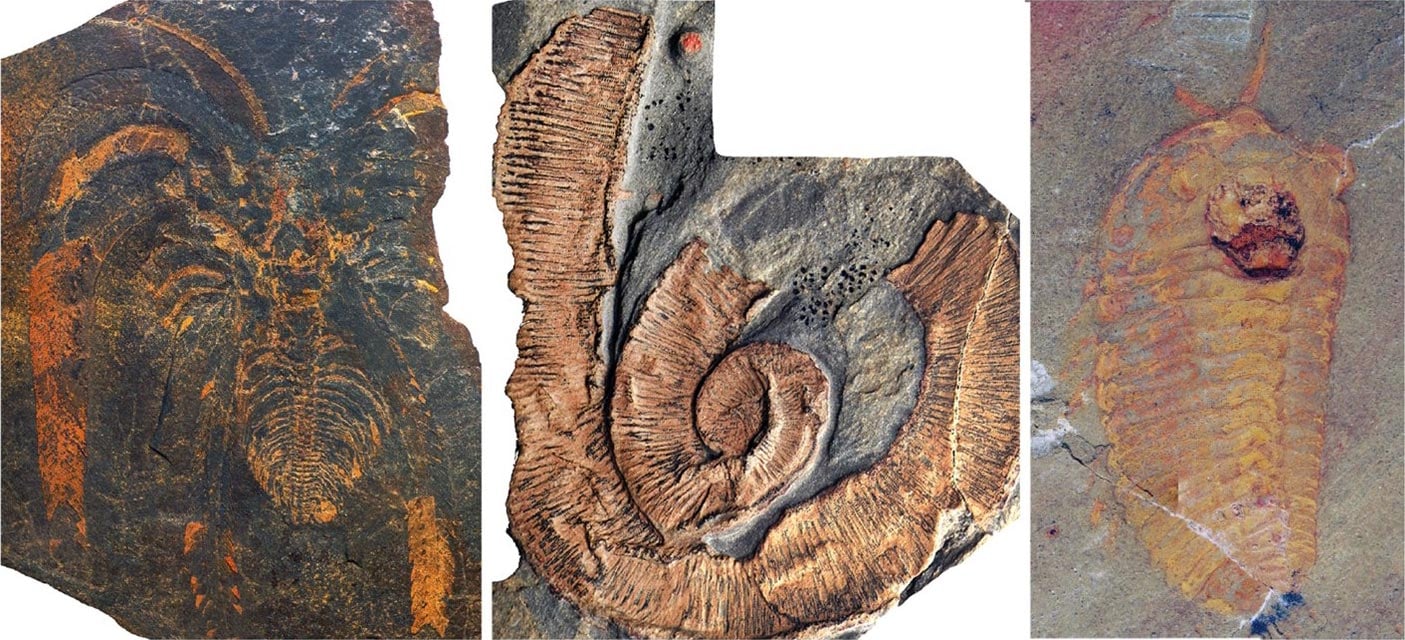
Scientists discovered a 520-million-year-old fossilized larva with its brain and guts intact, providing new insights into early arthropod evolution and revealing a higher level of complexity in ancient creatures than previously thought.
Scientists discovered a 520-million-year-old fossilized larva with its brain and guts intact, providing valuable insights into early arthropod evolution and challenging previous assumptions about the complexity of ancient creatures.
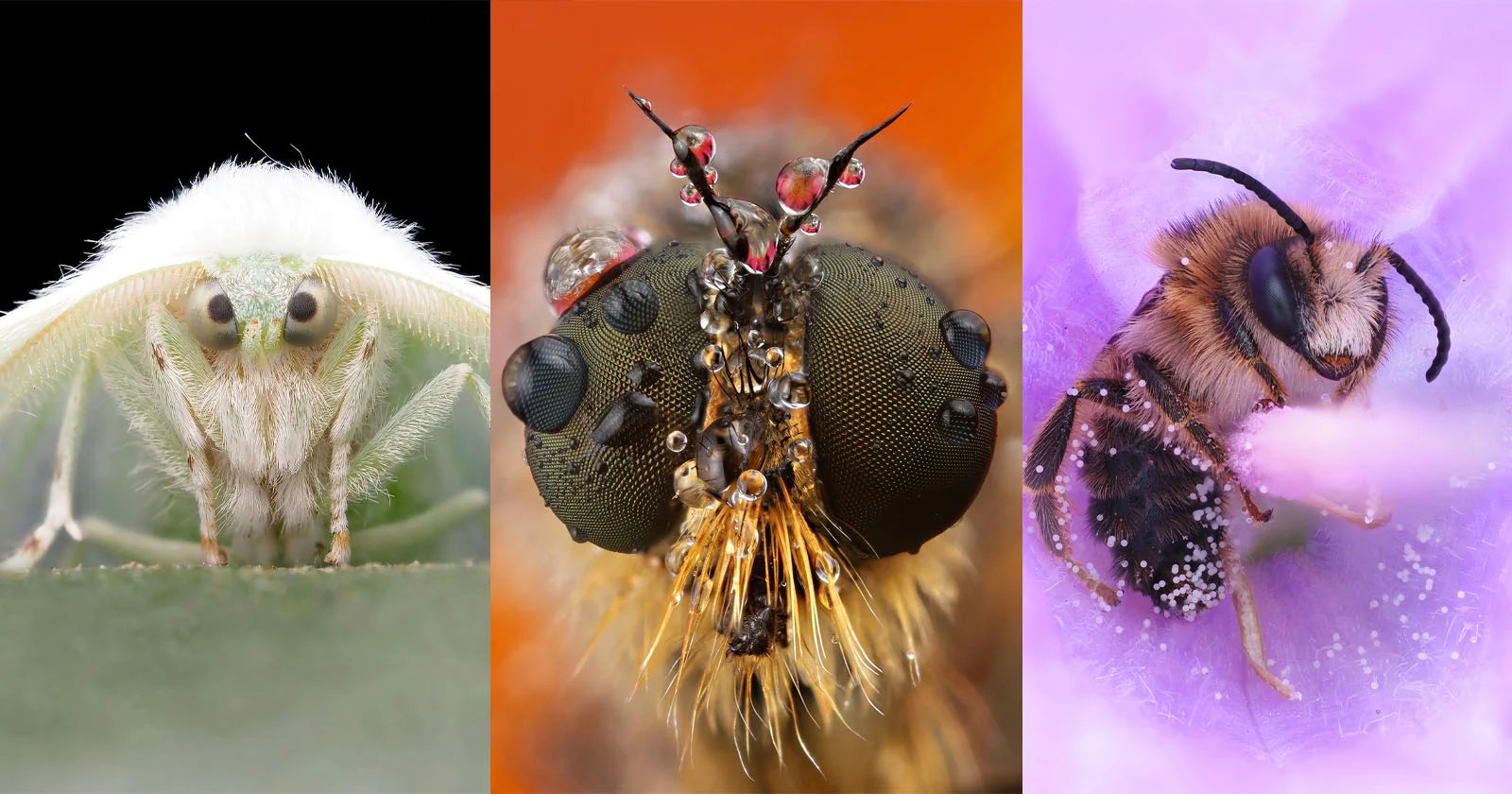
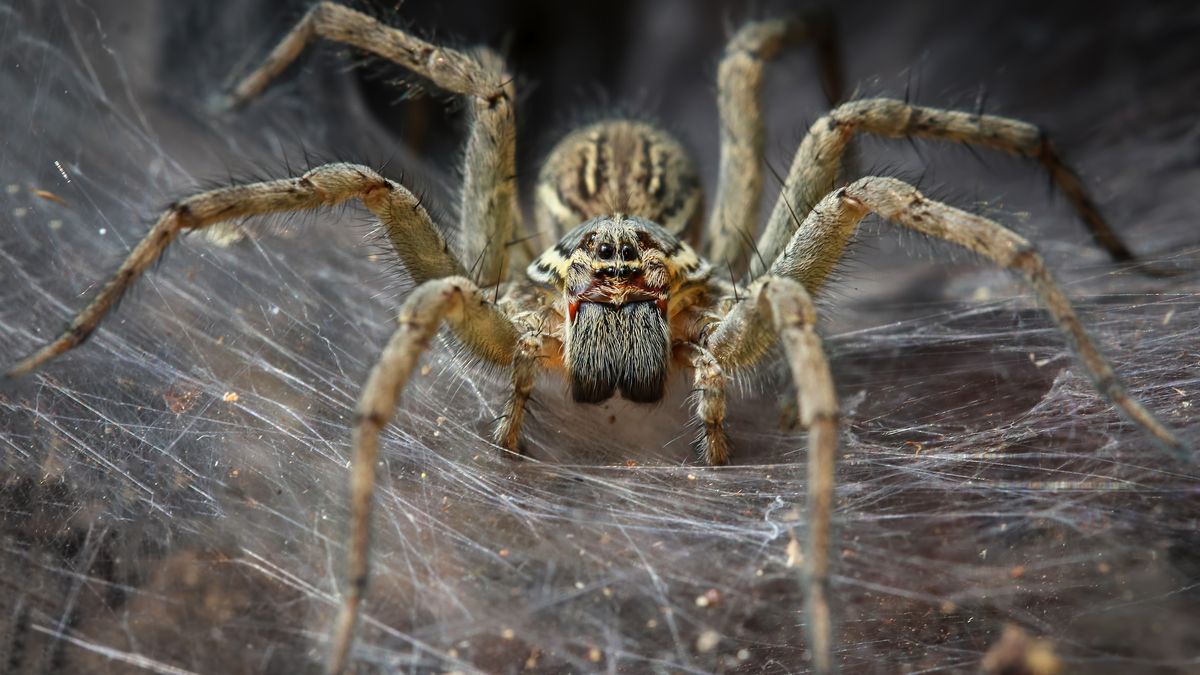
Marit van Ekelenburg uses macro photography to showcase the beauty and ecological importance of insects and invertebrates, aiming to turn fear into fascination and promote appreciation for these vital creatures through detailed images and educational outreach.
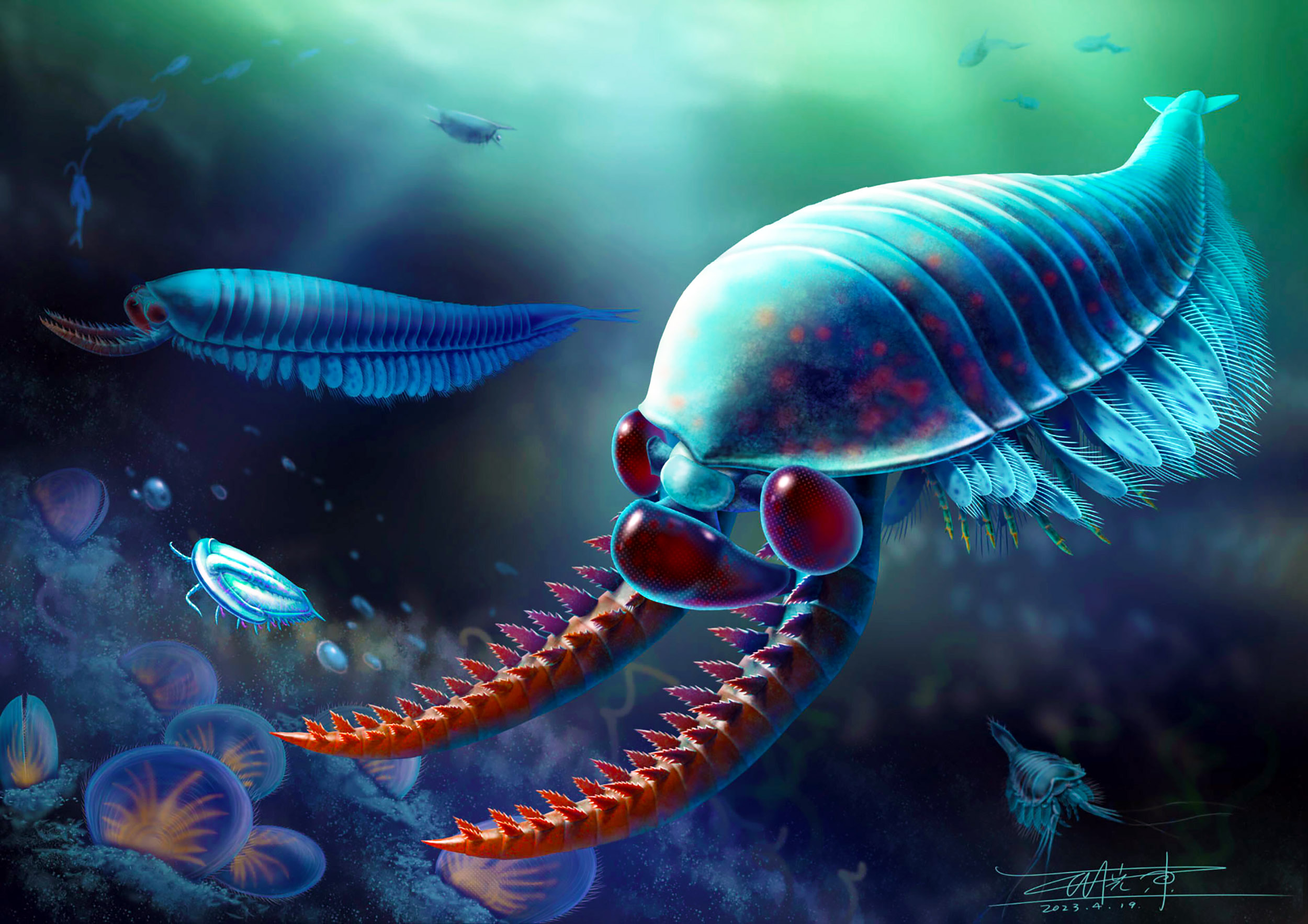
Researchers discovered a 506-million-year-old fossil named Mosura fentoni in Canada, revealing a three-eyed marine predator with unique anatomical features that shed light on early arthropod evolution and Cambrian marine life.
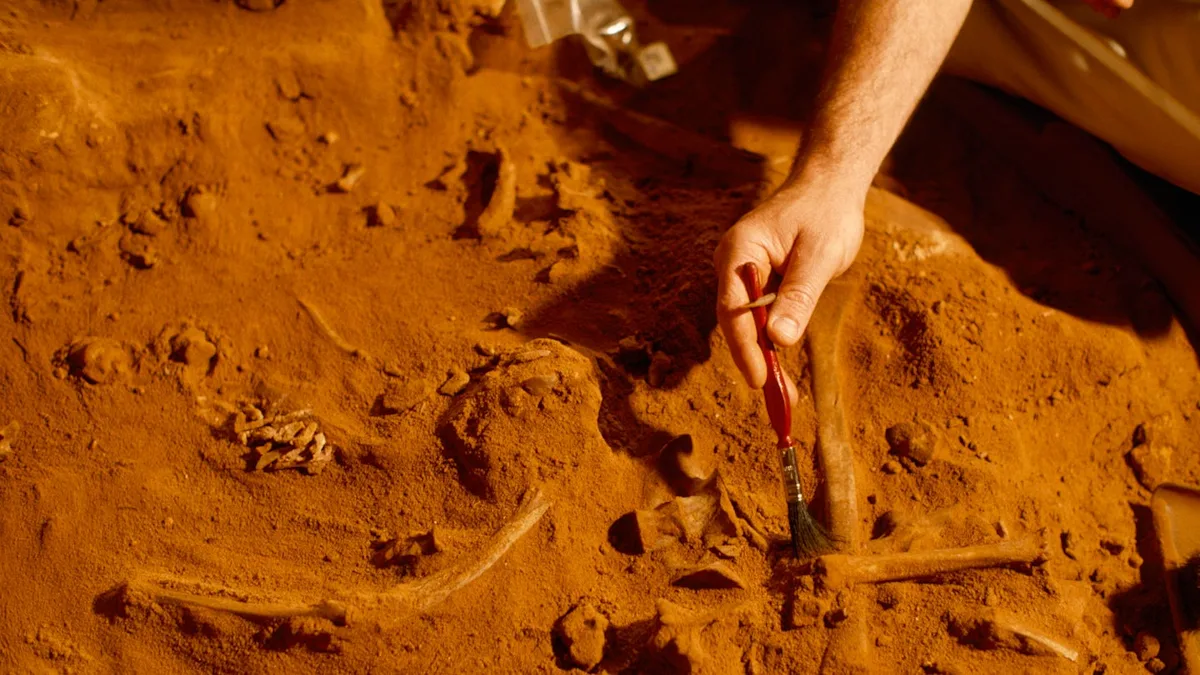
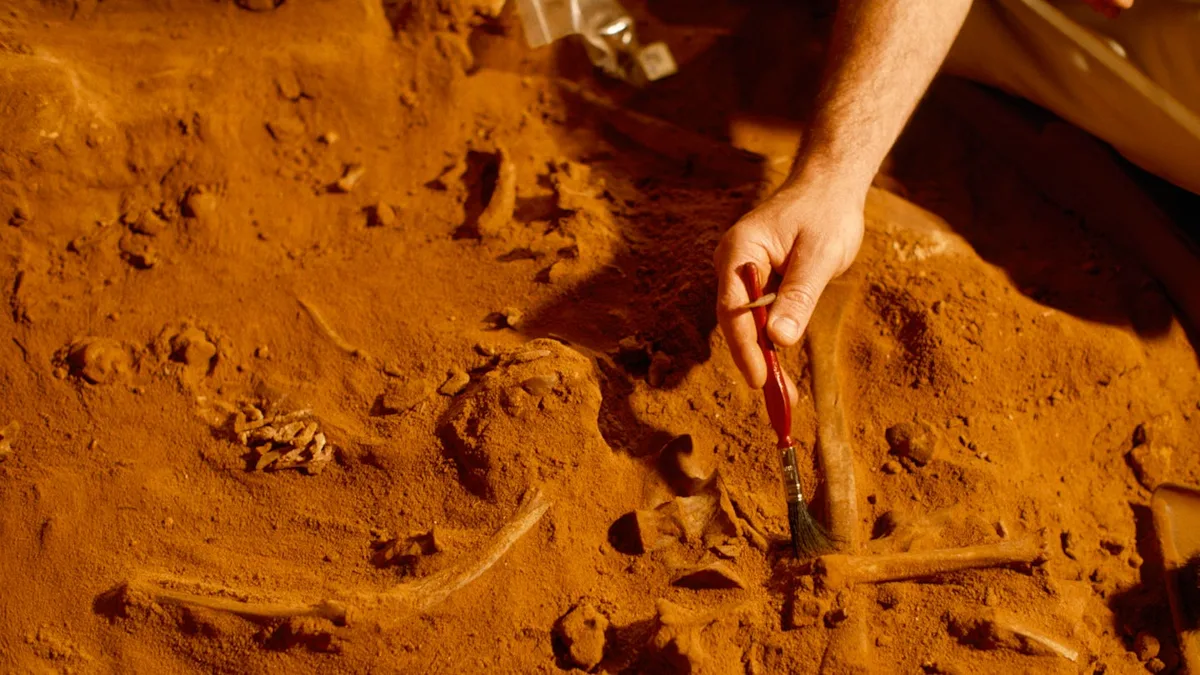
The Burgess Shale deposits in the Canadian Rockies have revealed stunningly preserved fossils of ancient creatures from the Cambrian period, including Cambroraster falcatus and Titanokorys gainesi. These early arthropods, resembling modern horseshoe crabs, highlight the diversity of life during the Cambrian explosion 500 million years ago. The site also features other bizarre ancient animals like Hallucigenia and Opabinia, showcasing the evolutionary complexity of early marine life. The preservation of these fossils is threatened by climate change.
Paleontologists have identified Setapedites abundantis, a 478-million-year-old arthropod from Morocco, as the earliest known ancestor of spiders, scorpions, and horseshoe crabs. This discovery fills a significant gap in the evolutionary tree of Euchelicerata, a subgroup of arthropods. The findings, published in Nature Communications, provide new insights into the early evolution of these creatures.
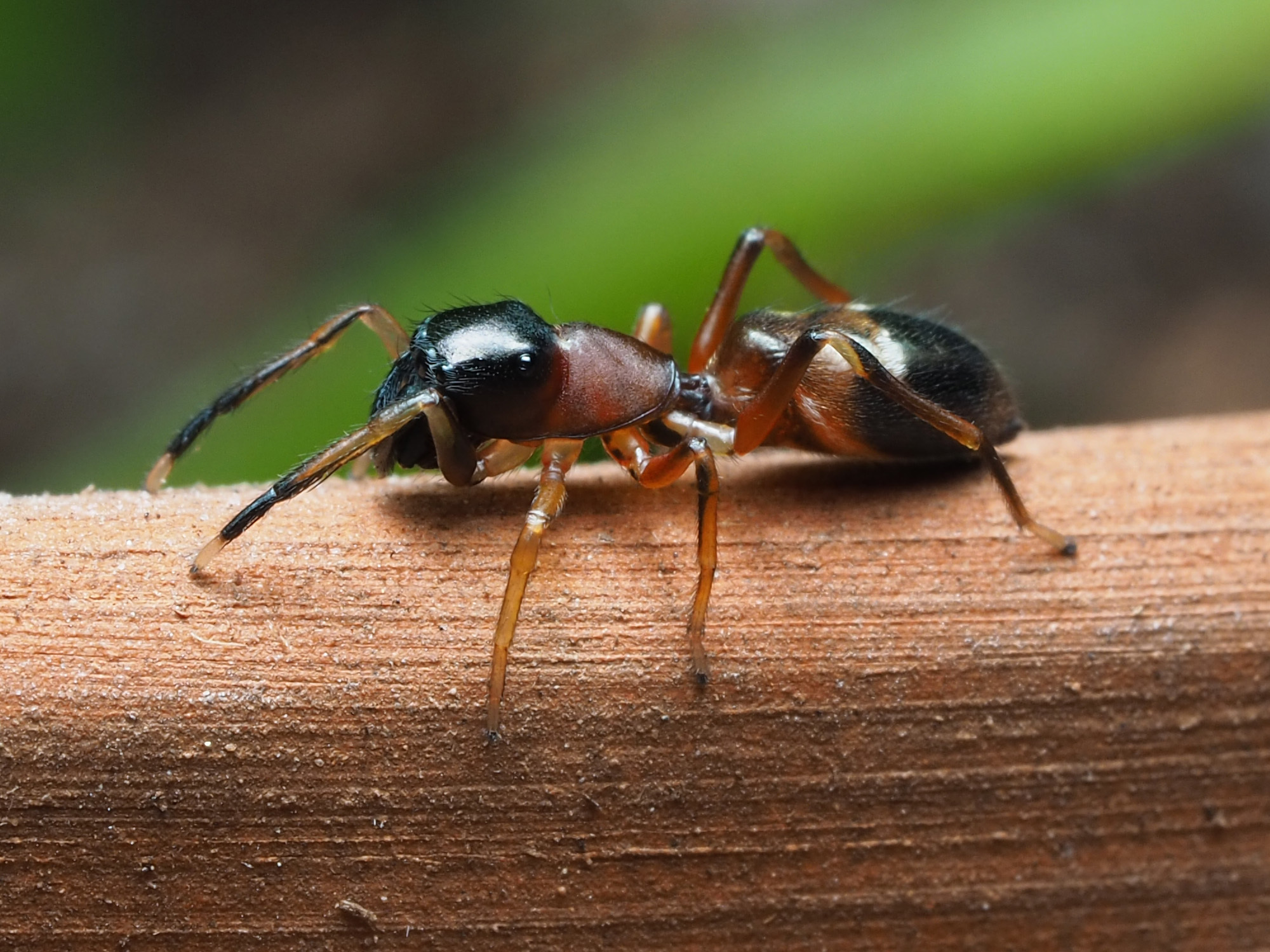
Evolution has led many arthropods to mimic ants, with over 2,000 species resembling the small, stoic marchers for survival benefits. While some mimics closely resemble ants, others are poor lookalikes, prompting scientists to explore the reasons behind imperfect impersonation. A study comparing ant-mimicking insects and spiders found that both groups exhibited a range of accuracy, challenging the theory of evolutionary constraints. The research sheds light on the complexity of mimicry and the different perspectives of predators, suggesting that what may seem like imperfect mimicry to humans could be effective in deceiving potential predators.
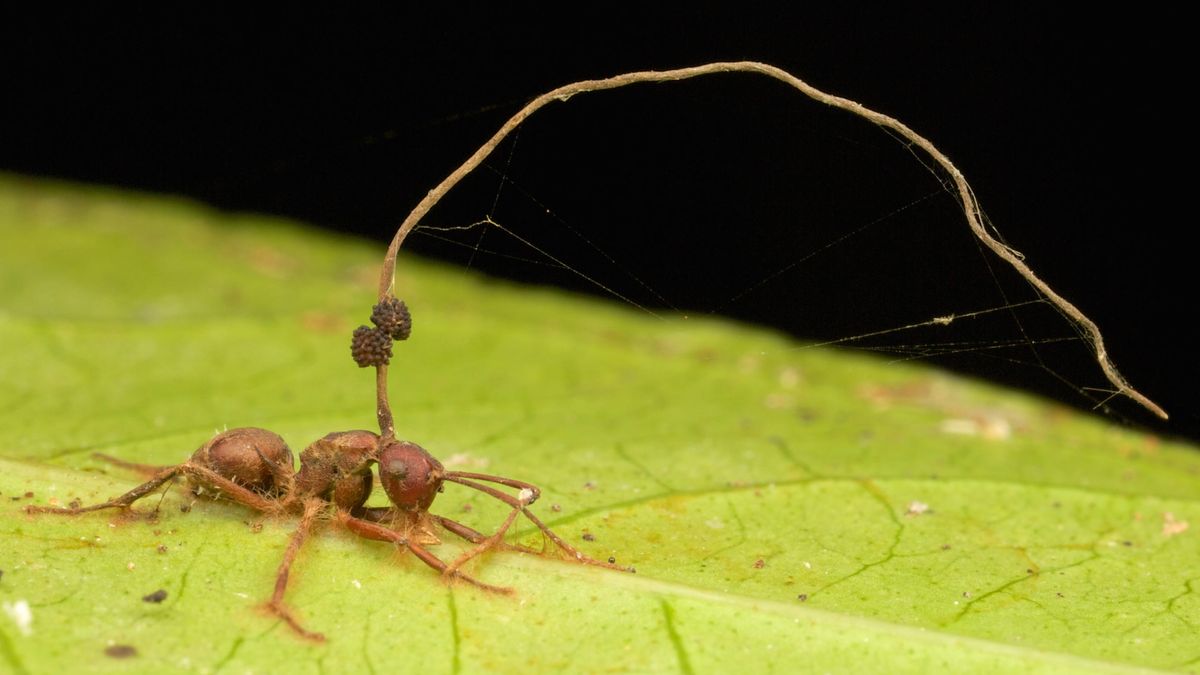
Parasitic fungi, such as the vegetable caterpillar fungus Ophiocordyceps robertsii, play a crucial role in regulating insect populations and maintaining balance in forest ecosystems. These fungi infect and consume the innards of their insect hosts, transforming them into mummified structures from which spores are released. By targeting specific arthropod species, the fungi prevent any one group from dominating and help keep ecosystems stable. Vegetable caterpillars are found in diverse habitats worldwide and have evolved various strategies to manipulate their hosts. Their parasitic nature is essential for preventing population explosions and maintaining forest dynamics.
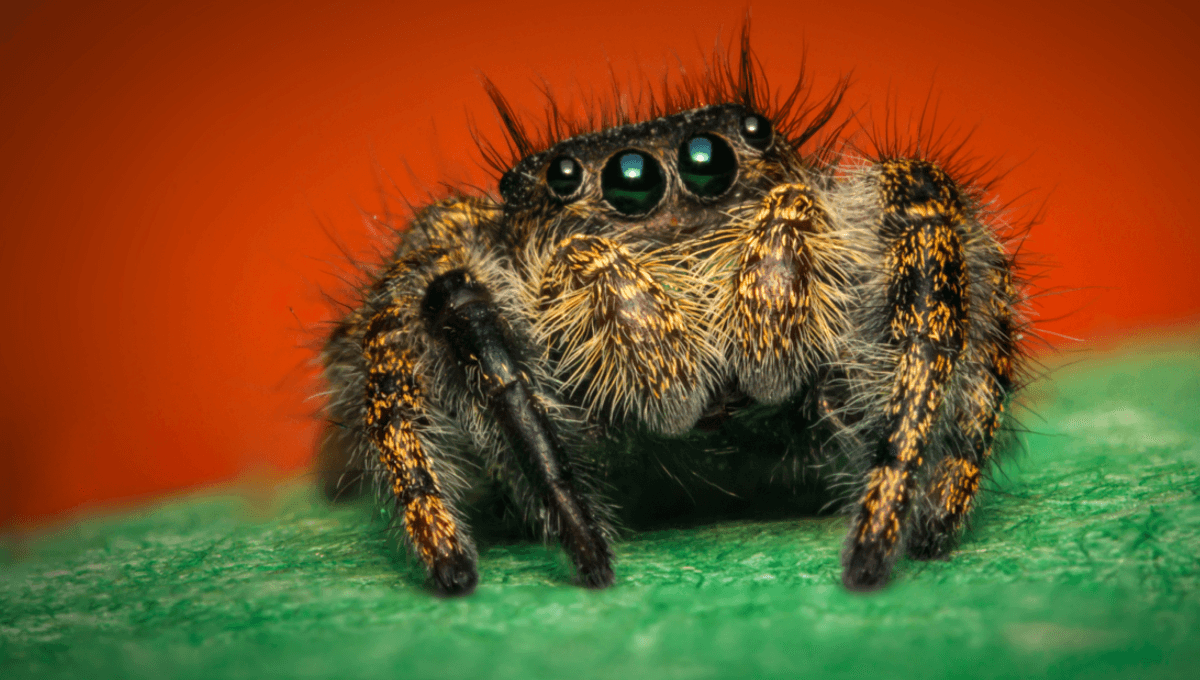
Adorable jumping spiders, typically considered asocial, have been found to recognize and remember each other. In a study on Phidippus regius, researchers observed that the spiders behaved differently towards spiders they had previously encountered compared to strangers. This individual recognition is typically associated with social animals, but the jumping spiders exhibited long-term social memory, suggesting they are capable of individual recognition. This finding adds to the growing list of surprising traits exhibited by jumping spiders, including biological motion perception and REM-like sleep behavior.
Scientists have discovered an extinct creature called Kylinxia, which provides new insights into the evolution of arthropods over 500 million years ago. The fossil of Kylinxia, found in southern China, reveals a six-segmented head with three eyes and formidable limbs. This discovery challenges previous theories about the evolution of arthropod heads and suggests that living arthropods inherited a six-segmented head from an ancestor over 500 million years ago. Arthropods, including insects, arachnids, crustaceans, and myriapods, are a diverse and dominant group in the animal kingdom, playing vital ecological roles.
Researchers have redescribed a unique fossil animal called Kylinxia, which fills in a gap in our understanding of arthropod evolution. The fossil, found in rocks nearly 520 million years old in southern China, reveals a three-eyed creature with fearsome limbs used for catching prey. The well-preserved fossil allowed scientists to digitally image its head, identifying six segments, similar to many living arthropods. This discovery provides valuable insights into the early evolution of arthropods and challenges previous theories about the number of segments in their heads.
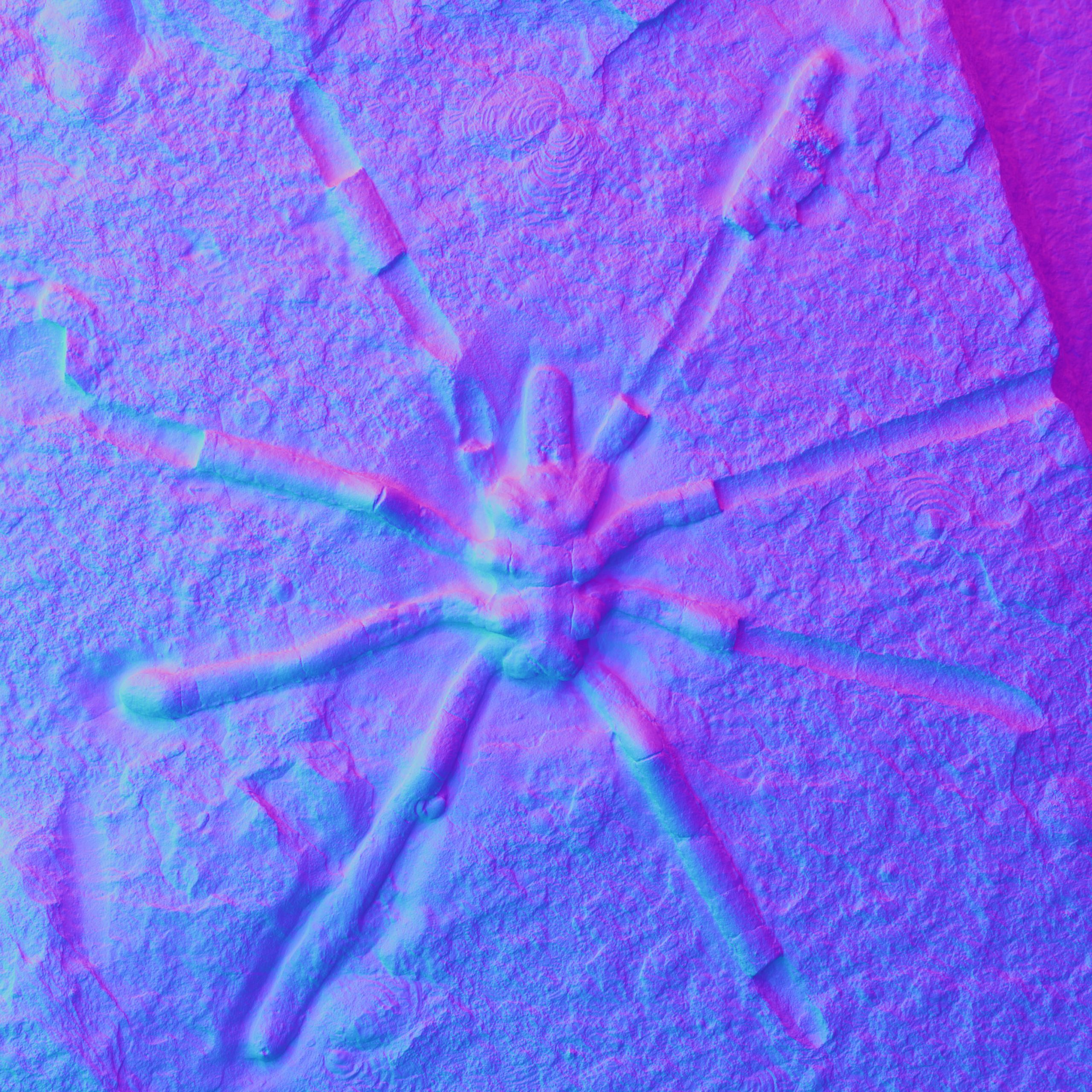
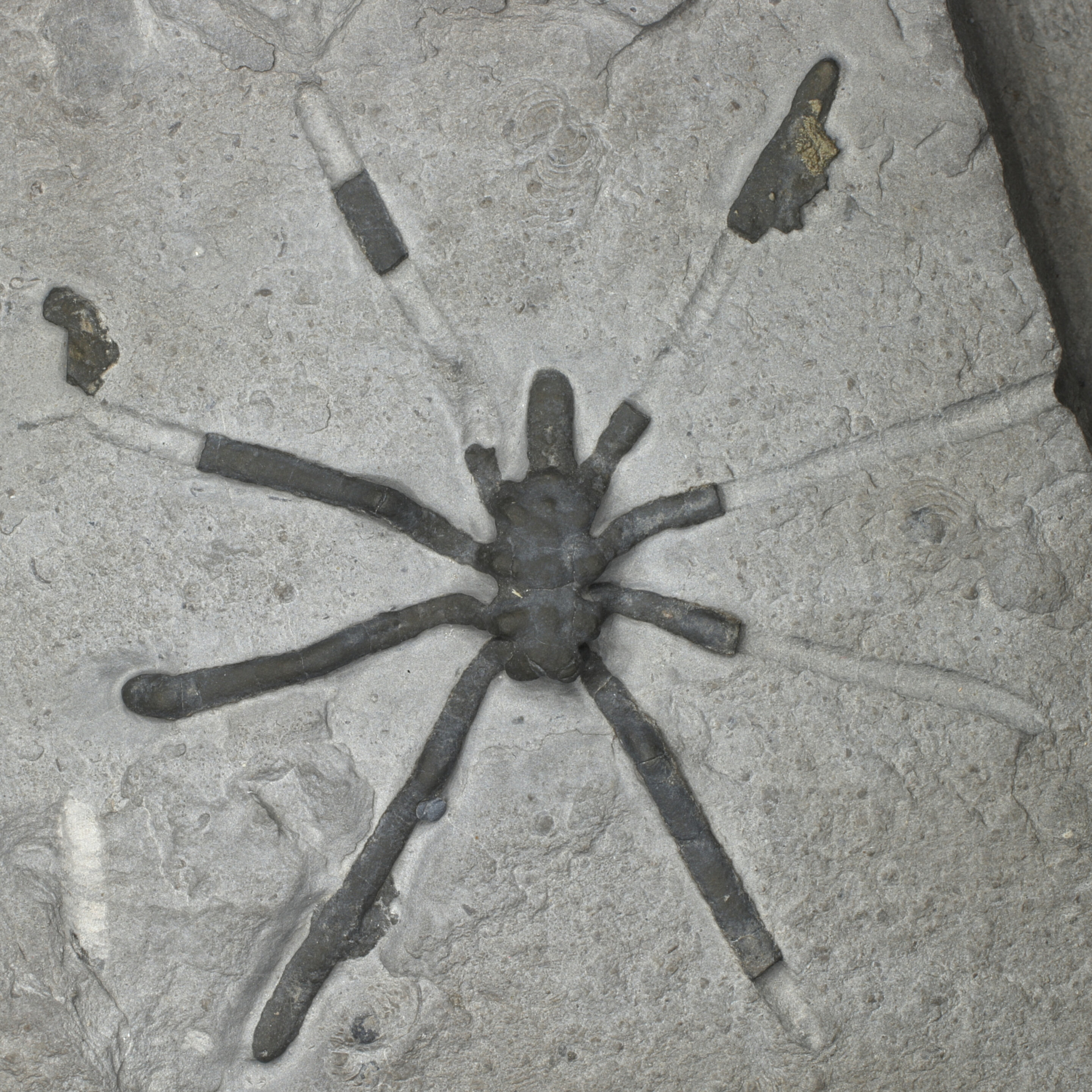
Researchers have discovered a rare collection of 160-million-year-old sea spider fossils in Southern France that are closely related to living species. These fossils provide insights into the evolution of sea spiders and will help calibrate the molecular clock, improving our understanding of arthropod evolution. The fossils, which are morphologically similar to living species, confirm that the diversity of sea spiders began taking shape during the Jurassic period. The findings will also aid in studying the impact of biodiversity crises on sea spider diversity throughout Earth's history.
A collection of 160-million-year-old sea spider fossils from Southern France, known as the La Voulte pycnogonids, are closely related to living species, indicating that the diversity of sea spiders began to form during the Jurassic period. Using advanced techniques such as X-ray microtomography and reflectance transformation imaging, researchers were able to confirm the morphological similarities between the fossils and extant sea spider families. This discovery provides valuable insights into the evolution of sea spiders and their place in the arthropod tree of life. The findings will also help calibrate the molecular clock and investigate the timing of sea spider evolution, as well as shed light on the impact of biodiversity crises throughout Earth's history.
Spiders have eight legs because their ancestors, the lobopods, had segmented bodies with pairs of legs on each segment. As the lobopods evolved, their legs specialized and fused into two big body segments: the head and the abdomen. The head retained the legs, while the abdomen lost them. This body plan was inherited by spiders, which have been around for about 315 million years. All arthropod appendages, including legs, antennae, and jaws, can be traced back to a common ancestor, the lobopod appendage. Spiders walk with legs on their heads because their chelicerate ancestors diverged from other groups, with the front appendages becoming fangs and the second leg pair evolving into grabby appendages called pedipalps. Spinnerets, used for spinning silk, evolved from spider legs.
A new fossil site in Taichoute, Morocco, has revealed that giant arthropods dominated the seas 470 million years ago, some potentially up to 2 meters long. The site, part of the wider Fezouata Biota, offers new insights into paleontological and ecological research. The Fezouata Shale has been recognized as one of the 100 most important geological sites worldwide for understanding evolution during the Early Ordovician period.