A study shows that exercising during weight loss can actually improve muscle health by increasing mitochondrial proteins and reducing collagen, leading to a more youthful muscle profile, which has positive implications for health, aging, and athletic performance.
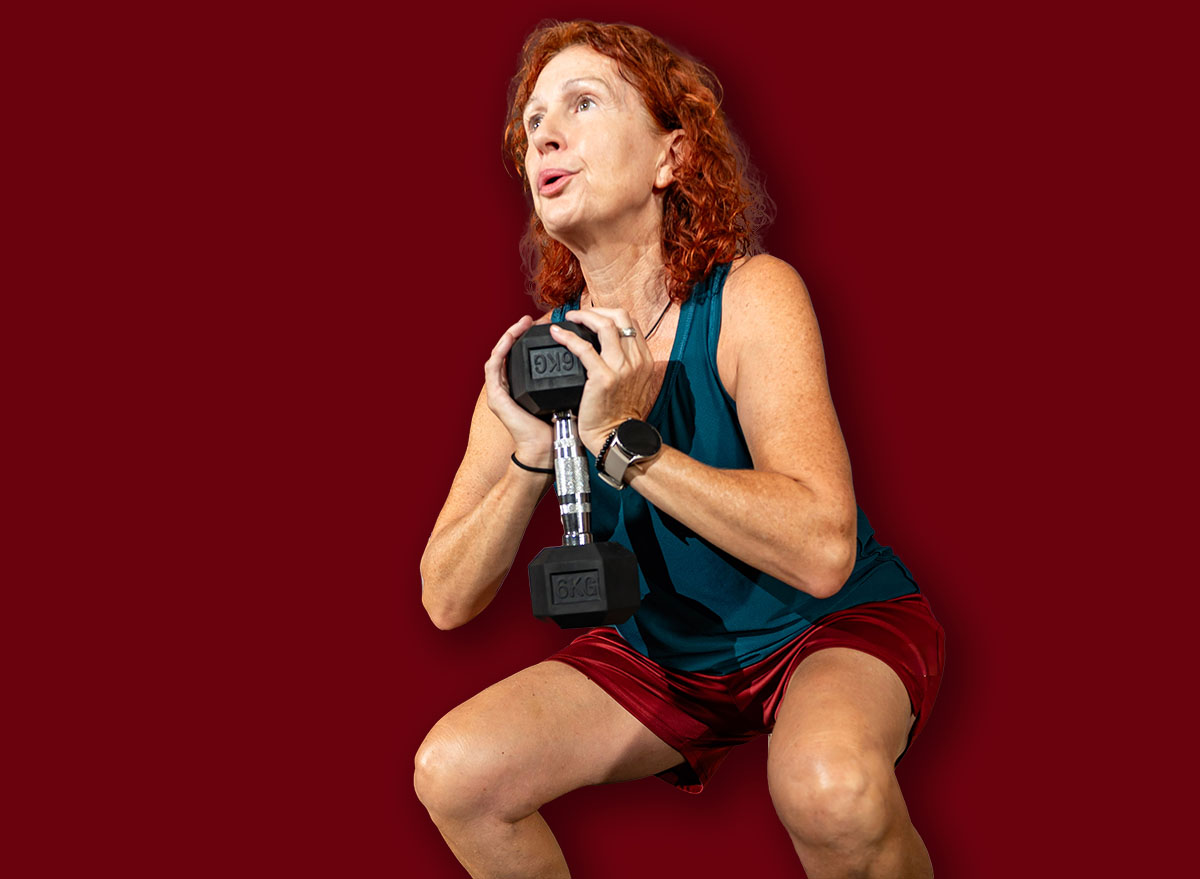
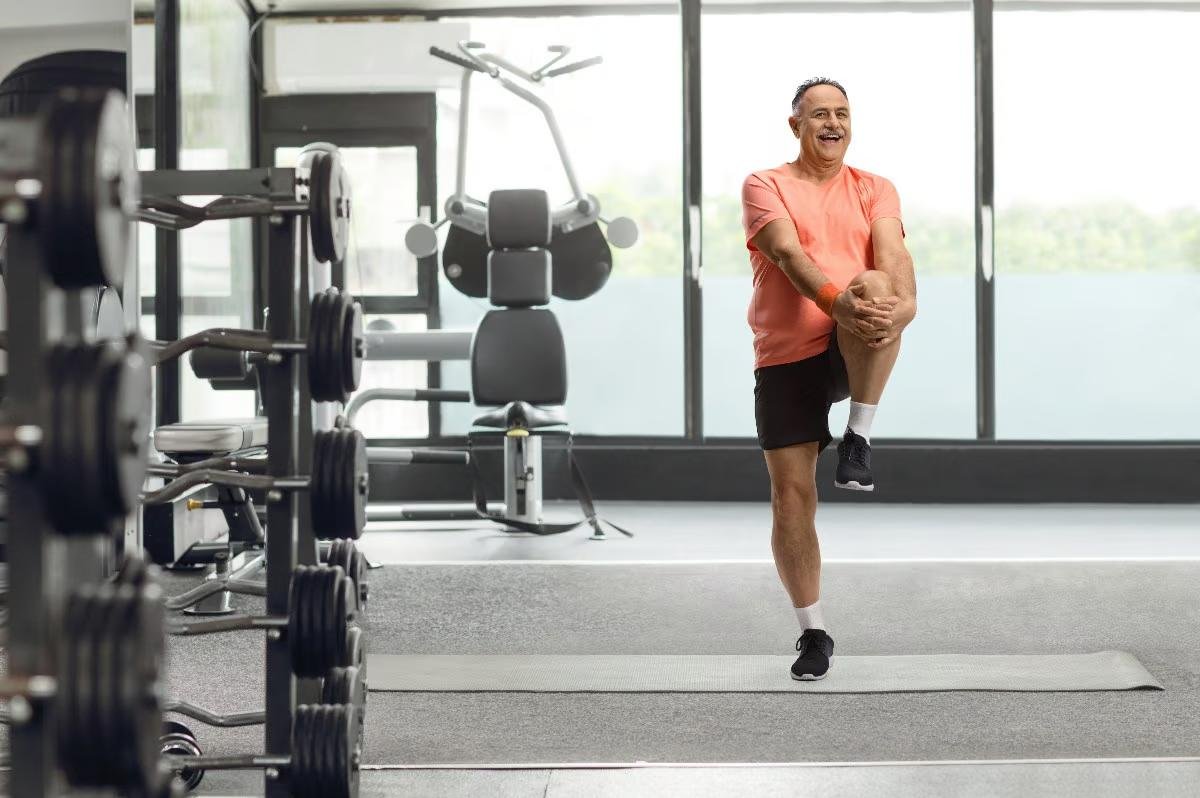
Regular strength exercises like dumbbell squats, bench presses, bent-over rows, and planks can help people over 60 maintain muscle mass and strength, potentially surpassing the strength levels of most 40-year-olds by combating sarcopenia through consistent movement and resistance training.
Research shows that exercising during weight loss can positively affect muscle health, increasing mitochondrial proteins and reducing aging-related collagen, suggesting muscles may stay 'younger' and more efficient even under calorie restriction, especially in young men. This highlights the importance of exercise for muscle preservation and healthy aging during weight loss efforts.
An 8-minute morning bodyweight workout is as effective as 30 minutes on machines for building strength after 50, focusing on functional movements like squats, pushups, glute bridges, planks, and balance exercises to preserve muscle mass, improve mobility, and promote independence in older adults.
Eating specific foods like eggs, wild salmon, Greek yogurt, leafy greens, berries, lean grass-fed beef, and chia seeds can help lower body fat percentage while maintaining muscle mass, supporting overall health and fitness goals.
The article highlights 7 protein-rich foods, including lean beef, chicken breast, seafood, eggs, Greek yogurt, cottage cheese, and plant-based options like tempeh and tofu, that can help promote fat loss, preserve muscle, and support metabolism within 4 weeks.
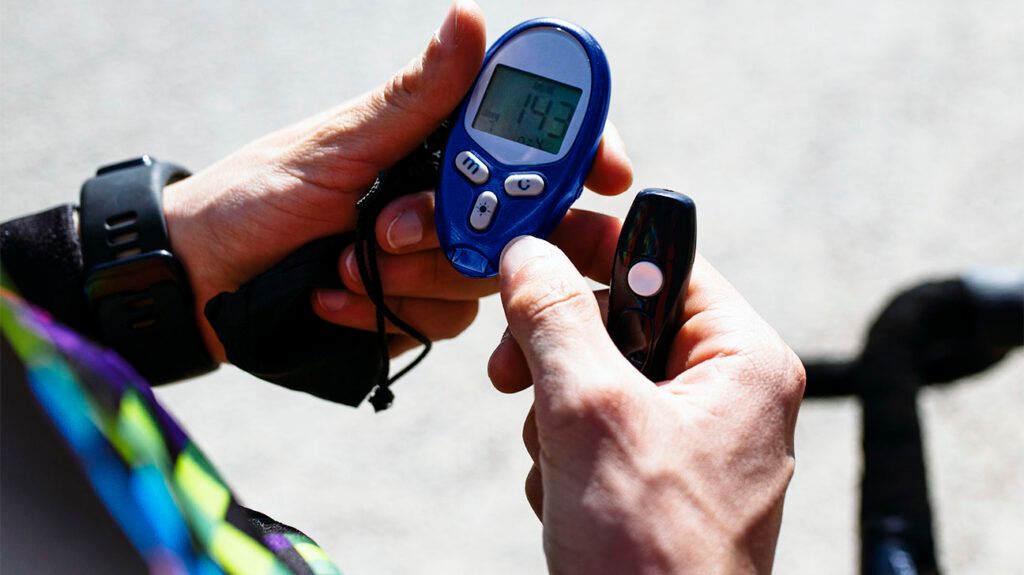
Swedish researchers have developed an oral drug that aids weight loss and treats type 2 diabetes by activating skeletal muscle metabolism, potentially preserving muscle mass unlike current GLP-1 drugs, with promising initial human trial results showing good tolerance and minimal side effects.
Swedish researchers have developed an oral drug that aids weight loss and manages type 2 diabetes by enhancing skeletal muscle metabolism, potentially avoiding muscle loss associated with current GLP-1 drugs like Ozempic. Initial phase 1 trials show good tolerance and minimal side effects, paving the way for further studies to confirm its efficacy and safety.
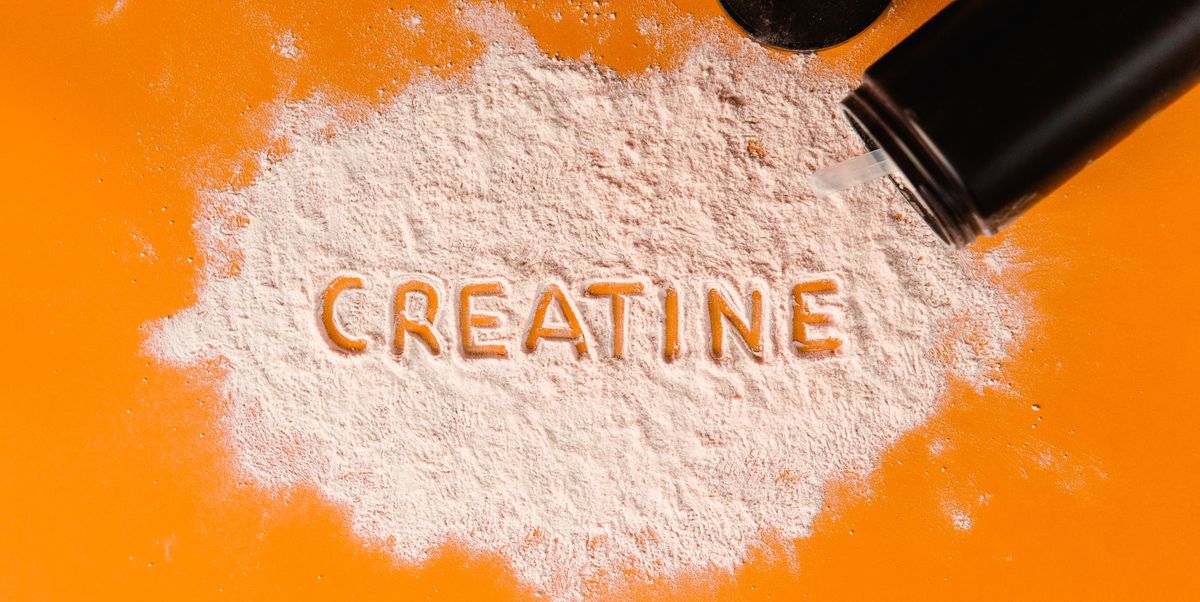
A recent review highlights five health benefits of creatine for women, including improved sleep, mood, muscle preservation during perimenopause, reduced brain fog, and cellular hydration, emphasizing its potential as a valuable supplement across different life stages. However, more research is needed, and consulting a healthcare professional is advised before use.
A new study from Umea University in Sweden found that one year of heavy strength training in people of retirement age can preserve vital leg strength for at least four years, helping maintain mobility and independence. Researchers observed that heavy weightlifting thrice weekly was more effective than moderate intensity training or maintaining usual physical activity levels. The study suggests that doctors should encourage seniors to engage in heavy resistance training for long-term muscle function benefits.
Altimmune has developed a new GLP-1 drug, pemvidutide, which helps patients lose 75% fat and only 25% muscle, unlike existing drugs like Ozempic and Mounjaro, which can lead to significant muscle loss. The drug combines a GLP-1 drug with another to mimic the effects of exercise, potentially offering a solution to the issue of muscle loss while on weight-loss medication. Other drugmakers, such as Eli Lilly, are also working on solutions to preserve muscle mass in patients using similar drugs.
Altimmune's experimental weight loss drug, pemvidutide, showed promising results in a midstage trial by minimizing the loss of muscle mass while helping patients shed weight, potentially setting it apart in the competitive weight loss drug market. The drug, which activates gut hormones to increase energy expenditure, demonstrated a significant preservation of lean mass during weight loss, addressing a major concern in obesity treatments. While still needing late-stage trials, these results suggest a potential edge over existing treatments, such as Novo Nordisk's semaglutide, which showed a higher rate of lean mass decline. Other companies, like Eli Lilly, are also exploring ways to help patients maintain muscle mass while losing weight.

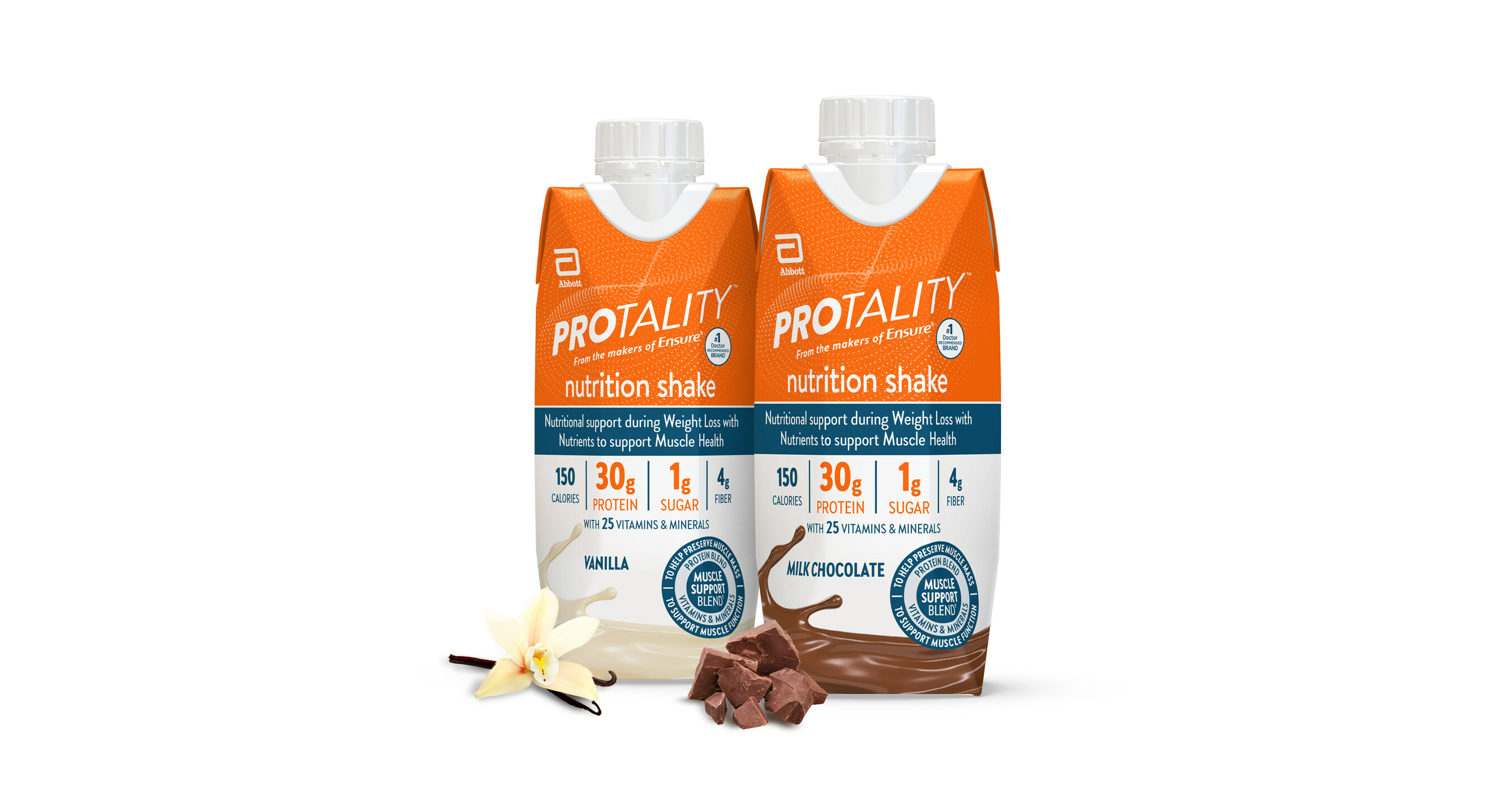
Abbott has launched the PROTALITY™ brand, offering a high-protein nutrition shake to support adults in their weight loss journey by preserving muscle mass and providing essential nutrients. With more than 7 in 10 adults in the U.S. being overweight or obese, the brand aims to address the nutritional needs of individuals pursuing weight loss, offering a shake with 30 grams of high-quality protein, essential B vitamins, comfort fiber, and minimal sugar and calories. The shake is available in Milk Chocolate and Vanilla flavors and can be found online and in various retailers.
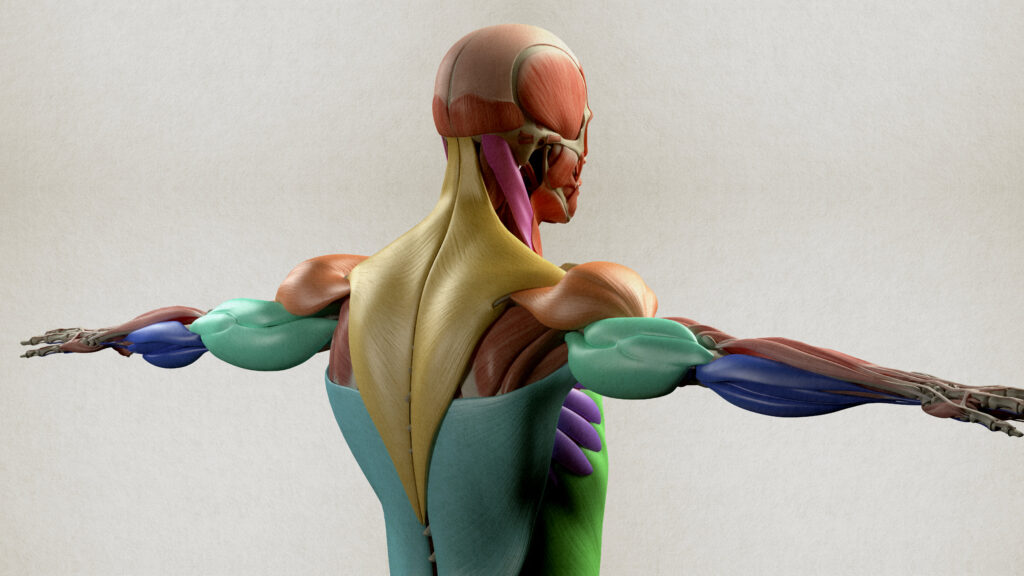
Biotech startups are developing weight loss medications that aim to preserve or grow muscle while reducing fat, inspired by research on mice that were genetically modified to have increased lean muscle mass. These companies hope that their drugs, combined with existing obesity treatments, will lead to healthier weight loss options.