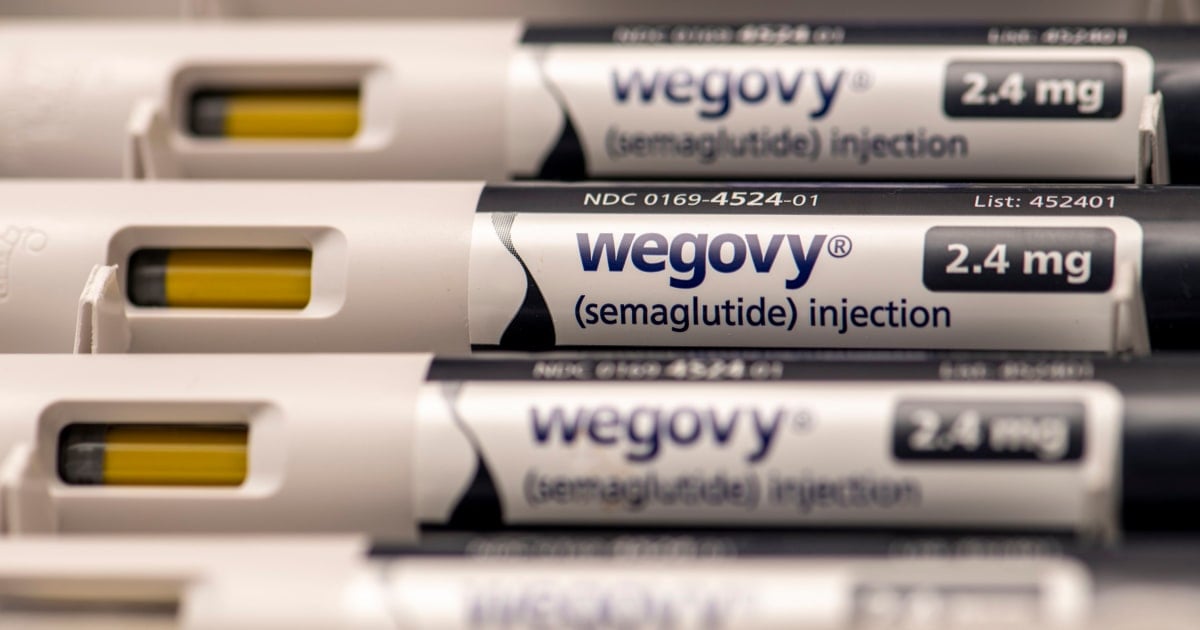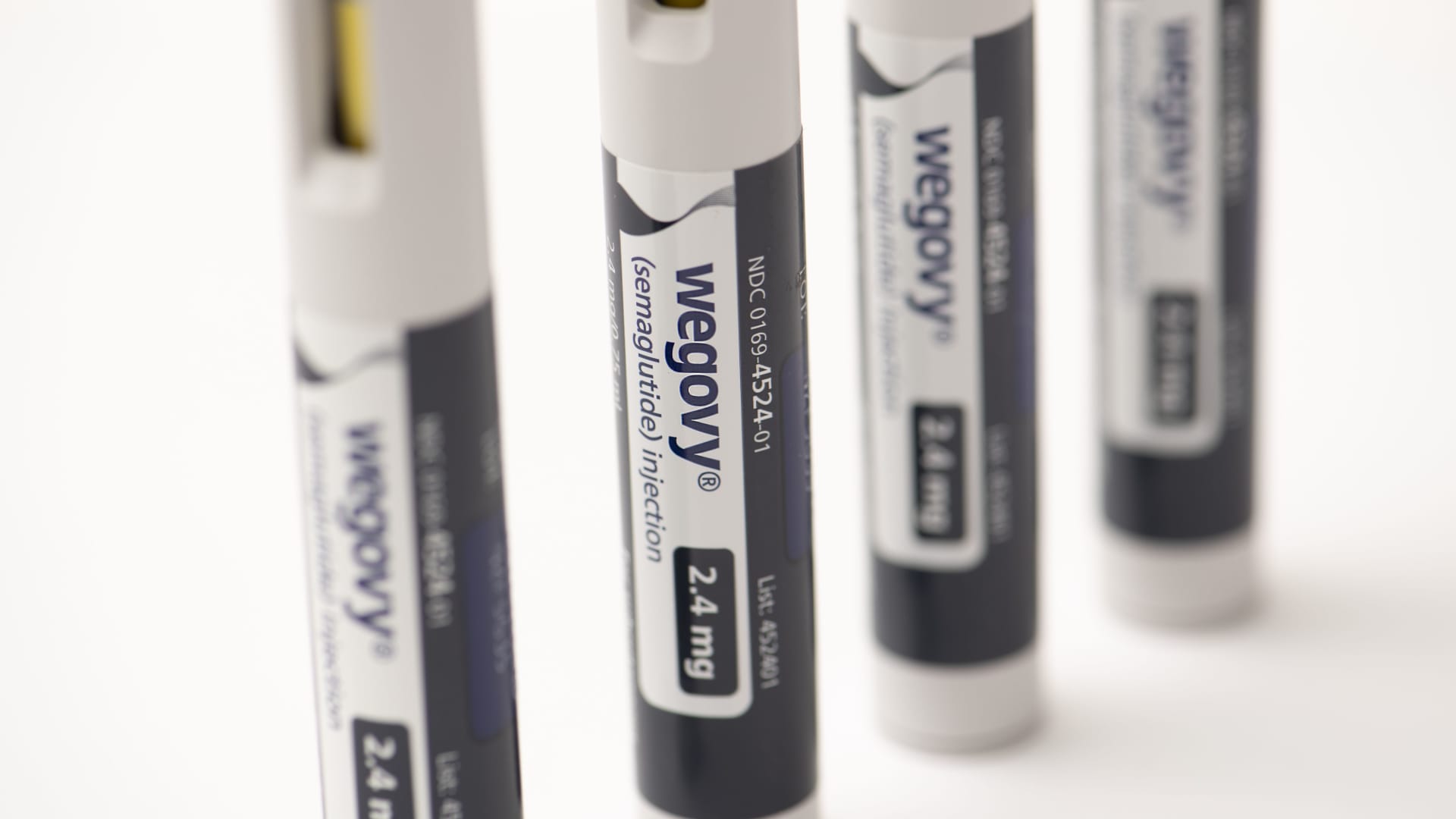
Altimmune's experimental weight loss drug, pemvidutide, showed promising results in a midstage trial by minimizing the loss of muscle mass while helping patients shed weight, potentially setting it apart in the competitive weight loss drug market. The drug, which activates gut hormones to increase energy expenditure, demonstrated a significant preservation of lean mass during weight loss, addressing a major concern in obesity treatments. While still needing late-stage trials, these results suggest a potential edge over existing treatments, such as Novo Nordisk's semaglutide, which showed a higher rate of lean mass decline. Other companies, like Eli Lilly, are also exploring ways to help patients maintain muscle mass while losing weight.
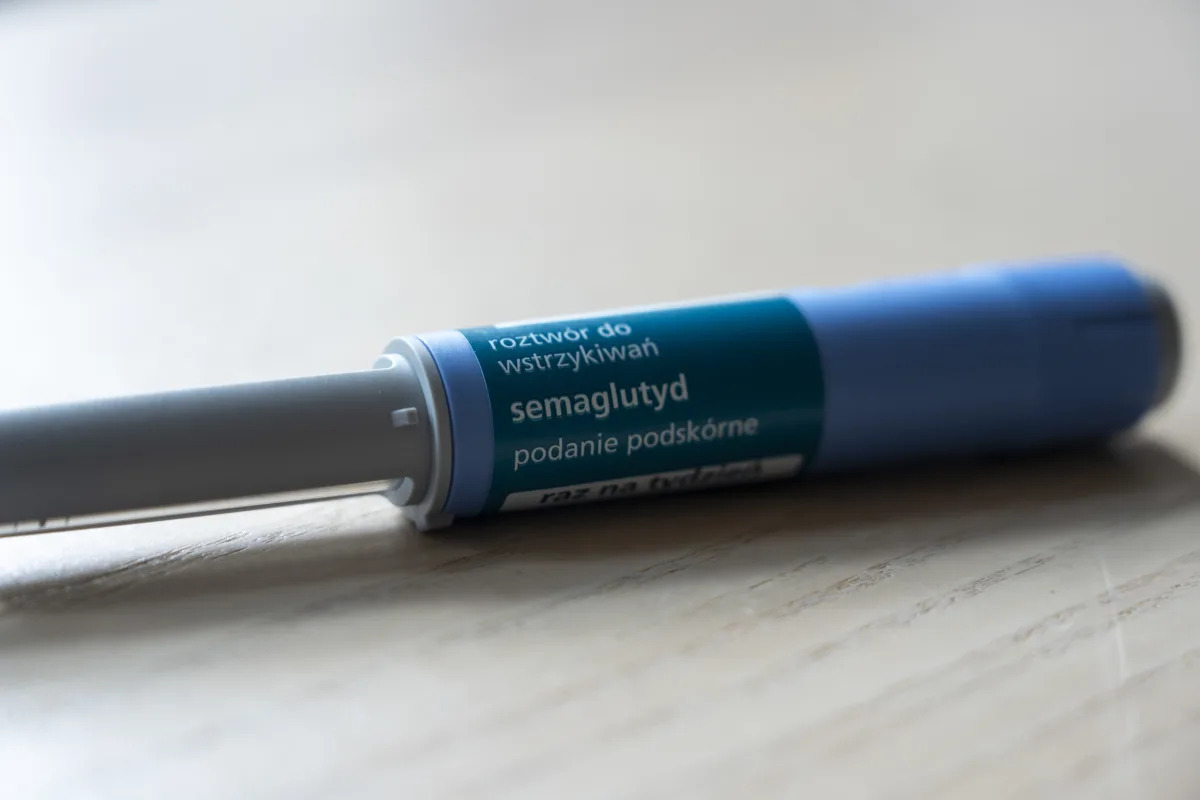
Viking Therapeutics' experimental weight-loss tablet, VK2735, showed promising results in a small early-stage trial, with the highest 40-milligram dose leading to a 3.3% weight loss in participants. The company's shares rose 15% following the news. Viking plans to continue testing higher doses and expects to initiate a mid-stage study in obese patients later this year. The drug's oral version could offer a more convenient option for patients, especially those who have achieved significant weight loss with the injectable version.
Viking Therapeutics' stock surged over 15% after positive results from a small study on its experimental weight loss pill, which is set to enter the next stage of development later this year. The once-a-day oral tablet showed promising results in reducing weight, with patients losing up to 5.3% of their weight on average. The company plans to start a phase two trial for the pill and believes that treating patients beyond 28 days may lead to further reductions in body weight. Analysts view Viking as a strong potential player in the burgeoning weight loss drug market, which could grow into a $100 billion market by the end of the decade.
Amgen is developing an injectable weight loss drug called MariTide, which takes a different approach from existing treatments by blocking a gut hormone receptor called GIP. Early-stage trial data suggests that MariTide may help patients maintain weight loss even after stopping the drug, and the drug can be taken once a month or less frequently. Amgen's ongoing phase two trial will provide more clarity on the drug's effectiveness and tolerability, with initial results expected later this year.
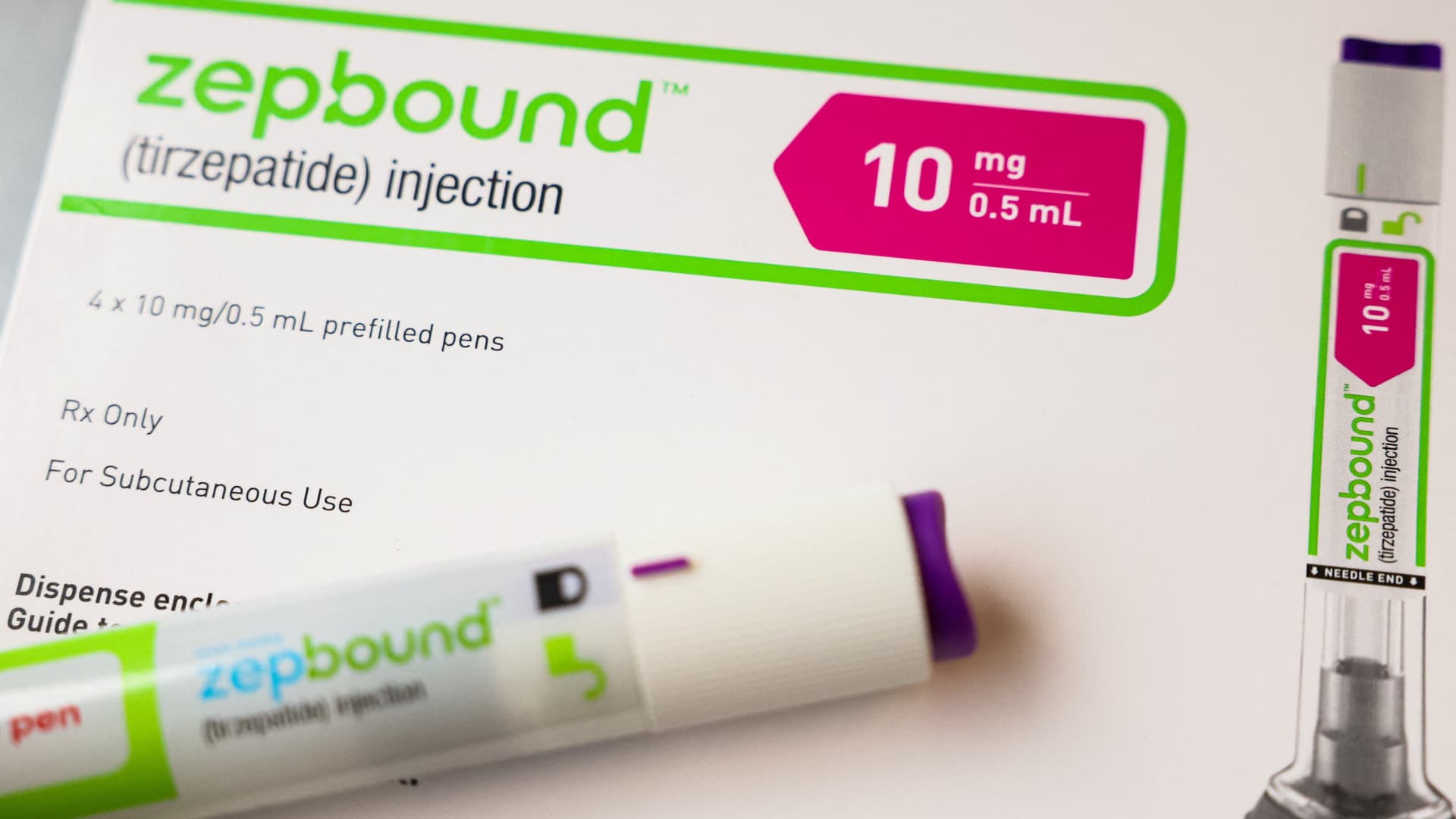
Eli Lilly has partnered with Amazon to deliver its weight loss drug Zepbound, addressing a shortage of GLP-1 medications. Novo Nordisk, facing similar supply issues, limits starter doses of its weight loss drug Wegovy. Both drugs, along with Saxenda, are available online, but require a prescription. Concerns about compounded versions of these drugs have been raised, prompting the FDA to issue warnings.
Novo Nordisk's weight loss drugs Ozempic and Wegovy have been incredibly popular, with the company now teasing a new pill that could be twice as powerful as Wegovy. An early-stage trial found that an oral version of the drug amycretin led to users losing 13% of their body weight after 12 weeks of treatment, causing Novo Nordisk stock to surge to a record high. If successful, this new medication could lead to even faster weight loss and potentially make Novo Nordisk even more valuable than Tesla.
Viking Therapeutics has emerged as a strong contender in the weight loss drug market, with its experimental obesity treatment showing promising results in a midstage trial, leading to a 120% surge in its shares. Analysts believe the company's injectable drug may be "best-in-class," outperforming competitors like Eli Lilly and Novo Nordisk. However, Viking still faces challenges in manufacturing and regulatory approval, and its drug may not reach the market until 2029. Despite this, the company's impressive data has made it an attractive target for potential partnerships or acquisitions by larger pharmaceutical companies looking to enter the weight loss drug market.
Viking Therapeutics' stock doubled after reporting positive results from a Phase 2 trial of its weight-loss drug VK2735, showing statistically significant reductions in body weight at all doses compared to placebo, with patients losing up to 14.7% of their body weight after 13 weeks. The treatment was well-tolerated, and the company plans to discuss next steps with the FDA. The news positions Viking as a potential competitor in the weight-loss drug market, and the company is also developing a treatment for NASH.
Zealand Pharma's stock surged over 34% after positive results in a clinical trial for a liver disease drug that also shows promise for weight loss, potentially challenging market leaders Novo Nordisk and Eli Lilly. Novo Nordisk's sales are projected to increase by up to 26% in 2024 due to the demand for weight loss drugs like Wegovy and Ozempic, with the potential for the company to become one of the first trillion-dollar pharmaceutical companies. Competition in the weight loss drug market is intensifying, with several companies, including Regeneron, Amgen, and Viking Pharmaceuticals, racing to introduce new drugs to compete with the current market leaders.
Goldman Sachs predicts that the widespread use of weight-loss drugs in the US could increase the country's GDP by 1% due to improved workplace efficiency from lower obesity-related health issues. The market for these drugs is expected to reach $100bn annually, with potential for significant economic impact. However, the use of these drugs is controversial, and their effects on broader health and societal issues are being closely watched.
The Biden administration is investigating the role of drug wholesalers and group purchasing organizations in causing shortages of generic drugs, which make up the majority of prescriptions in the U.S. The Federal Trade Commission and the Department of Health and Human Services are seeking public input on whether these middlemen have used their market power to drive down prices to the point where manufacturers can't profit, leading to production stoppages and discouraging competition. The public will have 60 days to submit comments, and the investigation comes amid ongoing efforts to address high drug costs.
Gilead Sciences has announced the acquisition of CymaBay Therapeutics for $4.3 billion, adding seladelpar, an investigational treatment for primary biliary cholangitis (PBC), to its liver portfolio. Seladelpar, with FDA priority review and anticipated U.S. approval in the third quarter of 2024, has shown promising results in Phase 3 trials, offering a potential treatment for PBC, a rare liver disease. The acquisition aligns with Gilead's commitment to addressing unmet needs in liver diseases and is expected to enhance its revenue growth upon FDA approval of seladelpar.
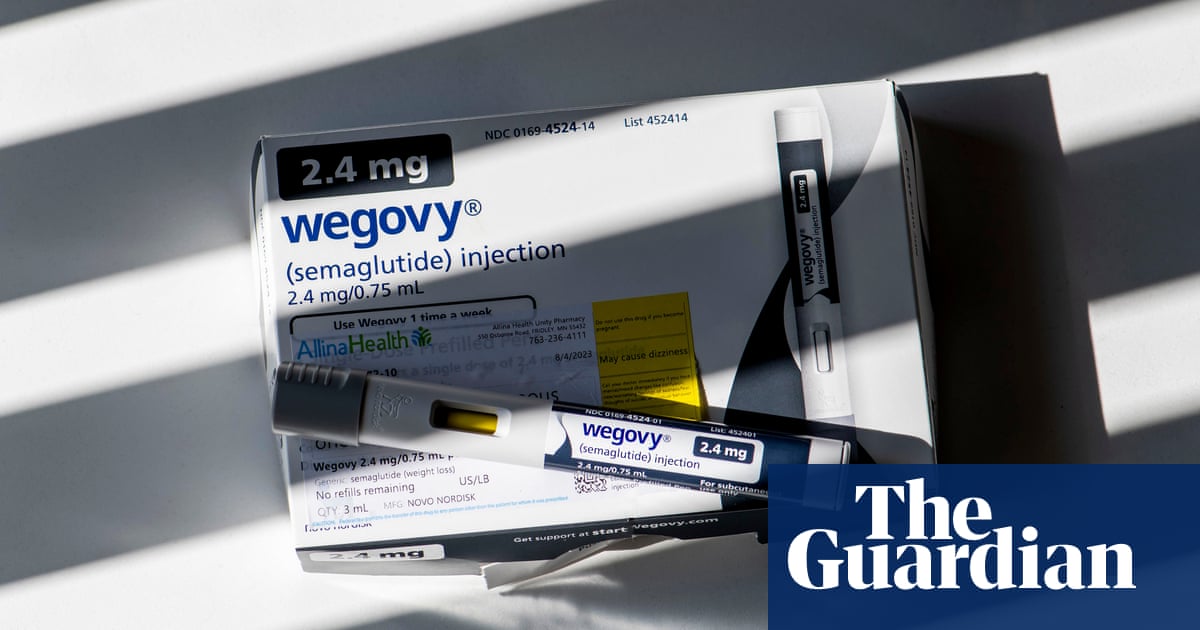
Novo Nordisk has boosted the supply of its weight loss drug Wegovy, allowing more patients in the U.S. to start taking the medication. The increased supply of the lowest dose aims to address previous restrictions that prevented new patients from beginning treatment. The company's efforts to maintain supply for existing users led to supply shortages for new patients, prompting some to be prescribed off-label alternatives. Novo Nordisk also noted improvements in insurance coverage for Wegovy, potentially benefiting around 50 million people in the U.S. with obesity.
Novo Nordisk's blockbuster weight loss drug, Ozempic, has become one of the most hyped treatments in American history, thanks to a $1 billion marketing campaign and millions spent lobbying physicians to promote the drug. However, the company now faces numerous lawsuits from patients claiming crippling side effects, with allegations of aggressive marketing tactics to promote their drugs as the only way to achieve sustainable weight loss. Celebrities have also contributed to the drug's popularity, with sales surging over 300 percent and bringing massive profits for Novo Nordisk.
Drugmakers are racing to enter the weight loss drug market, which is expected to be worth tens of billions in the next decade. Companies like Boehringer Ingelheim, Terns Pharmaceuticals, Viking Therapeutics, and Structure Therapeutics are developing weight loss drugs targeting gut hormones like GLP-1 and glucagon. With demand for obesity medications projected to grow, smaller players are aiming to compete with dominant companies like Novo Nordisk and Eli Lilly. Large pharmaceutical companies like Sanofi and Bayer are also considering entering the market through potential partnerships or next-generation weight loss drugs.