
Moderna's mRNA flu shot moves to FDA review after dispute resolution
Moderna says the FDA will review its experimental mRNA-based flu vaccine after resolving a public dispute, signaling movement toward potential regulatory consideration of the shot.

All articles tagged with #mrna vaccine
Moderna says the FDA will review its experimental mRNA-based flu vaccine after resolving a public dispute, signaling movement toward potential regulatory consideration of the shot.
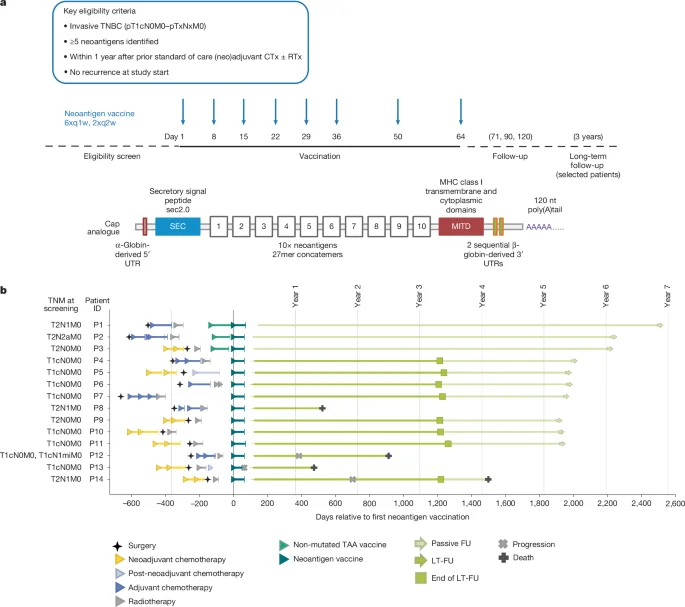
A phase study in 14 women with adjuvant-treated triple-negative breast cancer shows individualized neoantigen mRNA–LPX vaccines encoding up to 20 mutations elicit robust, multi-epitope CD4+/CD8+ T cell responses that persist for years and correlate with relapse-free outcomes in most patients (up to ~6 years). Vaccinated T cells differentiate into cytotoxic, late-stage effector and stem-like memory (TSCM) phenotypes, with durable clonal lineages detected long after vaccination. Three relapses occurred due to weak responses, MHC I loss, or a genetically distinct recurrent tumor. The findings demonstrate the feasibility of on-demand personalized RNA vaccines and provide insights into immune escape and memory formation to guide future immunotherapy strategies.
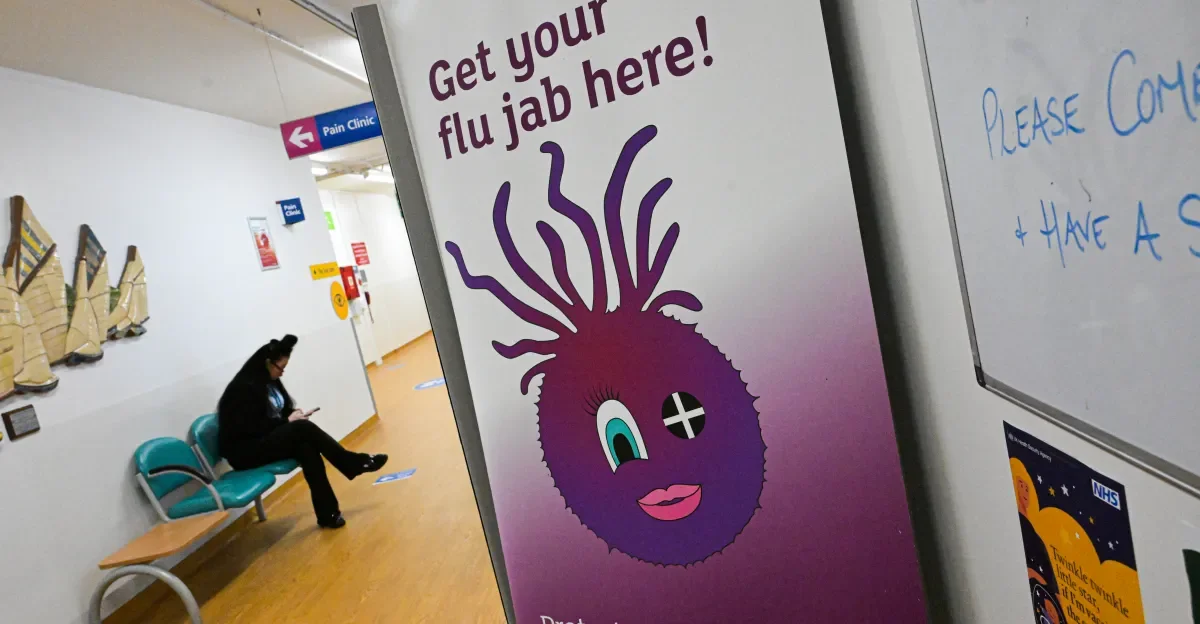
The current flu season is unusually harsh with high illness and hospitalization numbers and low vaccination rates, but researchers are pursuing a set of universal flu vaccine approaches (targeting the HA stem, mosaic nanoparticle displays, and neuraminidase/T-cell–based strategies) plus longer-lasting preventives. If these efforts succeed and are paired with faster vaccine updates, the world could see dramatically reduced infections and severe illnesses in future winters, though funding and public acceptance remain challenges.

A study from the University of Florida suggests that an experimental mRNA vaccine, combined with existing immunotherapies, could broadly stimulate the immune system to recognize and destroy various cancers, potentially leading to universal cancer prevention and treatment strategies. The vaccine activates immune responses that not only target tumors but also promote immune memory and epitope spreading, offering hope for more effective, off-the-shelf cancer therapies and preventive vaccines. However, these findings are based on mouse models, and human trials are needed to confirm safety and efficacy.
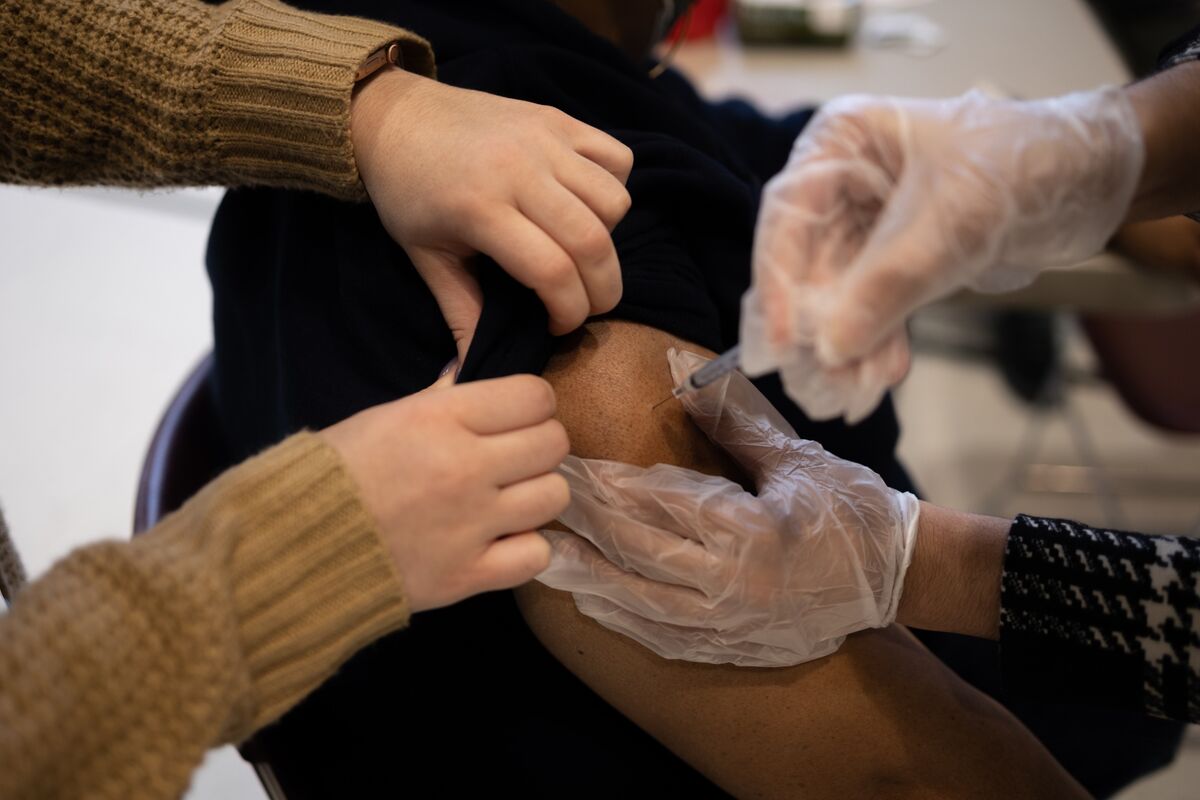
A study suggests that COVID-19 mRNA vaccines may enhance the effectiveness of cancer immunotherapy, significantly increasing survival times in patients with advanced lung and skin cancers, potentially revolutionizing cancer treatment by boosting immune responses.
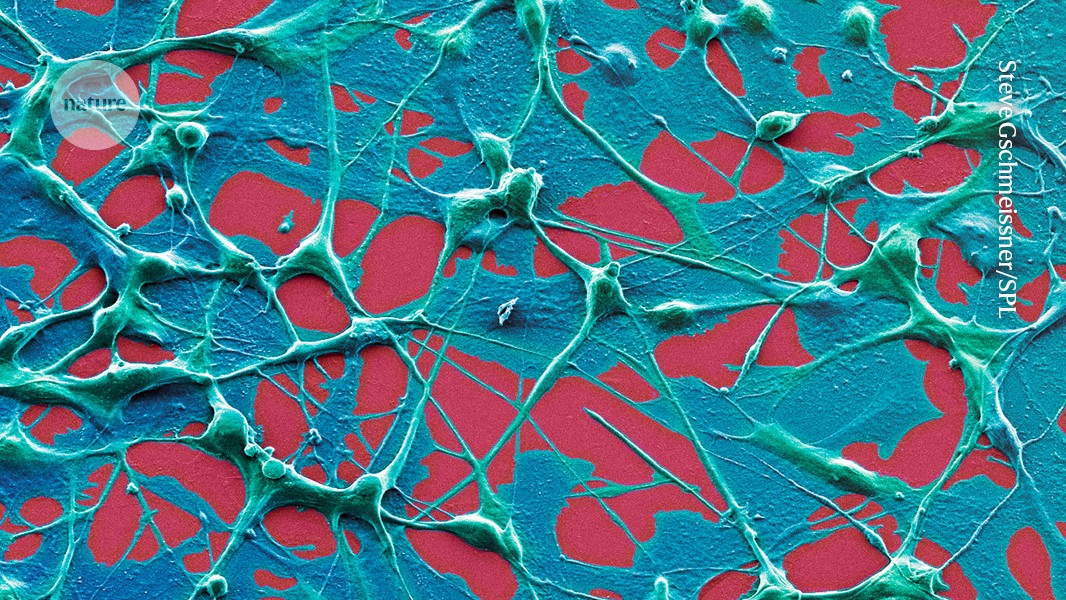
Research suggests that mRNA COVID-19 vaccines may extend survival in certain cancer patients by boosting the immune response, especially when administered within 100 days of starting cancer therapy, potentially enhancing the effectiveness of treatments like checkpoint inhibitors.

Research suggests that mRNA Covid vaccines may boost the immune system's ability to fight cancer, with early data indicating vaccinated cancer patients undergoing immunotherapy live longer. A Phase 3 trial is planned to confirm these promising findings, which could represent a new frontier in cancer treatment using mRNA technology.

A Japanese research team developed an intramuscular mRNA vaccine targeting LRG1 that significantly reduces abnormal blood vessel growth in mouse models of age-related macular degeneration (AMD), offering a less invasive alternative to current eye injections and showing promise for transforming AMD treatment.
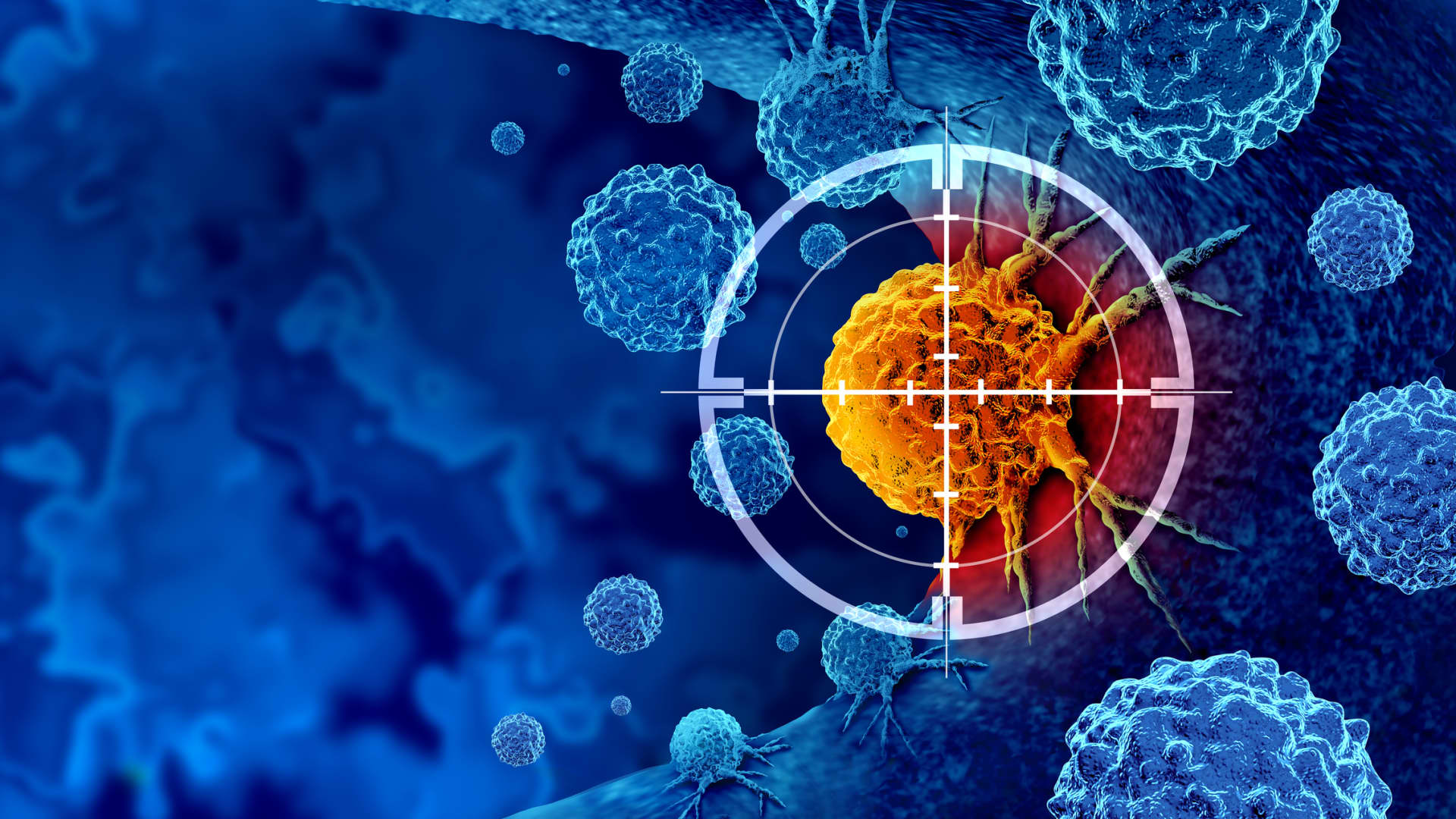
Researchers at the University of Florida have developed a promising experimental mRNA-based vaccine that could lead to a universal cancer vaccine, boosting the immune system to fight various cancers and potentially replacing traditional treatments like surgery and chemotherapy. The vaccine works by stimulating immune responses, including increasing PD-L1 proteins on cancer cells, making tumors more vulnerable to immune attack. While still in early stages and tested in mice, this approach could revolutionize cancer treatment if successful in humans.

Recent science news includes a study showing that an mRNA vaccine can make tumors more responsive to immunotherapy, research indicating dogs' interest in TV varies with personality, a reconstruction of prehistoric ribcages suggesting climate influences evolution, a first observation of the transverse Thompson effect, and a study debunking the old nursery rhyme about children's birth days.
Israeli researchers from Tel Aviv University have developed the world's first mRNA-based vaccine against Yersinia pestis, the bacterium causing bubonic plague, demonstrating 100% protection in animal models and highlighting its potential for preventing deadly bacterial infections and bioterrorism threats.
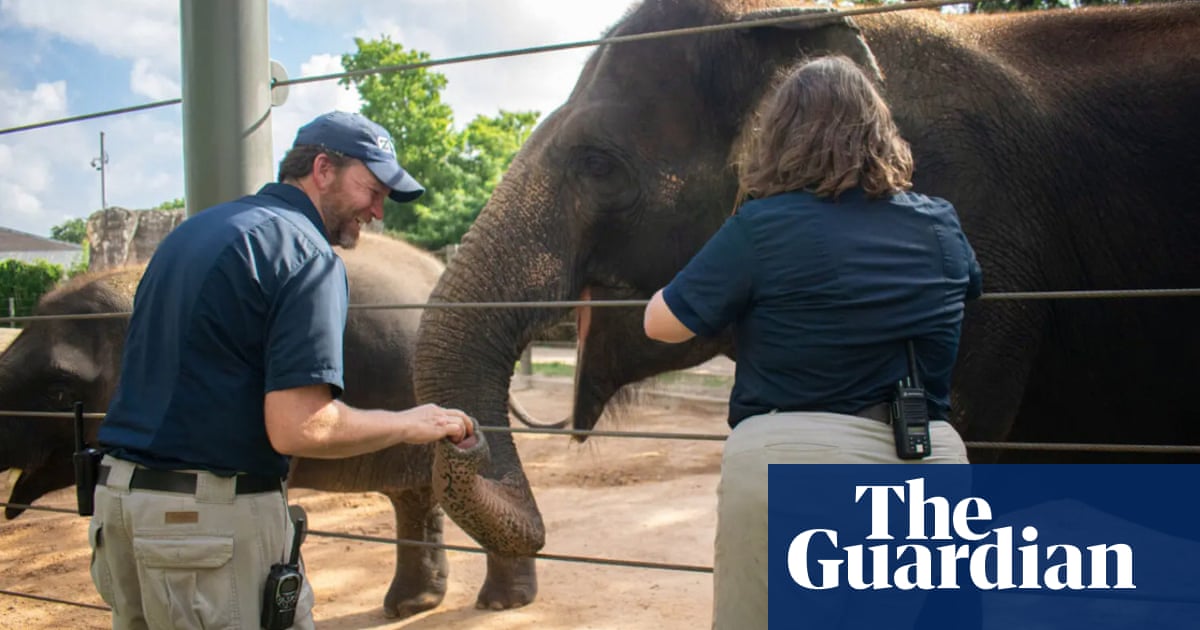
An Asian elephant at Houston Zoo has received the first mRNA vaccine against the deadly elephant endotheliotropic herpesvirus (EEHV), which is a leading cause of death among young Asian elephants in captivity. Developed by Dr. Paul Ling at Baylor College of Medicine, the vaccine aims to boost immunity in young elephants, similar to how Covid-19 vaccines work in humans. The trial vaccine was administered to Tess, a 40-year-old elephant, following a series of juvenile deaths in zoos worldwide. Researchers are monitoring Tess's health and plan to vaccinate more elephants if no side effects are observed.
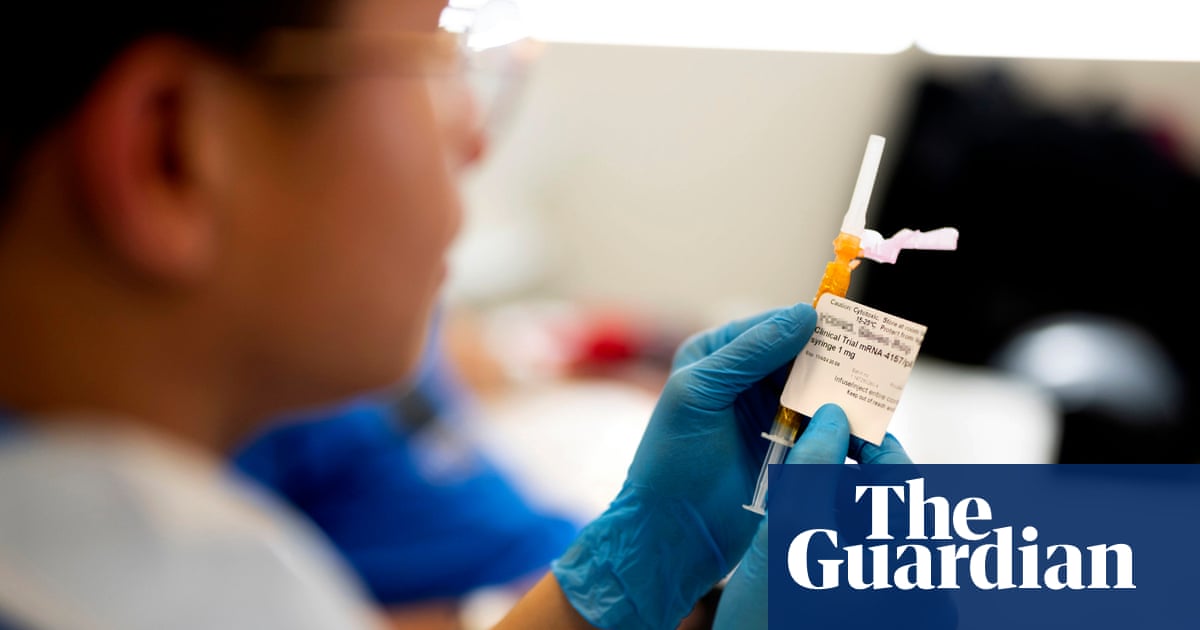
The world's first personalized mRNA cancer vaccine for melanoma, developed by Moderna and Merck, has shown to halve the risk of death or disease recurrence in patients, according to trial results presented at the ASCO annual meeting. The vaccine, used in combination with the immunotherapy Keytruda, demonstrated a 74.8% recurrence-free survival rate over 2.5 years, compared to 55.6% for Keytruda alone. This breakthrough marks a significant advancement in cancer vaccine research, with similar promising results seen in breast cancer trials.

England has launched the Cancer Vaccine Launch Pad, a program to fast-track thousands of cancer patients into clinical trials for personalized mRNA vaccines. The first patient, Elliot Phebve, has already received his shot. The initiative aims to revolutionize cancer treatment by using mRNA technology to create vaccines tailored to individual tumors, potentially improving outcomes and reducing recurrence. The UK government, in partnership with BioNTech, plans to provide precision cancer treatment to 10,000 patients by 2030.

The US government is close to funding a late-stage trial of Moderna's mRNA H5N1 bird flu vaccine, with potential procurement if successful, as the virus spreads among poultry and cattle. Talks with Pfizer for a similar vaccine are ongoing, aiming to bolster the pandemic vaccine stockpile.