Tag

Motor Function

All articles tagged with #motor function

"Nano Motor: A Revolutionary Breakthrough in Miniaturization"

Originally Published 2 years ago — by SciTechDaily

Featured image for "Nano Motor: A Revolutionary Breakthrough in Miniaturization"
Source: SciTechDaily

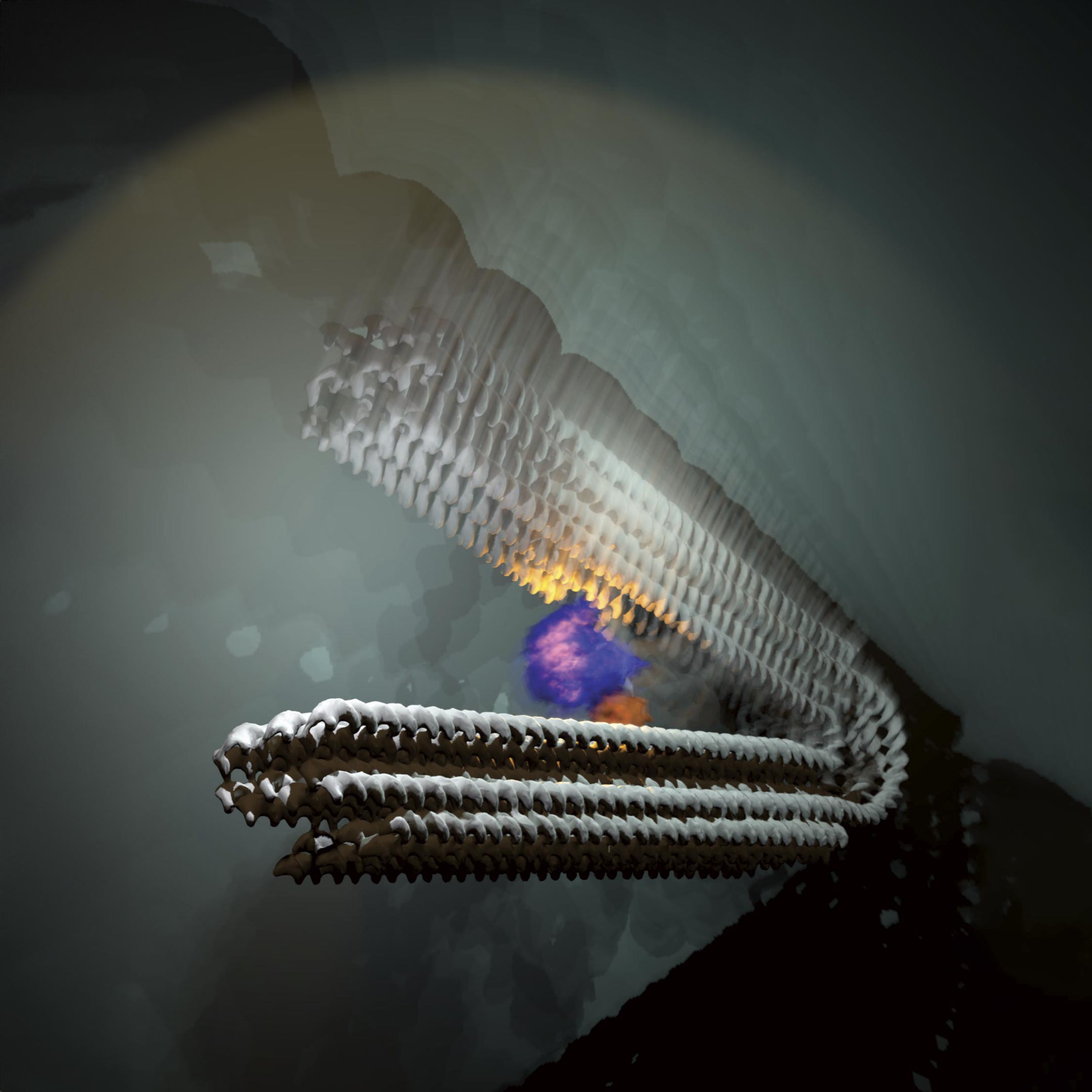
Scientists at the University of Bonn have developed a novel nanomotor that measures just one ten-thousandth of a millimeter. The motor operates using a mechanism similar to a hand grip trainer, where two handles connected by a spring are pulled together by an RNA polymerase and then released, generating pulsing movements. The motor requires nucleotide triphosphates as fuel and can be combined with other structures, potentially leading to the development of complex nanomachines. Further research and optimization are needed before practical applications can be realized.
Breaking Boundaries: Overcoming Paralysis with Spinal Cord Regeneration

Originally Published 2 years ago — by SciTechDaily

Featured image for Breaking Boundaries: Overcoming Paralysis with Spinal Cord Regeneration
Source: SciTechDaily

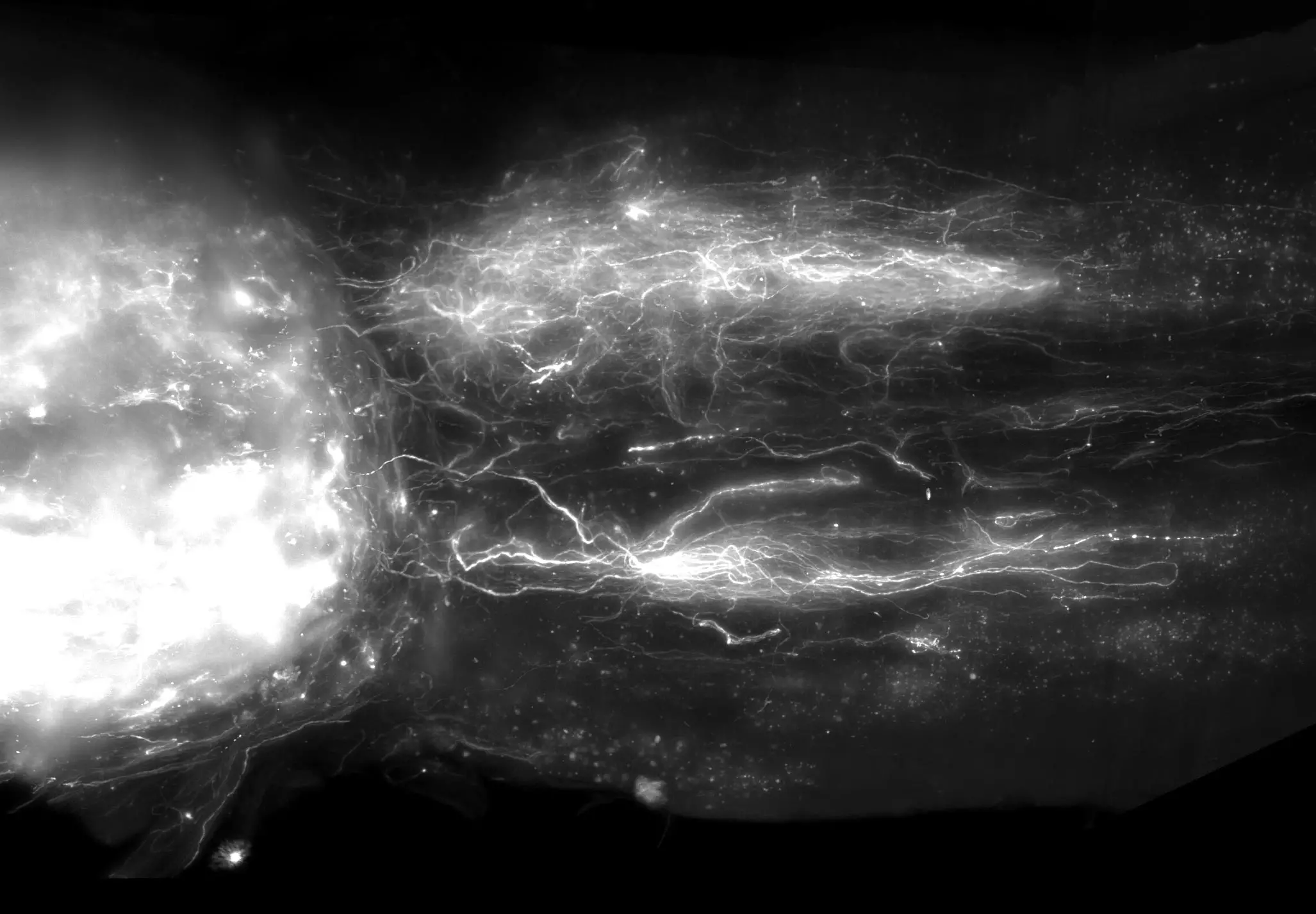
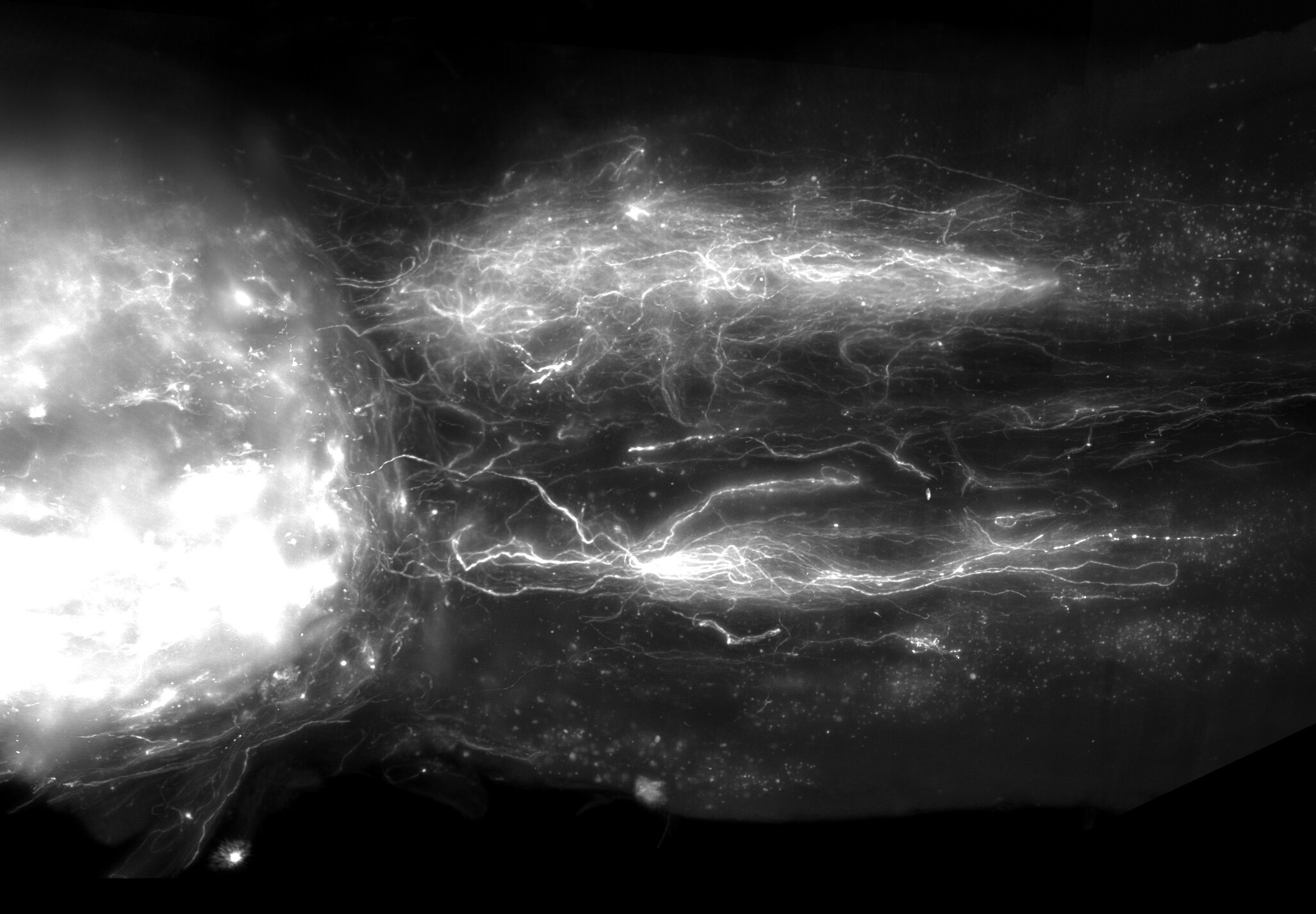
Scientists at .NeuroRestore, Switzerland, have developed a gene therapy that stimulates nerve regrowth and guides nerves to reconnect after spinal cord injuries, leading to the restoration of mobility. By activating growth programs in specific neurons, upregulating proteins, and administering guidance molecules, mice with complete spinal cord injuries regained the ability to walk. The researchers believe that a combination of gene therapy and spinal stimulation could provide a complete solution for treating spinal cord injuries in humans, although further research is needed.

Revolutionary Regeneration: Restoring Mobility through Spinal Cord Regrowth

Originally Published 2 years ago — by Medical Xpress

Featured image for Revolutionary Regeneration: Restoring Mobility through Spinal Cord Regrowth
Source: Medical Xpress

Scientists have discovered that regenerating nerve fibers and reconnecting them to their natural targets is crucial for restoring motor function after complete spinal cord injuries. Using gene therapy, researchers activated growth programs in neurons, upregulated specific proteins, and administered guidance molecules to promote nerve fiber regeneration in mice with complete spinal cord injuries. The mice regained the ability to walk, demonstrating gait patterns similar to those seen in mice with partial injuries. While further research is needed before applying this therapy to humans, it shows promise for future treatments of spinal cord injuries.

Remote Pose-Mapping Technique Revolutionizes Cerebral Palsy Patient Evaluation

Originally Published 2 years ago — by MIT News

Featured image for Remote Pose-Mapping Technique Revolutionizes Cerebral Palsy Patient Evaluation
Source: MIT News

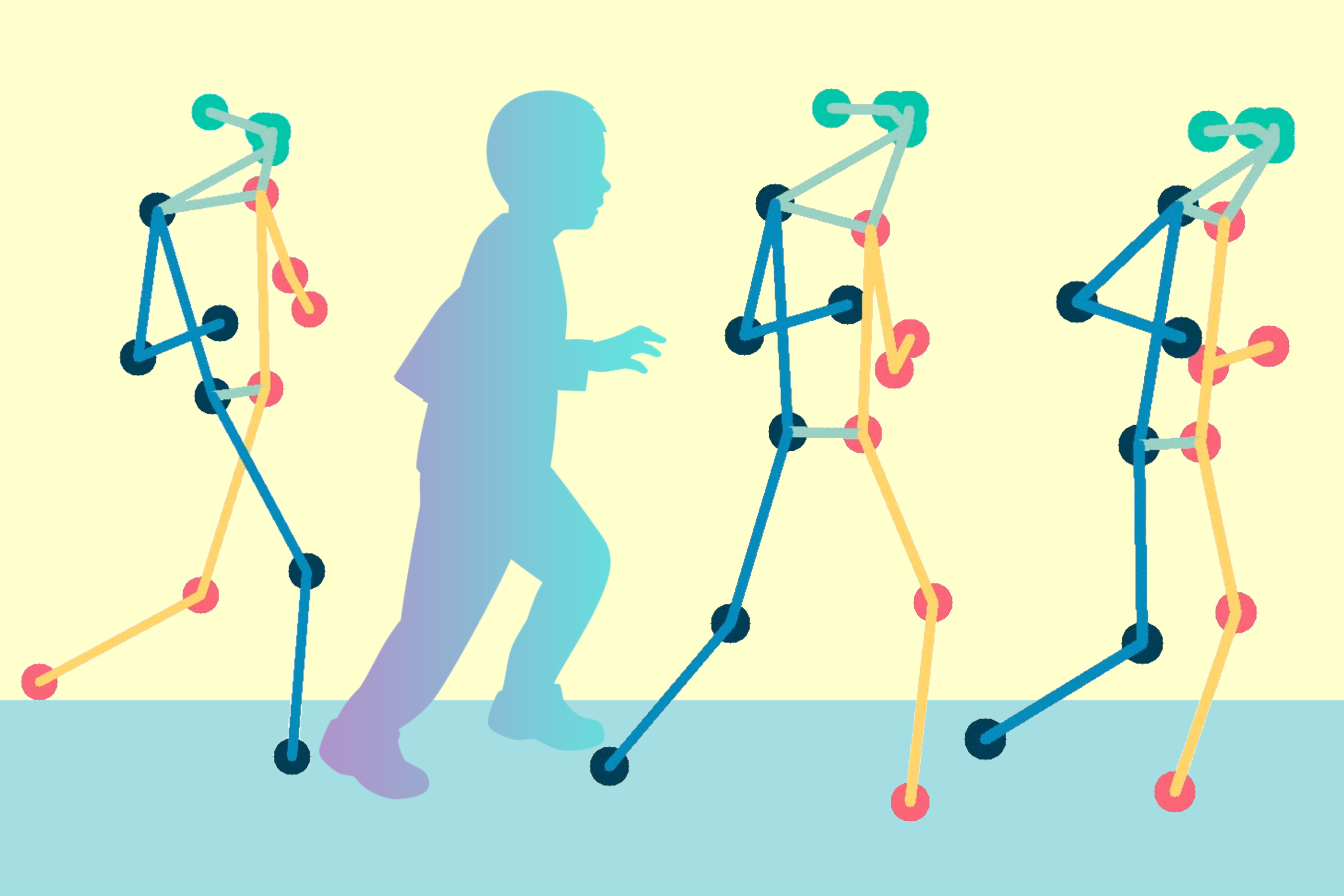
MIT engineers have developed a method that uses computer vision and machine learning to remotely evaluate the motor function of patients, specifically targeting those with cerebral palsy. By analyzing videos of patients in real-time and detecting patterns of poses, the method can assign a clinical score of motor function. The researchers tested the method on over 1,000 children with cerebral palsy and found that it matched with over 70% accuracy what a clinician had determined during an in-person visit. The team envisions that patients can use their mobile devices to record videos of themselves at home, which can then be analyzed and sent to a doctor for review. The method is also being adapted to evaluate other neurological disorders.

"Revolutionary Magnetic Stimulation: Alleviating Parkinson's and Depression"

Originally Published 2 years ago — by Parkinson's News Today

Featured image for "Revolutionary Magnetic Stimulation: Alleviating Parkinson's and Depression"
Source: Parkinson's News Today

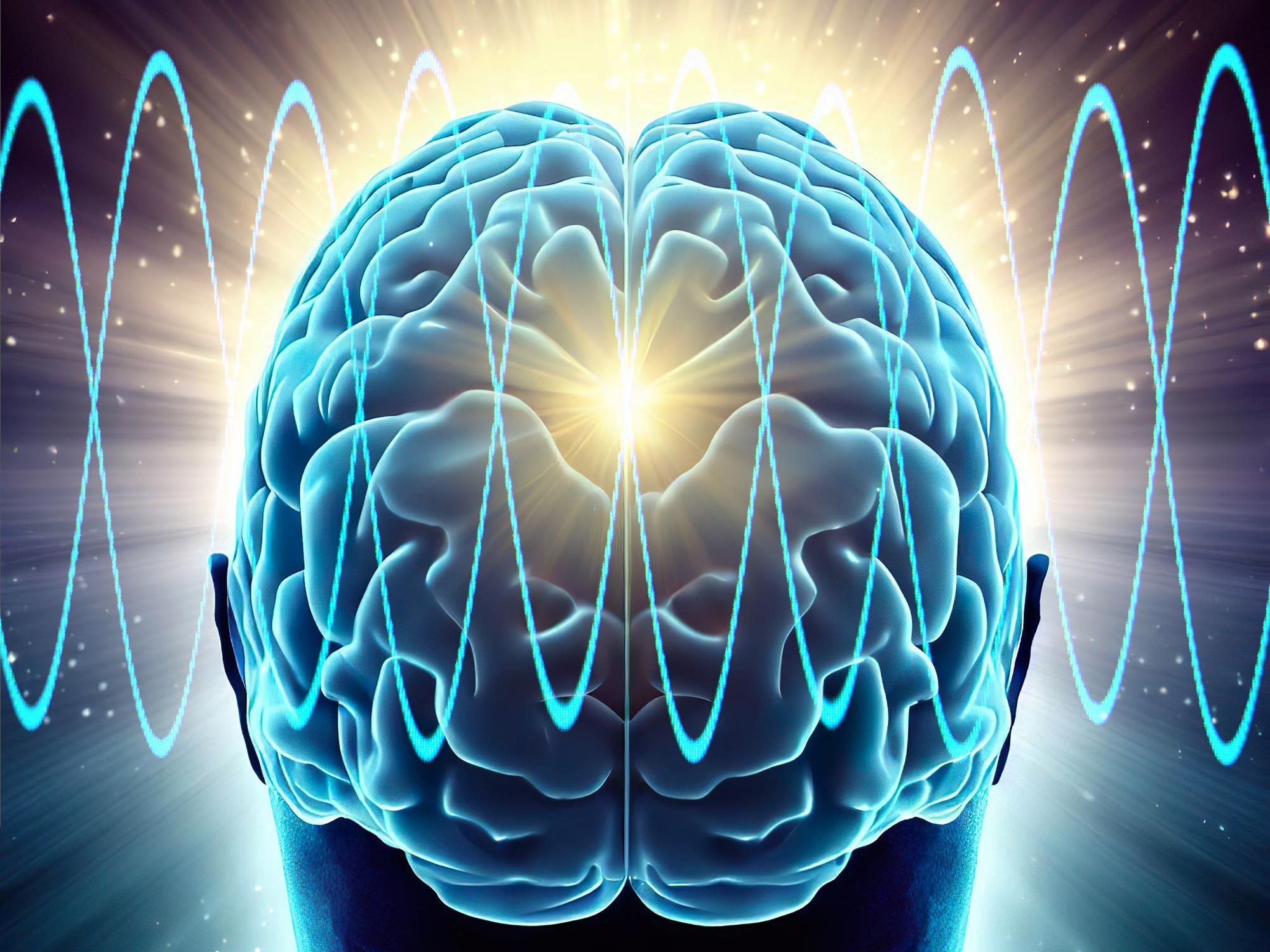
A new study reports that a treatment called low-field magnetic stimulation (LFMS), which uses weak magnetic waves to stimulate the brain, effectively eased symptoms in a mouse model of Parkinson's disease. LFMS has previously shown promise in improving motor and cognitive functions in brain injury models. The researchers hope to conduct a small-scale study in humans to further test the technology's effectiveness. LFMS has the potential to be a complementary treatment that can be used at home by patients themselves.

Promising Results: Deep Brain Stimulation Offers Hope for Stroke Rehabilitation

Originally Published 2 years ago — by National Institutes of Health (.gov)

Featured image for Promising Results: Deep Brain Stimulation Offers Hope for Stroke Rehabilitation
Source: National Institutes of Health (.gov)

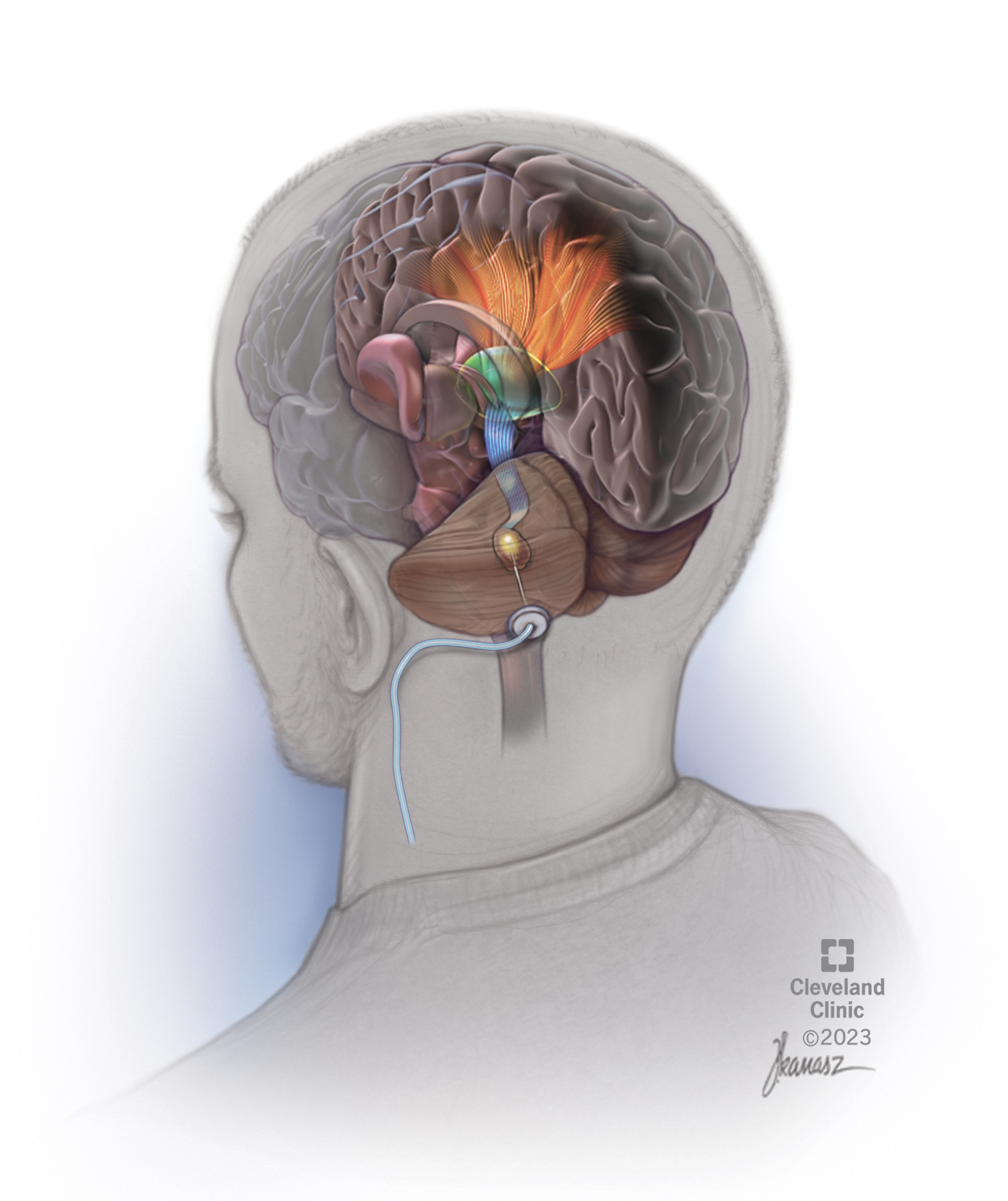
A small clinical trial conducted at the Cleveland Clinic has shown that deep brain stimulation (DBS) applied to the cerebellum may aid in the recovery of upper limb function following a stroke. The trial, supported by the NIH's BRAIN Initiative, involved twelve participants who received DBS to the cerebellum along with physical therapy. The study found that DBS plus physical therapy was safe and potentially effective, with nine out of twelve participants showing improvements in motor function. Larger clinical trials are needed to confirm these findings, but the results suggest that DBS could be a promising treatment for post-stroke motor deficits.

"Discovery: Brain's Nerve Cells Control All Body Movement, Including Breathing"

Originally Published 2 years ago — by Medical Xpress

Featured image for "Discovery: Brain's Nerve Cells Control All Body Movement, Including Breathing"
Source: Medical Xpress

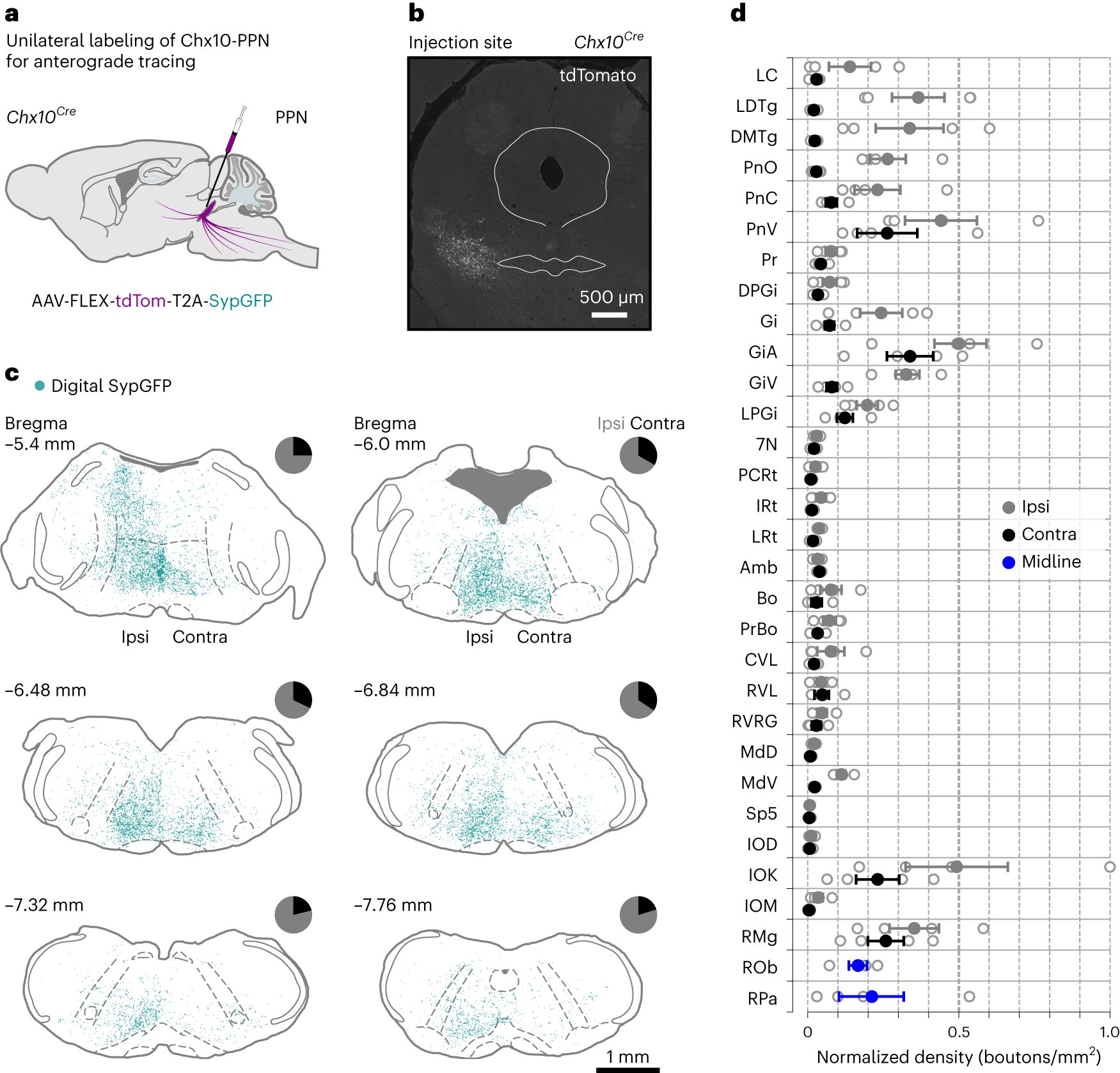
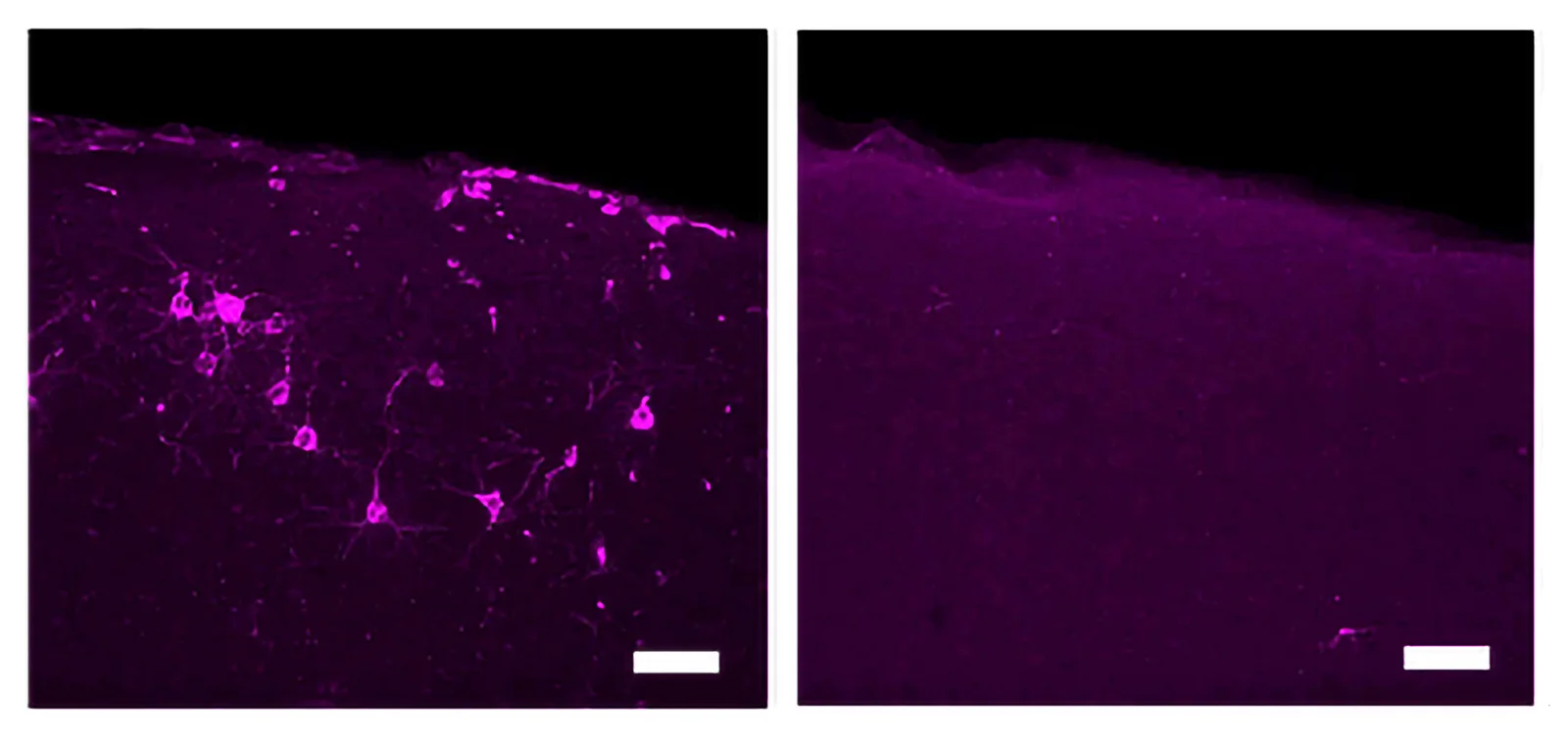
Researchers have discovered a group of nerve cells in the midbrain that, when stimulated, can halt all forms of movement, including breathing and heart rate. These cells, found in the pedunculopontine nucleus (PPN), express a specific molecular marker called Chx10 and are believed to be involved in focused attention rather than fear. The study's findings may contribute to understanding the motor symptoms of Parkinson's disease, as motor arrest or slow movement is a characteristic feature of the condition. The researchers used optogenetics to stimulate these nerve cells in mice and observe their effects on motor function.

Gene Inhibition Extends Motor Function Longevity in C. elegans

Originally Published 2 years ago — by Phys.org

Featured image for Gene Inhibition Extends Motor Function Longevity in C. elegans
Source: Phys.org

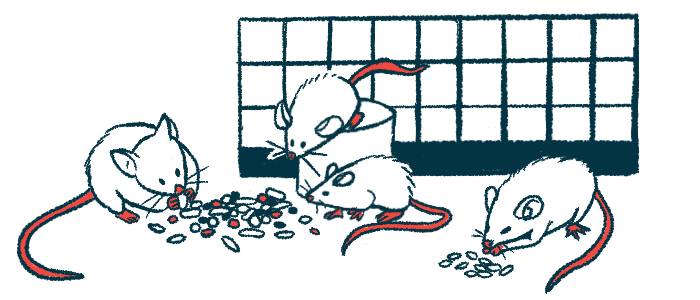
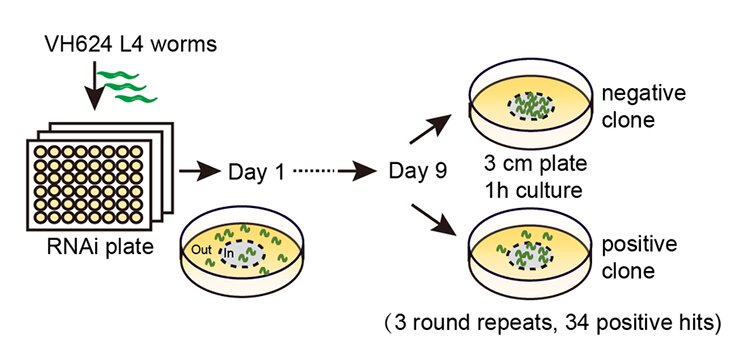
Researchers have identified a single gene, VPS-34, that plays a crucial role in motor aging and could potentially extend healthy human longevity. By inhibiting VPS-34, the researchers observed improved motor function, synaptic transmission, and muscle integrity in both worms and mice. This discovery provides a potential actionable target for delaying motor aging and promoting healthy aging. However, further research is needed to fully understand the implications and potential risks associated with VPS-34 inhibition in different contexts.

40 Hz Tactile Stimulation Shows Promise in Reducing Alzheimer's Symptoms.

Originally Published 2 years ago — by SciTechDaily

Featured image for 40 Hz Tactile Stimulation Shows Promise in Reducing Alzheimer's Symptoms.
Source: SciTechDaily

MIT researchers have found that daily exposure to 40 Hz gamma frequency brain rhythm tactile stimulation improved brain health and motor function in mice and reduced key markers of Alzheimer’s disease, including levels of the hallmark Alzheimer’s protein phosphorylated tau, neural DNA damage, and neuron death. The study reinforces the potential of non-invasive sensory stimulation as a new therapeutic strategy for neurodegenerative diseases.

Tactile Stimulation Shows Promise in Treating Alzheimer's.

Originally Published 2 years ago — by Neuroscience News

Featured image for Tactile Stimulation Shows Promise in Treating Alzheimer's.
Source: Neuroscience News

Tactile stimulation at a frequency of 40 Hz can help in reducing Alzheimer’s disease pathology and symptoms. Alzheimer’s model mice subjected to daily exposure of 40 Hz vibration for several weeks showed improved brain health and motor function compared to untreated controls. The study is the first to show that 40 Hz tactile stimulation can reduce levels of phosphorylated tau, a protein associated with Alzheimer’s, and prevent neuronal death and synaptic loss. The finding could open up new possibilities for non-invasive therapeutic strategies in treating neurodegenerative diseases.

Tactile Stimulation at 40 Hz Reduces Alzheimer's Pathology and Symptoms.

Originally Published 2 years ago — by Medical Xpress

Featured image for Tactile Stimulation at 40 Hz Reduces Alzheimer's Pathology and Symptoms.
Source: Medical Xpress

Non-invasive sensory stimulation of 40 Hz gamma frequency brain rhythms can reduce Alzheimer's disease pathology and symptoms, as shown in mice models. A new study by MIT scientists shows that Alzheimer's model mice exposed to 40 Hz vibration an hour a day for several weeks showed improved brain health and motor function compared to untreated controls. The stimulation can also reduce levels of the hallmark Alzheimer's protein phosphorylated tau, keep neurons from dying or losing their synapse circuit connections, and reduce neural DNA damage.

Neurochemical biomarker linked to motor function loss in ALS.

Originally Published 2 years ago — by ALS News Today

Featured image for Neurochemical biomarker linked to motor function loss in ALS.
Source: ALS News Today

A study has found that a neurochemical called N-acetyl aspartate (NAA) is linked to the loss of motor function in people with amyotrophic lateral sclerosis (ALS). The reduction in NAA levels is associated with the breakdown in communication between the primary motor cortex and other brain regions, occurring before structural changes in the brain. The findings suggest that clinical imaging to detect NAA changes may provide an earlier diagnosis of ALS and be an effective, more sensitive marker of functional changes.