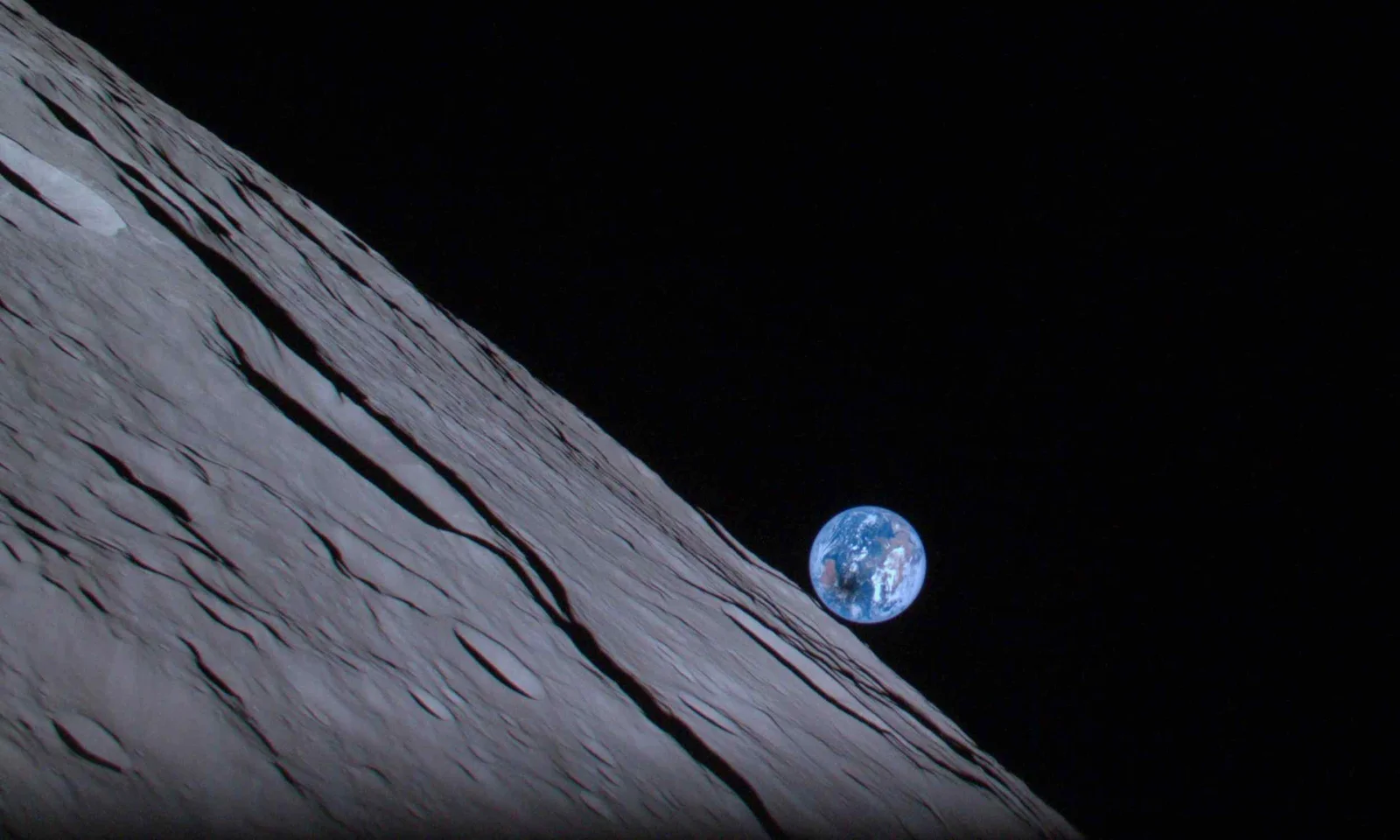
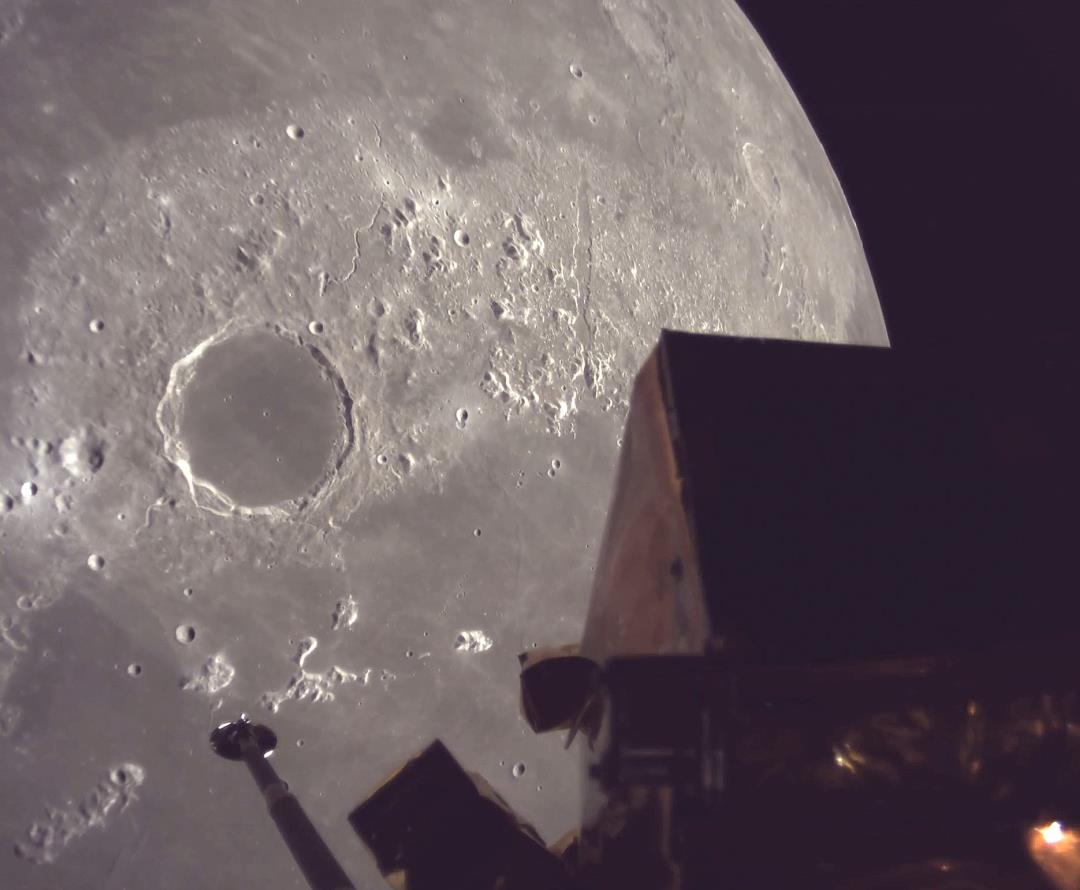
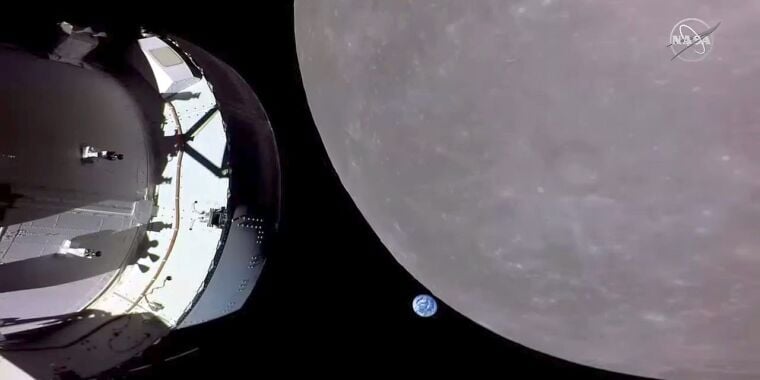
Japanese lunar lander Hakuto-R captured a stunning photo of Earth during a solar eclipse before crashing into the Moon due to a software glitch, highlighting the challenges of lunar landing and providing valuable scientific data for future missions.
Astrobotic has delayed its Griffin-1 Moon lander mission to July 2026, aiming to support NASA's lunar exploration efforts with a new payload, the FLEX rover, after multiple previous delays due to technical and developmental challenges. The mission, launched on a SpaceX Falcon Heavy from Kennedy Space Center, is part of NASA's CLPS program to advance lunar science and exploration.
This Week In Space discusses NASA's efforts to beat China to a human moon landing, the Artemis III contract, SpaceX's launch record, and the broader context of lunar exploration, including upcoming tests and missions, with commentary on Elon Musk's responses and opportunities for model rocket enthusiasts.
NASA's Aerospace Safety Advisory Panel doubts SpaceX's Starship will be ready in time for the 2027 Artemis III lunar landing, citing significant technical and testing challenges, with some estimates suggesting Starship may not be operational until 2032, raising concerns about the timeline for returning humans to the Moon.
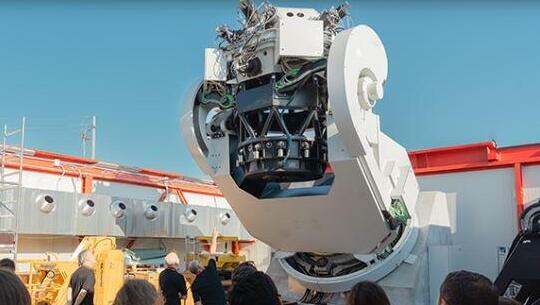
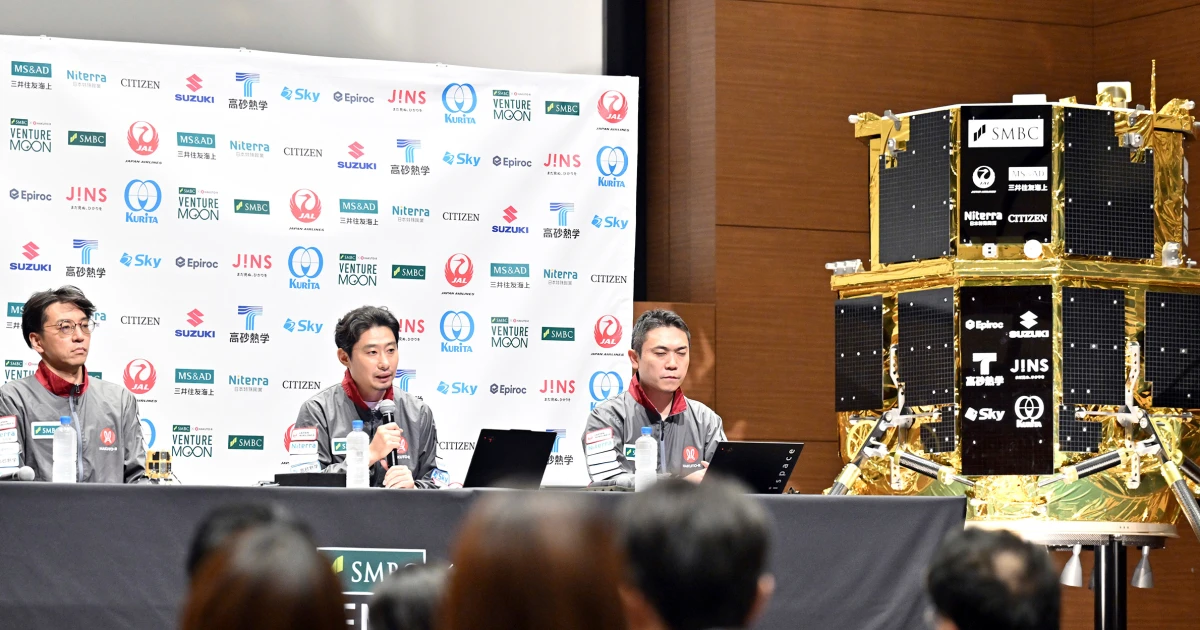
iSpace's lunar lander failed to communicate after a landing attempt on the Moon, marking its second failure, but the company plans future missions. Meanwhile, ESA's FLYEYE telescope has begun operations to detect potentially hazardous asteroids, and new research suggests the Milky Way and Andromeda galaxies might not collide as previously thought, due to gravitational influences and uncertainties in their trajectories.
A Japanese private lunar lander from ispace crashed during its attempt to land on the moon, marking the second failed mission for the company, which aims to advance commercial lunar exploration despite setbacks.
A Japanese private lunar lander from ispace crashed during its attempted touchdown on the moon, marking the second failed mission for the company. Despite technical issues with altitude measurement and a faster-than-expected descent, ispace plans to continue its lunar exploration efforts, aiming for future missions including a larger lander in 2027.
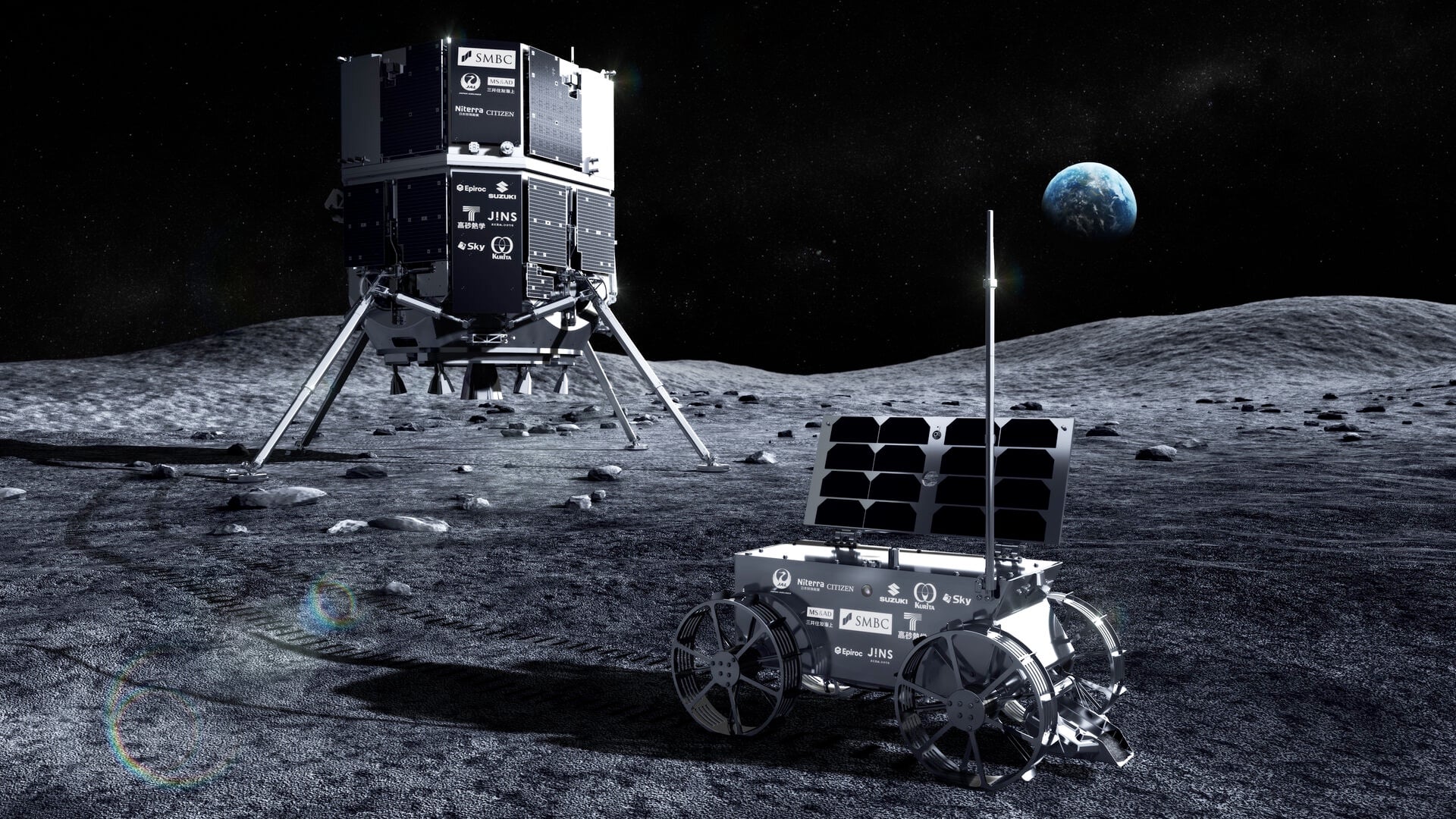
A Japanese private company, ispace, is attempting a lunar landing in the north of the moon with its lander Resilience and a mini-rover named Tenacious, marking a significant step in the growing trend of commercial lunar exploration.
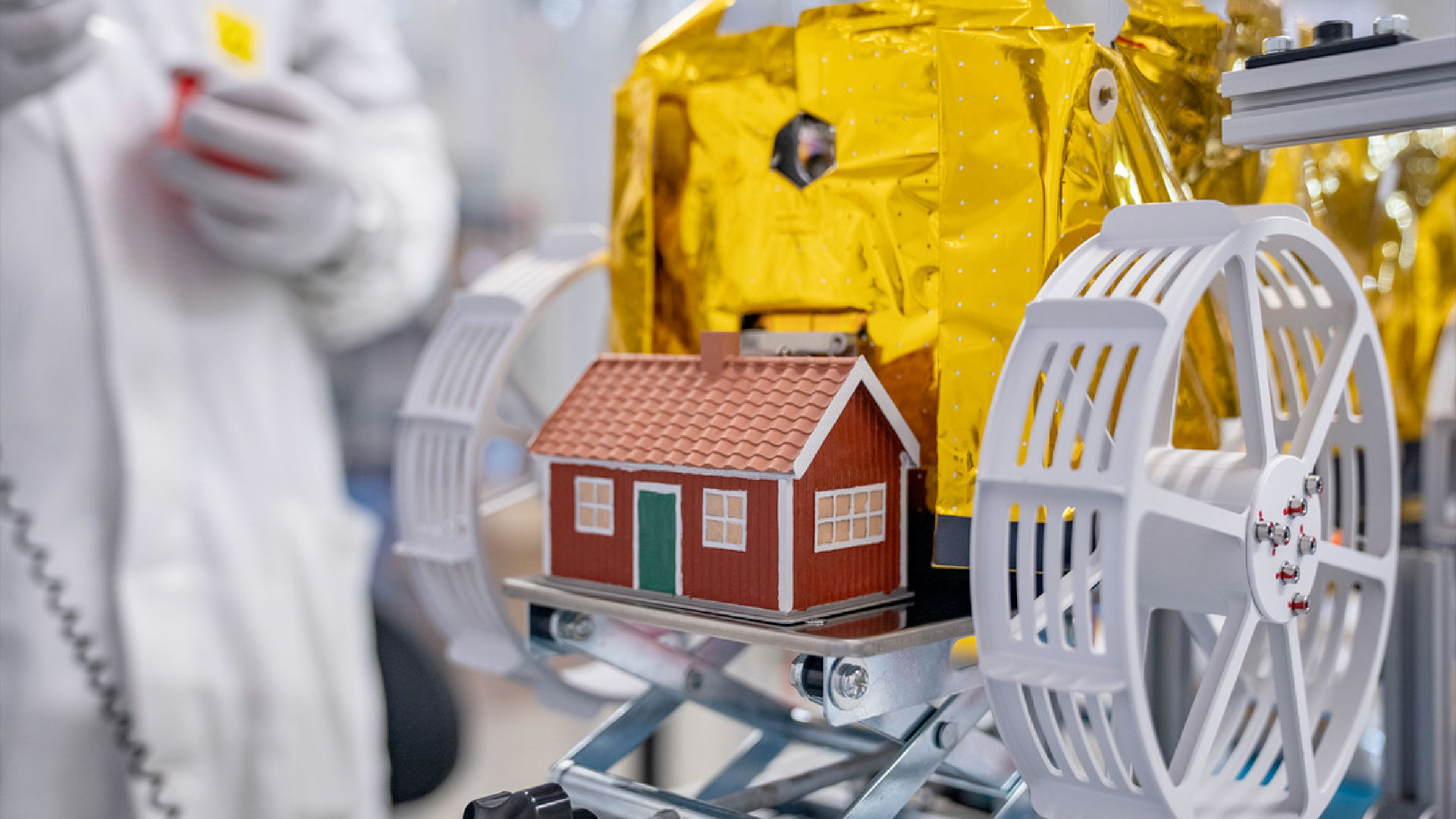
Artist Mikael Genberg's 'Moonhouse,' a small Swedish house replica, is set to land on the moon aboard the Resilience lander, symbolizing human creativity and curiosity, and inspiring global reflection on our relationship with space and home.
Japanese company ispace is preparing for its second lunar landing attempt with the Resilience lander, aiming to land in Mare Frigoris on June 5. The mission includes deploying a small rover and a symbolic model house called Moonhouse, along with various payloads. This follows a previous crash in 2023, with future missions planned for 2027 and beyond, as ispace aims to develop the cislunar economy despite financial challenges.
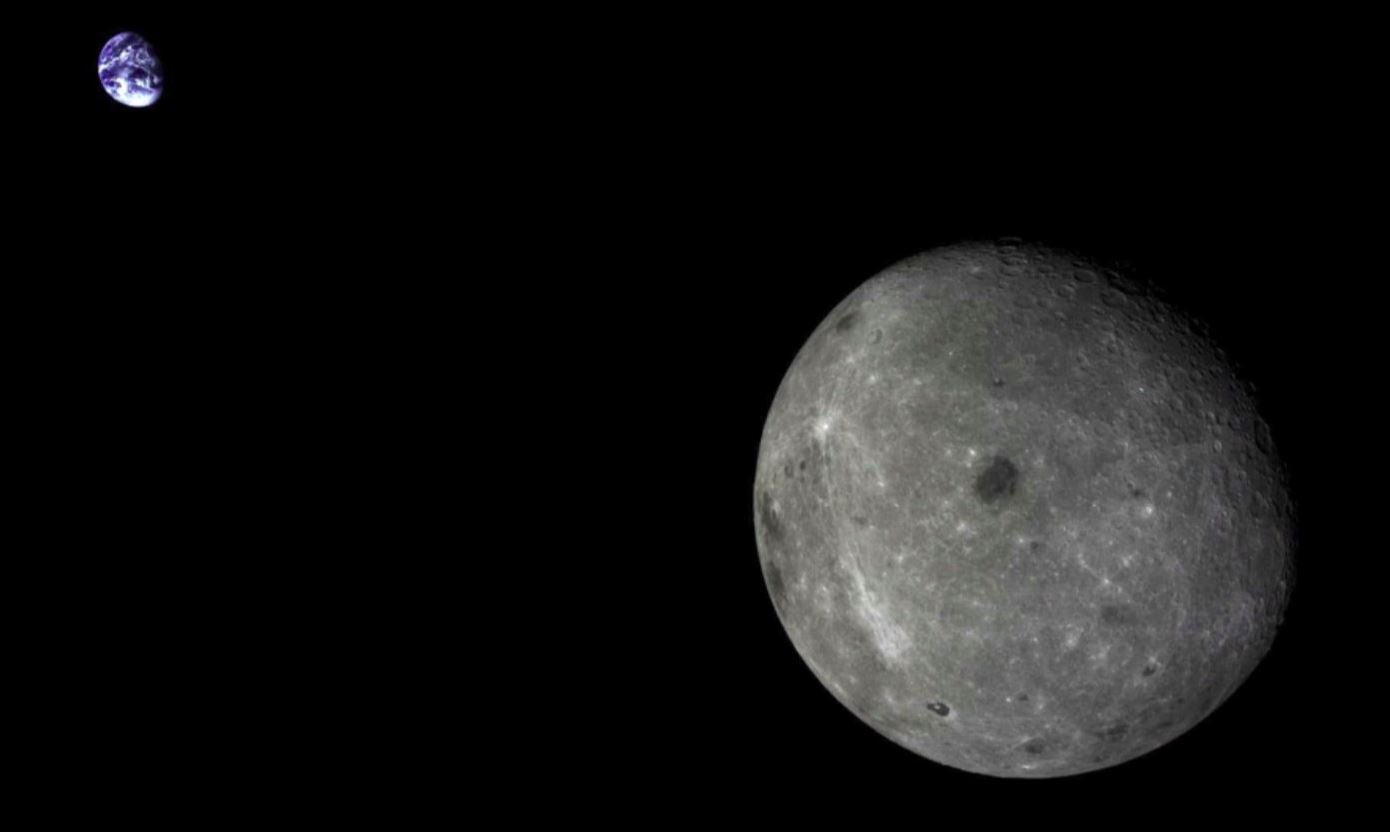
China's Chang’e-6 mission is set to attempt a historic landing on the far side of the moon this weekend to collect samples from the Apollo crater. The mission, which launched on May 3, aims to gather up to 2,000 grams of lunar material for scientific analysis, with the samples expected to return to Earth around June 25. The mission is supported by international collaborations and is part of China's broader lunar exploration goals, including future missions and the establishment of a permanent lunar base.
NASA is considering modifying its Artemis plan to land astronauts on the Moon, with options including a rendezvous in low-Earth orbit between the Orion spacecraft and a Starship vehicle launched by SpaceX, or a mission to a small space station near the Moon. Concerns about hardware readiness and mission complexity have prompted these considerations, as the planned September 2026 lunar landing seems unrealistic due to issues with the lack of a lander and spacesuits. NASA is evaluating these options to mitigate risks and ensure crew safety.
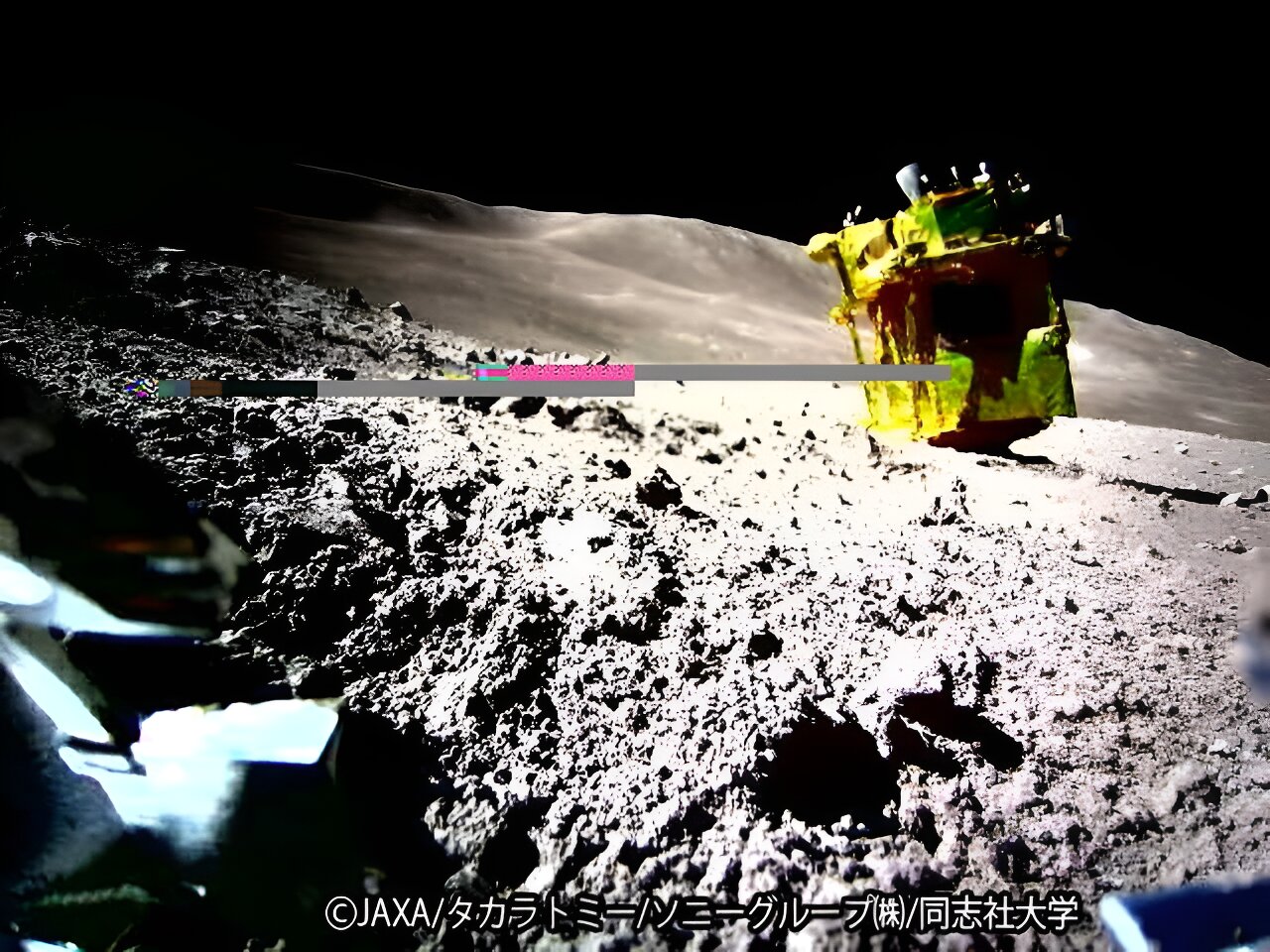
Japan's moon lander, the Smart Lander for Investigating Moon (SLIM), has survived a second lunar night and transmitted new images back to Earth, despite landing at a wonky angle that left its solar panels facing the wrong way. The Japan Aerospace Exploration Agency (JAXA) announced the probe's surprise awakening and shared images of the lunar surface. This success comes after a string of high-profile failures in Japan's space missions, making SLIM's survival a cause for celebration for the space agency.
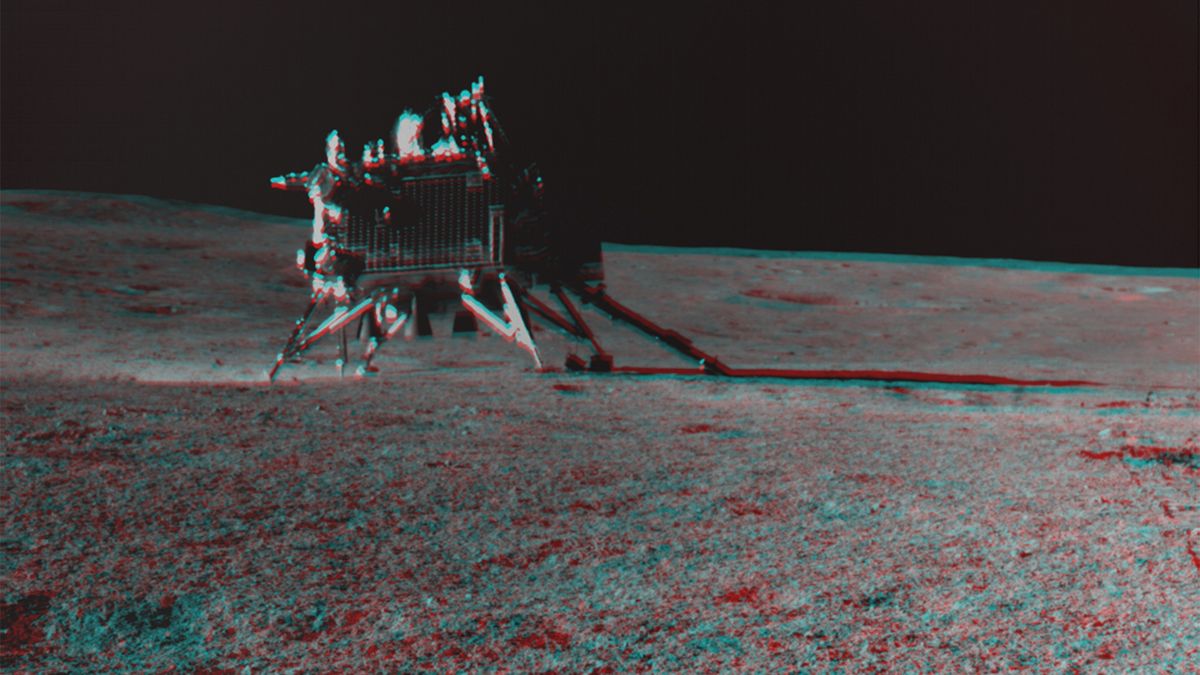
India's Chandrayaan-3 spacecraft's unique engine configuration resulted in minimal disturbance of moon dust during its historic landing near the moon's south pole, allowing for clear views of the landing region and safer touchdown. The spacecraft's cameras captured images that helped it avoid hazardous craters, and the mission achieved several milestones before succumbing to frigid lunar night temperatures. The Chandrayaan-3 team is still analyzing data on the dust plume and plans to make it public in two months, while India is already planning its next moon mission, Chandrayaan-4, tentatively scheduled for 2028 with the goal of bringing moon rocks to Earth.
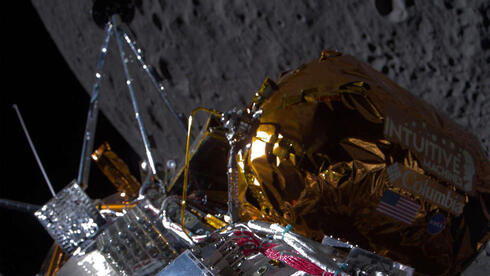
The American company Intuitive Machines' "Odysseus" lander is attempting to make history by completing the first soft landing of a commercial spacecraft on the moon, carrying instruments and experiments by NASA as well as private payloads. Meanwhile, the international company Astroscale, with a development center in Israel, has launched the first satellite designed for monitoring space debris, aiming to remove old satellites and debris remnants from Earth's orbit. Additionally, researchers have identified the brightest celestial body in the universe, a quasar with a black hole 17 billion times the mass of our Sun, offering a glimpse into the early universe.