Tag

Lung Health

All articles tagged with #lung health

health2 months ago

Expert Tips to Reverse Lung Damage from Pollution and Smoking

Dr. Gurmeet Singh Chabbra emphasizes that while some lung damage from smoking and pollution may be irreversible, lifestyle changes such as quitting smoking, exercising, improving indoor air quality, eating antioxidant-rich foods, staying hydrated, practicing breathing exercises, and getting vaccinated can help restore lung function and prevent further harm.

science6 months ago

Moon Dust Less Harmful to Lungs Than Urban Air Pollution

A study by the University of Technology Sydney found that moon dust is less toxic to human lungs than urban air pollution, suggesting it may not cause long-term respiratory damage, unlike silica dust. Despite its abrasiveness, moon dust's toxicity is minimal, which could benefit future lunar missions like NASA's Artemis program, aiming for a sustained human presence on the Moon.

health1 year ago

Revolutionary Asthma Treatment Emerges After 50 Years

A new treatment using the monoclonal antibody benralizumab has shown significant promise in managing severe asthma and COPD attacks, marking the first major breakthrough in 50 years. The treatment, which involves a higher single dose injection during flare-ups, was found to be more effective than traditional steroid tablets, reducing the need for further treatment by 30% and improving patients' quality of life. This advancement could transform care for millions worldwide, offering a safer alternative with fewer side effects than steroids.

health1 year ago

Key Vitamin May Alleviate Deadly Lung Condition Symptoms

A study from Copenhagen suggests that high doses of vitamin B3, specifically nicotinamide riboside, can significantly reduce lung inflammation in patients with chronic obstructive pulmonary disease (COPD). This form of vitamin B3 is converted into NAD+, a molecule that may enhance the immune system, which is often weakened in COPD patients. While the study shows promise for improving symptoms, experts caution against self-medication due to potential side effects and emphasize the need for further research. COPD affects 1.2 million people in Britain, with cases expected to rise.

health1 year ago

Berry Vape Flavors Linked to Lung Cell Damage, Study Finds

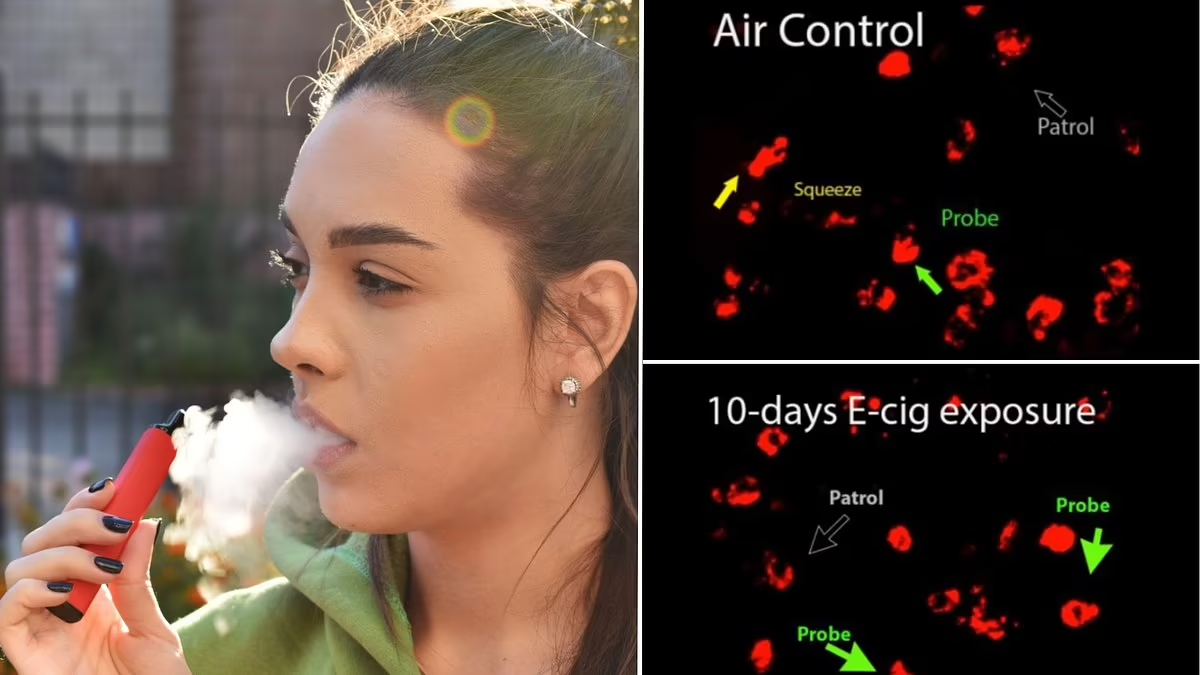
A study by McGill University researchers has found that berry-flavoured e-cigarettes can significantly impair lung immune cells, specifically alveolar macrophages, in mice, making them less effective at clearing bacteria and potentially leading to severe respiratory issues. The study highlights that complex vape flavours, like berry, may pose greater health risks compared to flavourless or menthol vapes. While the research was conducted on mice, it raises concerns about the safety of flavoured e-cigarettes, especially those marketed towards young people.

health-science2 years ago

"Role of a Key Protein in Lung Tissue Damage from Nicotine-Free Vapes"

A study from Anglia Ruskin University reveals that nicotine-free e-cigarettes can still cause oxidative stress, inflammation, and blood vessel breakdown in human lung tissue cells, similar to nicotine-containing e-cigarettes. The absence of nicotine doesn't necessarily make the vapes safer for lung tissue, as an abundance of the protein ARF6 in nicotine-free vapes is found to be responsible for lung tissue damage. The study highlights the need for further investigation into the potential development of lung injury from vaping, especially in relation to Acute Respiratory Distress Syndrome (ARDS). With concerns rising about the health consequences of vaping, particularly among young teenagers, research into its health impact is still in its early stages.

health2 years ago

Unraveling the Link: Diabetes and Increased Vulnerability to Respiratory Infections

Diabetes, both type 1 and type 2, increases susceptibility to respiratory viral infections such as influenza and SARS-CoV-2. A study in mice found that hyperglycemia impairs lung antiviral immunity, leading to delayed viral clearance and increased mortality. The impaired immune response was characterized by reduced numbers of lung CD4+ and CD8+ T cells, B cells, and dendritic cells (DCs), as well as lower antibody production. Insulin-mediated glucose lowering reversed these effects, highlighting the importance of glucose control in preventing severe viral lung disease in individuals with diabetes.

health2 years ago

"Breathing Better: The Power of Vaccination, Air Filters, and Heart-Healthy Diet"

As you age, changes to your bones, muscles, and lung tissue can compromise your lungs, leading to shortness of breath and increased infection risk. Exposure to air pollutants and heart failure can also affect lung health. To protect your lungs, avoid pollution, wear an N95 mask when exposed to irritants, and improve indoor air quality with hoods, safer cleaning products, and air purifiers. Following a heart-healthy Mediterranean diet and consuming antioxidant-rich foods can promote lung function and support the immune system. Additionally, getting vaccinated against pneumonia, COVID-19, and influenza can help protect against diseases that can damage the lungs.

health-and-wellness2 years ago

"Protecting Your Health: Essential Tips for Combating Air Pollution"

As air pollution levels rise during the transition from summer to winter, deep breathing exercises can help combat the harmful effects on the respiratory system. Yoga expert Nisha Dhawan suggests three simple breathing exercises: Anulom Vilom pranayam, Kapalbhati, and Bhastrika. These exercises aid in detoxification, increase oxygen levels, improve lung capacity, and promote relaxation. However, individuals with specific medical conditions should consult their doctor before starting any new breathing exercises.

health2 years ago

Effective Immune Treatment for COPD Patients: Promising Results in Smoking Cessation

Researchers have found that blocking type 2 inflammation, characterized by high levels of eosinophil cells, can improve lung health in individuals with chronic obstructive pulmonary disease (COPD). COPD is a common lung disease caused by smoking and other pollutants, and it is associated with persistent inflammation that can lead to respiratory failure and exacerbations. By reducing inflammation, the frequency and severity of exacerbations can be decreased, potentially improving outcomes for COPD patients.