Tag

Glial Cells

All articles tagged with #glial cells

health1 year ago

Glial Cells Linked to Mental Health Disorders

Recent research underscores the significant role of glial cells, particularly astrocytes, in mental health conditions like depression and schizophrenia. These cells, once thought to merely support neurons, communicate through calcium signaling, influencing neuronal function and stress responses. New technologies allow scientists to convert skin cells into glial cells, enabling personalized study and treatment of psychiatric disorders. This shift from symptom-based to mechanism-based psychiatry could lead to more tailored therapies.

health2 years ago

"The Gut-Brain Connection: Unraveling the Body's 'Second Brain'"

The gut's enteric nervous system, often referred to as the "second brain," is composed of glial cells that play diverse and crucial roles in digestion, nutrient absorption, and immune responses. Recent research has identified multiple subtypes of enteric glia, shedding light on their involvement in gastrointestinal disorders and pain symptoms. Glial cells have been found to sense physical forces and communicate with other gut cells, making them potential targets for treatments of gut disorders. Understanding the complex roles of enteric glia could lead to new insights and treatments for a variety of gastrointestinal diseases.

neuroscience2 years ago

The Role of Cerebellar Glia in Aggression

Interactions between neurons and glial cells in the cerebellum, specifically the Bergmann glial cells in the cerebellar vermis, have been found to significantly influence aggression levels in mice. Using fiber photometry, researchers observed that changes in intracellular calcium levels in cerebellar glia correlated with dominance in mouse fights. This study highlights the potential therapeutic strategies targeting cerebellar glia for managing anger and aggression, offering hope for new treatments in human behavioral disorders.

health2 years ago

"Unveiling the Role of Enteric Glia in Gut Health and Inflammation"

Glial cells, a type of cell in the gut's "second brain," have been found to play a crucial role in gut health. These cells can sense physical forces and trigger muscular contractions, contributing to digestion. There are multiple subtypes of glial cells in the gut, and dysfunction in these cells has been linked to gastrointestinal disorders and diseases such as ulcerative colitis and Crohn's disease. Glial cells also communicate with the microbiome, immune cells, and other gut cells, and their dysfunction can weaken the intestinal barrier and lead to inappropriate immune responses. Targeting glial cells could potentially alleviate pain caused by inflammatory disorders of the gut.

health2 years ago

The Link Between High-Sugar Diets and Brain Decline

A study conducted on fruit flies has revealed that a high-sugar diet, commonly associated with obesity, can lead to insulin resistance in the brain, impairing the ability of glial cells to clear neuronal debris. This impaired debris-clearing process is crucial for preventing neurodegenerative diseases like Alzheimer's. The study found that the sugar-rich diet decreased the levels of the PI3k protein in glial cells and the Draper protein in ensheathing glia, hindering their ability to remove neuronal debris. These findings provide new insights into the connection between diet-induced insulin resistance and the increased risk of neurodegenerative diseases, offering potential avenues for preventive therapies.

health2 years ago

The Connection Between Obesity, Insulin, and Brain Health

Researchers have discovered a link between obesity and neurodegenerative disorders like Alzheimer's disease. Using fruit flies, the study found that a high-sugar diet causes insulin resistance in the brain, impairing the ability to remove neuronal debris and increasing the risk of neurodegeneration. The findings shed light on how obesity-inducing diets may contribute to the development of neurodegenerative diseases.

neuroscience2 years ago

Stem Cell Breakthrough: Replacing Diseased Brain Cells for Healthier Ones

Transplanted healthy glial cells have been found to outcompete and replace diseased or aged brain cells, offering potential for restoring normal brain function and treating neurodegenerative diseases. The study, conducted on humanized mouse brains, demonstrated that healthy glial cells can replace both diseased and aged cells, paving the way for clinical trials on diseases such as Huntington's, ALS, and genetic schizophrenia within the next two years.

medical-research2 years ago

Advancements in XPro1595 and AI Biosensor for Neurodegenerative Disease Detection

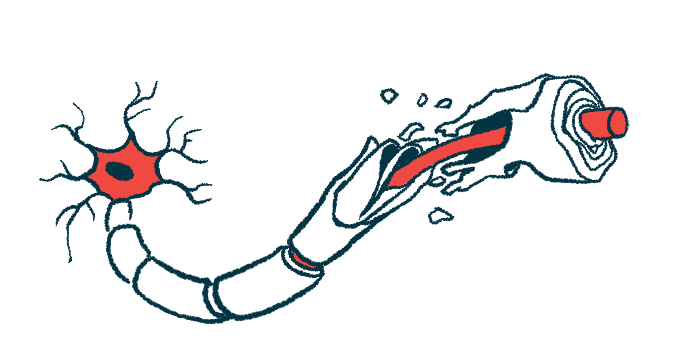
INmune Bio's experimental therapy XPro1595 has shown potential in promoting myelin restoration by activating microglia and astrocytes, contrary to the belief that reduced activation of these glial cells is necessary for nervous system repair. The therapy, which selectively blocks a form of tumor necrosis factor (TNF), has demonstrated remyelinating effects in a mouse model of myelin loss. The findings may lead to novel treatment strategies for multiple sclerosis and other neurodegenerative disorders.

health2 years ago

Reviving Dormant Cells in Retina for Vision Regeneration

Researchers at the Université de Montréal have discovered a new way to potentially restore vision in patients suffering from degenerative retinal disease. The approach uses two genes to transform Müller cells into retinal neurons, offering new hope for developing regenerative therapies that could replace lost cells in retinal degeneration. This technique circumvents the need for transplantation and could ultimately be used to replace cells lost in retinal degeneration.