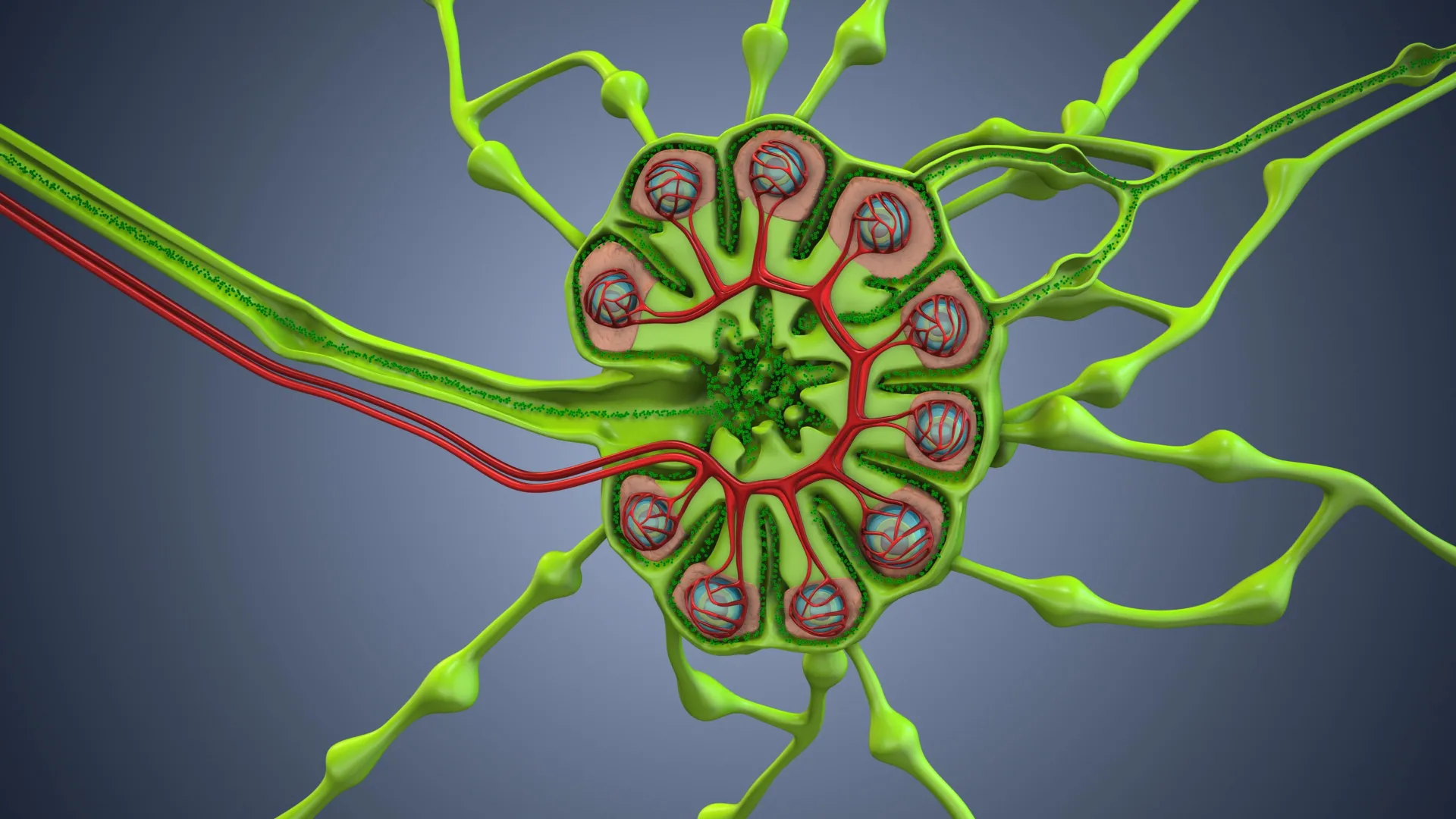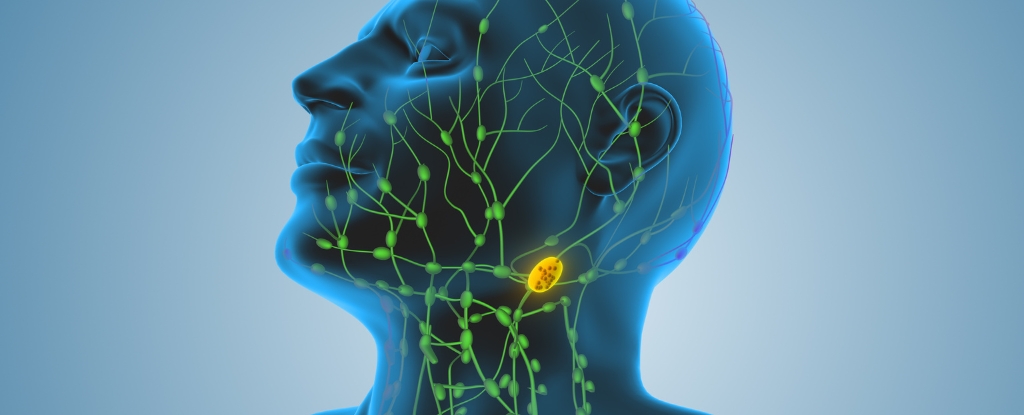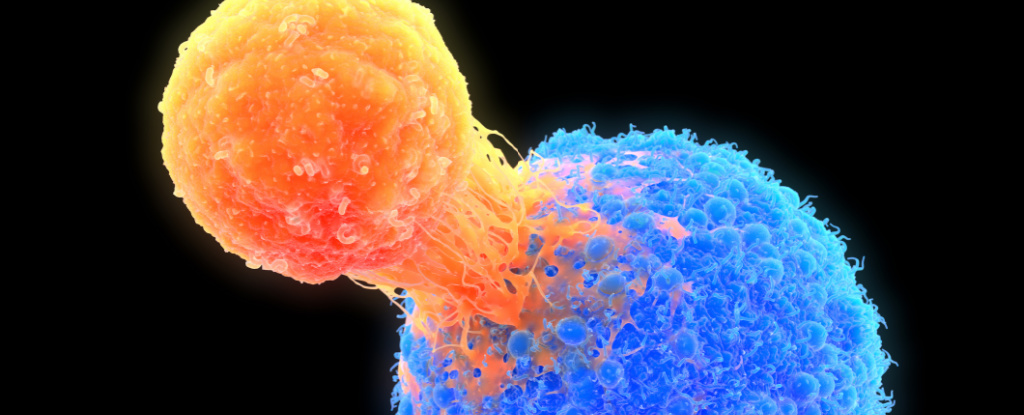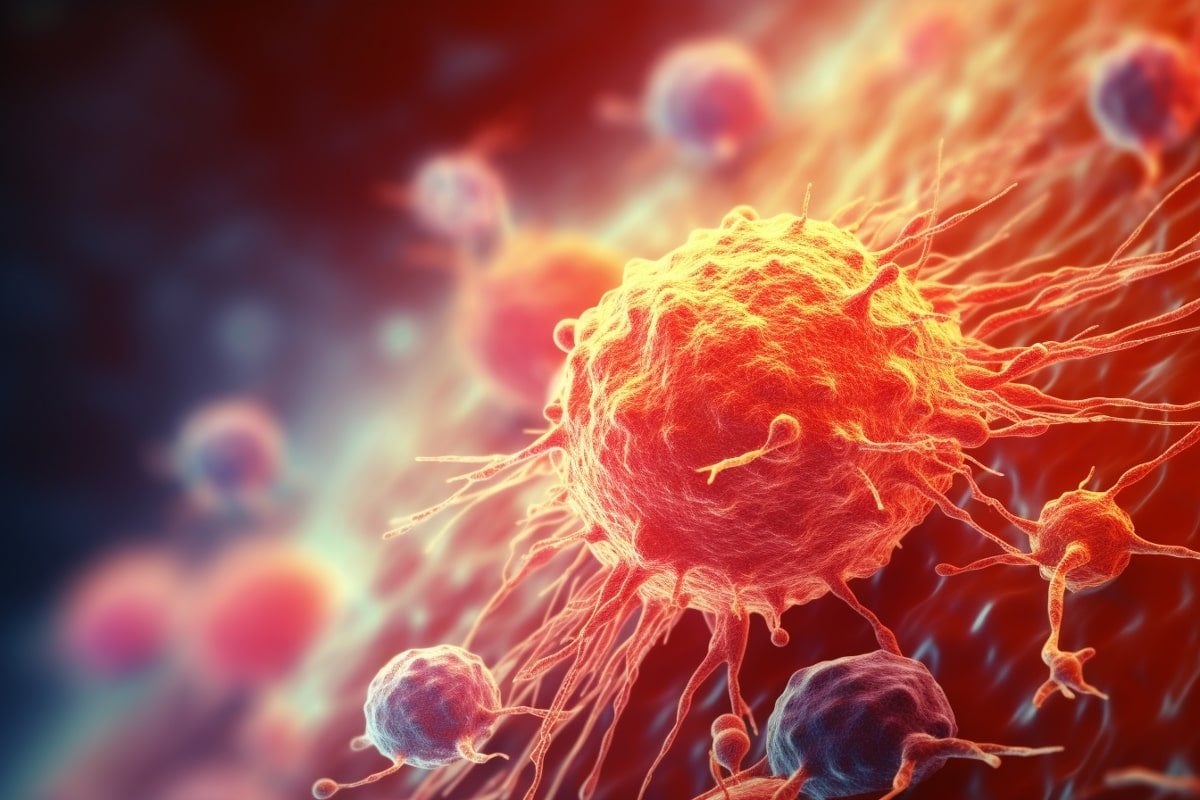
Research from the Doherty Institute reveals that lymph nodes play a crucial role in training immune cells to fight cancer, suggesting that removing them during surgery might weaken immunotherapy effectiveness. Preserving lymph nodes could enhance immune responses and improve treatment outcomes for cancer patients.
Recent research suggests that removing lymph nodes during cancer surgery may weaken the body's long-term immune response, challenging the traditional approach of extensive lymph node removal. While lymph nodes are crucial for staging and preventing cancer spread, they also play an active role in immune defense, especially in supporting immune cells like CD8 positive T cells. New findings advocate for more personalized, targeted surgeries that preserve immune hubs, potentially improving long-term outcomes and immune health, though the practice remains complex and context-dependent.
An oncologist explains that swollen lymph nodes are usually caused by infections or inflammation and are not necessarily a sign of cancer, addressing common concerns about cancer symptoms.
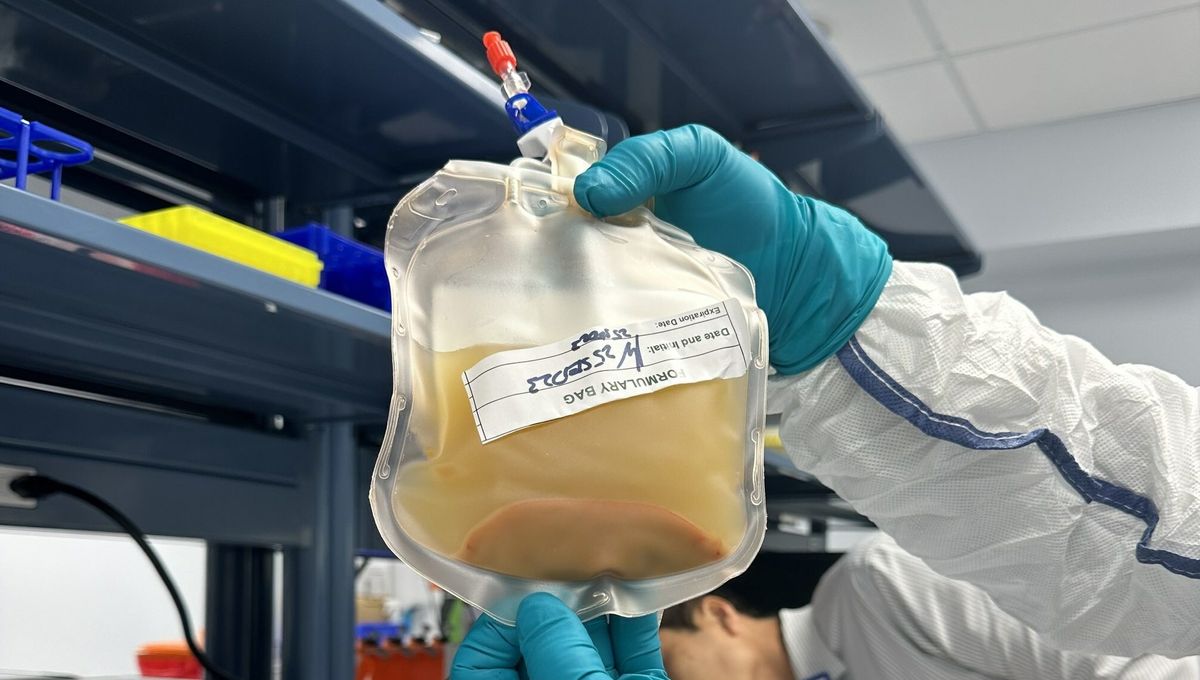
A world-first human trial has begun for a treatment that aims to use lymph nodes as living bioreactors to regenerate miniature livers, potentially reducing the need for liver transplants. The therapy involves injecting healthy liver cells from donated livers into the lymph nodes, where they are expected to grow and develop blood vessels. If successful, this regenerative cell therapy could significantly impact the treatment of end-stage liver disease and help alleviate the shortage of donor livers.
Scientists have made a breakthrough in cancer research by discovering that tumours trick the immune system's lymph nodes into not recognizing their danger. By injecting mice with artificial genetic code similar to that of the flu virus, the lymph nodes reacted more aggressively to the cancer. This finding raises hopes that a similar injection could help human cancer patients fight the disease more effectively. Additionally, researchers are developing a blood test to detect brain tumours at home, potentially allowing for quicker treatment and improved outcomes.
The human immune system consists of approximately 1.8 trillion cells, collectively weighing about 1.2 kilograms or 2.6 pounds, which is roughly the same weight as a pineapple. Researchers from the Weizmann Institute of Science in Israel conducted a comprehensive study to estimate the distribution and mass of immune cells in the human body. They found that the lymphatic system and bone marrow house the majority of immune cells, while the gastrointestinal tract contains only a small percentage. The study provides insights into the composition and organization of the immune system, shedding light on the largest reservoirs of immune cells and their implications for health and disease.
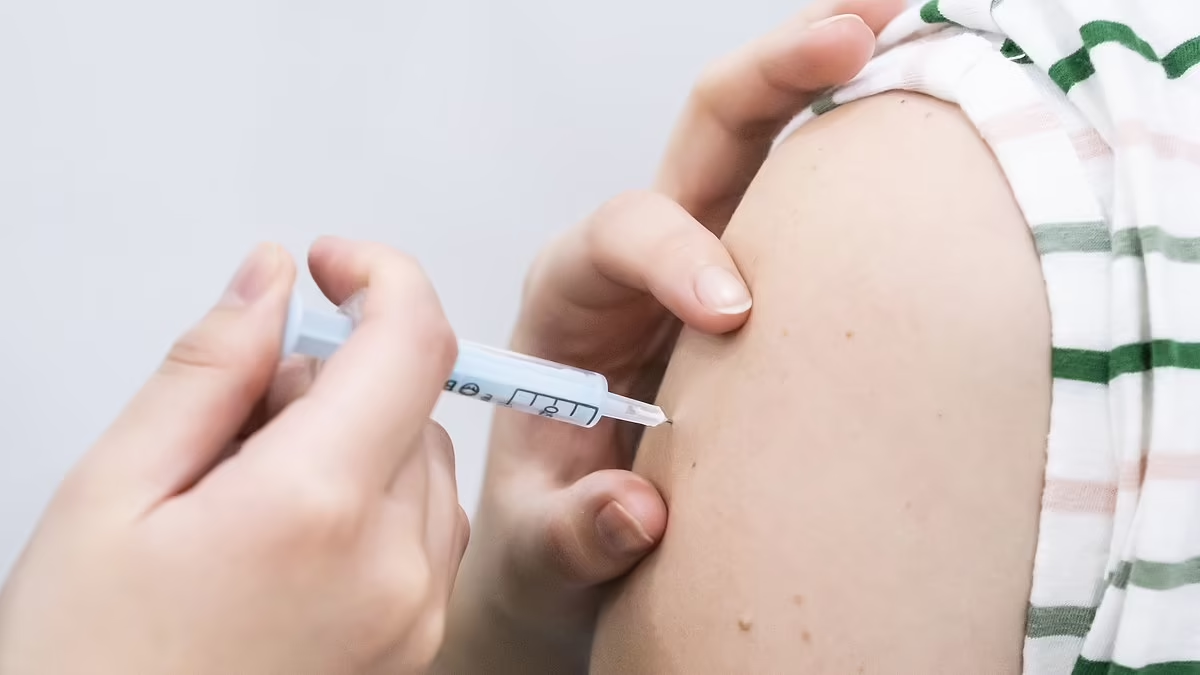
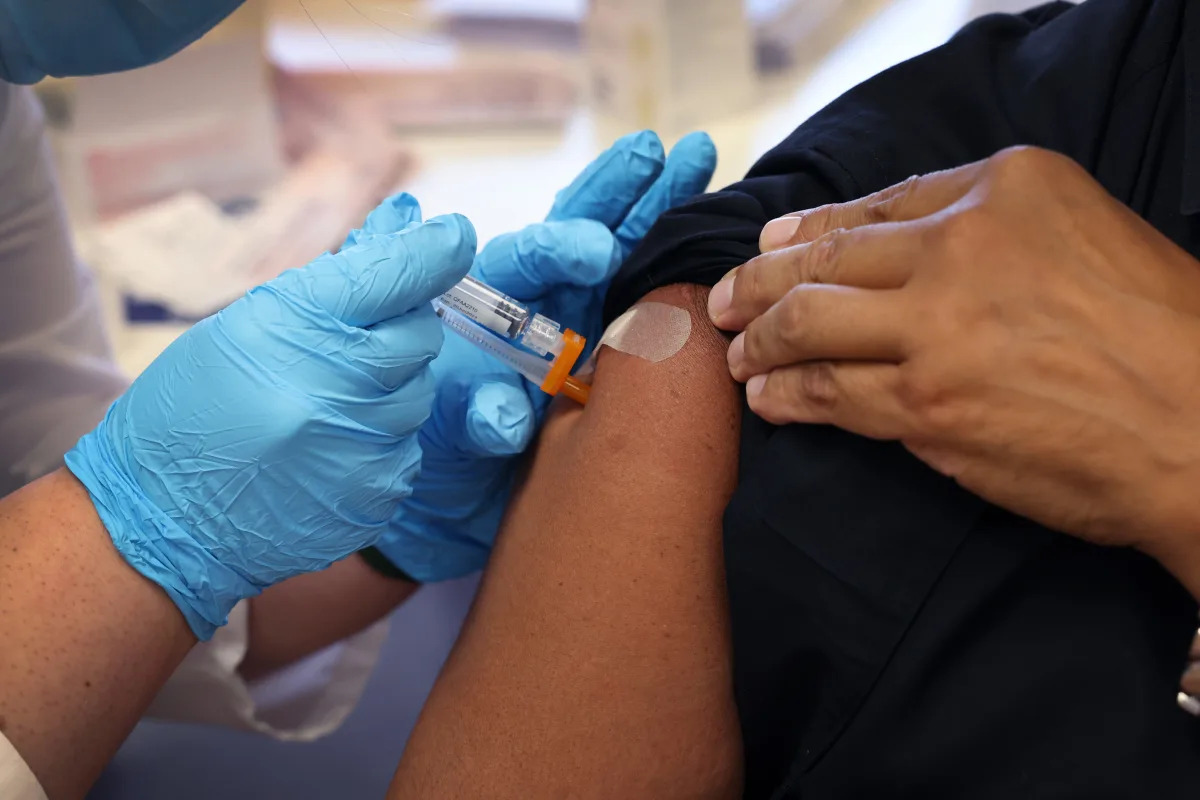
A study conducted in Germany suggests that receiving all routine vaccinations in one arm may result in a stronger immune response compared to distributing shots between both arms. The study found that individuals who received both doses of the Pfizer-BioNTech COVID-19 vaccine in the same arm had a higher presence of "killer T cells" in their immune system, which are crucial for fighting off infections. The researchers propose that sequential shots in the same arm may activate the same lymph nodes, leading to a more robust immune response. While further research is needed, these findings could have implications for standardizing vaccination practices beyond COVID-19.
A study conducted in Germany suggests that receiving all routine vaccinations in one arm may result in a stronger immune response compared to distributing shots between both arms. Researchers found that individuals who received both doses of the Pfizer-BioNTech COVID-19 vaccine in the same arm had a higher presence of "killer T cells" than those who received the shots in different arms. The study indicates that targeting the same lymph nodes with sequential shots may enhance the production of immune cells. While further research is needed, these findings could have implications for standardizing vaccination practices beyond COVID-19.
A study conducted in Germany suggests that receiving all routine vaccinations in one arm may result in a stronger immune response compared to distributing shots between both arms. The study found that individuals who received both doses of the Pfizer-BioNTech COVID-19 vaccine in the same arm had a higher presence of "killer T cells" than those who received the shots in different arms. The researchers propose that sequential shots in the same arm may activate the same lymph nodes, leading to a more robust production of immune cells. While further research is needed, these findings could have implications for standardizing vaccination practices beyond COVID-19.
Tingible body macrophages (TBMs), a subtype of macrophages within our lymph nodes, have been found to devour antibody-producing B cells, a function essential in defending our bodies against harmful pathogens. Researchers utilized genetically engineered mice and advanced microscopy to observe the TBMs’ eating habits and diet, illuminating their essential role in preventing the production of harmful antibodies. This discovery may offer a key to the treatment of currently incurable autoimmune diseases.
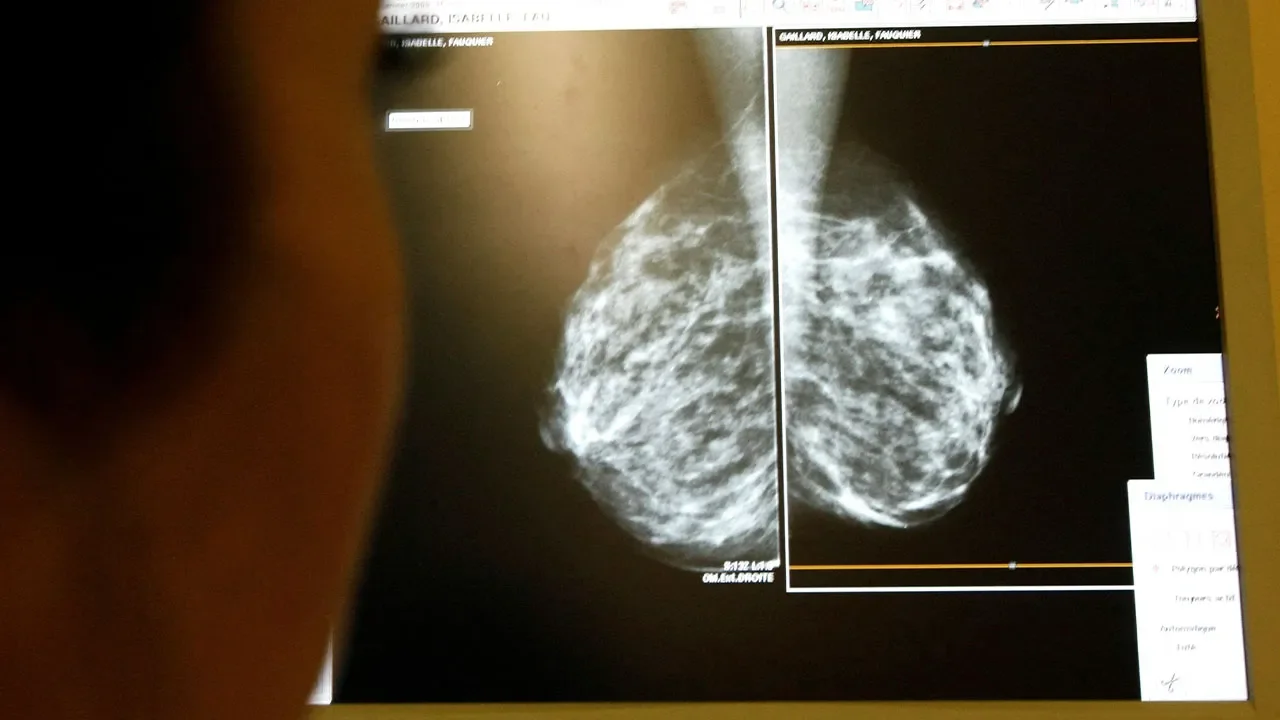
Oncologists in the UK have developed an AI model to predict whether aggressive forms of breast cancer will spread based on changes in a patient’s lymph nodes. The AI model analyzes the immune response in the lymph nodes of women with triple-negative breast cancer to gauge how likely the disease will spread. The researchers believe that it’s possible to predict whether the cancer cells will spread based on their immune response. The team is planning to further test the model at centers across Europe.
Oncologists in the UK have developed an AI model to predict whether aggressive forms of breast cancer will spread based on changes in a patient's lymph nodes. The researchers hope that by using AI to analyze the immune response in the lymph nodes of women with triple-negative breast cancer, they can better gauge how likely the disease will spread. The team tested the AI model on more than 5,000 lymph nodes donated by nearly 350 patients to biobanks and is planning to further test the model at centers across Europe.
Researchers from King’s College London have developed an AI model that can predict if a patient’s breast cancer will spread by measuring the immune response of lymph nodes. The technology was tested on more than 5,000 lymph nodes donated by 345 patients with triple negative breast cancer, an aggressive disease that is one of the most likely to spread or return. The breakthrough could lead to more tailored treatment based on a woman’s individual risk profile, stopping the disease before it becomes incurable.