The article discusses the evolution and future of space exploration, emphasizing the importance of integrating biological life and advanced technology beyond Earth, while reflecting on historical visions and current challenges in making humanity a multiplanetary species and understanding our place in the universe.
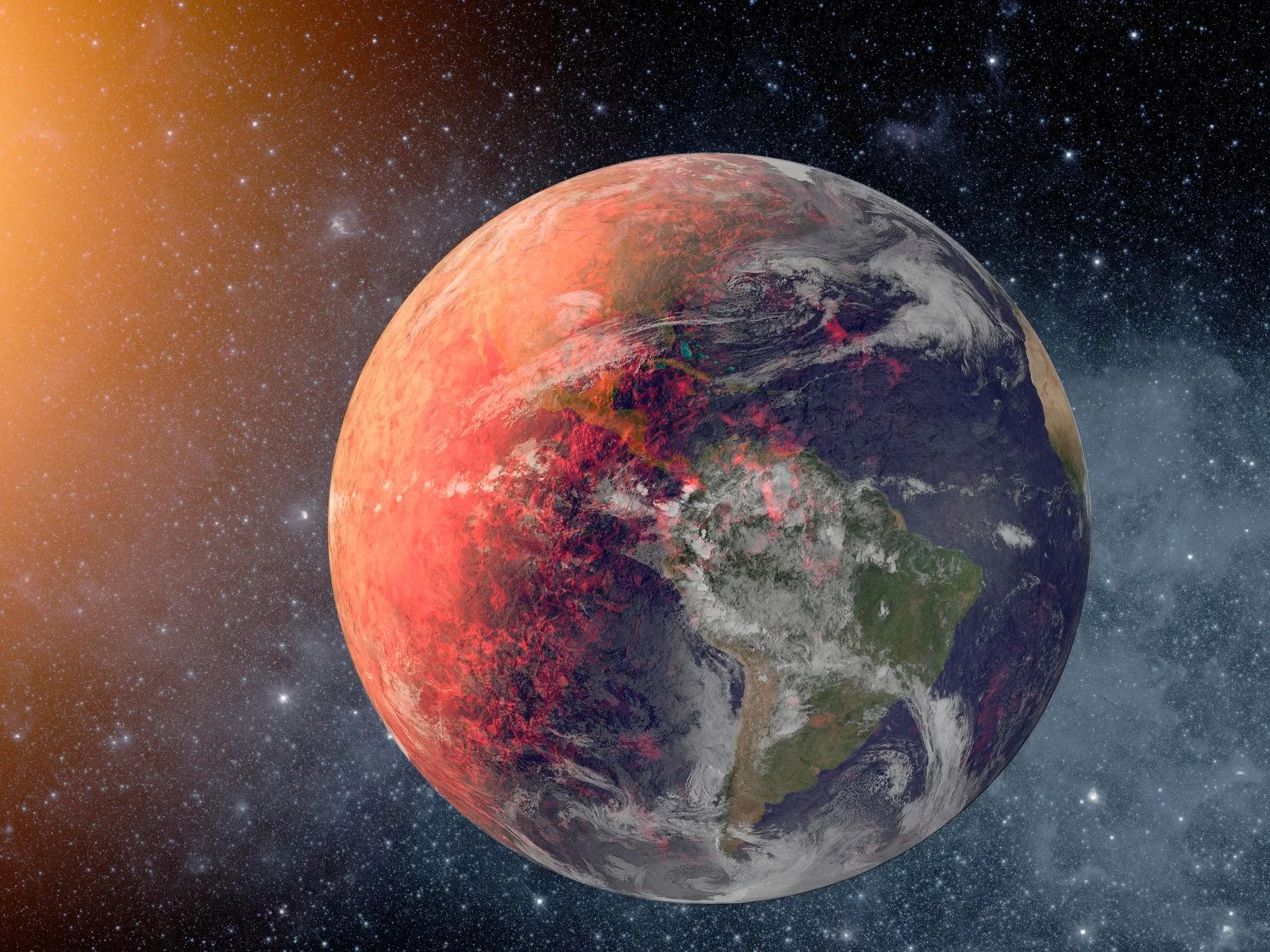
A new study reveals that 60% of Earth's land has exceeded safe ecological limits, primarily due to human activity like land conversion and biomass use, with significant impacts on climate and ecosystems, especially in Europe, Asia, and North America. The research emphasizes the urgent need for global biosphere protection and integrated climate policies.
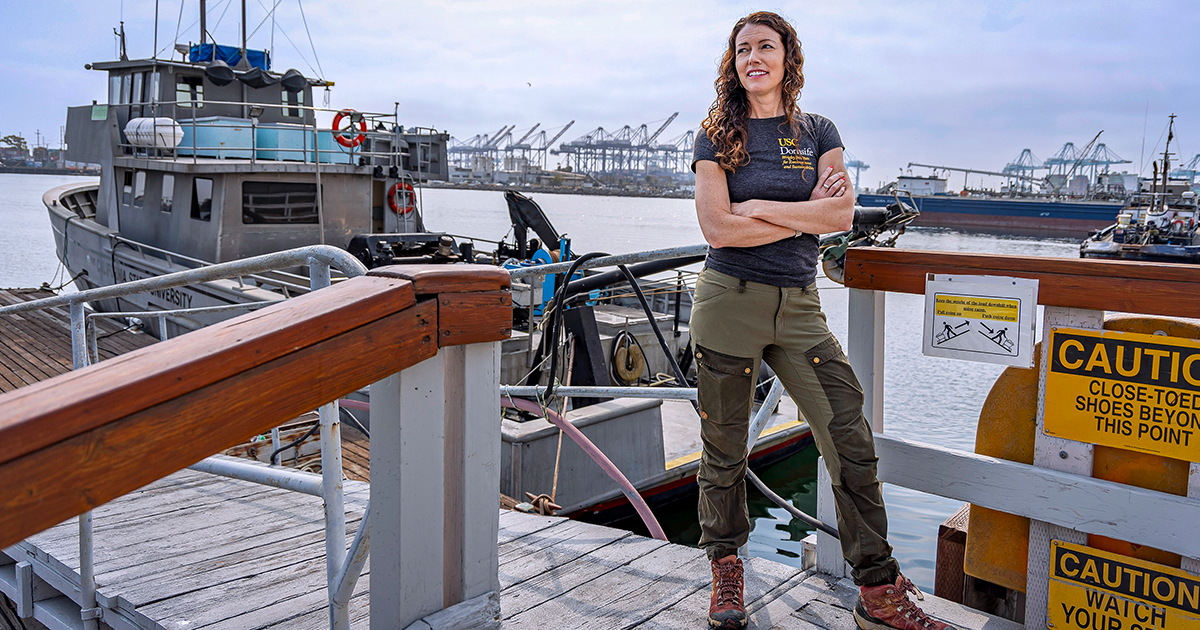
Karen Lloyd studies microbes living deep beneath the Earth's surface, revealing their extraordinary survival capabilities, including living for hundreds of thousands to millions of years, which expands our understanding of life's limits and resilience in extreme environments.
Research suggests that Titan's underground ocean could harbor a tiny biosphere, possibly weighing no more than a small dog, with microbial life relying on fermentation processes using organic molecules like glycine, but the overall biomass would be extremely sparse and difficult to detect.
A study led by astrophysicist Manasvi Lingam estimates that the biosphere, the sum total of Earth's life, currently moves more information per second than the technosphere, the sum total of human technology. By 2113, however, the rapid expansion of digital technology is projected to surpass the biosphere in terms of information transfer. This raises questions about the implications for the evolution of our species and the planet, highlighting the power of a global perspective on information and life.
The rate of data exchange between living organisms on Earth is estimated to be about 10^24 bits per second, while the rate of digital data exchange by humans is about 10^15 bits per second. However, the exponential growth of our digital data could soon surpass the biosphere's data exchange rate. If this trend is typical for advanced civilizations, the dominant form of communication on other planets may be technological rather than biological. This could have significant consequences for non-human life and our search for alien civilizations.
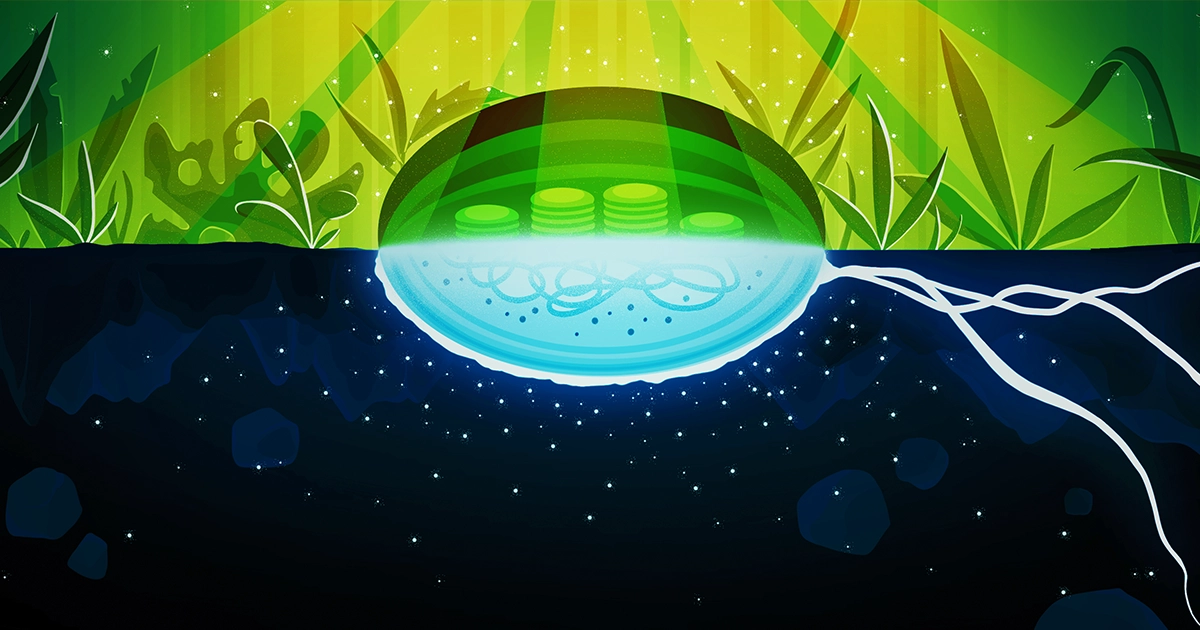
Researchers have discovered that underground microbes are capable of producing oxygen through a process called dismutation, challenging previous assumptions about the sources of dissolved oxygen in groundwater. By breaking down nitrites, these microbes generate oxygen that can leak out of their cells and benefit other oxygen-dependent organisms. This finding not only sheds light on the evolution of the subterranean biosphere but also has implications for understanding the potential for life in other environments, such as Mars and Jupiter's moon Europa. The discovery highlights the need to reevaluate our understanding of life's requirements and the vastness of Earth's biosphere.
"Biosphere" is a lopsided sci-fi parable that falls short due to grating dialogue and a stagey feel. The film follows two men trapped in a biodome running out of food, with one of them undergoing intersex changes. The movie explores their shifting relationship and philosophical differences but fails to develop their characters beyond surface-level traits. The dialogue is filled with hand-holding and armchair psychology, overshadowing the potential exploration of their evolving bond. While the film offers a fantasy of what could be, it ultimately lacks depth and relies on slapstick comedy.
In the film "Biosphere," directed by Mel Eslyn, two childhood friends, Billy (played by Mark Duplass) and Ray (played by Sterling K. Brown), are the only survivors after Billy, a petulant and anti-intellectual former president, destroys the planet. The movie explores their relationship and the challenges they face in a geodesic dome as they confront their past and contemplate the possibility of change. While the film balances comedy and drama, it also raises questions about the potential for human evolution and the consequences of bad governance.
An international team of scientists from the Earth Commission has identified eight “safe” and “just” boundaries spanning five vital planetary systems: climate change, the biosphere, freshwater, nutrient use in fertilisers and air pollution. Humanity has exceeded the safe and just limits for four of five systems, with aerosol pollution being the sole exception. Urgent action, based on the best available science, is now needed to return our planetary systems back within safe and just boundaries through just means.