Scientists discovered 2.6 billion-year-old water deep beneath a Canadian mine, containing microbial signatures and active chemistry, revealing insights into Earth's ancient ecosystems and potential extraterrestrial life habitats.
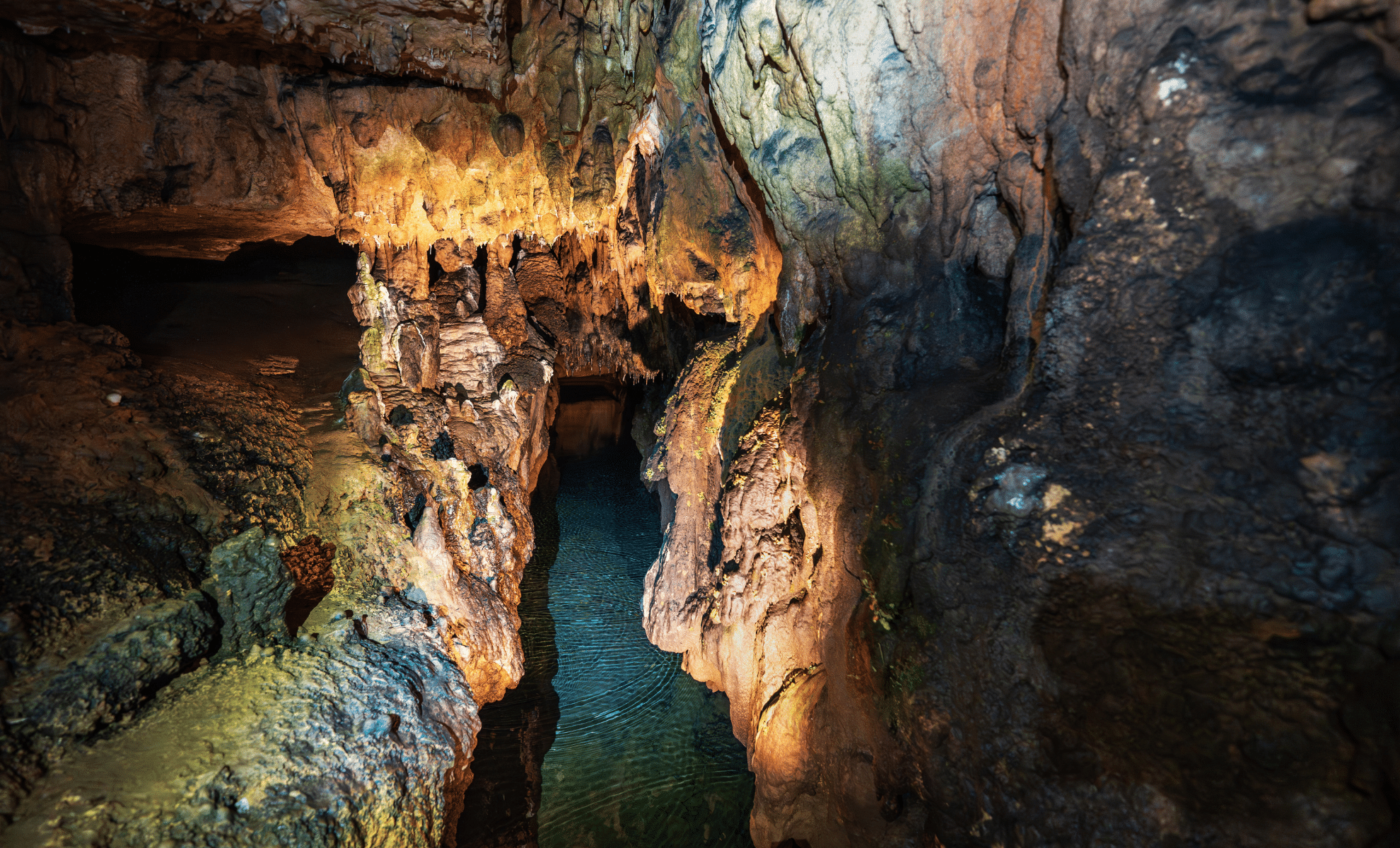
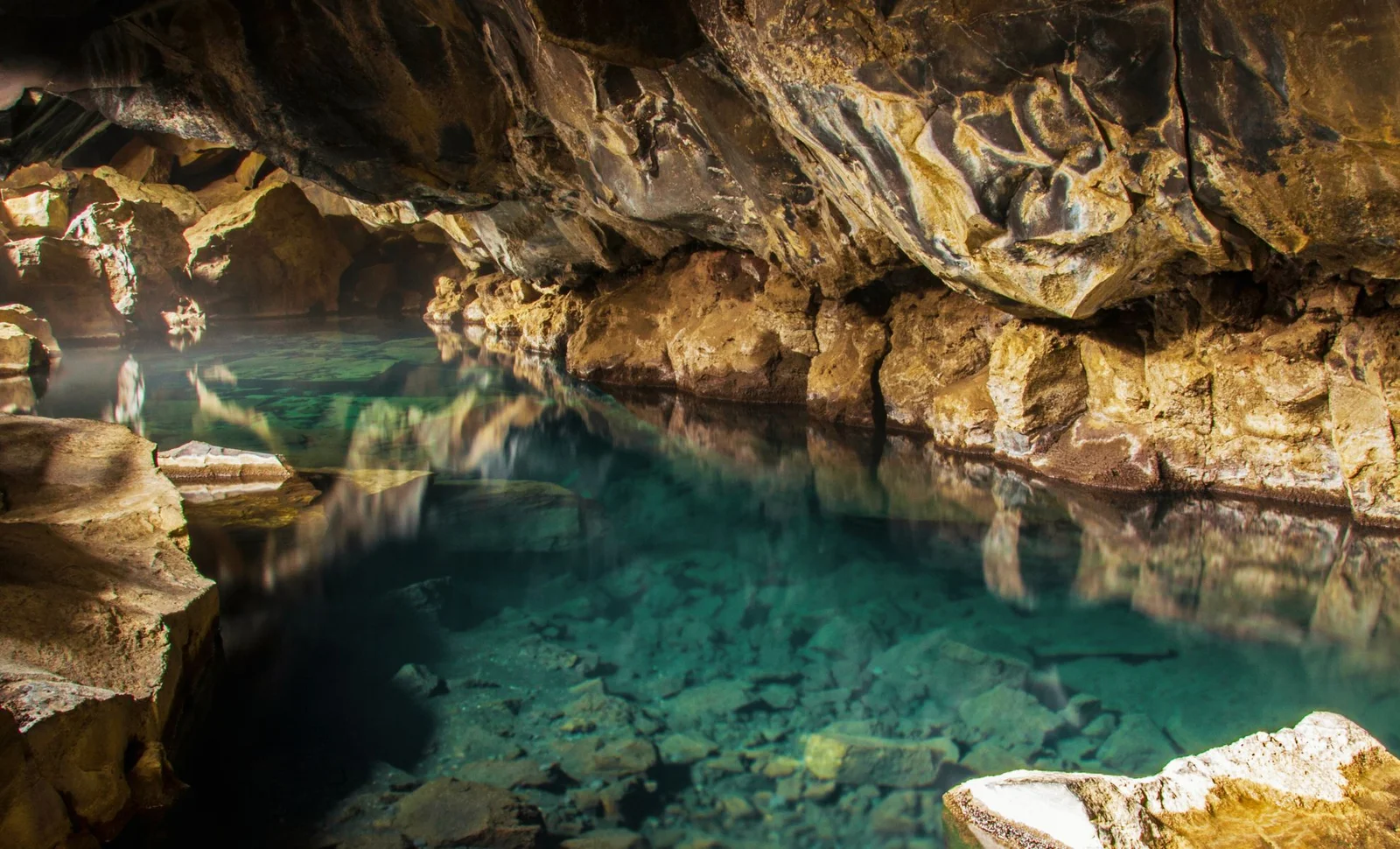
Geologists discovered 2.6 billion-year-old water deep beneath a Canadian mine, which still flows and contains microbial signatures, revealing insights into ancient life and potential extraterrestrial habitats. The water's chemistry and taste confirmed its age and resilience of microbial life in extreme environments.
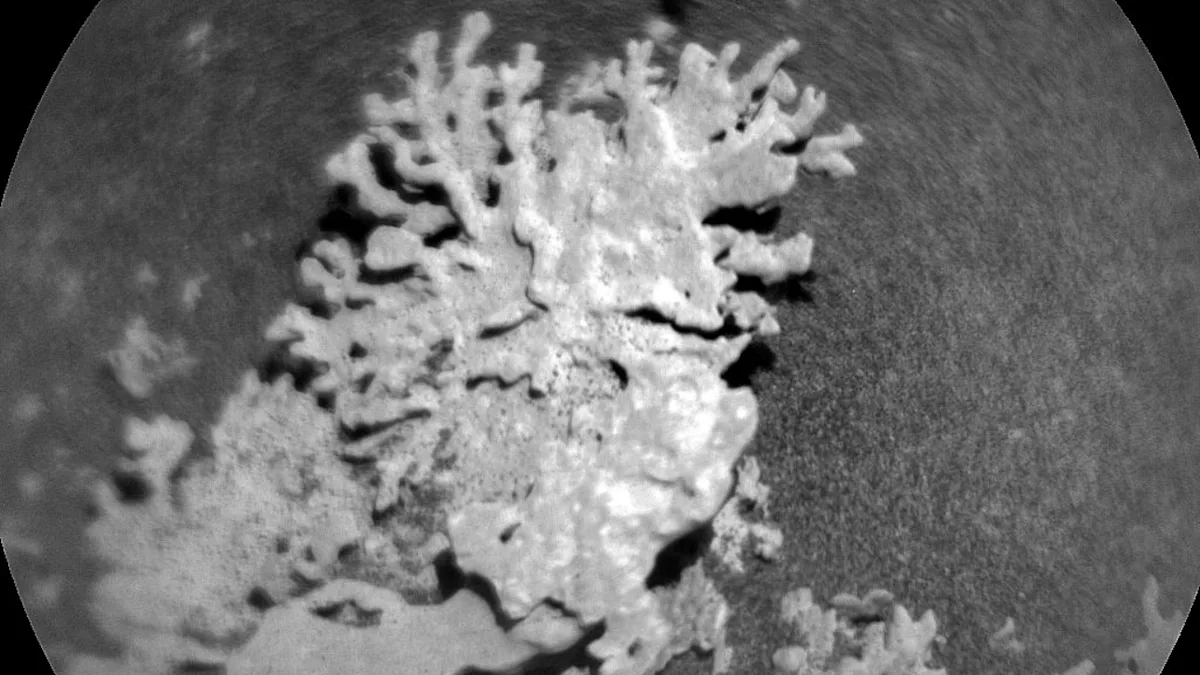
NASA's Curiosity rover discovered a coral-shaped rock on Mars that formed billions of years ago when the planet had water, providing evidence of past habitability. The rock's intricate branches are the result of mineral veins formed by water and erosion over time.
In 2016, geologist Barbara Sherwood Lollar discovered the oldest water on Earth, dating back 1.5 to 2.6 billion years, flowing from a Canadian mine. She found microbial life in the salty, bitter water and even tasted it, confirming its extreme age and unique properties. This discovery offers insights into ancient Earth ecosystems and potential extraterrestrial life.
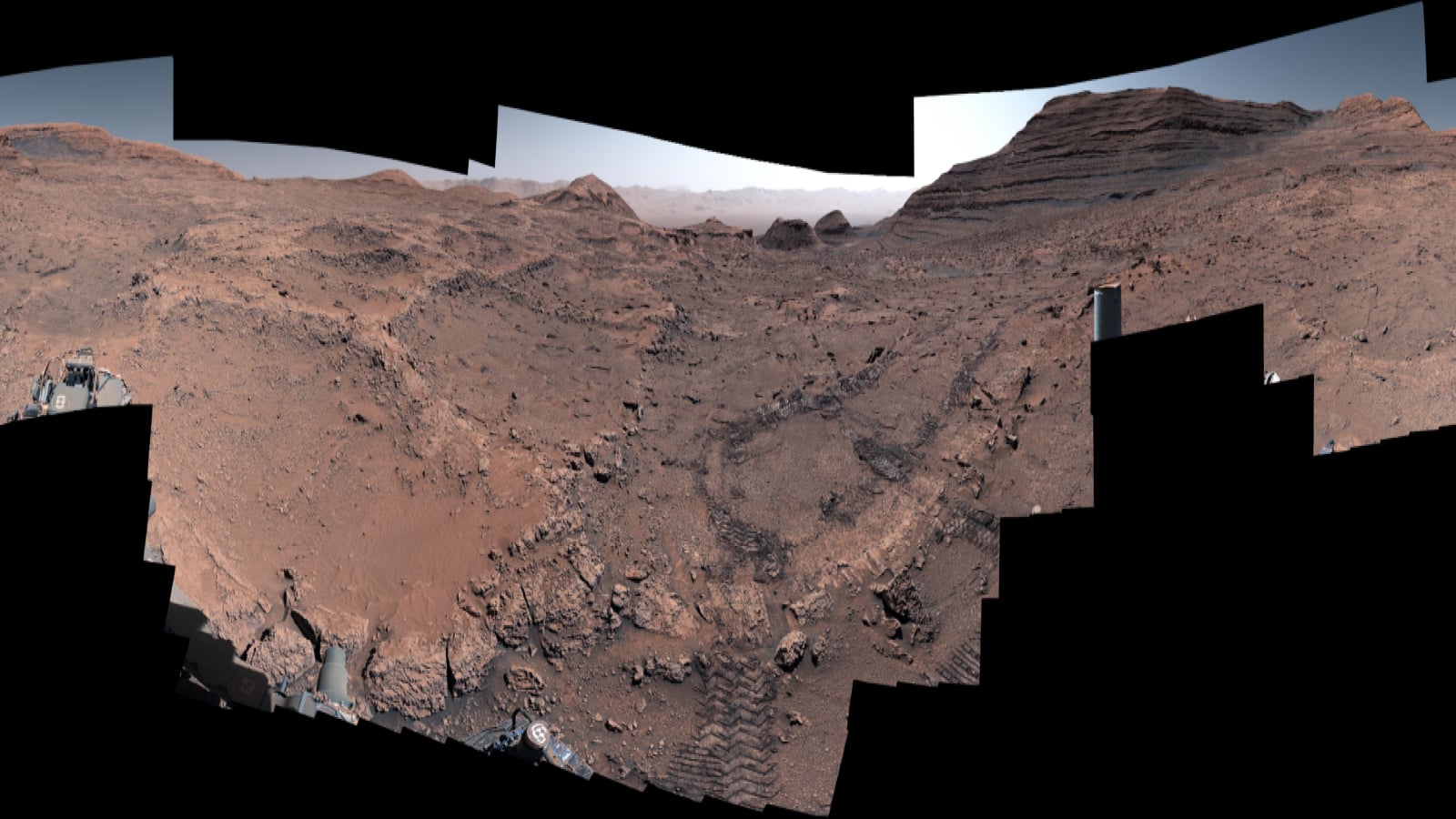
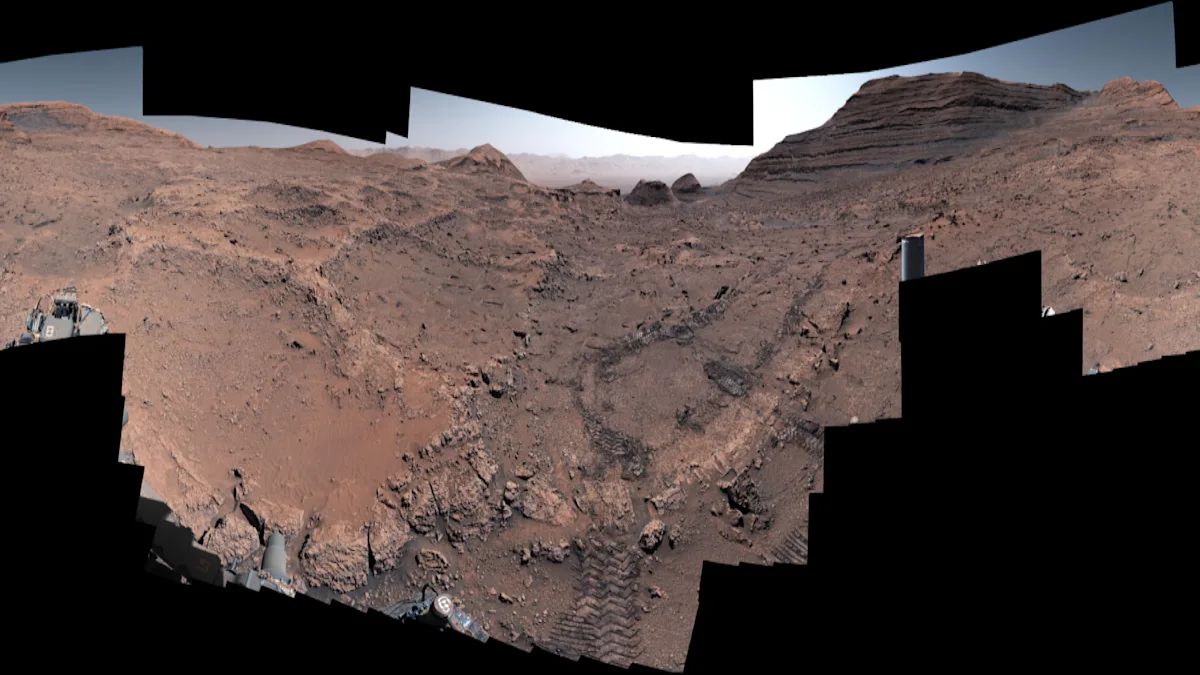
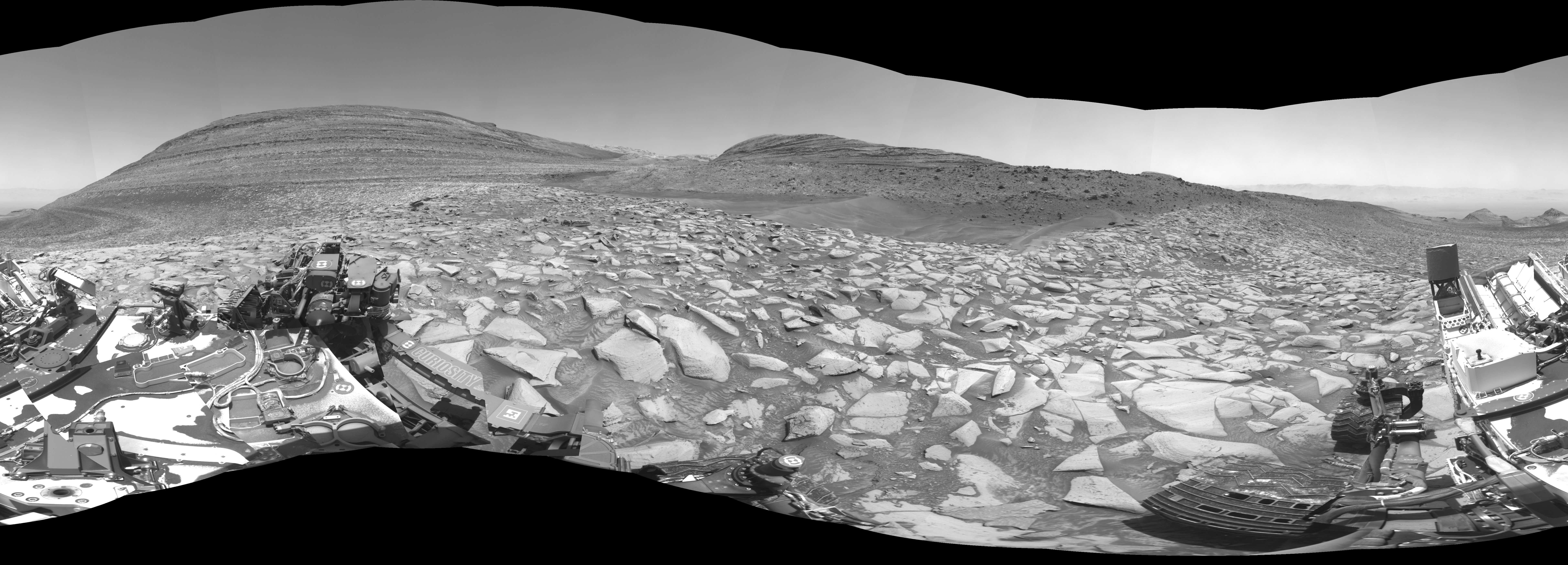
NASA's Curiosity rover captured a 360-degree image of Mars' landscape, revealing 'spiderwebs' or boxwork patterns formed by ancient groundwater flow, which may have supported microbial life, at the base of Mount Sharp in Gale Crater.
NASA's Curiosity rover captured a 360-degree image of low ridges on Mars, resembling spiderwebs, at the base of Mount Sharp in Gale Crater. These patterns, formed by ancient groundwater flow, are of interest because they may have supported microbial life, helping scientists study Mars' past habitability.
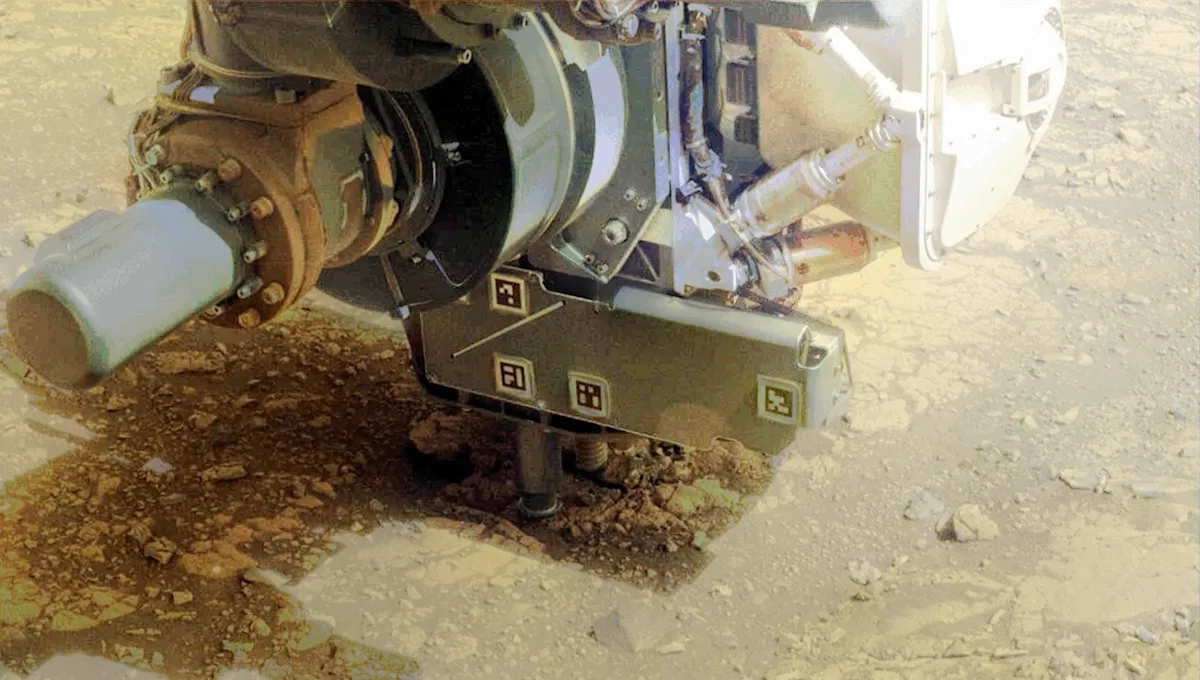
NASA's Perseverance rover is analyzing a challenging rock called 'Kenmore' in Jezero Crater to uncover clues about Mars' past habitability, including evidence of water and minerals like clay and feldspar, which could inform future exploration and potential habitability assessments.
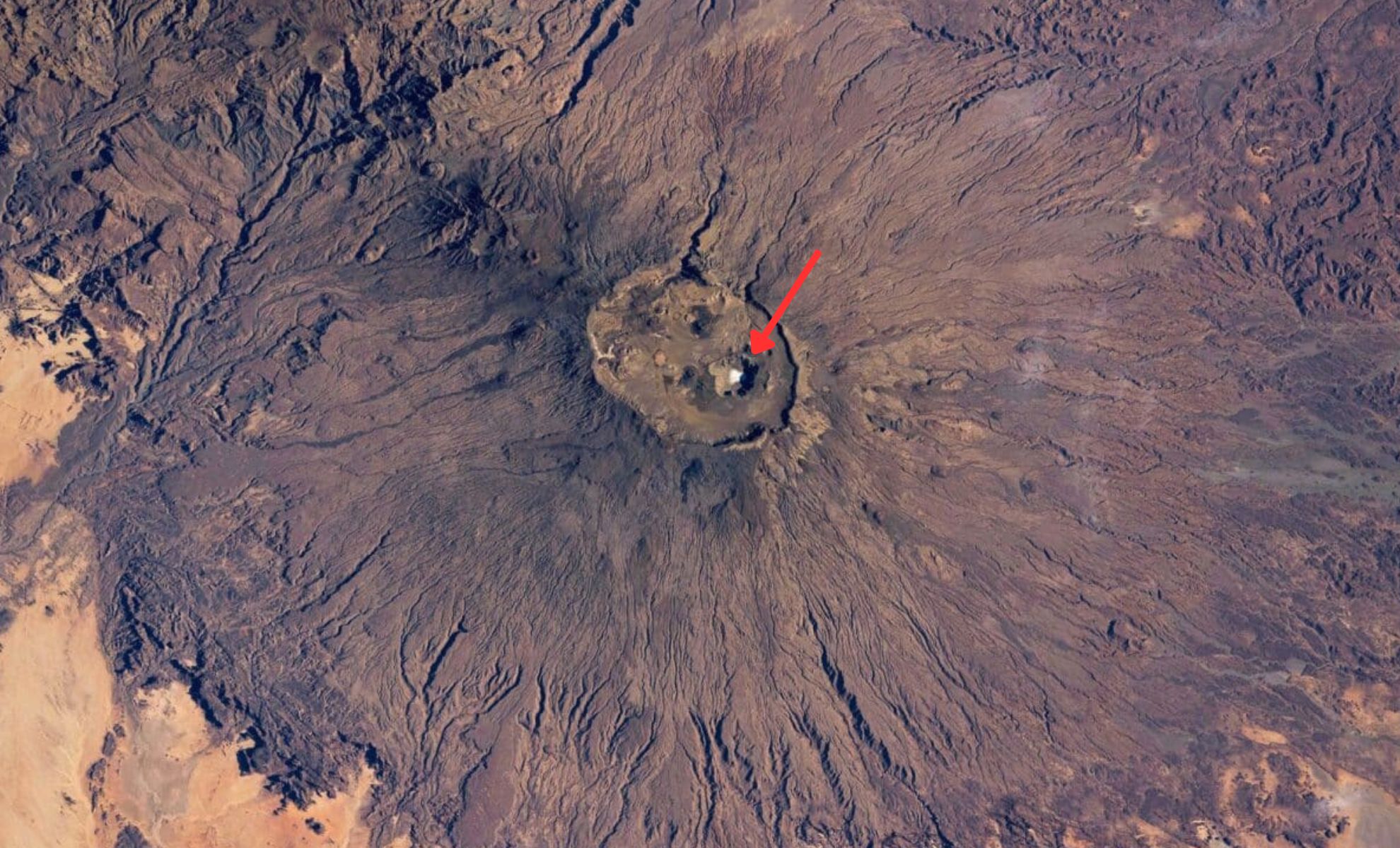
A recent space photograph of Emi Koussi volcano in the Sahara reveals a salt-covered lake bed and erosion channels, indicating the region's wetter past and challenging the perception of the Sahara as a static desert, highlighting its volcanic and hydrological history.
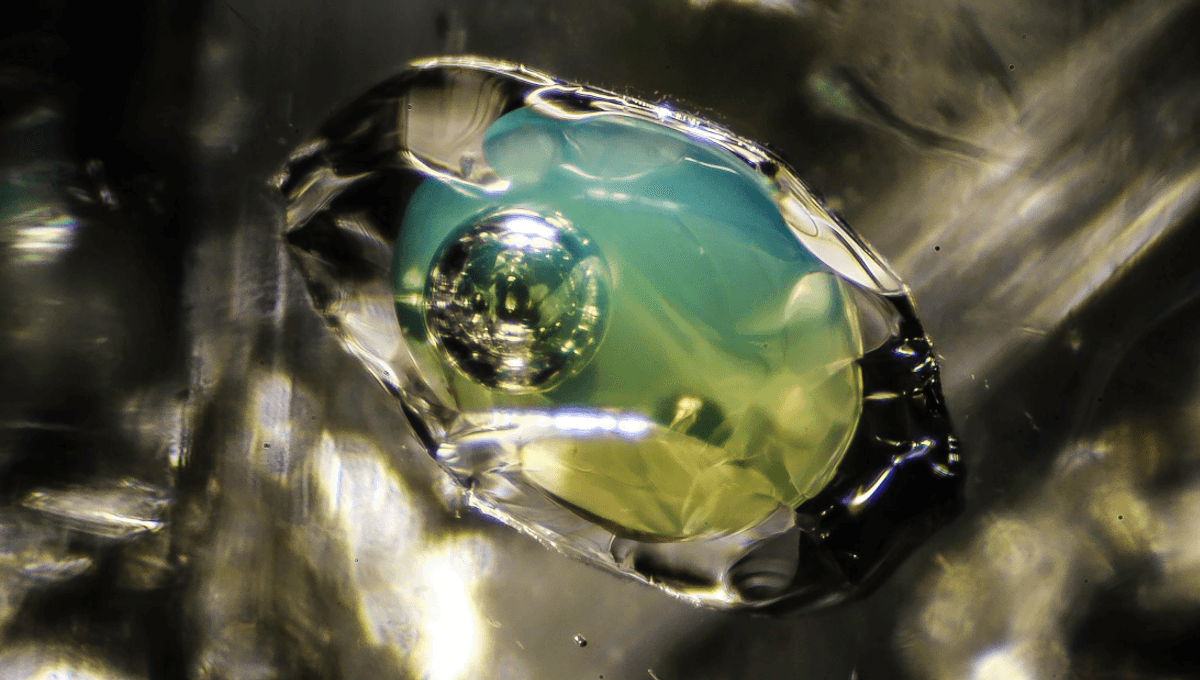
The article explores the fascinating world of enhydros, enhydro agates, and fluid inclusions—rocks that contain trapped liquids and gases. Enhydros are hollow nodules filled with water, often made of chalcedony, while enhydro agates are similar but specifically trapped inside agate. Scientists have found microorganisms in ancient water samples from enhydro agates in Brazil. Fluid inclusions occur when crystals trap liquid during their formation, potentially preserving water that is billions of years old, making them valuable for research.
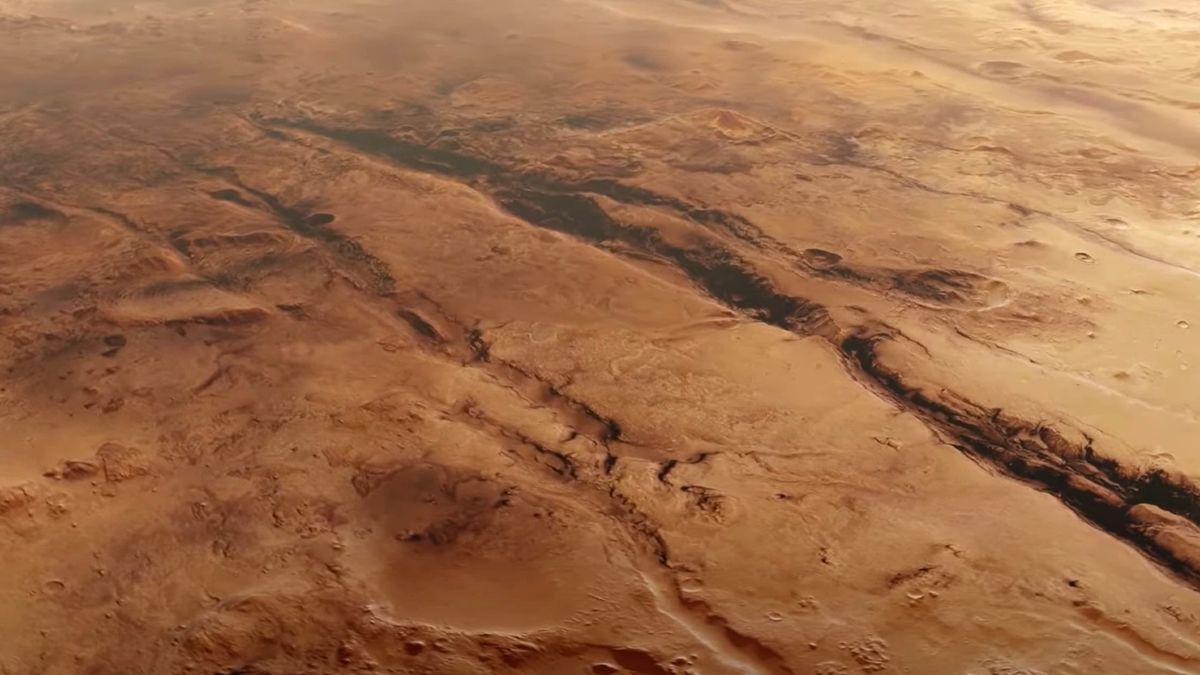
The European Space Agency's Mars Express orbiter has captured stunning flyover footage of Mars' Nili Fossae trenches, revealing insights into the planet's ancient past. These trenches, formed by a colossal meteorite impact around 4 billion years ago, show evidence of past water flow and diverse minerals, indicating a once wet environment. The video, created using high-resolution stereo camera data, aids in understanding Mars' history and informs future exploratory missions.
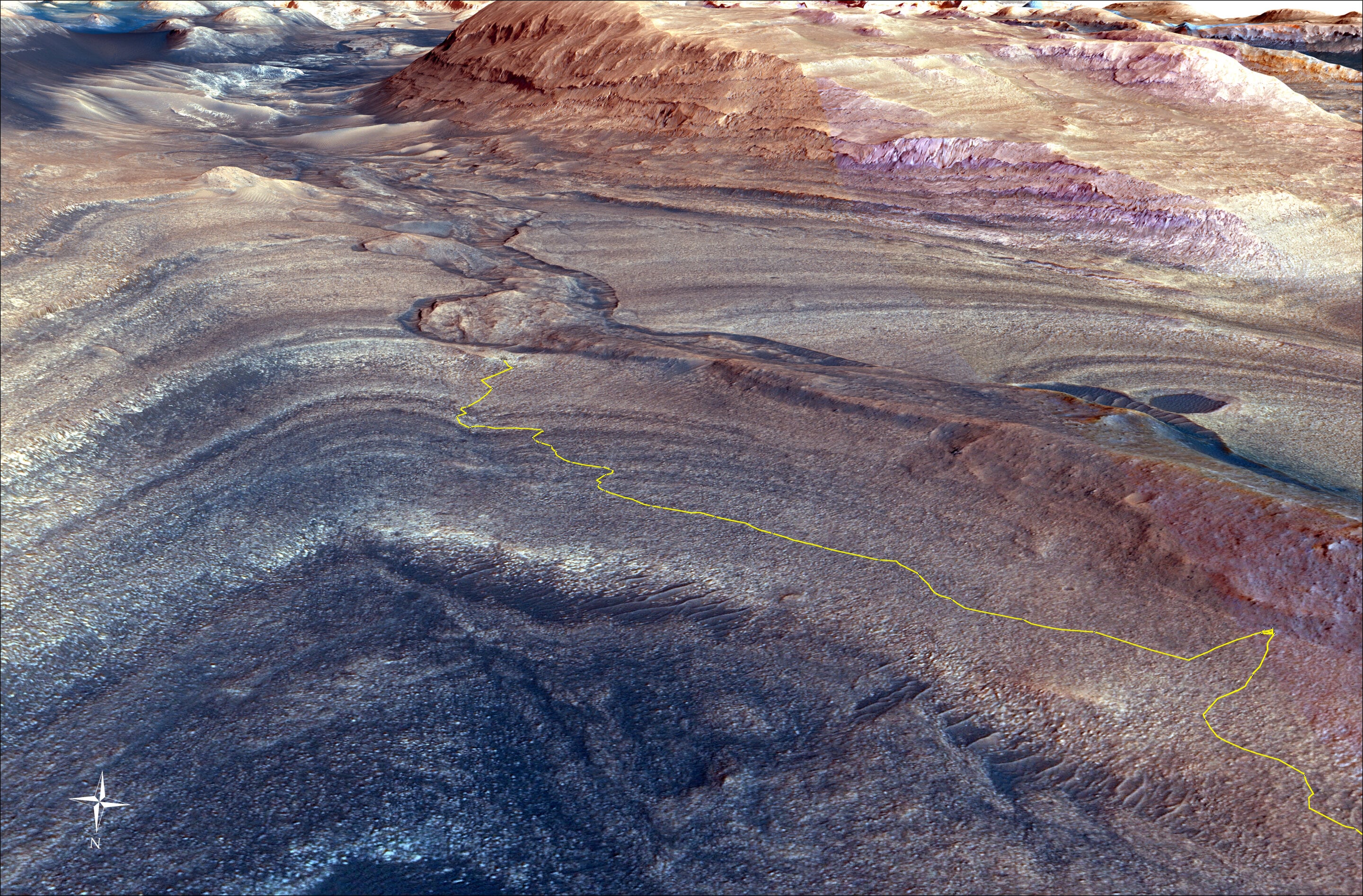
NASA's Curiosity rover is exploring a new region on Mars, Gediz Vallis channel, to uncover clues about the disappearance of liquid water from the planet's surface. Scientists are intrigued by the possibility that the winding channel was carved by an ancient river and are searching for evidence to confirm its formation. The rover's exploration of this area could revise the timeline for the formation of Mount Sharp and provide insights into the history of water on Mars, including evidence of water coming and going in phases.
NASA's Curiosity rover is exploring a new region on Mars, Gediz Vallis, which may provide clues about the planet's ancient water history. Scientists are intrigued by the possibility that the winding channel was carved by an ancient river, and they are searching for evidence to confirm this theory. The rover's exploration of this area could potentially revise the timeline for the formation of Mount Sharp, shedding light on the presence of water and the chemical ingredients required for life on Mars over millions of years.
Geologist Barbara Sherwood Lollar discovered the oldest water in the world, which was between 1.5 and 2.6 billion years old, in an abandoned gold mine in Canada. She decided to taste the ancient water, which was described as very salty and bitter, but fortunately, there were no ill effects. The water had been undisturbed for its entire existence and was found to be much saltier than seawater. While the taste test may seem unconventional, it provided valuable information about the water's composition. The age of the water was determined by studying the presence of Noble Gases.
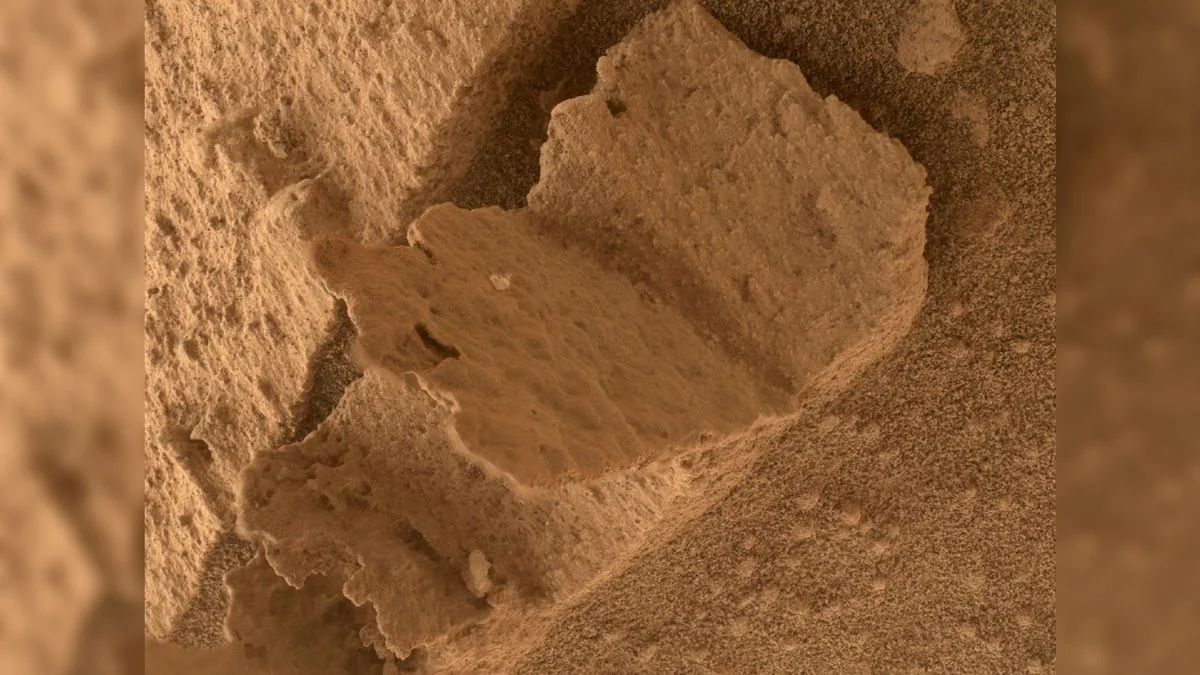
NASA's Curiosity rover captured an image of a tiny Martian rock that looks like a fossilized book on the surface of Mars. The rock is just 1 inch across and appears to be two halves of an open book with a single page that has frozen halfway through being turned. The rock is made from minerals that were left behind by ancient water and was eroded by wind over billions of years. The rover has also captured images of other unusual rock formations on Mars, including a branched "mineral flower" and rocks imprinted with tiny ripples left behind from an ancient lake.
NASA's Curiosity rover captured an image of a tiny Martian rock that looks like a fossilized book on the surface of the Red Planet. The rock is just 1 inch across and looks like two halves of an open book with a single page that has frozen halfway through being turned. The peculiar rock is made from minerals that were left behind by ancient water and is just one of many strangely shaped rocks found on Mars. Curiosity has also captured images of mineral formations and larger-scale shapes carved out by ancient water on the Red Planet.