Tag

Mice Study

All articles tagged with #mice study

Psilocybin Shows Promise as a Revolutionary Anti-Aging Treatment

Originally Published 5 months ago — by PsyPost

Featured image for Psilocybin Shows Promise as a Revolutionary Anti-Aging Treatment
Source: PsyPost

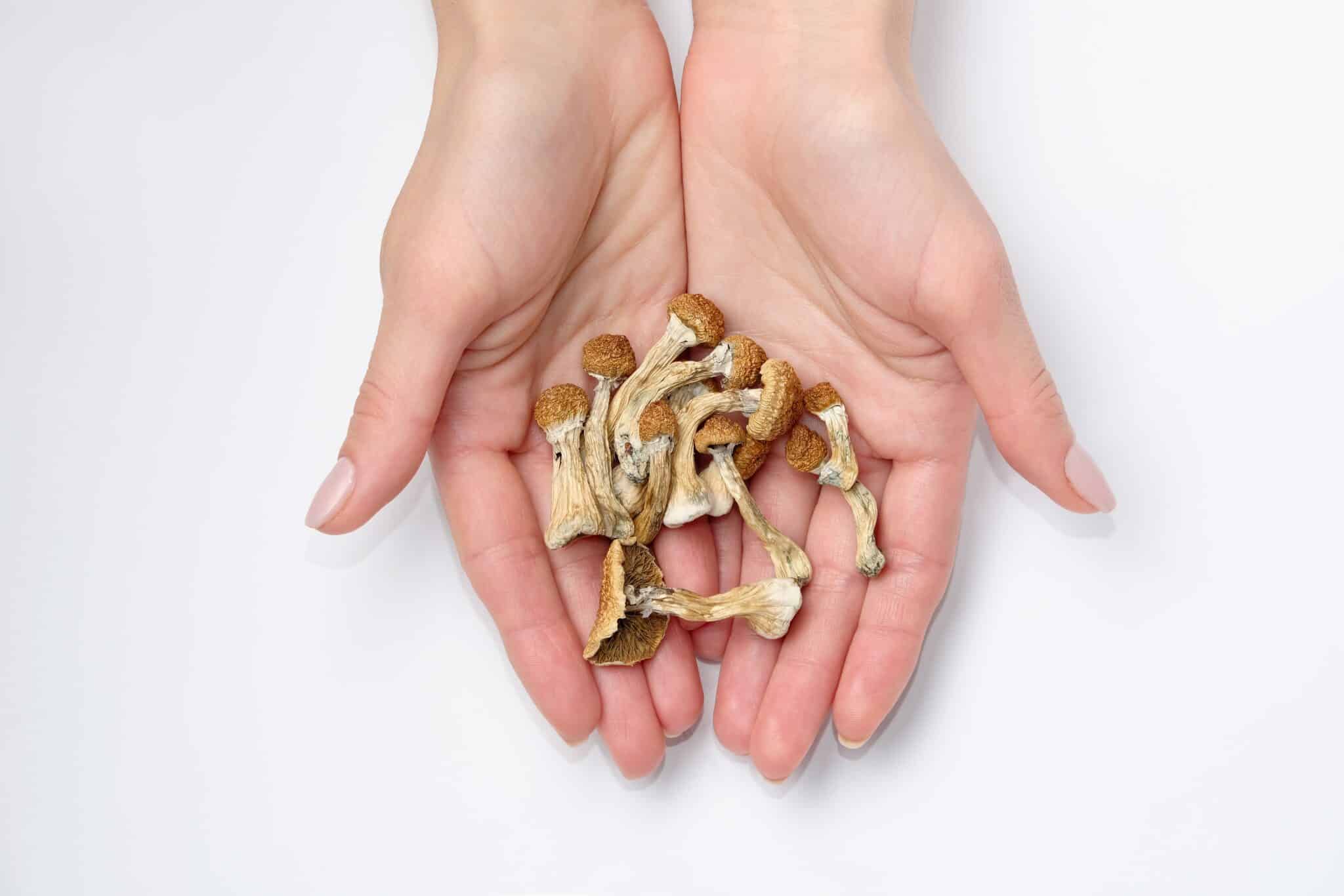
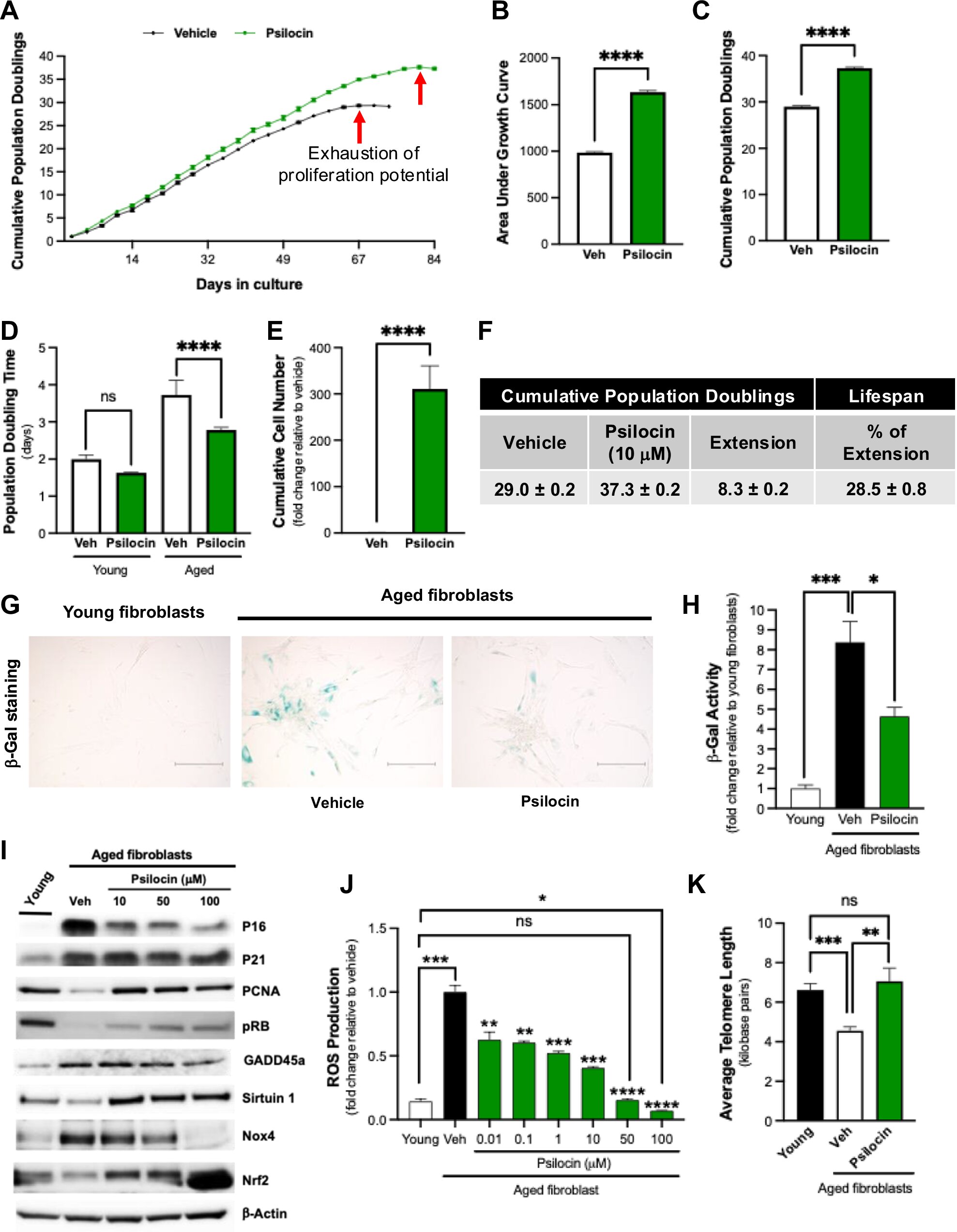
A groundbreaking study found that psilocybin not only extends lifespan in aging mice but also delays cellular aging in human cells, suggesting its potential as a treatment for age-related diseases and healthy aging. The research demonstrated increased survival rates, improved physical health, and cellular markers of reduced aging, though further studies are needed to confirm safety and efficacy in humans.

Psychedelic Mushrooms Show Promise in Reversing Aging and Extending Lifespan

Originally Published 5 months ago — by ScienceDaily

Featured image for Psychedelic Mushrooms Show Promise in Reversing Aging and Extending Lifespan
Source: ScienceDaily

Research from Emory University shows that psilocybin, the active compound in psychedelic mushrooms, can extend cellular lifespan and improve health markers in mice, suggesting potential for anti-aging therapies in humans, though further studies are needed.

Psilocybin Shows Potential as a Anti-Aging Therapy

Originally Published 6 months ago — by Neuroscience News

Featured image for Psilocybin Shows Potential as a Anti-Aging Therapy
Source: Neuroscience News

A preclinical study shows that psilocybin, derived from psychedelic mushrooms, significantly extends cellular lifespan in human cells and increases lifespan and health in aged mice, potentially offering a new approach to anti-aging therapies by reducing oxidative stress and preserving telomeres.

Psychedelic Mushrooms May Help Preserve Aging Cells, Study Finds

Originally Published 6 months ago — by Medical Xpress

Featured image for Psychedelic Mushrooms May Help Preserve Aging Cells, Study Finds
Source: Medical Xpress

A study suggests that psilocybin, found in psychedelic mushrooms, may have antiaging effects by preserving telomere length and extending cellular and organismal lifespan, with promising results in human cells and aged mice, though further research is needed before clinical application.

Reducing Amino Acid Boosts Lifespan in Mice by 33%

Originally Published 1 year ago — by ScienceAlert

Featured image for Reducing Amino Acid Boosts Lifespan in Mice by 33%
Source: ScienceAlert

A study published in Cell Metabolism reveals that reducing the intake of the essential amino acid isoleucine in middle-aged mice can extend their lifespan by up to 33% and improve various health metrics. The research suggests that similar dietary adjustments in humans might offer anti-aging benefits, though translating these findings to human diets is complex. The study highlights the potential of targeting specific amino acids for longevity interventions.

"Reversible Male Contraceptive Injection Shows Success in Mice"

Originally Published 1 year ago — by ScienceAlert

Featured image for "Reversible Male Contraceptive Injection Shows Success in Mice"
Source: ScienceAlert

A new non-hormonal male contraceptive, CDD-2807, has shown promising results in mice, effectively reducing sperm activity and being reversible without significant side effects. Researchers at Baylor College of Medicine are optimistic about its potential and plan to test it in non-human primates.

"Reduced Amino Acid Intake Extends Mouse Lifespan by 33%"

Originally Published 1 year ago — by ScienceAlert

Featured image for "Reduced Amino Acid Intake Extends Mouse Lifespan by 33%"
Source: ScienceAlert

Research in mice suggests that restricting the essential amino acid isoleucine in their diet can increase lifespan and healthspan, reduce frailty, and promote leanness and glycemic control. Male mice experienced a 33% increase in lifespan, while females had a 7% increase. The mice also showed improvements in various health measures. However, applying these findings to humans is complex, as diet is a complex chemical reaction and other dietary components may be involved. The study suggests potential anti-aging effects in humans through isoleucine restriction, but further research and potential interventions, such as an isoleucine-blocking drug, are needed.

"Gut Microbiota's Role in Transmitting Social Anxiety and Stress"

Originally Published 1 year ago — by PsyPost

Featured image for "Gut Microbiota's Role in Transmitting Social Anxiety and Stress"
Source: PsyPost

A study in Sweden found that transplanting gut microbiota from individuals with social anxiety disorder into mice made the mice more sensitive to social fear, indicating a potential causal role of gut microbiota in the development of social anxiety disorder. The study revealed differences in gut microbiota composition and biochemical changes in mice that received microbiota from individuals with social anxiety disorder, leading to increased social fear responses. The findings highlight the potential influence of gut microbiota on mental health and suggest the microbiota-gut-brain axis as a target for developing novel therapeutics for social anxiety disorder.

"Long-lasting Cholesterol Reduction in Mice Using Epigenetic Gene Silencing"

Originally Published 1 year ago — by Nature.com

Featured image for "Long-lasting Cholesterol Reduction in Mice Using Epigenetic Gene Silencing"
Source: Nature.com

Scientists have successfully reduced cholesterol levels in mice by using an alternative to genome editing that targets the epigenome, altering chemical tags on DNA without changing the DNA sequence. The study, published in Nature, demonstrates the potential for treating diseases by editing the epigenome, avoiding the risks associated with altering DNA. The findings have sparked excitement in the field of epigenetic editing, with several companies focusing on developing therapies, and a clinical trial underway for an epigenetic editor targeting a gene overactive in many cancers.

"Reprogramming T Cells: A Breakthrough in Slowing Aging"

Originally Published 1 year ago — by Singularity Hub

Featured image for "Reprogramming T Cells: A Breakthrough in Slowing Aging"
Source: Singularity Hub

A new study led by Dr. Corina Amor Vegas at Cold Spring Harbor Laboratory describes a potential anti-aging therapy using CAR T cells, which are genetically engineered to target and destroy senescent cells linked to age-related health problems. In mice, a single injection of these senolytic CAR T cells in young adulthood slowed aging, improved metabolic profiles, and rejuvenated elderly mice. The treatment shows promise for addressing age-related diseases, but further research is needed to determine its long-term effects and potential side effects in humans.