New research suggests that advanced Alzheimer's disease may be reversible, with studies showing full cognitive recovery in mice treated with a specific drug, raising hope for future human treatments. The findings, published in Cell Reports Medicine, indicate that the disease's damage can potentially be reversed, not just slowed, although human studies are still needed. This breakthrough offers hope in a field previously limited to managing symptoms, with ongoing research exploring ways to prevent and treat dementia.

Scientists from Ohio claim to have reversed Alzheimer's in mice using the compound P7C3-A20, which restores NAD+ levels and brain function, offering hope for future human treatments.
A small study suggests a potential pathway toward an HIV cure, with some participants maintaining low virus levels or controlling the virus without medication after experimental immunotherapy, offering hope for future treatments.
During National Alzheimer’s Disease Awareness Month, the President emphasizes the impact of the disease on millions of Americans, highlights efforts to boost research and innovation, and reaffirms commitment to finding a cure and supporting affected families.
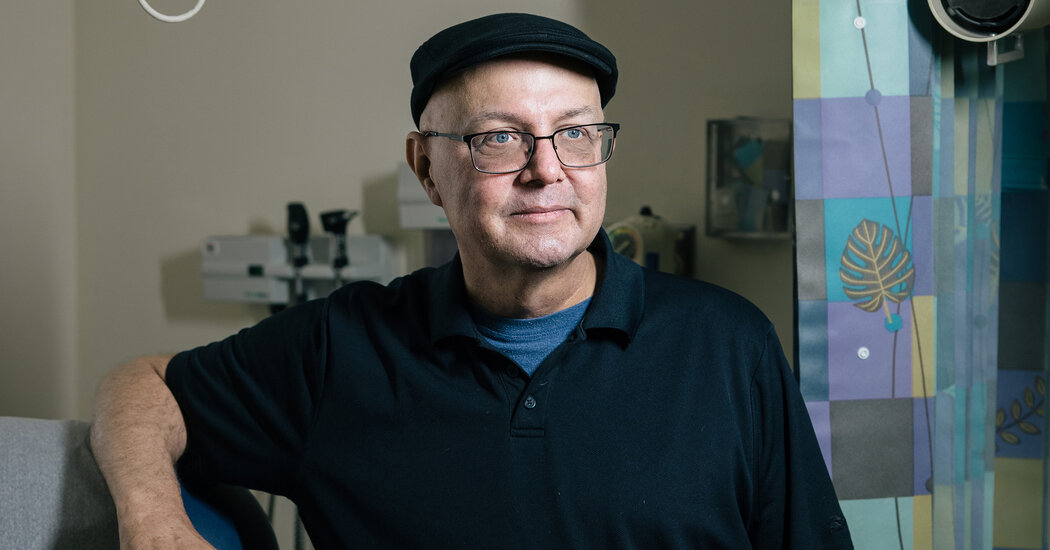
Gene therapies for rare diseases often get developed but are abandoned due to high costs, leaving some patients like Tracy Atteberry with potential cures that are no longer available, highlighting economic barriers in medical innovation.
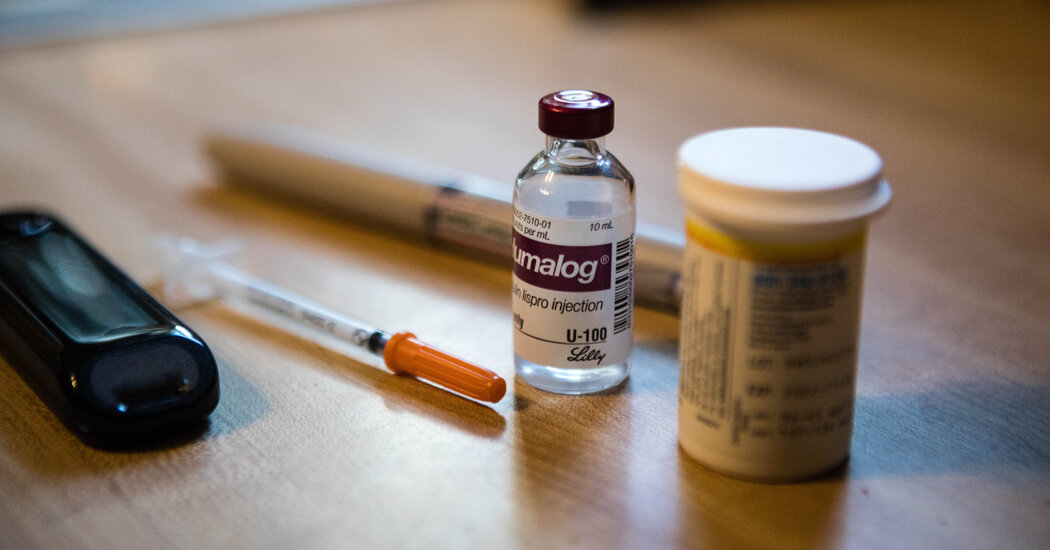
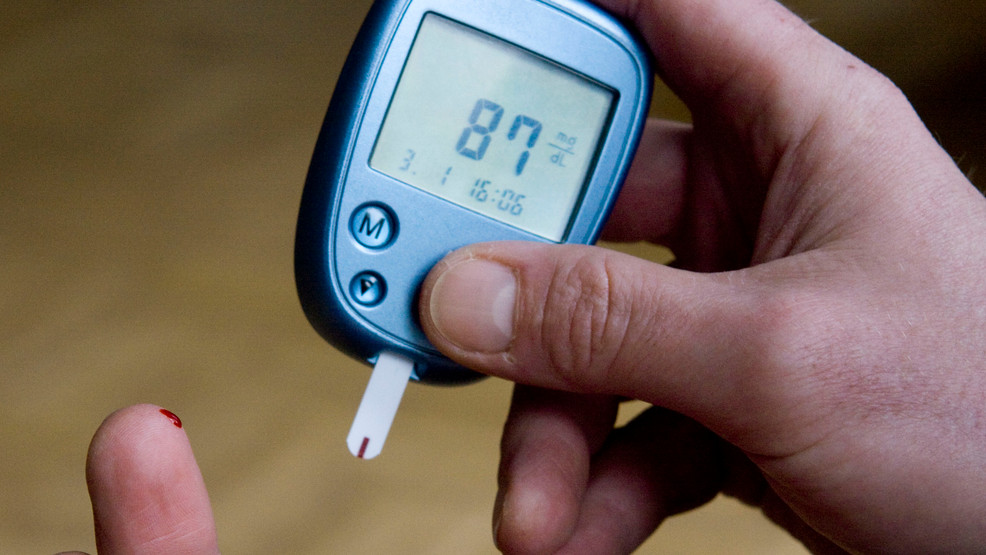
A small clinical trial suggests that a single infusion of the stem cell-based drug zimislecel may cure severe type 1 diabetes in most patients, eliminating the need for insulin and improving hypoglycemic unawareness, though long-term effects and safety require further study.
Researchers at Melbourne's Doherty Institute have developed a pioneering mRNA-based method to target and activate dormant HIV reservoirs, potentially paving the way for a cure. This 'shock and kill' strategy uses lipid nanoparticles to deliver instructions to wake the virus, allowing it to be targeted and destroyed, and represents a significant breakthrough in HIV treatment research. The approach is still in early testing stages, with animal trials planned before human trials, but it leverages the same technology used in COVID-19 vaccines, promising scalable and accessible solutions in the future.
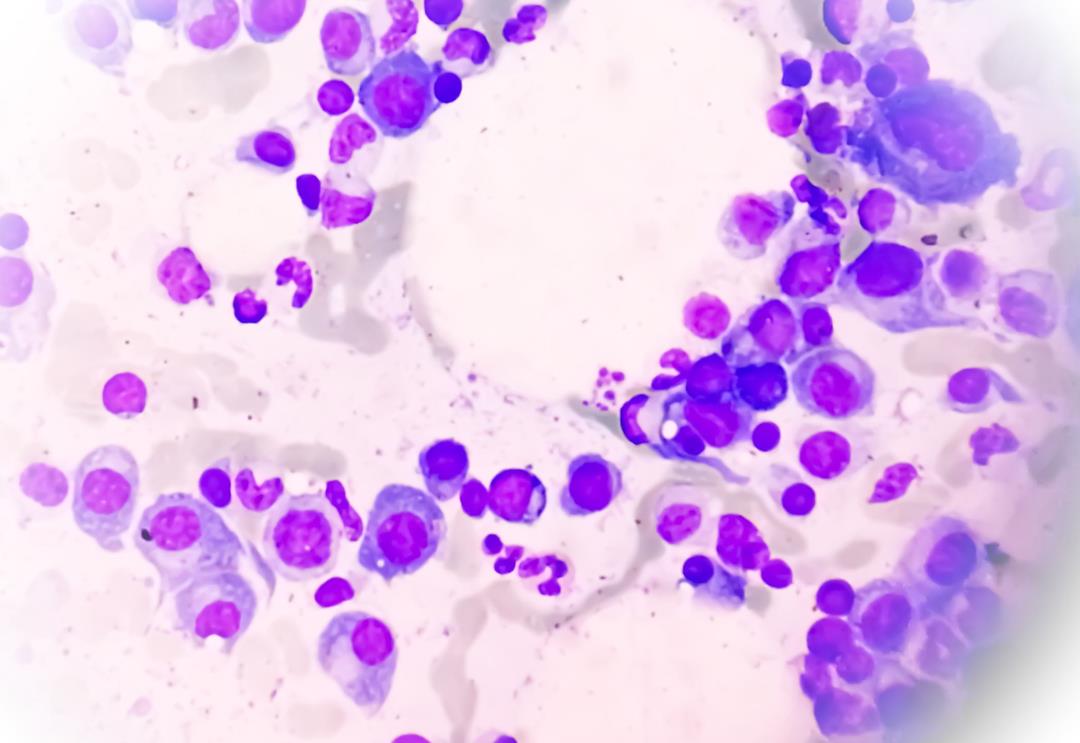
A new CAR-T immunotherapy developed by Legend Biotech and marketed by Johnson & Johnson has shown promising results in treating advanced multiple myeloma, with about a third of patients experiencing long-term remission, prompting discussions of a potential cure for this previously incurable blood cancer.
A viral TikTok hack suggesting that eating a meal of cola and fries can help manage migraines is discussed, but experts warn that migraines are complex neurological conditions with no simple cure. While caffeine in cola may temporarily help some, excessive consumption can trigger migraines or worsen the condition. Lifestyle changes and medical treatments like Botox and new medications show more promise, but there's no quick fix. The article emphasizes the importance of proper management and caution against unproven social media remedies.
Researchers in Shanghai have potentially cured a 59-year-old patient's type 2 diabetes by reprogramming his blood stem cells into insulin-producing pancreatic cells. After a successful transplant, the patient stopped using external insulin and oral medication, maintaining insulin production for 33 months. This breakthrough, published in Cell Discovery, offers hope for future treatments and possibly for type 1 diabetes.
Dragon's Dogma 2 features a divisive element called Dragonsplague, a pawn-infecting sickness that can lead AI companions to commit murder. Modders have now developed mods to make the plague easier to track or remove it entirely from the game, offering options such as a counter to indicate infection levels and ways to cure or prevent the sickness. While some argue that dealing with Dragonsplague is part of the game's intended challenge, these mods provide an alternative for players who prefer to avoid the risk altogether.
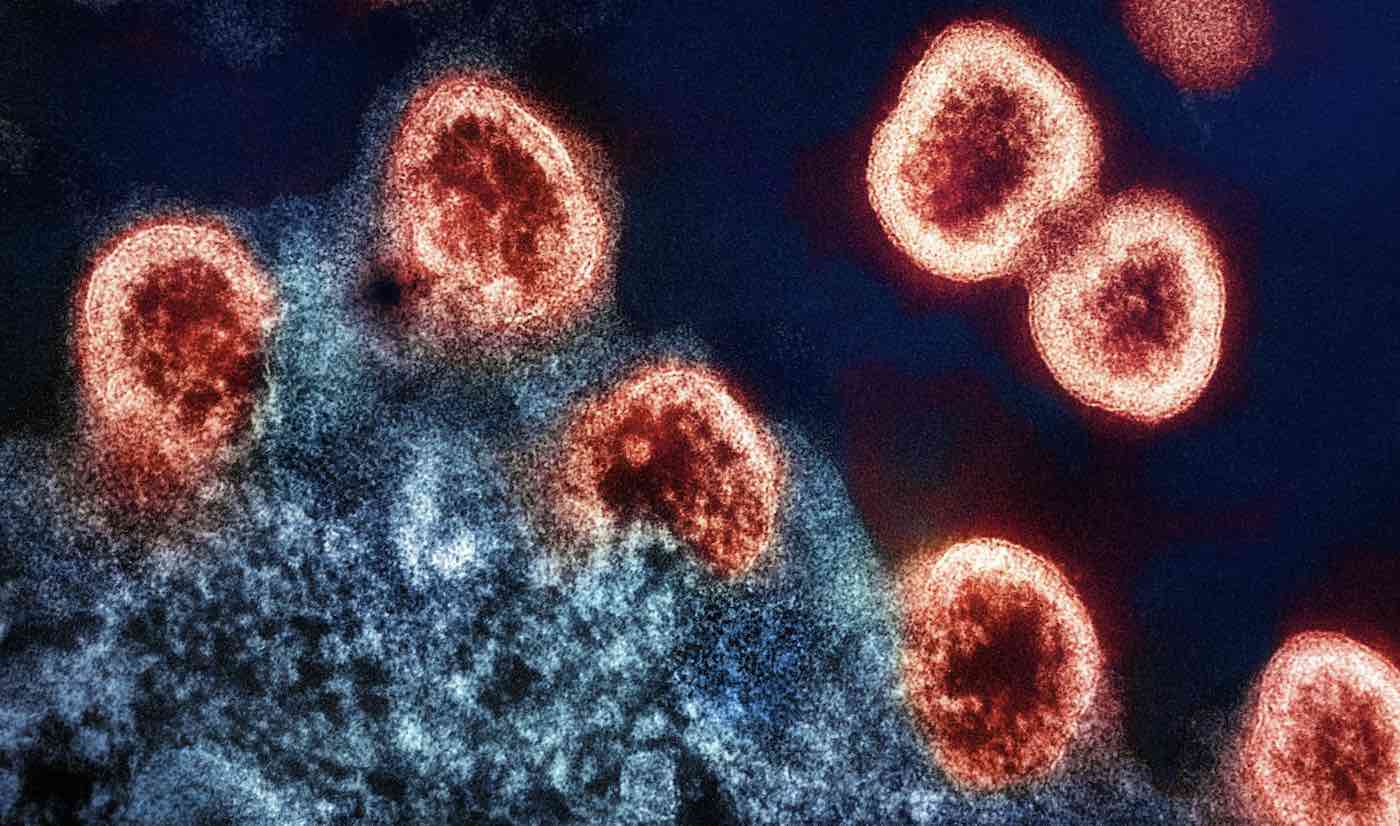
Researchers have developed a potential HIV cure using HIV-like particles (HLP) to trigger an immune response and eliminate latent HIV from the body, making it 100 times more effective than other candidate therapeutics. The HLP therapy, when combined with antiretroviral treatment, was found to specifically target immune cells containing latent HIV reservoirs in patients with chronic HIV. The approach also showed promise in treating various HIV subtypes globally, offering hope for a future cure for the infection.
Scientists have discovered a potential cure for HIV using CRISPR-Cas gene editing technology, which can 'cut out' HIV DNA from infected cells. The study, presented ahead of the European Congress of Clinical Microbiology and Infectious Diseases, demonstrated the efficient use of CRISPR-Cas and guide RNAs to inactivate and eliminate HIV from various cells and locations where it can be hidden in reservoirs. While the cure is not yet available for patients, the findings represent a significant advancement towards designing a cure strategy for HIV.
A new clinical trial suggests a potential approach to curing HIV by using a treatment that can drive the virus out of its hiding spots in the body, raising hopes that these reservoirs of HIV could then be wiped out. The treatment involves waking up latent HIV with a drug called vorinostat and then using patients' own immune cells to attack the virus. While the results are not a complete success, they indicate that this strategy is deserving of further research and could potentially lead to a cure for HIV.
Scientists have made a significant breakthrough in the search for an HIV cure by using "genetic scissors" to eliminate the virus from infected cells in the laboratory. This technique could potentially lead to a treatment that eliminates the need for lifelong antiviral medication. While the findings are promising, it is still premature to declare a functional HIV cure on the horizon, and significant work is needed to turn this proof of concept into a viable treatment. Other research has also shown promise in reversing HIV's ability to escape detection by the immune system.