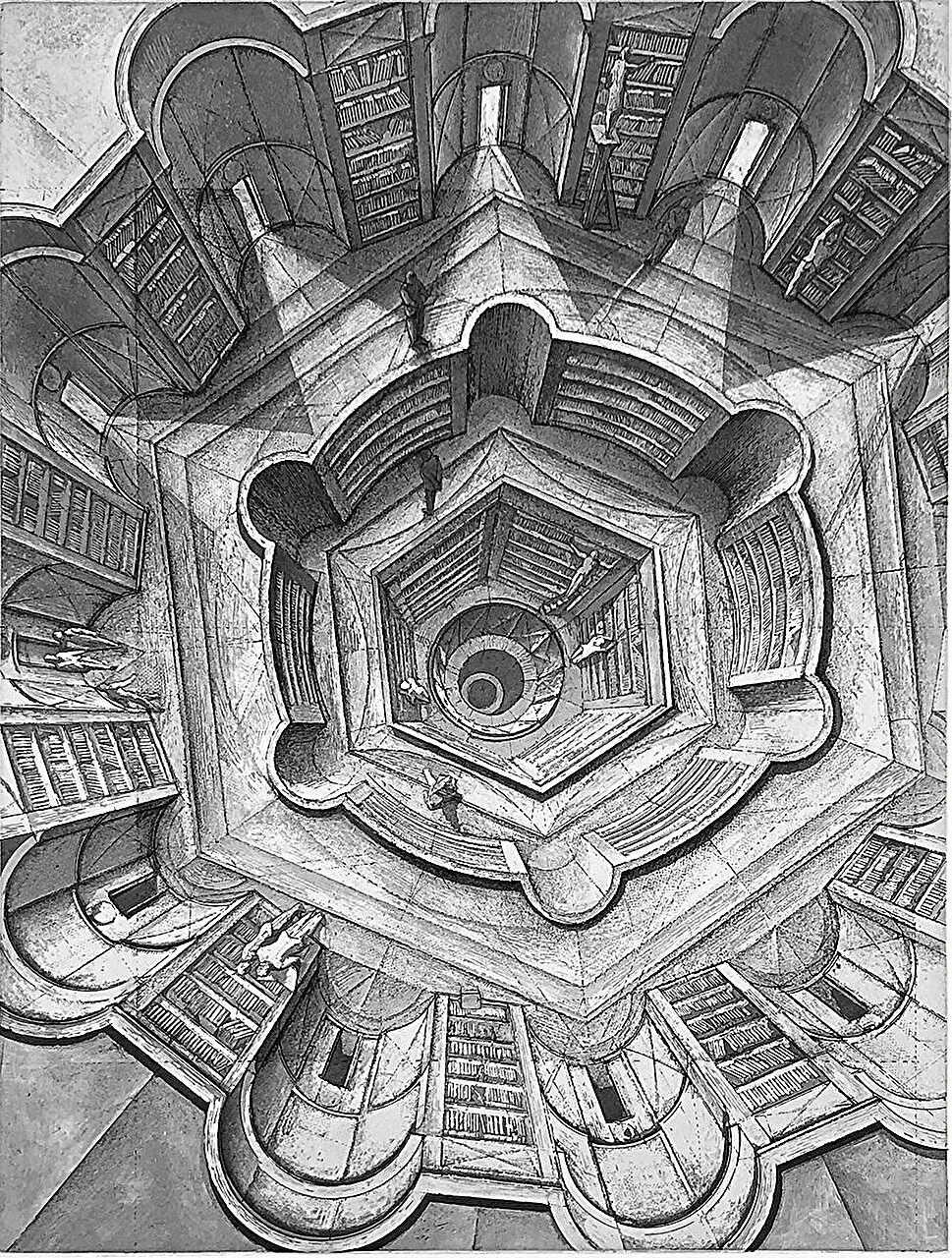
A study describes a 17-year-old girl with hyperthymesia who has an extraordinary, organized internal memory system that allows her to vividly relive past events with emotional depth, structured in a mental 'white room' with dedicated spaces for different memories and emotional states.
A 17-year-old girl from France with hyperthymesia demonstrates extraordinary abilities to vividly recall past events and mentally project into the future, showcasing advanced mental time travel capabilities, with potential links to rare cognitive traits in her family.
A teenage girl with hyperthymesia demonstrates extraordinary vivid and organized autobiographical memories, along with the ability to mentally revisit past and future events, providing new insights into memory organization and emotional regulation. The case highlights her structured internal memory system and raises questions about memory control and emotional management, opening avenues for future research.
A rare case study of a 17-year-old girl with hyperthymesia reveals her exceptional ability to vividly recall and organize personal memories with control, using mental 'rooms' for different themes and emotions, and highlights the overlap between remembering and imagining future events, offering insights into cognition and potential therapeutic approaches.
A 17-year-old girl with autobiographical hypermnesia demonstrates extraordinary control over her detailed memories, organized in a mental 'memory palace,' providing insights into how exceptional autobiographical memory functions and its potential links to neurological conditions like synesthesia, opening new avenues for research.
A study involving individuals with and without aphantasia found that those with the condition struggle more with recalling personal memories due to differences in their hippocampus and occipital lobe, which affects their ability to generate mental images. The findings suggest that vivid autobiographical memories are closely linked to the ability to visualize, with implications for understanding memory functions and potential therapies, including memory enhancement techniques for conditions like Alzheimer’s disease.
Kindness meditation, a form of meditation focused on unconditional kindness, has been found to enhance memory recall in individuals with a history of depression. In a study involving 50 students with a prior history of depression, those who engaged in daily kindness-focused meditation for four weeks experienced a greater increase in the retrieval of specific memories compared to a control group that performed coloring activities. Both the meditation and coloring groups showed improved recall of positive-specific memories, but the meditation practice demonstrated a notable potential in making memories more specific and positive. This suggests that kindness and self-compassion meditations could be a promising intervention to influence autobiographical memory and reduce cognitive vulnerability to depression.