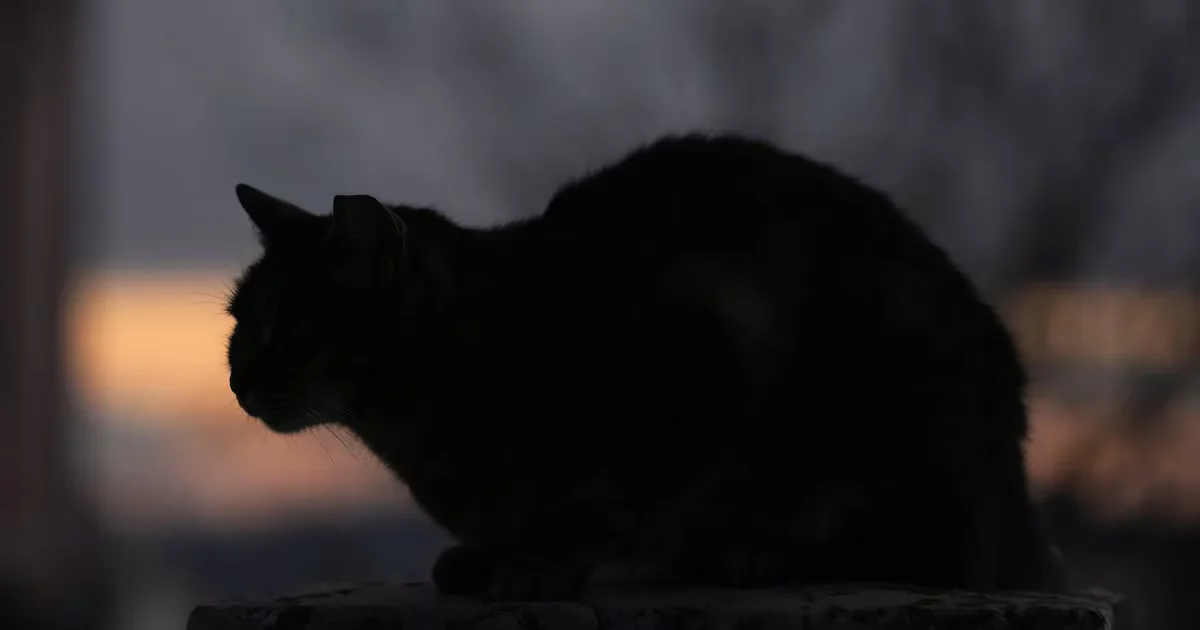
Cats Mirror Human Breast Cancer, Paving Cross-Species Treatment Paths
A Science study analyzing nearly 500 feline tumors from five countries across 13 cancer types finds genetic similarities with human cancers, notably FBXW7 mutations in feline mammary tumors that mirror aggressive human cases; two chemotherapy drugs show promise against these tumors in cats, suggesting a potential path for new treatments in humans and enabling faster veterinary testing—highlighting cats as a valuable model for cancer biology and shared environmental factors.