Tag

Electromagnetic Radiation

All articles tagged with #electromagnetic radiation

science-and-technology2 years ago

"NASA's Warning: Impending Solar Storm Threatens Global Electronics and Environmental Systems"

NASA is developing an early warning system called Dagger, which uses artificial intelligence to predict solar storms and provide Earth with a 30-minute notice before they hit. Solar storms, such as solar flares and coronal mass ejections, can cause major disruptions to electronics and power grids. By monitoring data from satellites, NASA aims to prevent future blackouts and electrical disruptions caused by these storms.


technology2 years ago

France's iPhone 12 Ban Exposes Apple's Radiation Risks

France has banned the sale of iPhone 12, claiming that the device emits electromagnetic radiation levels above EU standards. The country's radiation watchdog, ANFR, found that the iPhone 12's Specific Absorption Rate (SAR) exceeded the allowed limit. However, ANFR stated that a software update could resolve the issue. France's minister in charge of digital issues noted that while the iPhone 12's radiation levels are higher than EU standards, they are still considered significantly lower than dangerous levels. Apple has rejected ANFR's claims, stating that the iPhone 12 is compliant with global radiation standards and will contest the ban.

technology2 years ago

France Halts iPhone 12 Sales Over Radiation Concerns

French regulators have ordered Apple to cease sales of the iPhone 12 in France due to the model emitting higher levels of electromagnetic radiation than permitted. The French agency responsible for regulating radio frequencies found that the iPhone 12 exceeded the European standard for electromagnetic absorption by the body. Apple has been instructed to fix existing handsets and bring them into compliance, or face a recall. Regulators in various countries impose limits on radiation emissions from mobile phones to prevent potential health risks, although the World Health Organization has stated that no adverse health effects have been established from mobile phone use.

technology2 years ago

"SpaceX's Starlink Satellites: Leaking Radiation and Dodging Objects in Orbit"

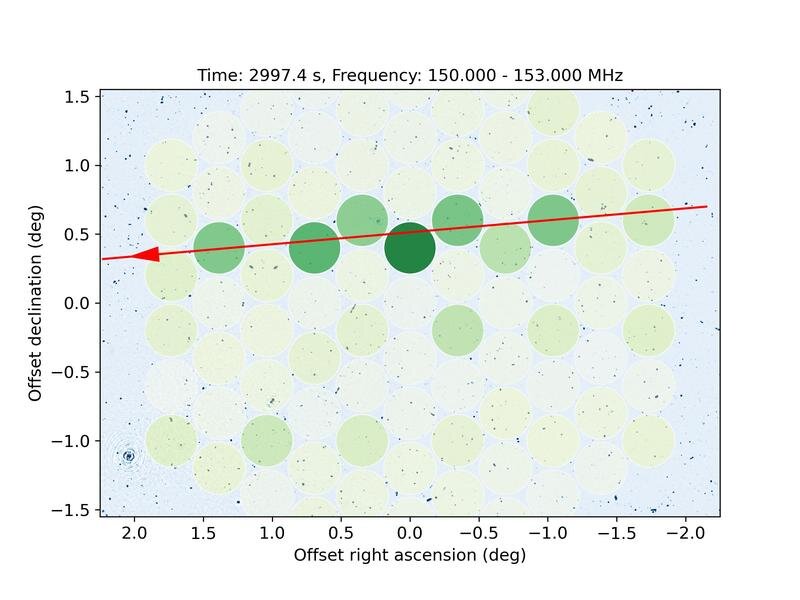
Some SpaceX Starlink satellites are emitting low-frequency radio waves, which could potentially interfere with astronomical research, according to scientists who used the Low Frequency Array (LOFAR) telescope in the Netherlands to observe the electromagnetic radiation from satellites in large constellations for the first time. The radiation, detected from onboard electronics, was found to be within a protected band allocated to radio astronomy. While SpaceX is not violating any rules, the International Astronomical Union called for collaboration between satellite operators and astronomers to proactively mitigate the impact of unintended emissions on important astronomical projects. SpaceX has reportedly offered to discuss possible ways to address the issue and has already introduced changes to its next generation of satellites.

space-technology2 years ago

"Starlink Satellites: Dodging Objects, Leaking Radiation, and Disturbing Astronomy"

SpaceX's Starlink satellites have performed over 25,000 avoidance maneuvers in a six-month period, double the previous reporting period, as low Earth orbit becomes more crowded. The company uses a stringent threshold for maneuvering, moving satellites when the probability of collision exceeds 1 in 100,000. Over 1,300 maneuvers were made to avoid debris from Russia's anti-satellite weapon test. Additionally, a study found that Starlink satellites emit unintended electromagnetic radiation that could impact astronomical research, with simulations showing a compounding effect from larger constellations. The International Astronomical Union has been vocal about the potential impacts of satellite constellations on astronomy, and SpaceX has introduced changes to mitigate the emissions in the next generation of Starlink satellites.

technology2 years ago

Starlink Satellites: Leaking Radiation and Dodging Objects, Threatening Astronomy

Germany's Max Planck Institute for Radio Astronomy has found that SpaceX's Starlink satellites are emitting unintended electromagnetic radiation, which could impact astronomical research. The radiation, detected in the frequency range between 110 and 188 megahertz, overlaps with protected radio frequencies for astronomical observations. Although the emissions are weak, they are comparable or even stronger than radio waves from distant celestial objects due to the satellites' close proximity to Earth. SpaceX is in contact with the institute and has introduced changes in the second generation of its satellites to mitigate the emissions. However, the issue of satellite reflections, which affect astronomical observations, still persists.

science-and-technology2 years ago

Satellite Constellations' Radio Interference Threatens Astronomical Observations

Scientists using the LOFAR telescope have detected unintended electromagnetic radiation emanating from SpaceX's Starlink satellites. This unintended radiation, separate from communications transmissions, could impact radio astronomy and the study of faint signals from the universe. The researchers urge satellite operators and regulators to consider this impact and develop regulations to protect radio astronomy bands. SpaceX has expressed willingness to collaborate and has made changes to mitigate the emissions in their next generation of satellites. Further research is planned to investigate unintended emissions from other satellite constellations.