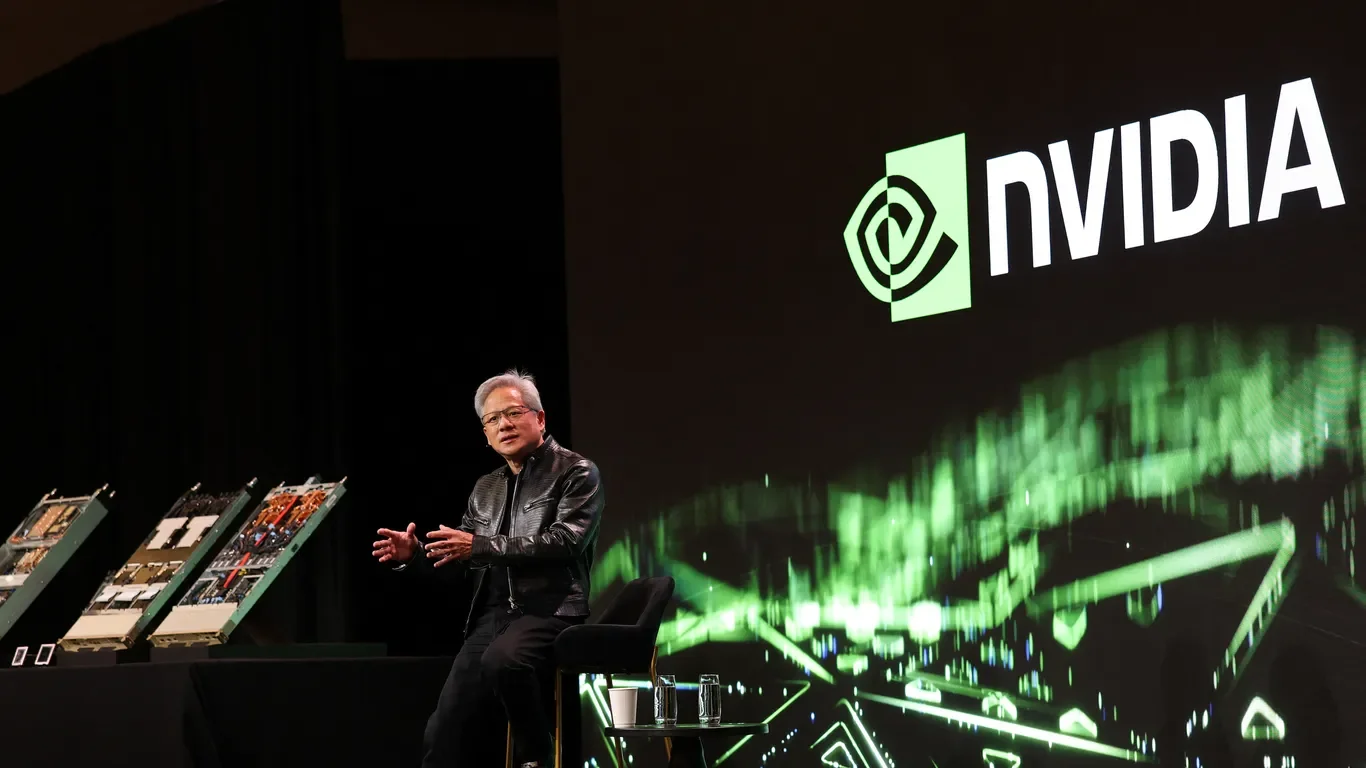
Meta will buy millions of Nvidia chips—including Grace CPUs, Blackwell GPUs, and Vera Rubin systems—for its U.S. data-center rollout, signaling a shift toward AI inference over training and locking in scarce next-generation compute as hyperscalers maintain heavy AI-spending.
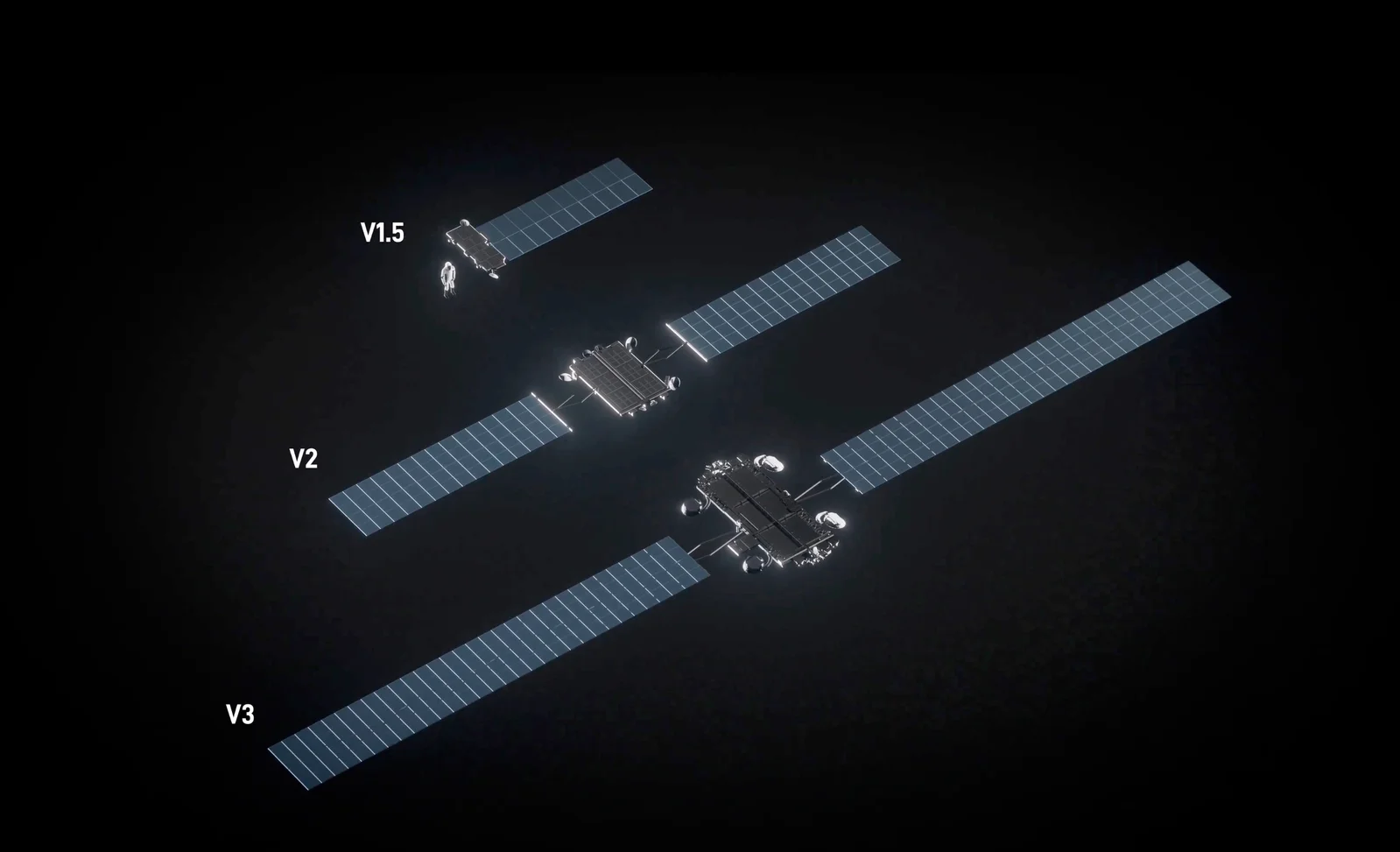
SpaceX has asked the FCC to authorize a constellation of up to one million satellites in low Earth orbit that would act as an orbital data center, using near-constant solar power and intersatellite optical links (with Ka-band as a backup) to deliver AI compute from space. The satellites would operate at 500–2,000 km with 30-degree and sun-synchronous inclinations to maximize sun exposure; SpaceX says the system could reduce terrestrial data-center costs and environmental impact while enabling rapid AI processing, though the filing provides few technical details and seeks waivers from usual deployment milestones with no schedule or price disclosed. The plan aligns with SpaceX’s AI ambitions and broader corporate moves, including IPO considerations and potential ties to xAI.
Two AI-forward plays—AMD and CleanSpark—could deliver substantial five-year upside as AI compute demand expands: AMD's data-center GPUs and Helios roadmap support accelerating revenue growth, while CleanSpark leverages its Bitcoin-mining assets to build AI-ready data centers and pursue long-term hyperscaler deals, with favorable valuations backing upside.
CoreWeave's stock surged after a bullish analyst rating, driven by soaring demand for AI computing services, but concerns remain about its heavy capital expenditure, high debt levels, and slowing growth, raising questions about its long-term profitability and valuation.
OpenAI has signed a $38 billion, seven-year deal with Amazon Web Services to access extensive cloud computing resources, including Nvidia GPUs, to support its AI models like ChatGPT, marking a significant shift after restructuring and reducing reliance on Microsoft.