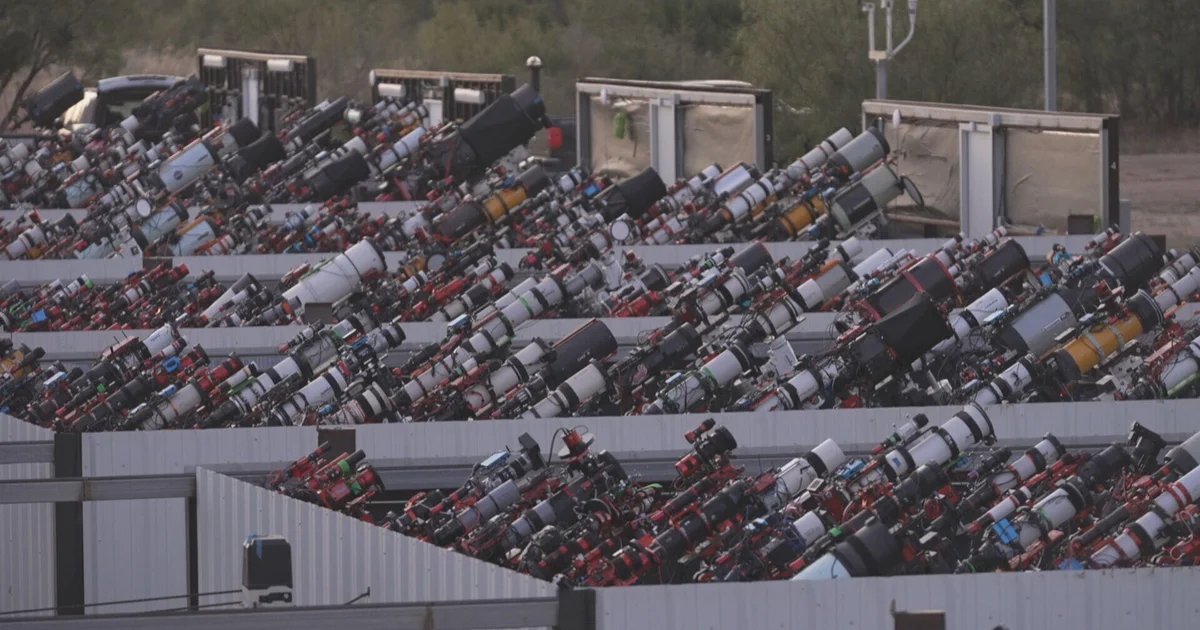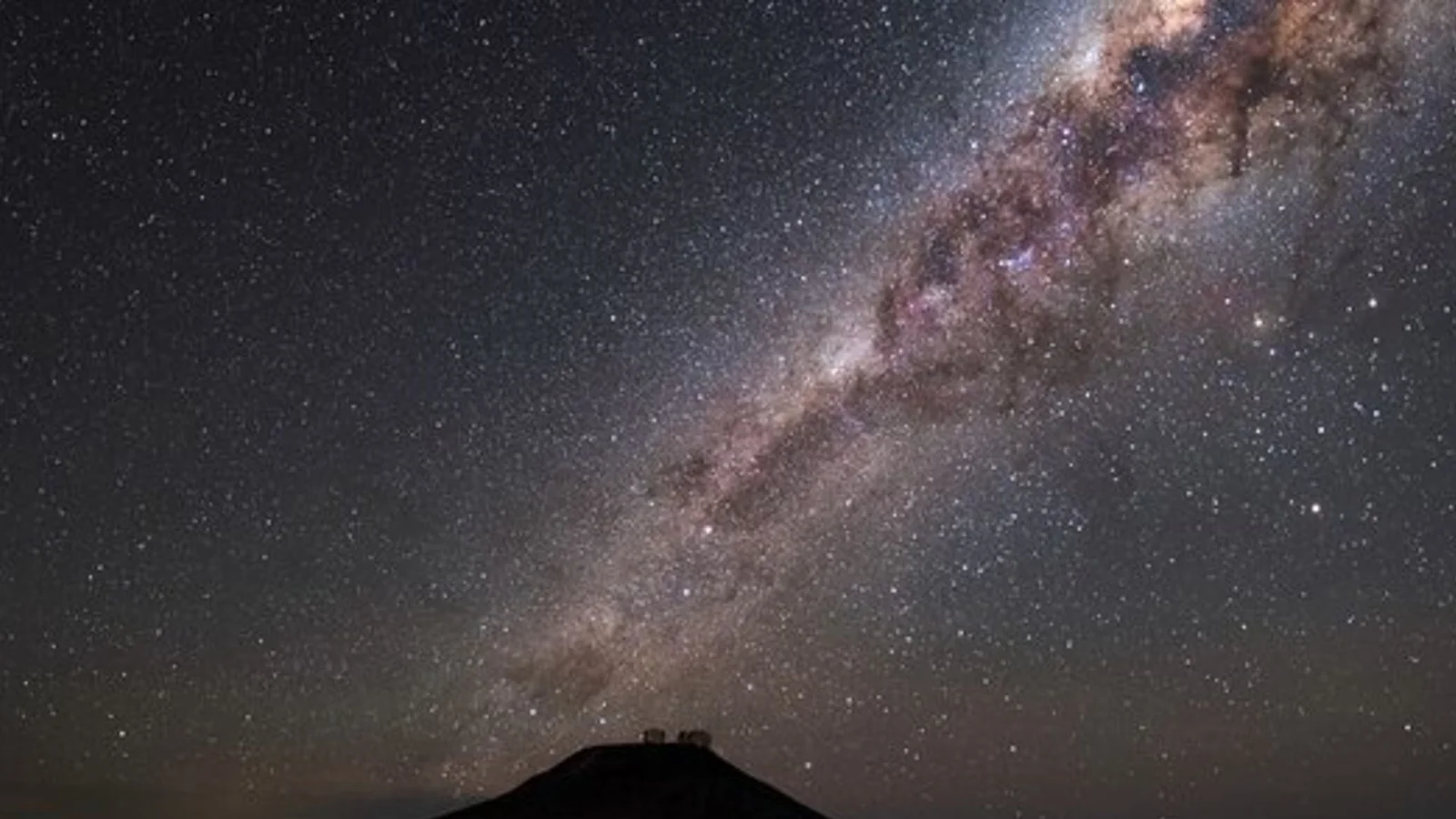
A remote telescope farm in Texas, created by amateur astronomer Bray Falls, allows global customers to control telescopes remotely and observe the night sky despite increasing light pollution, helping to preserve the wonder of stargazing and facilitate space discoveries.
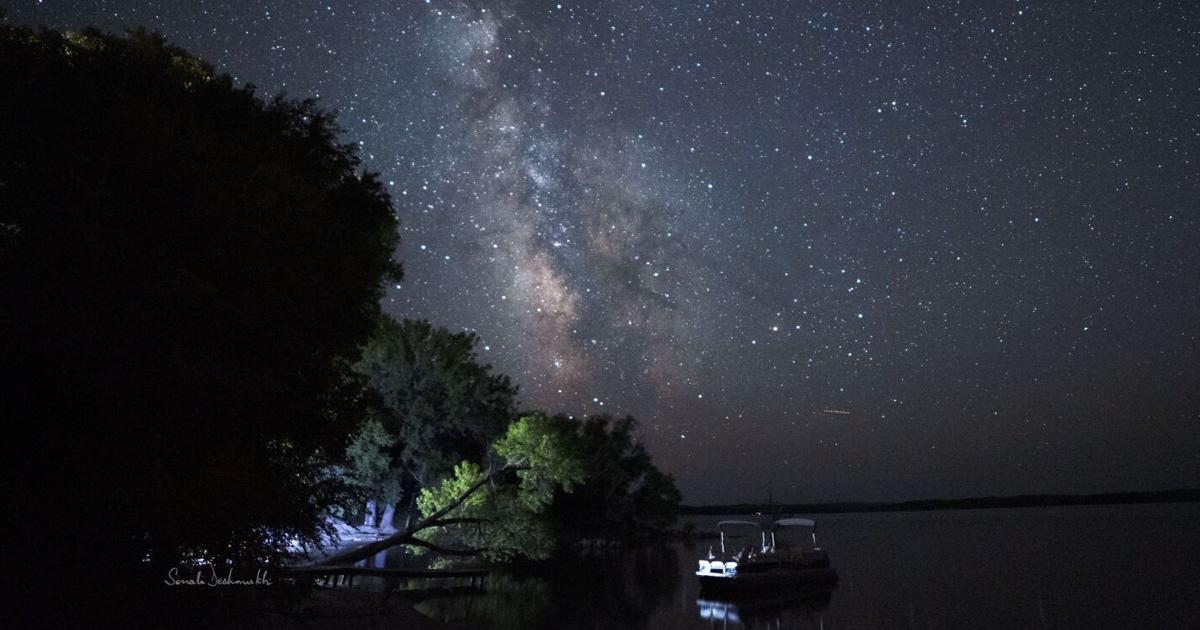
The upcoming week offers an excellent opportunity for stargazing and viewing the summer Milky Way due to the new moon and clearer skies, although light pollution in urban areas limits visibility. The article highlights the beauty of dark skies, personal experiences of star observation, and the impact of light pollution on our ability to see the night sky.
Great Basin National Park in Nevada is renowned for its dark skies, making it an ideal location for astronomy and scientific research, including hosting the only research-grade observatory within a U.S. national park, which contributes to both scientific discoveries and educational efforts to preserve night sky visibility.
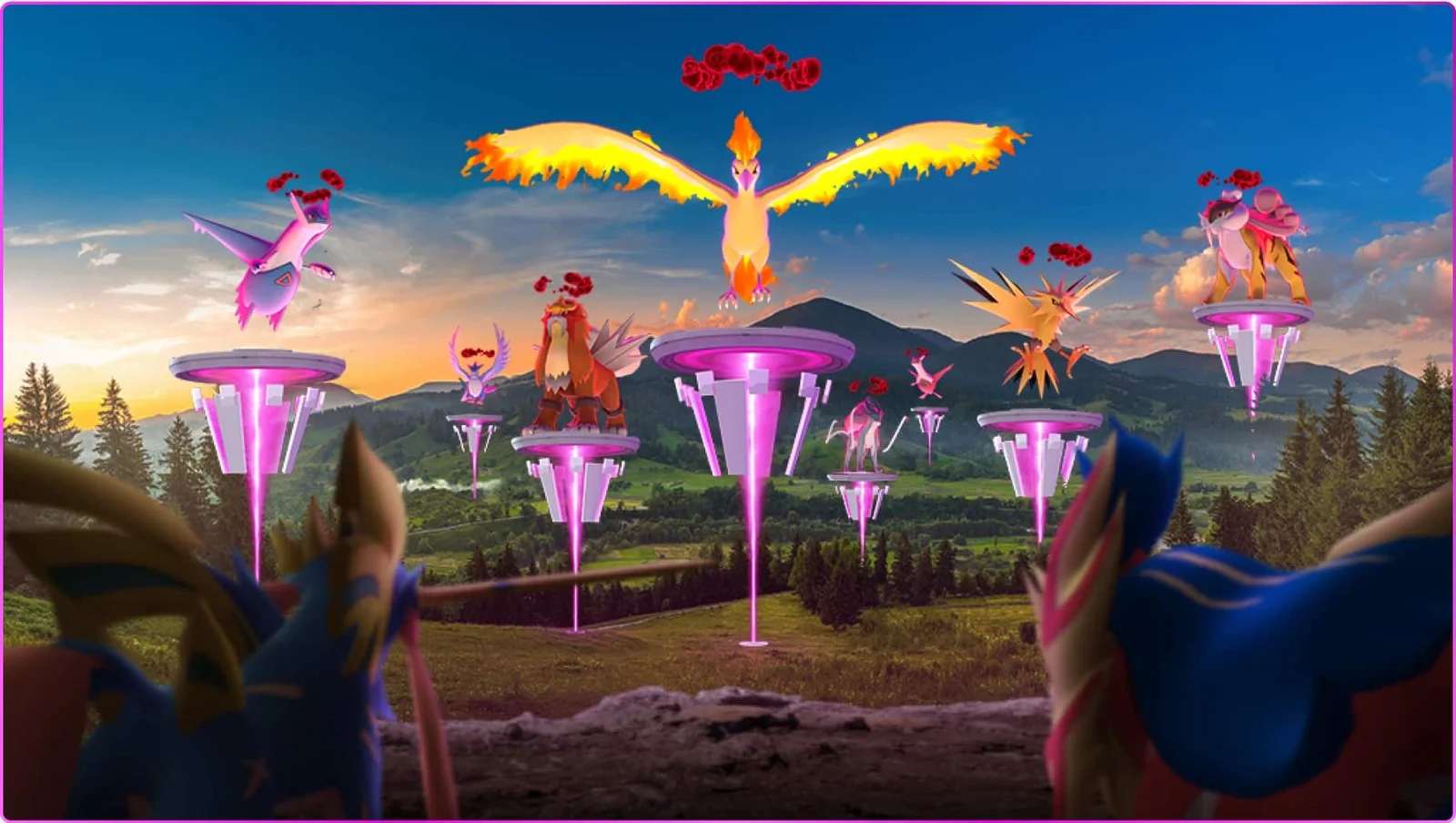
The Dark Skies event in Pokémon Go features Eternatus's debut, special Max Battles, raid schedules, and wild Pokémon spawns, with a limited-time Timed Research quest offering rewards like Zacian and Zamazenta Candy. The event includes increased raid and Power Spot activity, new backgrounds, and a Go Pass Max Finale battle pass, culminating in the Go Fest Max Finale on August 24th.
Pokémon GO's week from August 18-24 features the debut of Eternatus, the Dark Skies event, GO Fest Finale, and various raids including Necrozma, Zacian, and Zamazenta, along with weekly events like Spotlight Hour and Raid Hours, plus ongoing Battle League and seasonal bonuses.
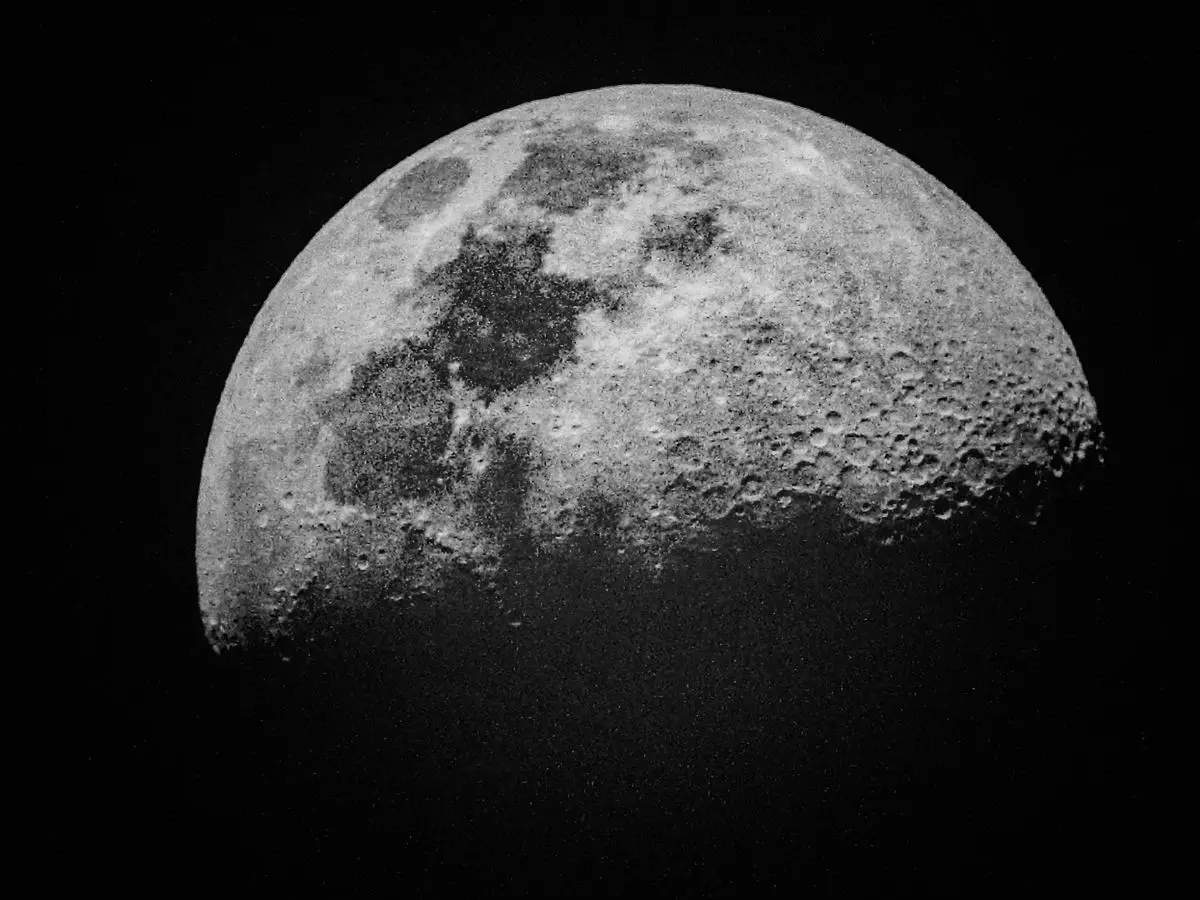
A rare seasonal black moon will occur on August 23, 2025, disappearing from the sky and creating darker conditions ideal for stargazing, marking the last such event until 2027.
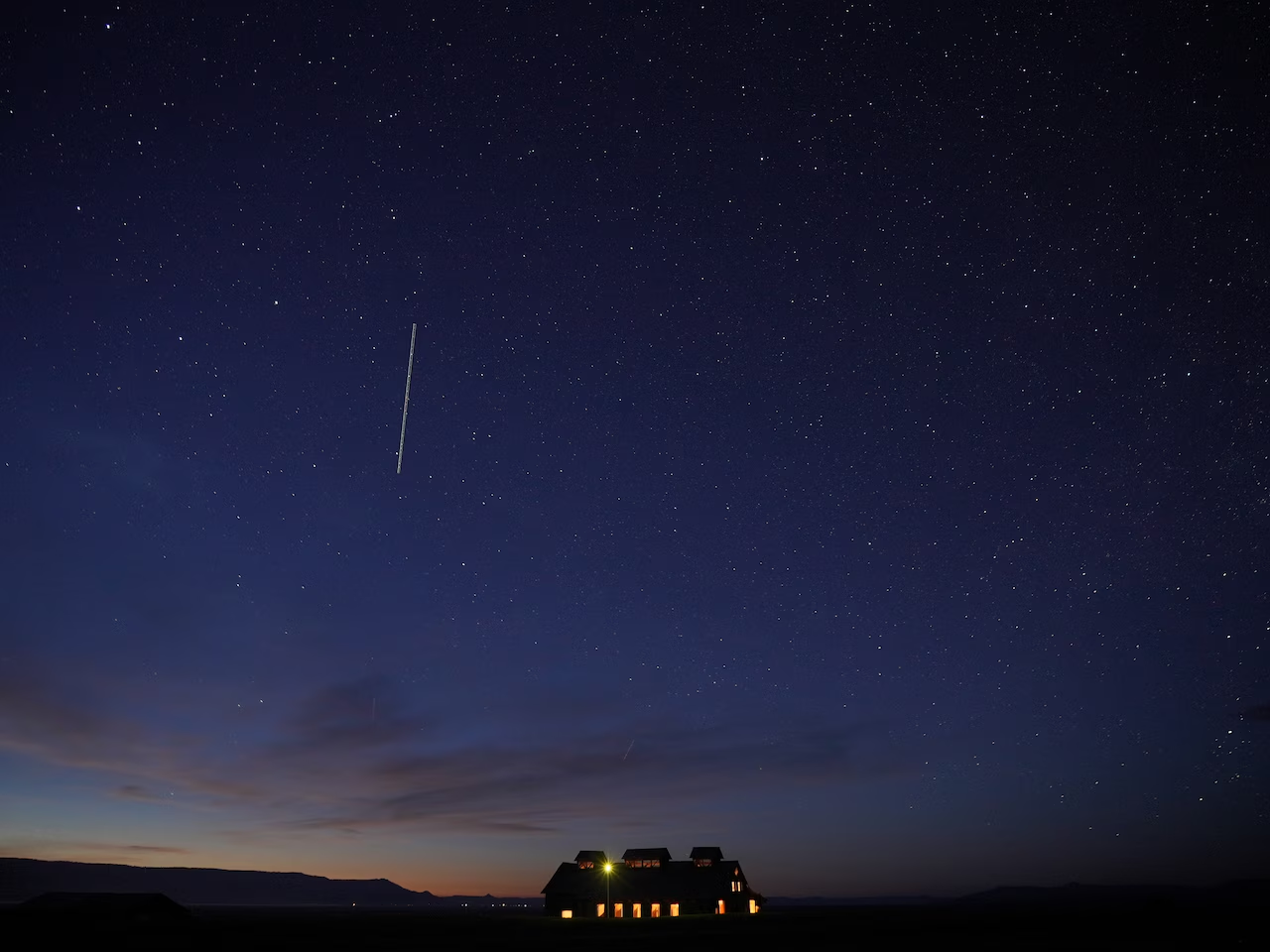
The Perseid meteor shower, one of the year's best celestial events, is visible from Oregon's dark sky locations, with peak viewing between August 9-13, despite moonlight interference. The event offers a great opportunity for stargazers to see bright meteors and fireballs, especially in areas with minimal light pollution, such as Oregon's Dark Sky Places.
Pokémon GO's Dark Skies event runs from August 18-23, 2025, offering trainers level 13+ a week of raids, Max Battles, increased bonuses, and encounters with Dynamax and Gigantamax Pokémon, culminating in the Max Finale featuring Legendary Pokémon Eternatus and special Raid Hours for Zacian and Zamazenta.
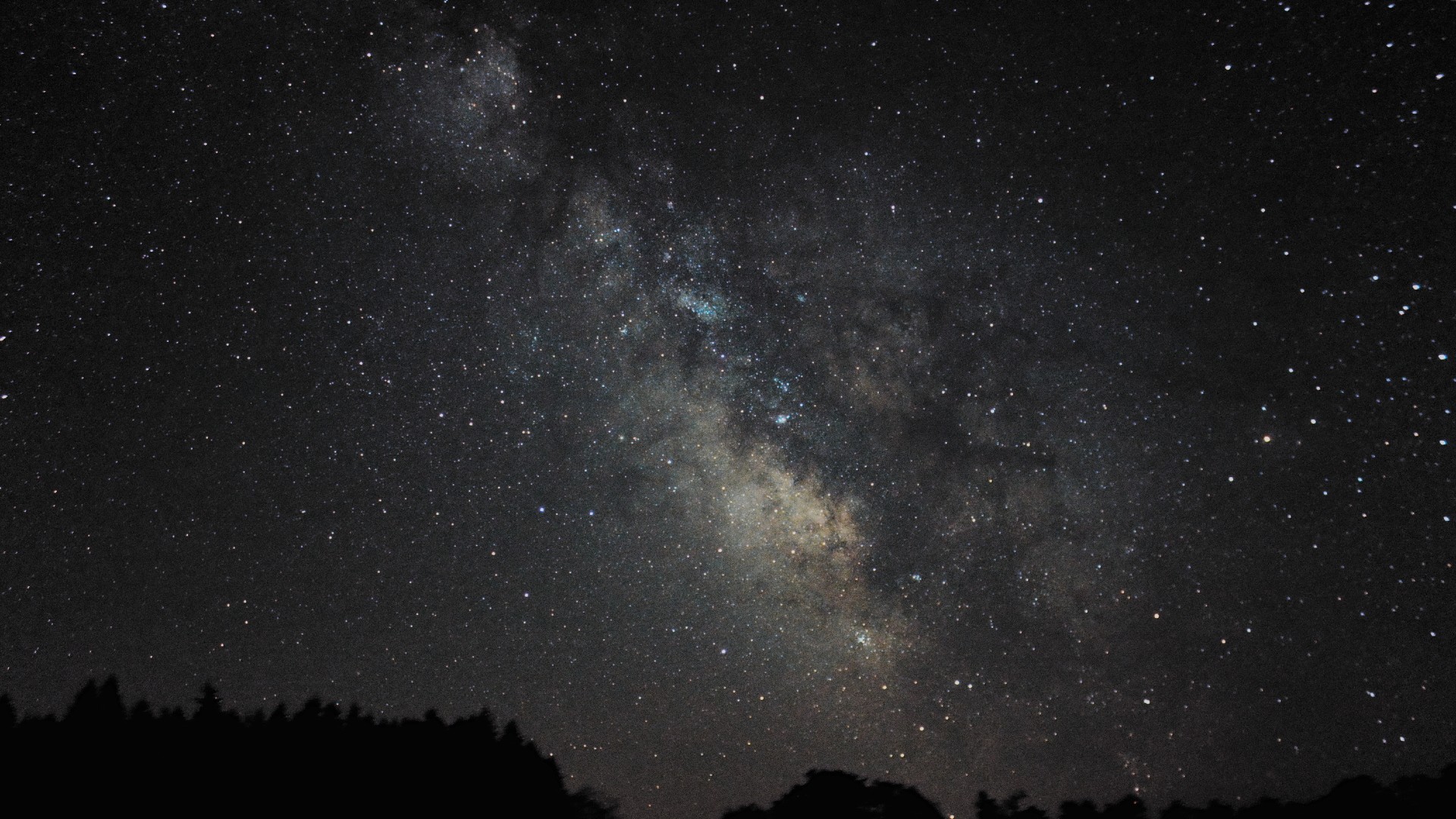
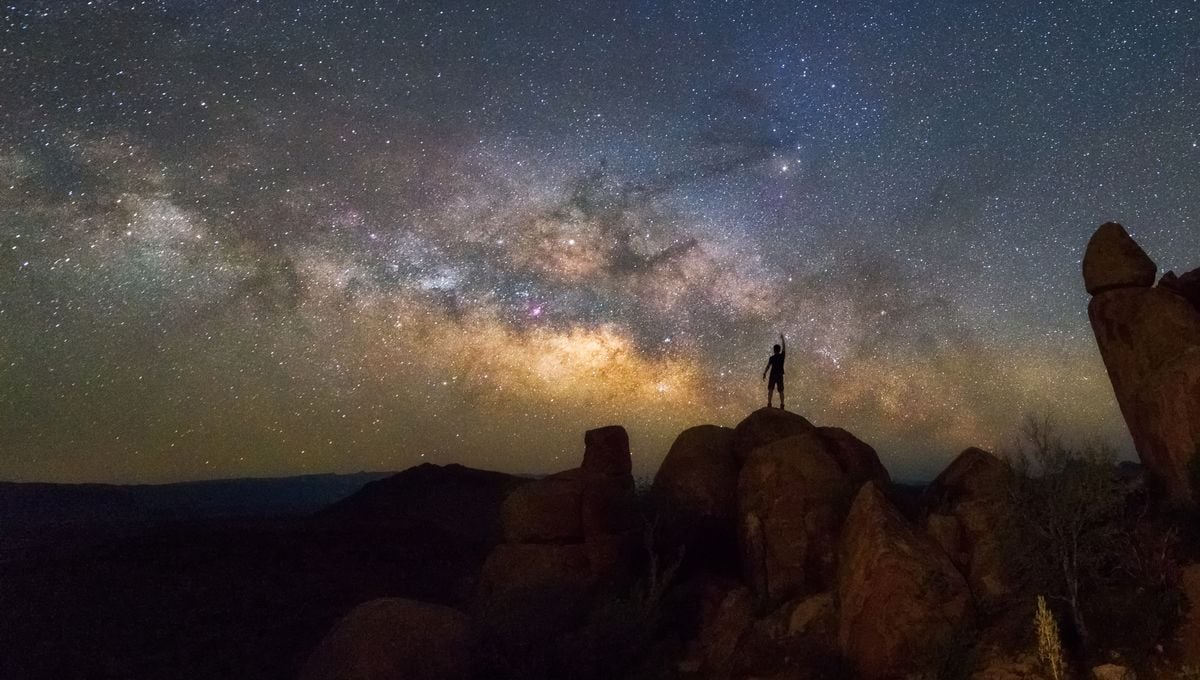
June is the best time to view the glowing core of the Milky Way from dark, secluded locations, offering a spectacular sight of our galaxy's central region, especially when using long-exposure photography and identifying the Summer Triangle as a guide.
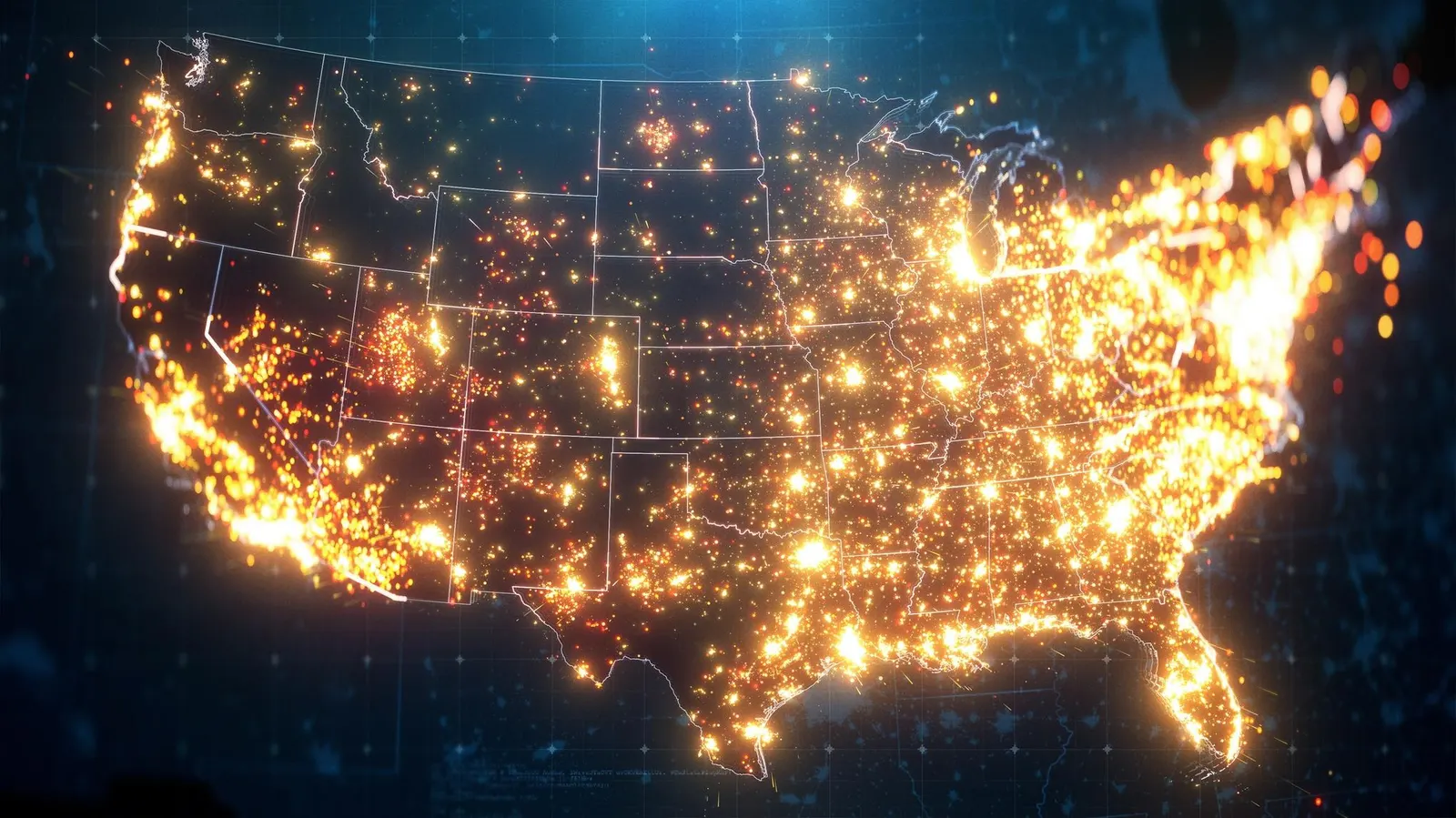
In her new book "All Through the Night," Dani Robertson highlights the growing issue of light pollution and the diminishing accessibility of dark skies, emphasizing that the night sky should be for everyone. She criticizes the spread of light pollution and the failure to address it despite the availability of solutions like LED lighting. Robertson also addresses the fear of the dark and its impact on societal issues, while providing practical tips for being dark sky-friendly. She urges readers to fall in love with the night and take action to protect it before it's lost forever.
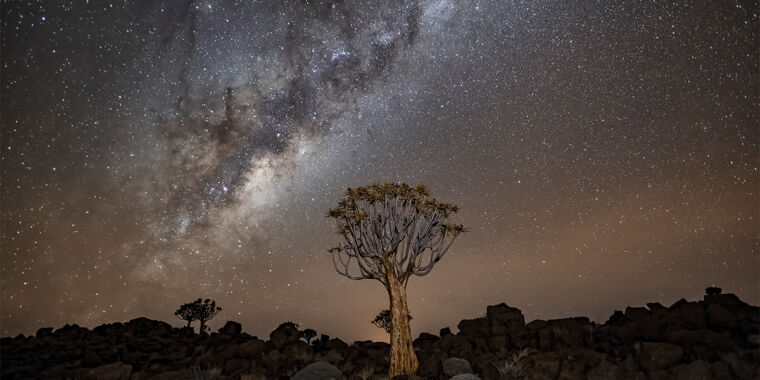
Photographer Curt Belser captured a stunning image of the Milky Way Galaxy rising over a quiver tree in southern Namibia. The Moon had already set, enhancing the darkness of the skies in this remote part of Africa, known for its exceptionally dark skies. Belser took multiple exposures, including a 30-minute exposure to capture star trails, and marveled at the spectacular view, appreciating how ancient civilizations built their mythologies around the night sky.
The Merritt Reservoir State Recreation Area in Nebraska has become the state's first certified International Dark Sky Park, boasting some of the darkest skies on Earth. The 30th annual Nebraska Star Party attracted a record turnout of 382 registered stargazers, despite thunderstorms and haze from Canadian wildfires. While the park achieved Dark Sky Park status, there were whispers that bureaucracy prevented it from becoming a Dark Sky Sanctuary. The event highlighted the rarity of dark skies in the 21st century due to light pollution, with the Milky Way no longer visible to roughly one-third of the planet.
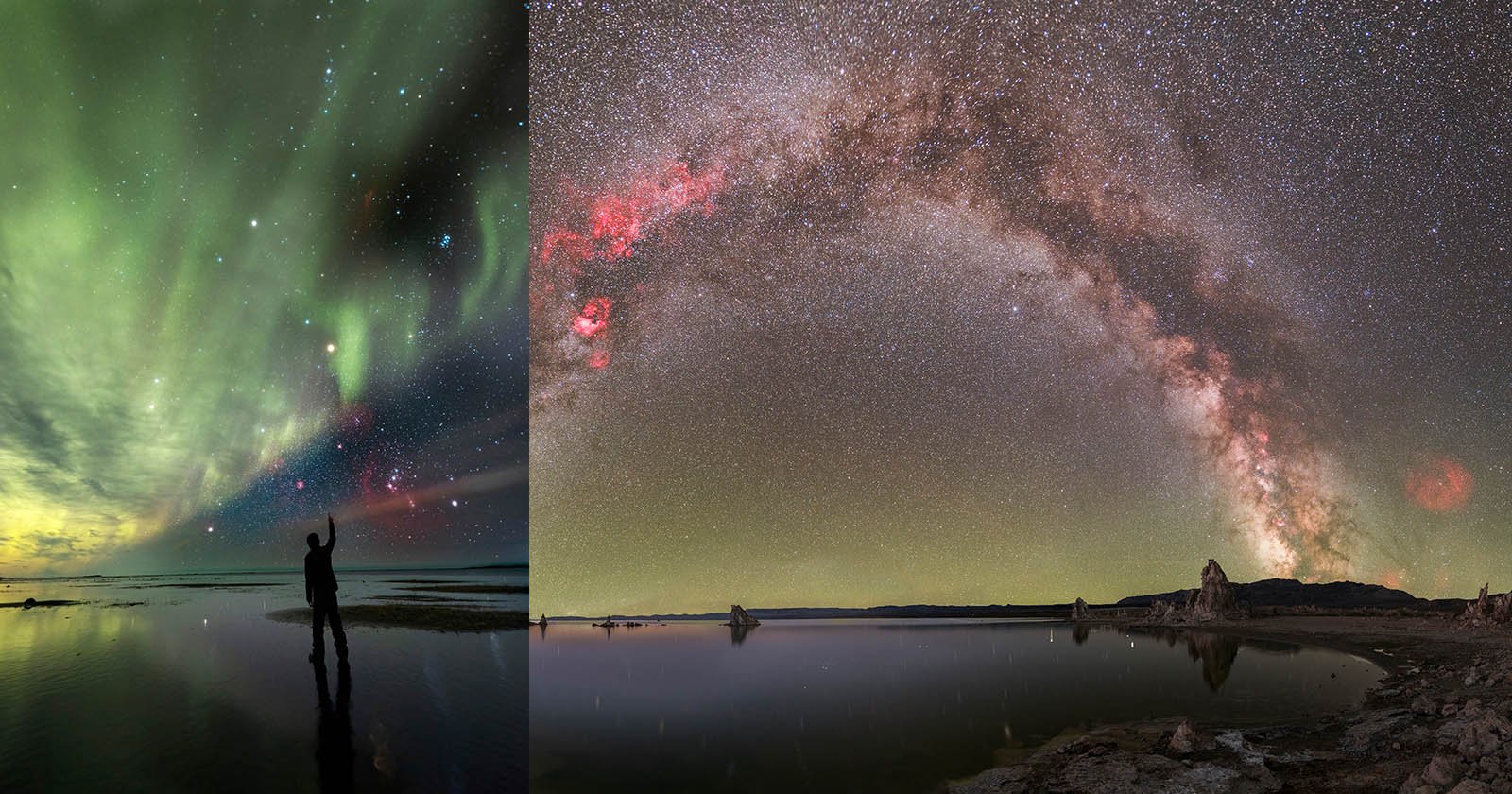
Bortle Class 1 skies, characterized by minimal light pollution, offer the best conditions for astrophotography. These pristine skies allow for the capture of celestial waveforms and the observation of deep-sky objects such as the Milky Way, Andromeda Galaxy, Orion Nebula, and Pleiades star cluster. In addition, Bortle 1 skies provide opportunities to witness natural phenomena like the Northern and Southern Lights (Aurora Borealis and Aurora Australis), the faint glow of the zodiacal light, and the subtle radiance of airglow. These breathtaking sights highlight the beauty and vastness of the universe.
Astro-tourism, the act of traveling to natural, dark-sky locations to witness astronomical events, is gaining popularity as light pollution prevents most people from seeing the Milky Way from their homes. In addition to chasing eclipses, such as the upcoming annular solar eclipse in 2023 and total eclipse in 2024, astro-tourists can also enjoy meteor showers, which occur when Earth passes through comet dust. Tips for aspiring astro-tourists include considering the phase of the Moon, checking weather conditions, finding dark-sky locations using light pollution maps, arriving early to adapt to the dark, and using red light to preserve night vision.