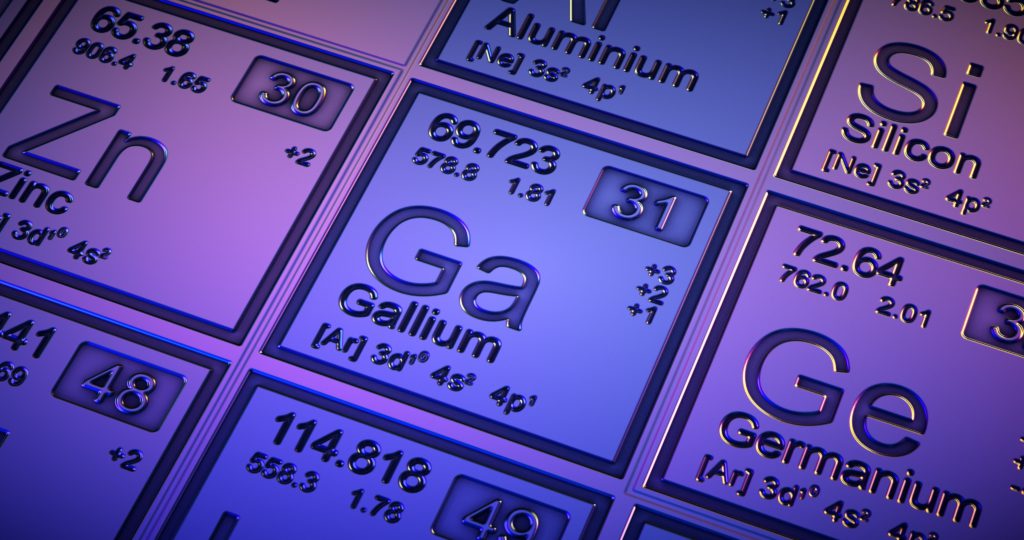
China has lifted a nearly year-long export ban on gallium, germanium, and antimony to the US, signaling a de-escalation in trade tensions. The ban, initially imposed in December 2024 in response to US export controls, affected critical minerals used in semiconductors, military, and technology sectors. The suspension will last until November 27, 2026, and aims to ease supply chain disruptions and trade disputes between the two countries.
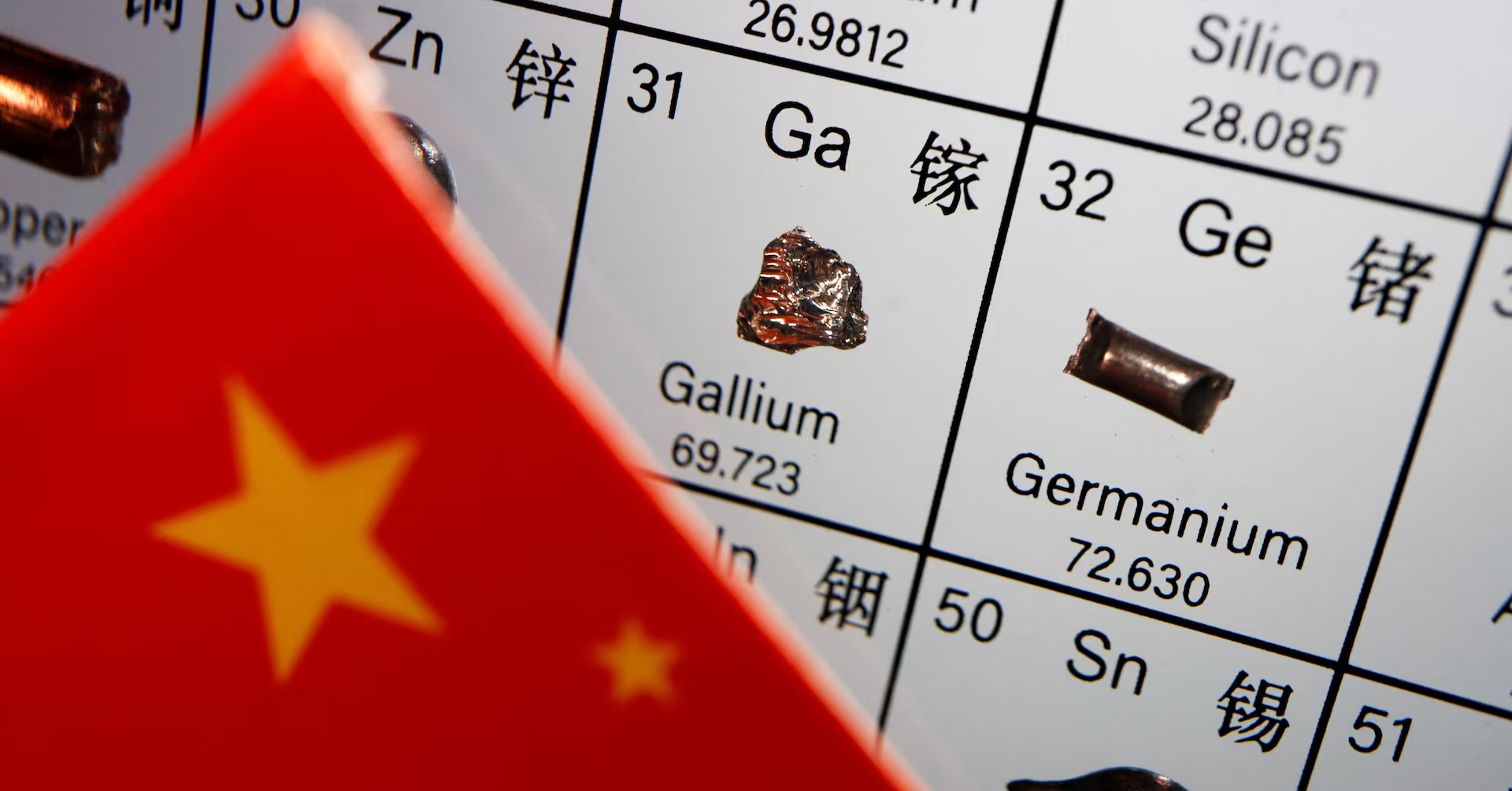
China has suspended its ban on exporting certain dual-use materials like gallium, germanium, and antimony to the U.S. until November 27, 2026, along with easing restrictions on exports of dual-use graphite and other materials, as part of ongoing trade negotiations.
Scientists have developed a new form of germanium that is superconducting at very low temperatures, achieved by precise doping with gallium using molecular beam epitaxy, potentially revolutionizing quantum devices and energy-efficient electronics.
An obscure zinc smelter in Tennessee, owned by Dutch company Nyrstar, is seeking funding for an expansion to process germanium and gallium, minerals vital for producing chips used in smartphones and radar systems. China's recent export restrictions on these minerals have created a potential shortage, making the Tennessee smelter a crucial player in the global trade war. The expansion aims to protect jobs and yield profits for Nyrstar, but it also carries the risk of China resuming exports and causing prices to plummet. The U.S. is racing to catch up with China in rare-earth minerals and other scarce resources, driven by the threat of natural-resource protectionism and increasing demand.
China's new restrictions on the export of gallium and germanium, critical elements for semiconductor chips, have the potential to harm Western tech manufacturers and disrupt the global supply chain. China's move is seen as a response to Western restrictions on semiconductor equipment. Gallium and germanium have unique properties that are difficult to replicate and are used in various devices, including smartphones, laptops, and defense applications. The restrictions are expected to lead to higher prices and longer delivery times for these elements, making it more expensive and challenging for Western companies to produce electronic devices. Western manufacturers may need to diversify their supply chains and explore alternative sources or research devices that are less reliant on these critical materials.
China's new export restrictions on gallium and germanium, critical elements for semiconductor chips, have the potential to harm western tech manufacturers who rely on these materials. China's dominance in the supply of gallium and germanium, which are used in various electronic devices and defense applications, could lead to higher prices and longer delivery times. Western manufacturers may need to diversify their supply chains and explore alternative sources, while also investing in research for devices that are less reliant on these materials. The move highlights the escalating tech war between China and the West and raises concerns about resource nationalism and its impact on the global economy.
China is imposing export restrictions on gallium and germanium, key materials used in semiconductors and electronic components, in response to Western restrictions on chip sales and production technology to China. China is the largest global source of these materials, with 60% of the world's germanium and 80% of gallium coming from China. The move is seen as a strategy to secure internal supplies for China's semiconductor and technology manufacturing ambitions. While there may not be an immediate shortage, it highlights the importance of diversifying supply chains for semiconductors.