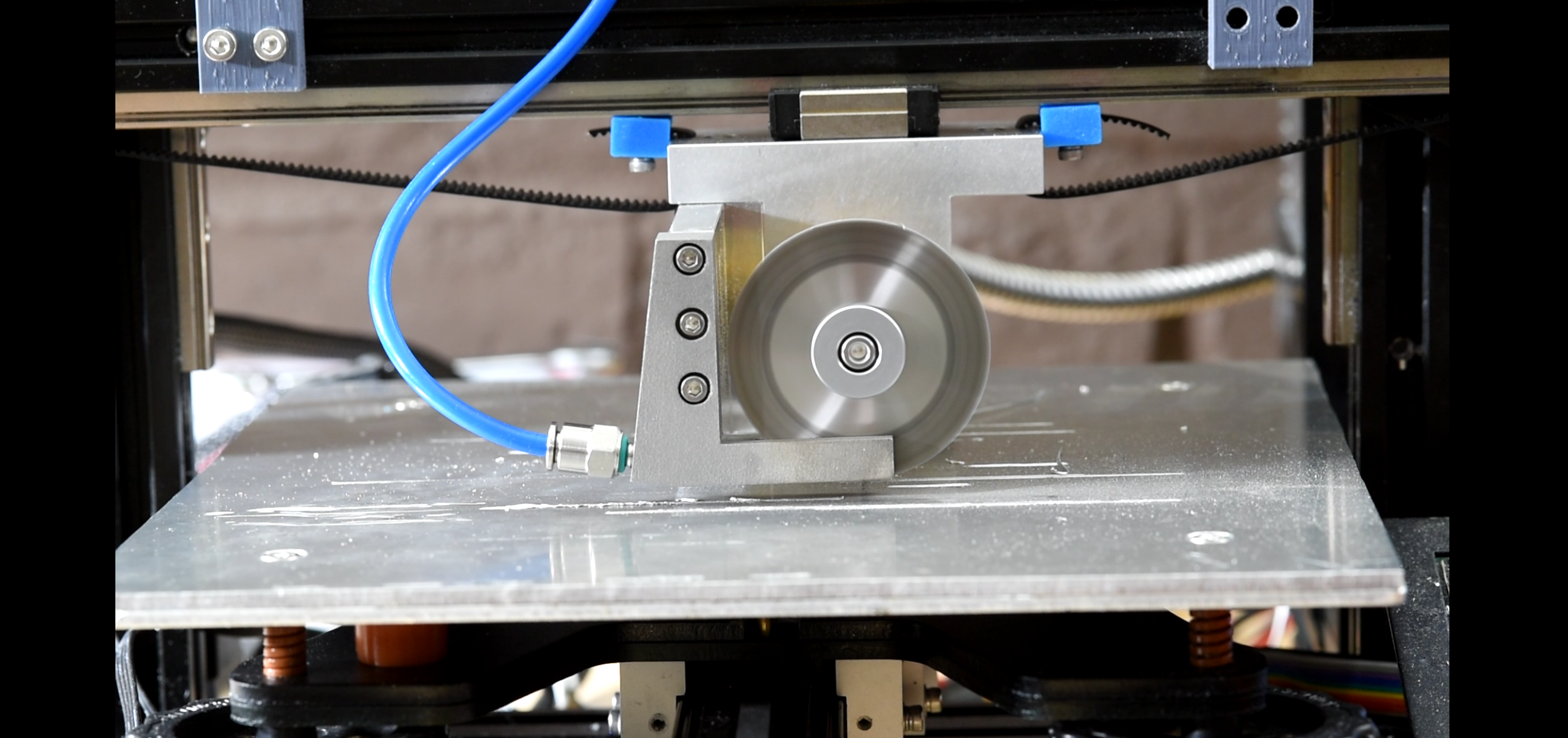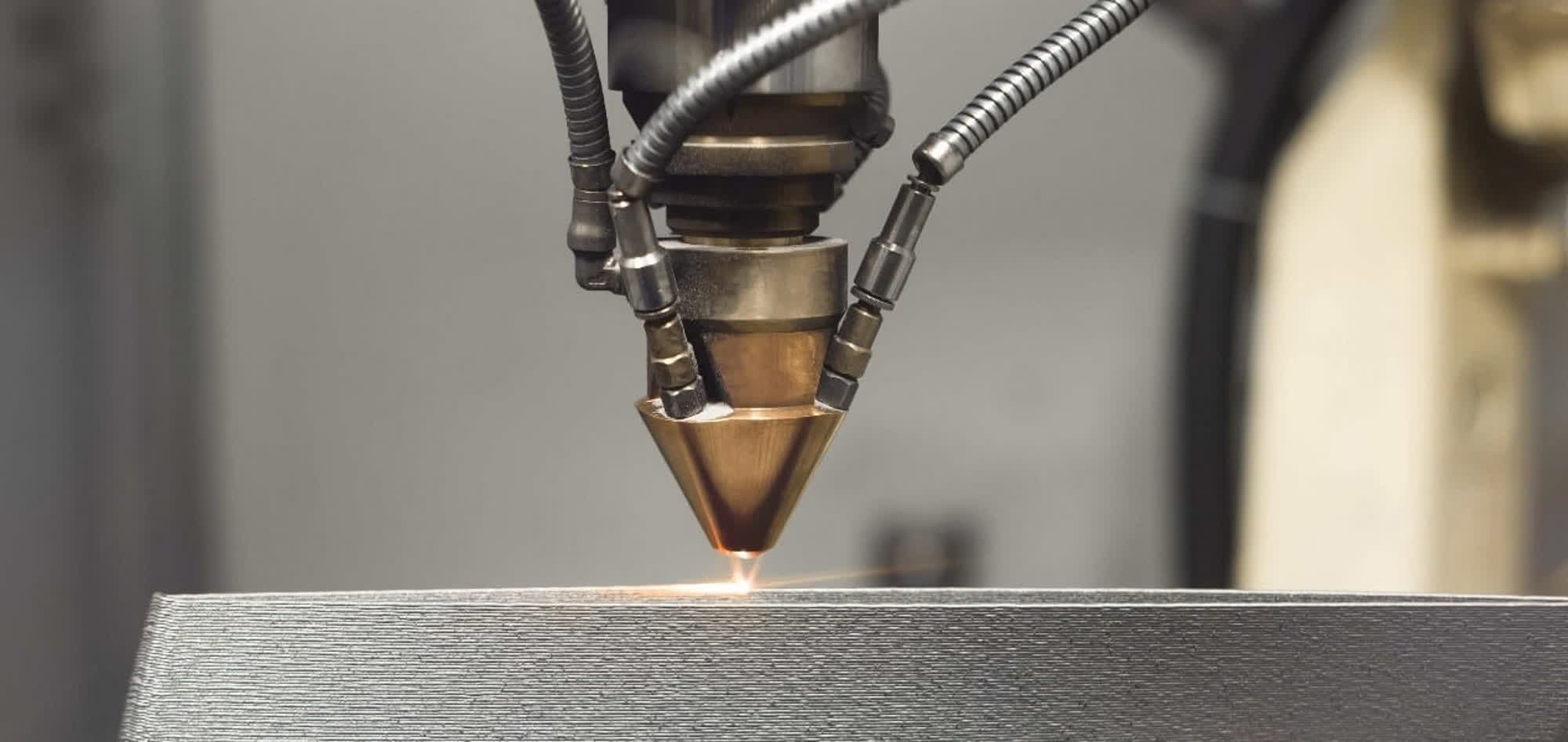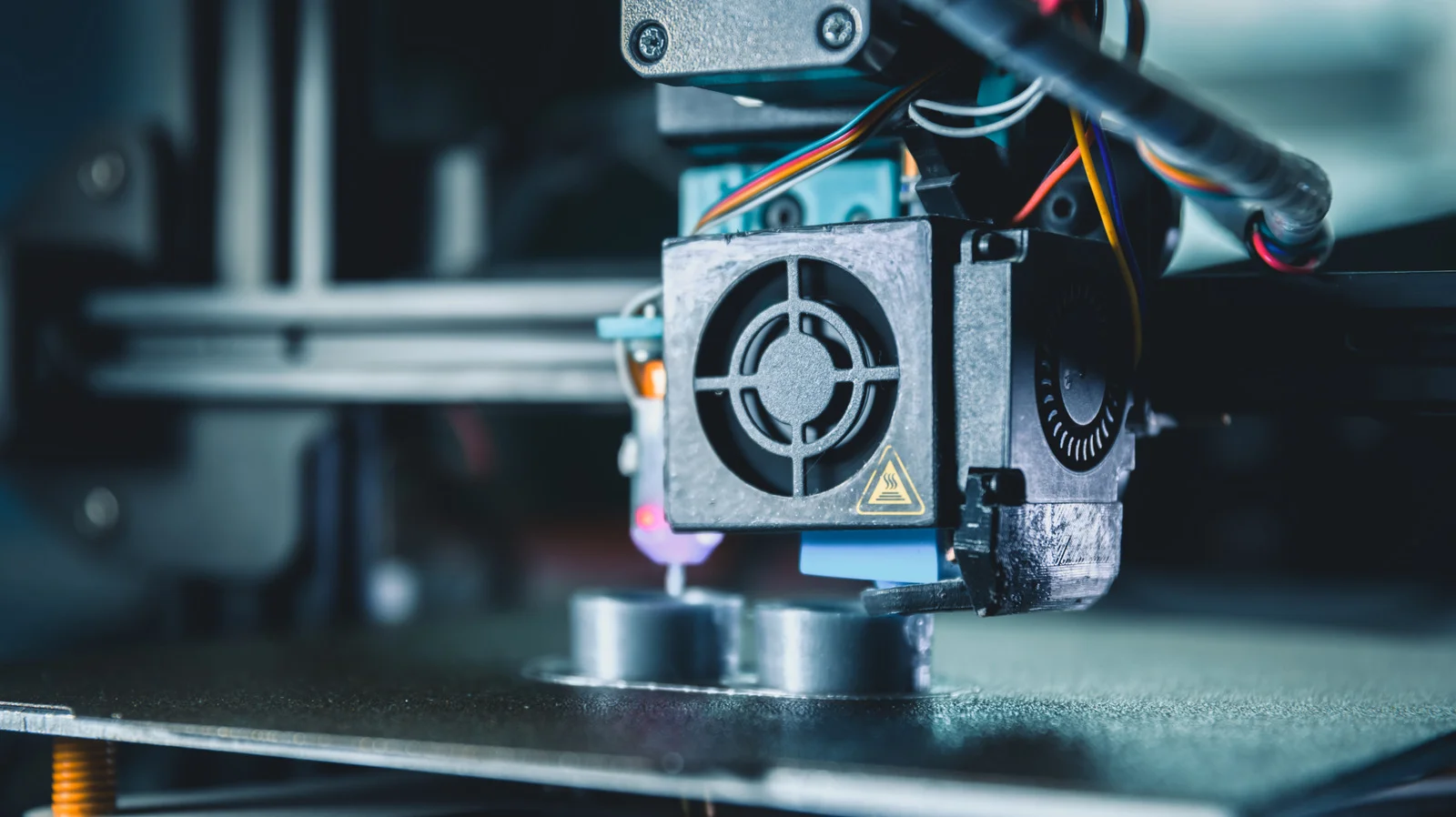
A hobbyist team has developed a method to print metal using a modified Ender 3 3D printer with a friction welding technique called FRAM, which avoids high temperatures and molten metals by using a spinning disk to generate friction, enabling safer and more accessible metal additive manufacturing.
Scientists have developed a new method using vat photopolymerization and hydrogels to grow metal structures that are 20 times stronger than traditional 3D-printed metals, overcoming previous limitations of porosity and shrinkage, though the process is currently time-consuming.
EPFL scientists developed a novel 3D printing method using hydrogels as templates to produce ultra-dense, strong metals and ceramics, which are significantly more durable and less prone to warping than traditional methods, with potential applications in energy, sensors, and biomedicine.
Ferrari's F80 supercar is the first to feature 3D-printed suspension components, utilizing laser-melted metal parts for weight reduction and design flexibility, signaling a shift towards advanced manufacturing in high-performance automotive design, with other luxury brands expected to follow.
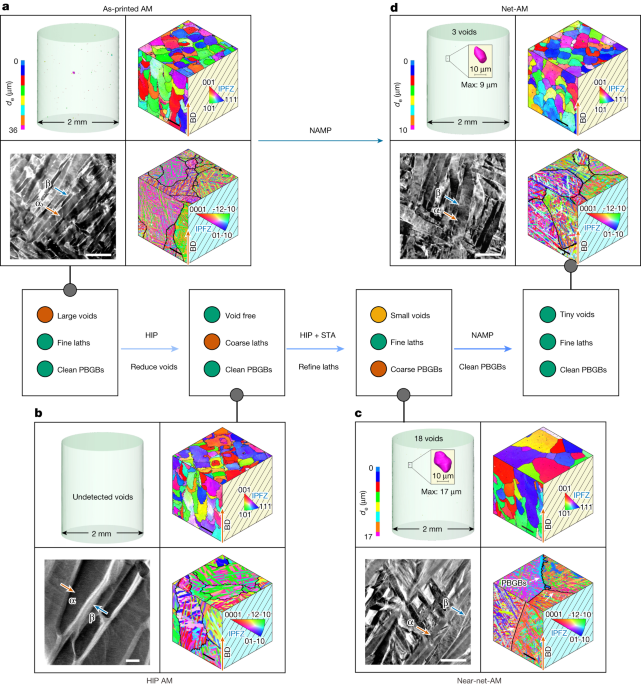
Researchers have developed a titanium alloy with high fatigue resistance using near-void-free 3D printing. The study includes extensive data and references, and the core data used for the study is available from the corresponding authors. The research was financially supported by various organizations, and the authors are affiliated with Shenyang National Laboratory for Materials Science and the School of Materials Science and Engineering at the University of Science and Technology of China.
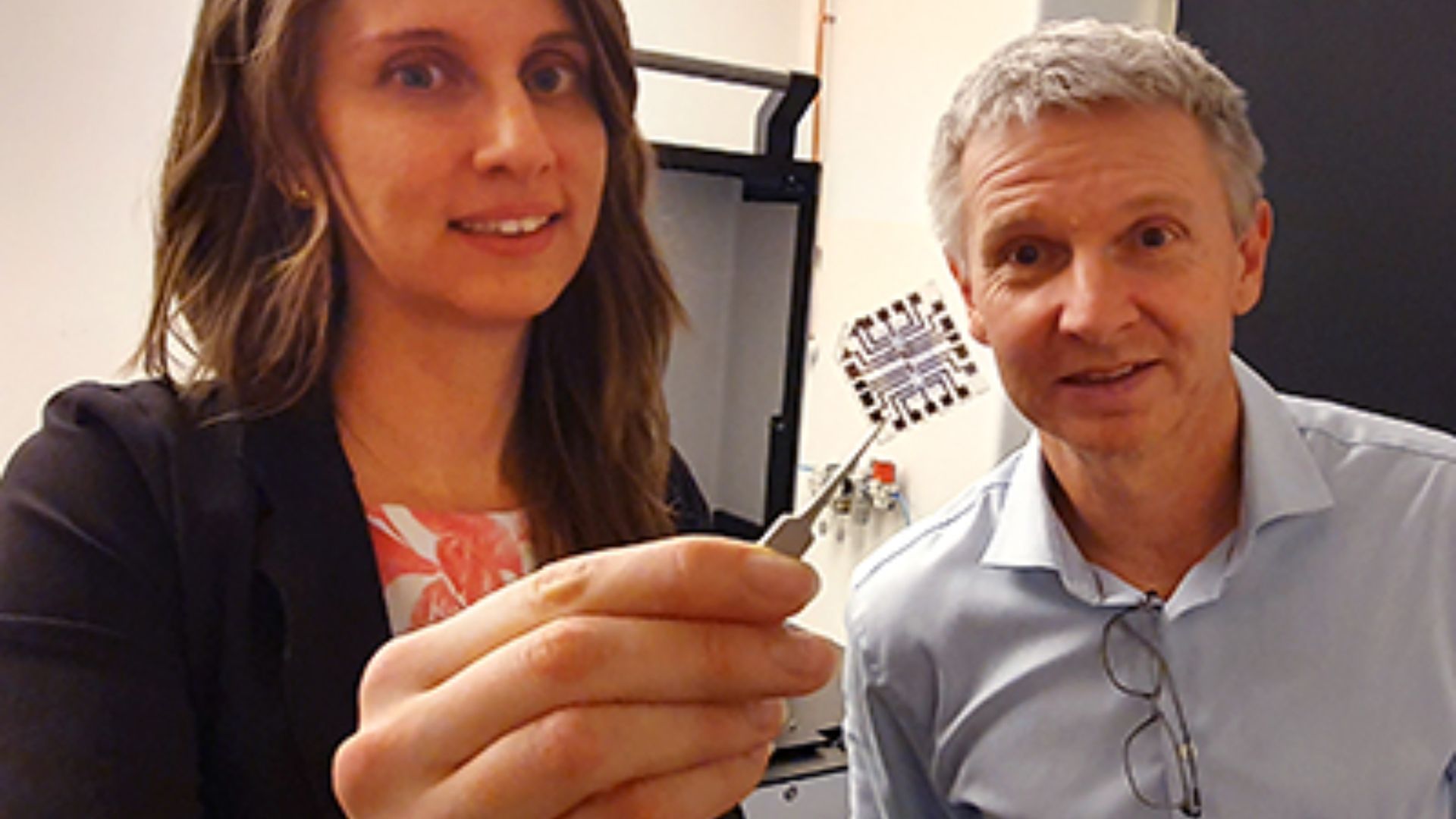
Researchers in Sweden have successfully hacked a 3D printer to function like a laser printer, enabling the printing of various polymers without the use of solvents or chemicals. This advancement in additive manufacturing could lead to rapid production of complex structures without the need for multiple components.
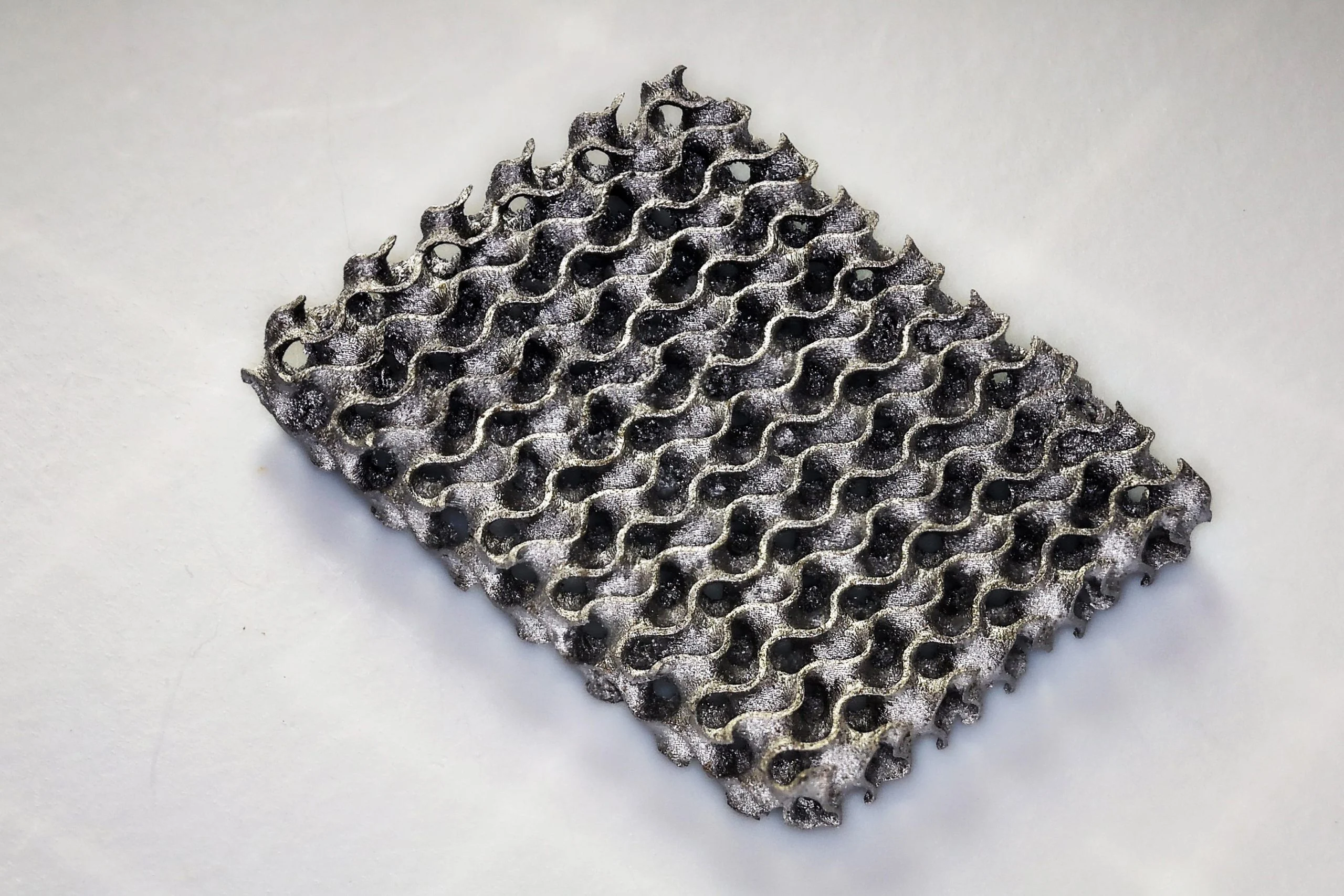
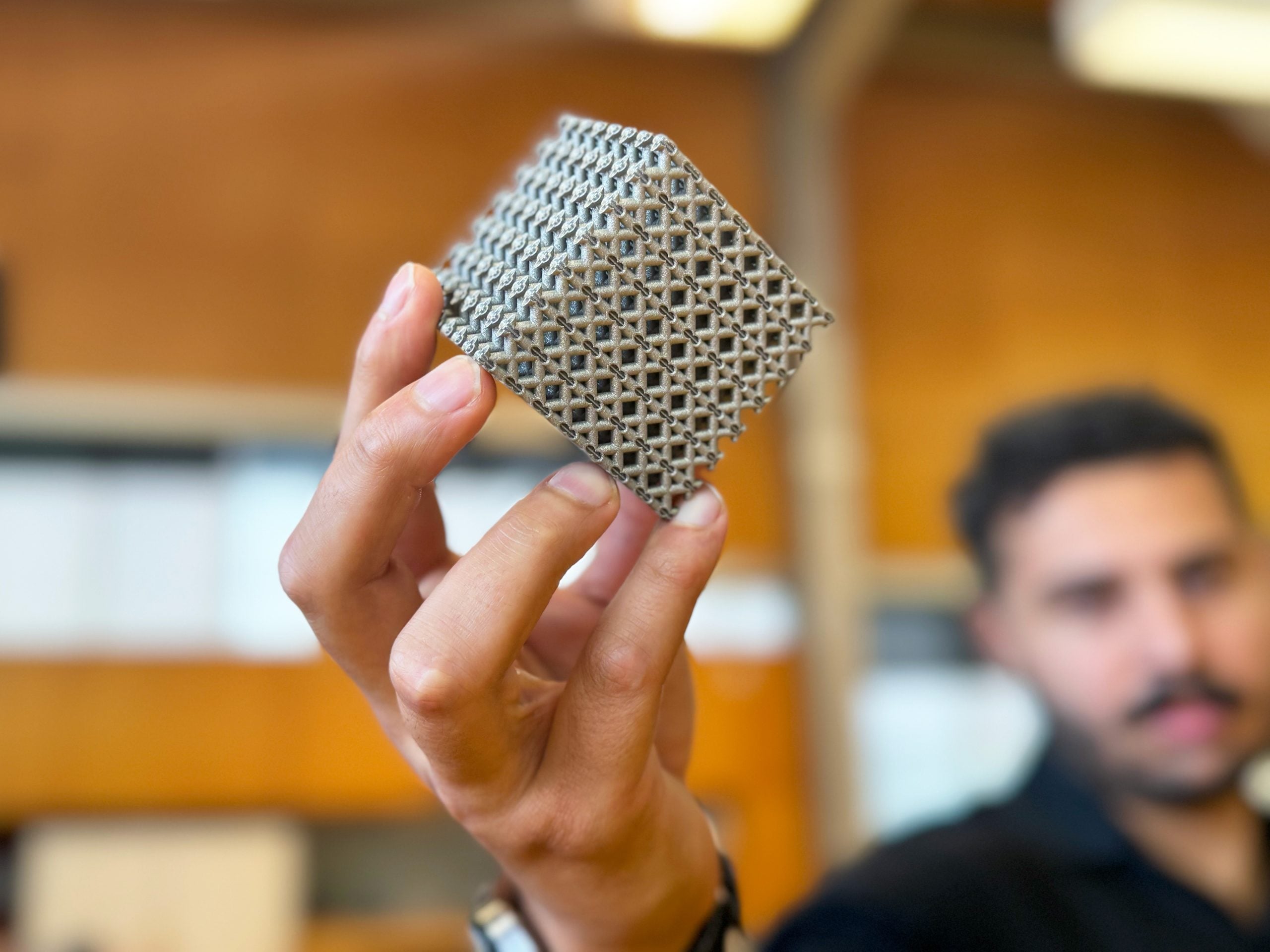
Researchers from RMIT University have developed a new 3D printed titanium lattice structure that is 50% stronger than the strongest alloy with similar density used in aerospace applications. The structure, a metamaterial, was created using a hollow-strut lattice design and additive manufacturing-driven approach, enabling it to evenly distribute load stress and enhance its strength and structural efficiency. The material offers potential applications in medical implants and aerospace components, and the researchers plan to further optimize it for higher-temperature environments. This development showcases the potential of 3D printing in creating highly durable metal lattices, with other research teams also exploring similar applications.
The Cygnus NG-20 spacecraft, currently docked with the International Space Station, is carrying an experimental 3D metal printer developed by Airbus for the European Space Agency. This printer, capable of melting stainless-steel wire to create objects, aims to address the technical challenges of metal 3D printing in space and could provide astronauts with resilience and self-sustainment capabilities on future space missions. The printer will test its performance in microgravity conditions by printing four shapes, which will be compared to reference prints created on Earth to understand how the space environment affects the printing process. This technology could potentially enable astronauts to repair or augment space structures on otherworldly settlements like the Moon or Mars, reducing the need for costly shipments of spare parts from Earth.
FiloBot, a plant-inspired robot developed by Emanuela Del Dottore and her team, mimics the growth patterns of climbing vines by utilizing plant behaviors such as phototropism and gravitropism. What sets FiloBot apart is its ability to self-assemble using additive manufacturing and dynamically adjust its growth trajectory in response to moving light intensity, without relying on preprogrammed movements.
Aerojet Rocketdyne and United Launch Alliance (ULA) celebrated the 60th anniversary of the RL10 rocket engine, which became the first engine powered by a combination of liquid hydrogen and liquid oxygen to be fired in space. Since its debut in 1963, 522 RL10 engines have flown in space, primarily on ULA's Delta and Atlas rockets. The RL10 engine has enabled the launch of spacecraft to various destinations in the solar system and is currently being upgraded with additive manufacturing techniques for increased performance and cost savings. ULA plans to debut the RL10C-X engine on its forthcoming Vulcan rocket in 2025.
Rocket engine startup Ursa Major plans to disrupt the solid rocket motors market by utilizing additive manufacturing techniques, commonly known as 3D printing. The company aims to address the broken supply chain and outdated processes in the industry, which have been exposed by the conflict in Ukraine. Ursa Major intends to develop motors ranging from 2 to 22.5 inches in diameter and has already tested a six-inch pathfinder prototype. The company has an undisclosed U.S. government customer and aims to supply motors to the Department of Defense while partnering with other manufacturers. Ursa Major is one of several startups attempting to enter the solid rocket motors business, challenging the dominance of incumbents like Northrop Grumman and Aerojet Rocketdyne.
The US Navy is turning to additive manufacturing, or 3D printing, to address manufacturing challenges and meet the demand for new submarines. With the goal of building one Columbia-class ballistic missile submarine and two Virginia-class attack submarines every year for the next decade, the Navy is commissioning activities to mature metal additive manufacturing. The Additive Manufacturing Center of Excellence in Danville, Virginia, is at the heart of this effort, seeking to expand the supply chain for submarine parts by helping companies adopt metal 3D printing. The Navy aims to print metal parts as standard components for installation on new-construction submarines, increasing capacity, improving quality, and reducing production time. However, there are still technical challenges and the need to qualify and certify the technology for critical parts. The Navy is working on creating a network of printing partners and a digital order book to manage the workload, but industry participation and workforce development are also crucial for success.
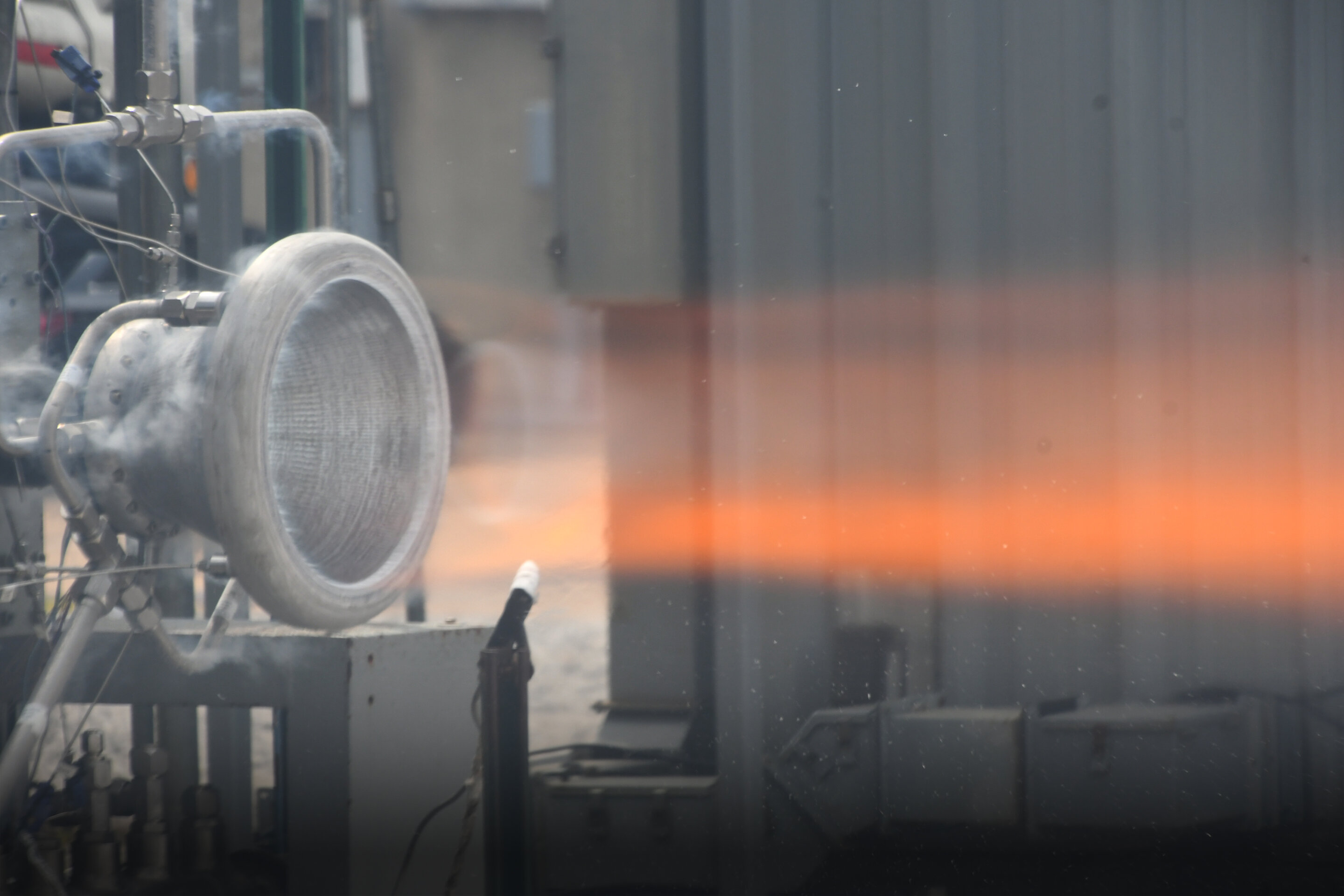
NASA has successfully built and tested a 3D printed rocket engine nozzle made of aluminum, which is lighter than conventional nozzles and has the potential to enable deep space flights with increased payload capacity. The nozzle, developed under the RAMFIRE project, utilizes a novel aluminum alloy that is heat resistant and weldable, overcoming the challenges associated with using aluminum for additive manufacturing of rocket engine parts. This advancement in lightweight, additively-manufactured aluminum rocket nozzles could contribute to NASA's objectives of sending more cargo to deep space destinations and support future missions to the moon, Mars, and beyond.
NASA has successfully built and tested a 3D printed rocket engine nozzle made of aluminum, which is lighter than conventional nozzles. The nozzle, developed under the RAMFIRE project, utilizes a weldable type of aluminum that is heat resistant enough for rocket engines. This innovative technology allows for the creation of lightweight rocket components capable of withstanding high structural loads, paving the way for deep space missions. The project also aims to advance additive manufacturing and materials for future propulsion systems and in-space manufacturing.
Researchers at Northwestern University have developed a super-strong colloidal crystal metamaterial by using DNA as glue to hold together metal nanostructures. By constructing metallic nanoparticles in various shapes and applying strands of DNA as glue, the researchers were able to create colloidal crystal metamaterials with different properties and shapes. The resulting metamaterials were found to be ultra-strong, stiff, and capable of maintaining their shape under extreme pressure. This development could have applications in space-based products and the creation of lighter and more efficient electronic devices, particularly in medical applications.