Tag

Insulation

All articles tagged with #insulation

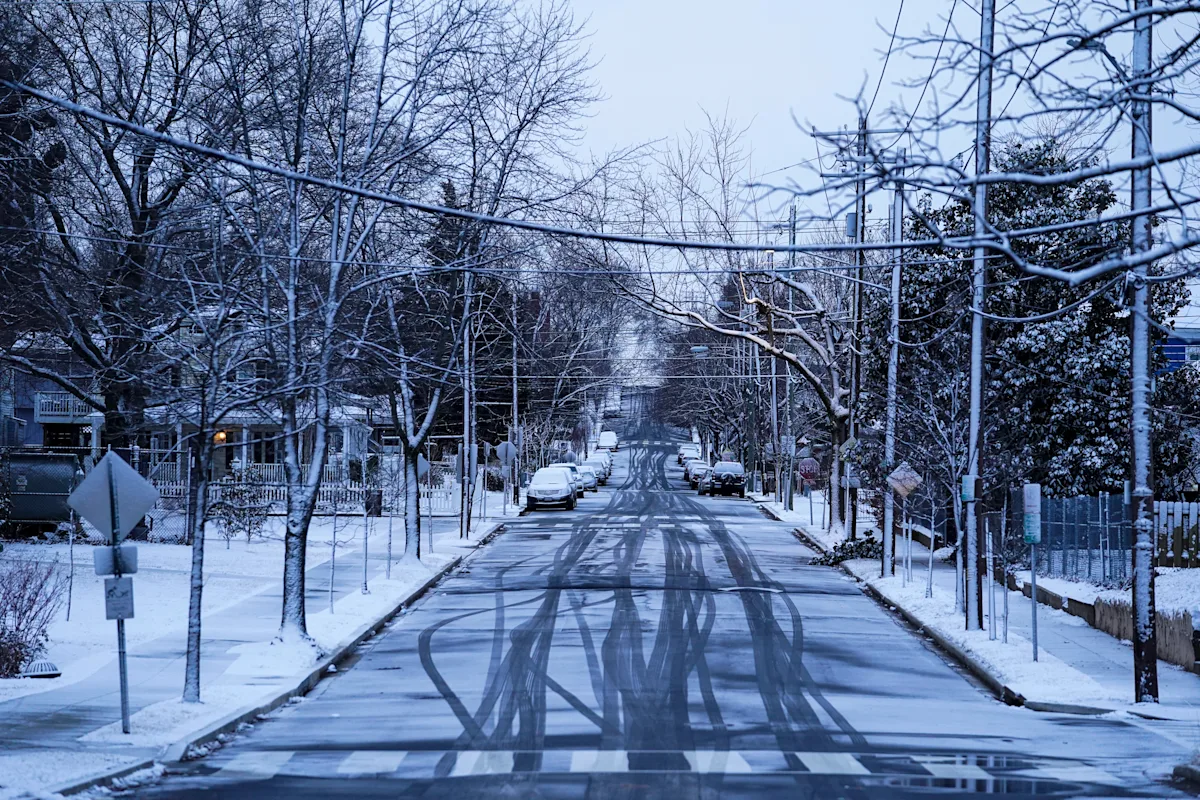
Innovative Materials Revolutionize Winter Jacket Warmth

Originally Published 14 days ago — by PBS

Featured image for Innovative Materials Revolutionize Winter Jacket Warmth
Source: PBS

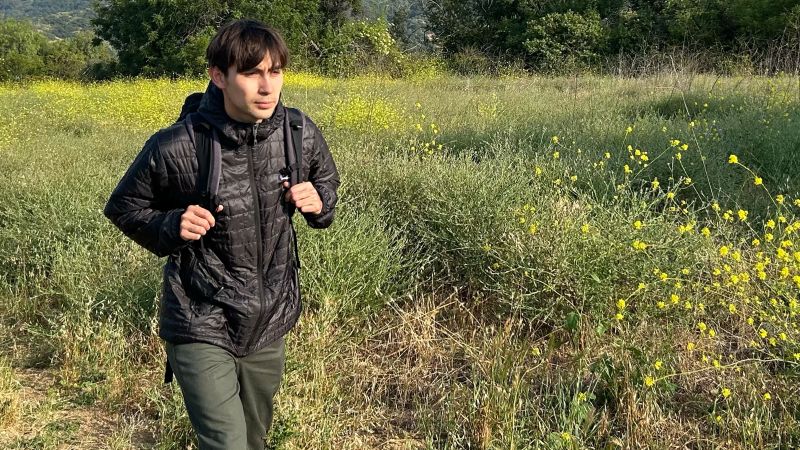
Modern winter jackets utilize centuries-old physics principles—conduction, convection, and radiation—enhanced by innovative materials like breathable membranes, reflective layers, and ultralight insulations to effectively trap heat, block wind, and manage moisture, resulting in lighter, warmer, and more comfortable winter wear.
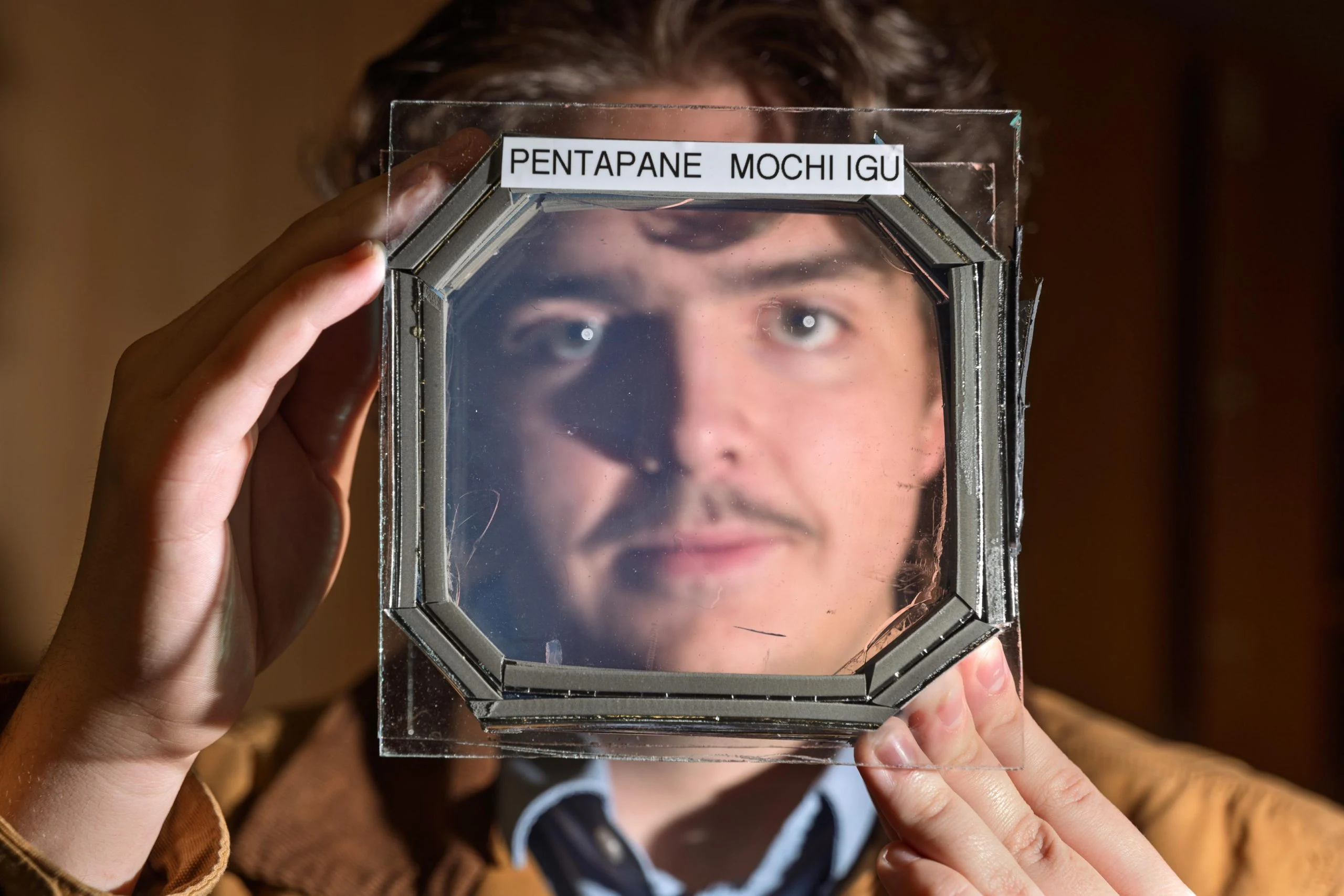
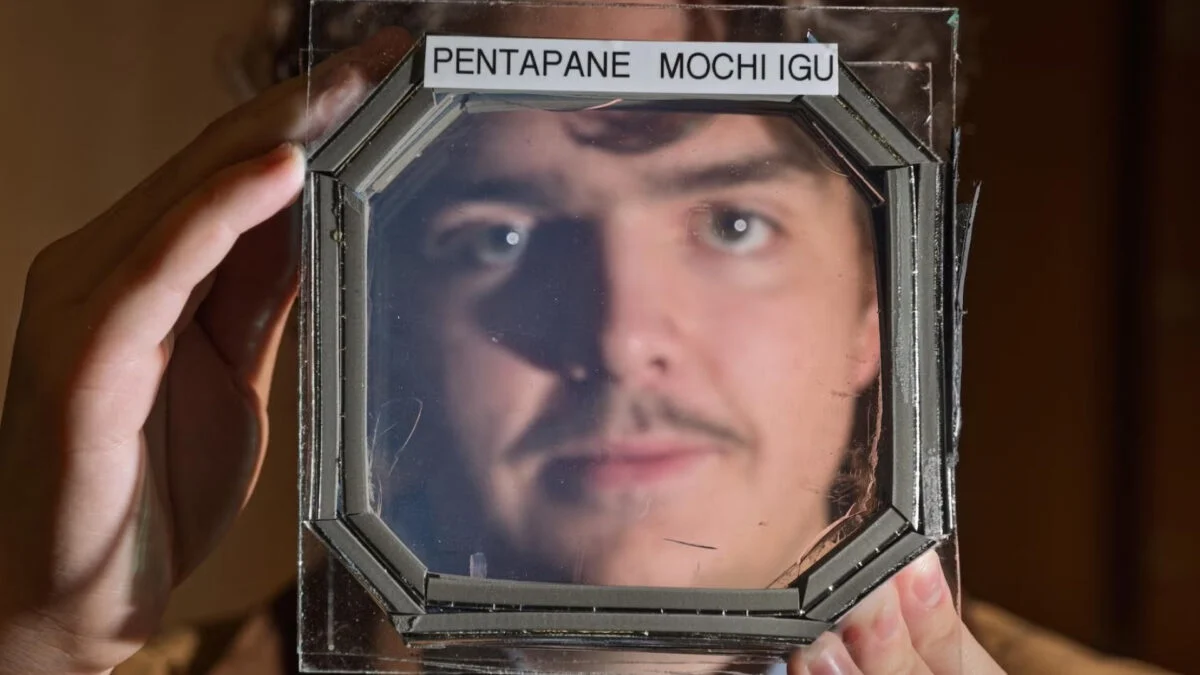
Innovative Bubble Wrap-Inspired Coating Boosts Window Insulation and Energy Efficiency

Originally Published 27 days ago — by Gizmodo

Featured image for Innovative Bubble Wrap-Inspired Coating Boosts Window Insulation and Energy Efficiency
Source: Gizmodo

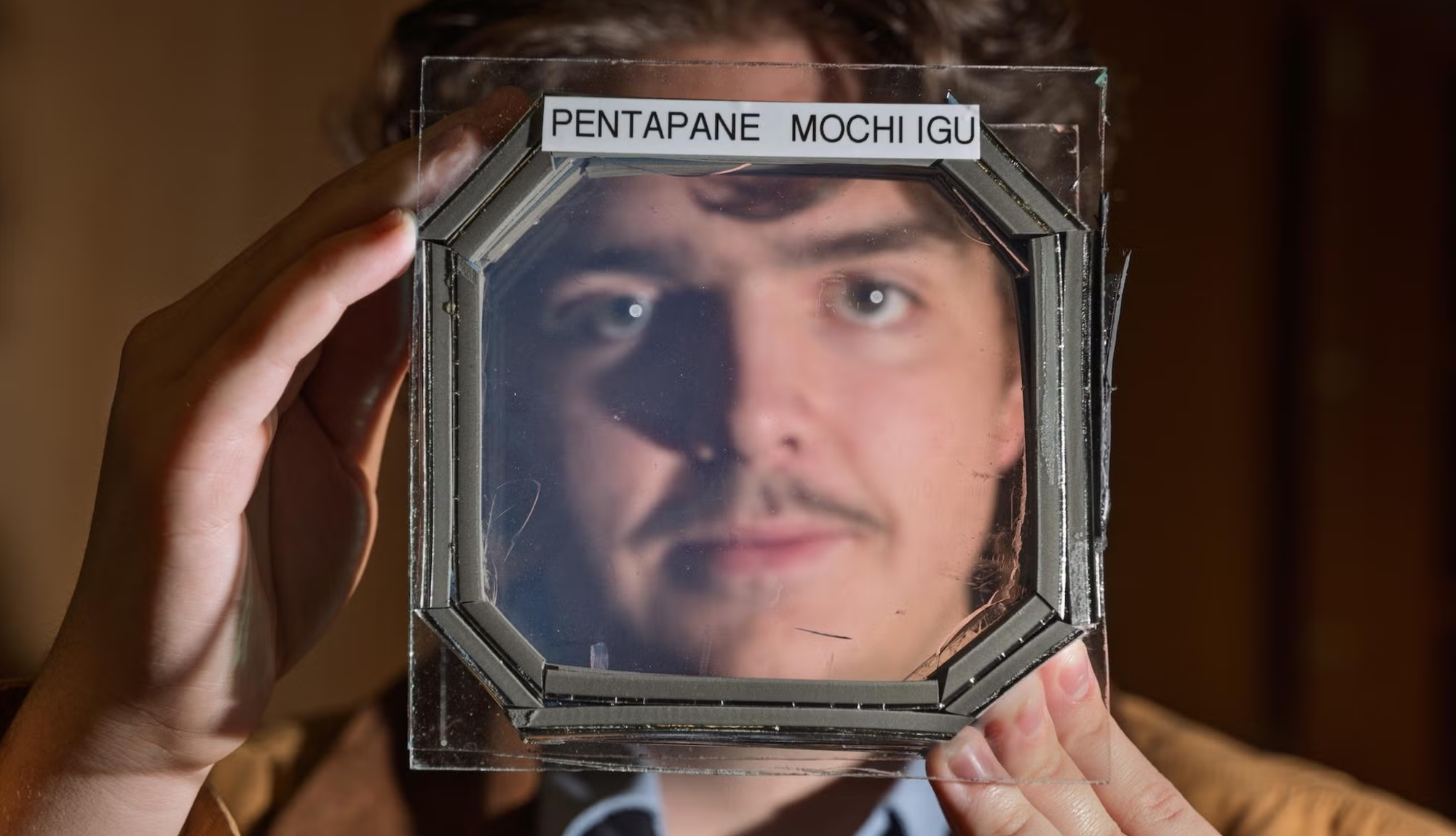
Scientists at the University of Colorado Boulder have developed MOCHI, a transparent, fireproof silicon gel that insulates heat effectively, potentially revolutionizing building insulation and other applications by reducing energy loss and allowing for new functionalities in windows and clothing.

Innovative transparent materials promise major energy savings for buildings

Originally Published 28 days ago — by The Brighter Side of News

Featured image for Innovative transparent materials promise major energy savings for buildings
Source: The Brighter Side of News

Researchers at the University of Colorado Boulder have developed MOCHI, a transparent insulating material that can significantly reduce heat loss through windows by trapping heat while remaining nearly invisible, potentially transforming building energy efficiency and enabling more glass use in construction.

Mushrooms: The Next Generation of Eco-Friendly Insulation

Originally Published 2 months ago — by The Washington Post

Featured image for Mushrooms: The Next Generation of Eco-Friendly Insulation
Source: The Washington Post

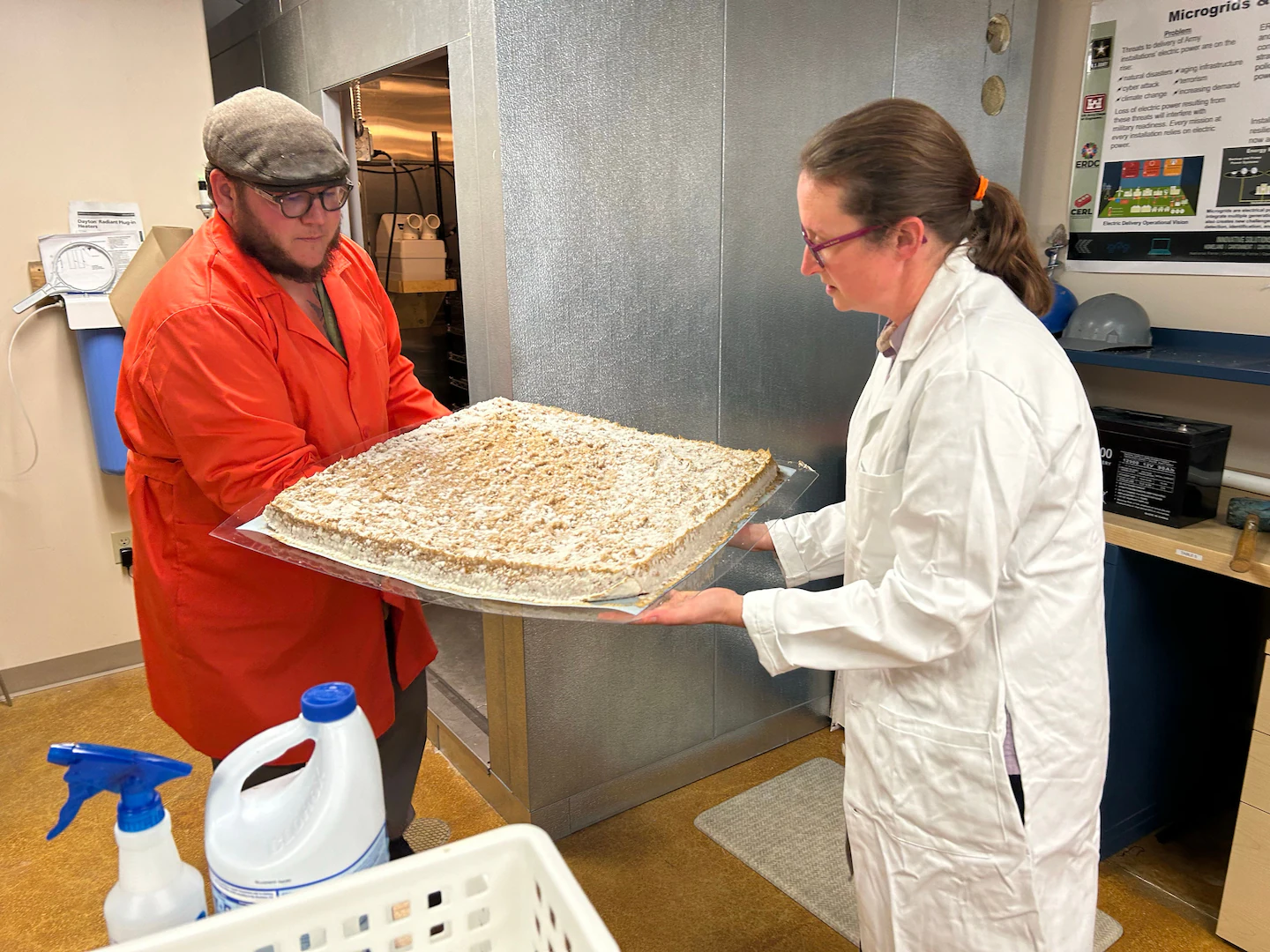
Scientists in Alaska are developing a new insulation material made from mycelium, the fungal network beneath mushrooms, to provide a sustainable, biodegradable alternative to plastic foam for housing in extreme climates, addressing environmental concerns and housing needs in the face of climate change.

Patagonia's Nano Puff Jacket: New Update vs. Original

Originally Published 5 months ago — by CNN

Featured image for Patagonia's Nano Puff Jacket: New Update vs. Original
Source: CNN

Patagonia has updated its popular Nano Puff Jacket with a more streamlined fit, softer recycled ripstop polyester, and minor design tweaks while maintaining its lightweight, packable, and windproof features. The new version offers a more flattering silhouette and increased mobility, retailing at $10 less than the original, which is now available at a discounted price. Both jackets feature PrimaLoft Gold Insulation, water-repellent finish, and packability, making them ideal for outdoor activities.

"Home Sealing: A Money-Saving Climate Solution"

Originally Published 1 year ago — by Star Tribune

Featured image for "Home Sealing: A Money-Saving Climate Solution"
Source: Star Tribune

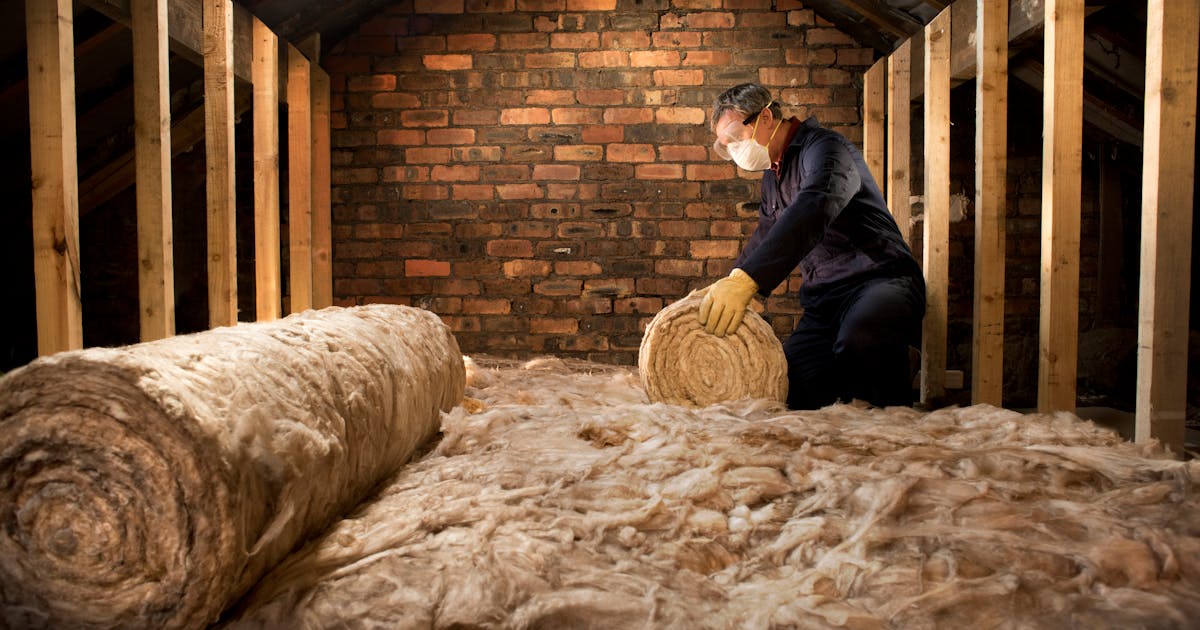
Home energy audits, like the one conducted by Mike Childs for homeowner Rachel Boeke, are crucial for identifying heat loss and potential energy inefficiencies in homes. Insulation plays a key role in reducing carbon emissions and cutting energy costs, especially in regions with harsh winters like Minnesota. By addressing insulation and air sealing, homeowners can contribute to fighting climate change while saving money on their power bills.

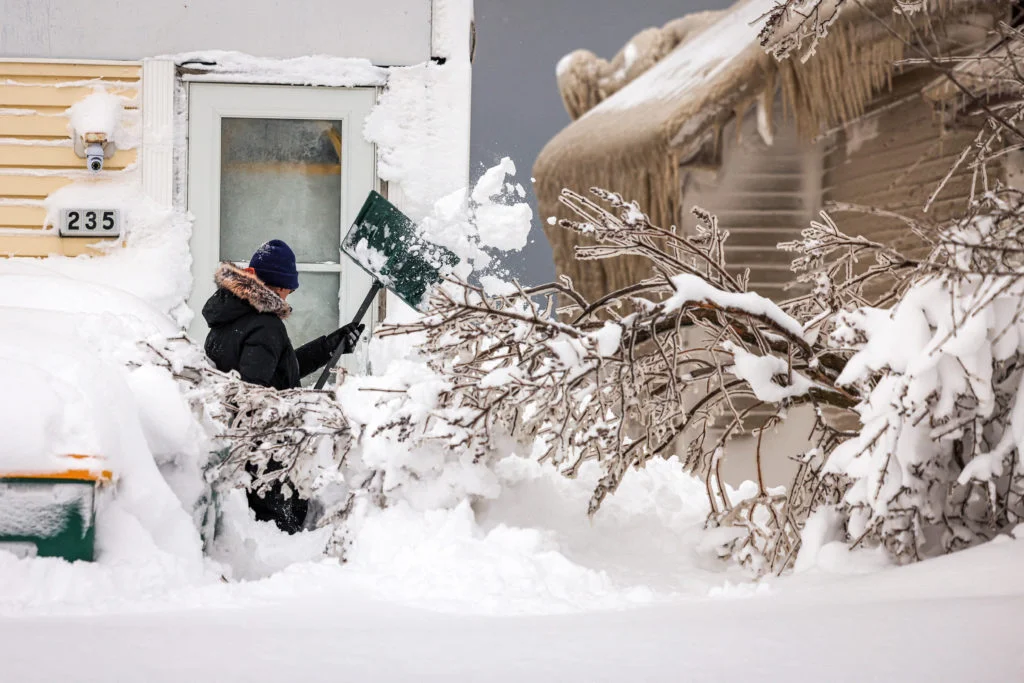
"Effortless Tips to Slash Your Winter Heating Bill by 20%"

Originally Published 2 years ago — by Yahoo News

Featured image for "Effortless Tips to Slash Your Winter Heating Bill by 20%"
Source: Yahoo News

With winter approaching, experts recommend weatherizing your home to save up to 20% on heating bills. Simple steps like sealing cracks, gaps around doors and windows, and using weatherstripping and caulking can significantly reduce energy loss. While these small repairs are effective, investing in bigger projects like upgrading insulation, replacing old doors and windows, and installing more efficient HVAC systems will provide long-term energy-saving benefits.

"Energy-Saving Hacks: Winter-proofing Your Home with Leak Fixes"

Originally Published 2 years ago — by The Washington Post

Featured image for "Energy-Saving Hacks: Winter-proofing Your Home with Leak Fixes"
Source: The Washington Post

With winter approaching, experts recommend weatherizing your home to save up to 20% on heating bills. Simple steps like sealing cracks, gaps around doors and windows, and using weatherstripping and caulking can significantly reduce energy loss. A visual inspection or professional energy audit can help identify problem areas. While these small repairs are effective, investing in bigger projects like upgrading insulation, replacing old doors and windows, and installing efficient HVAC systems will provide long-term energy-saving benefits.

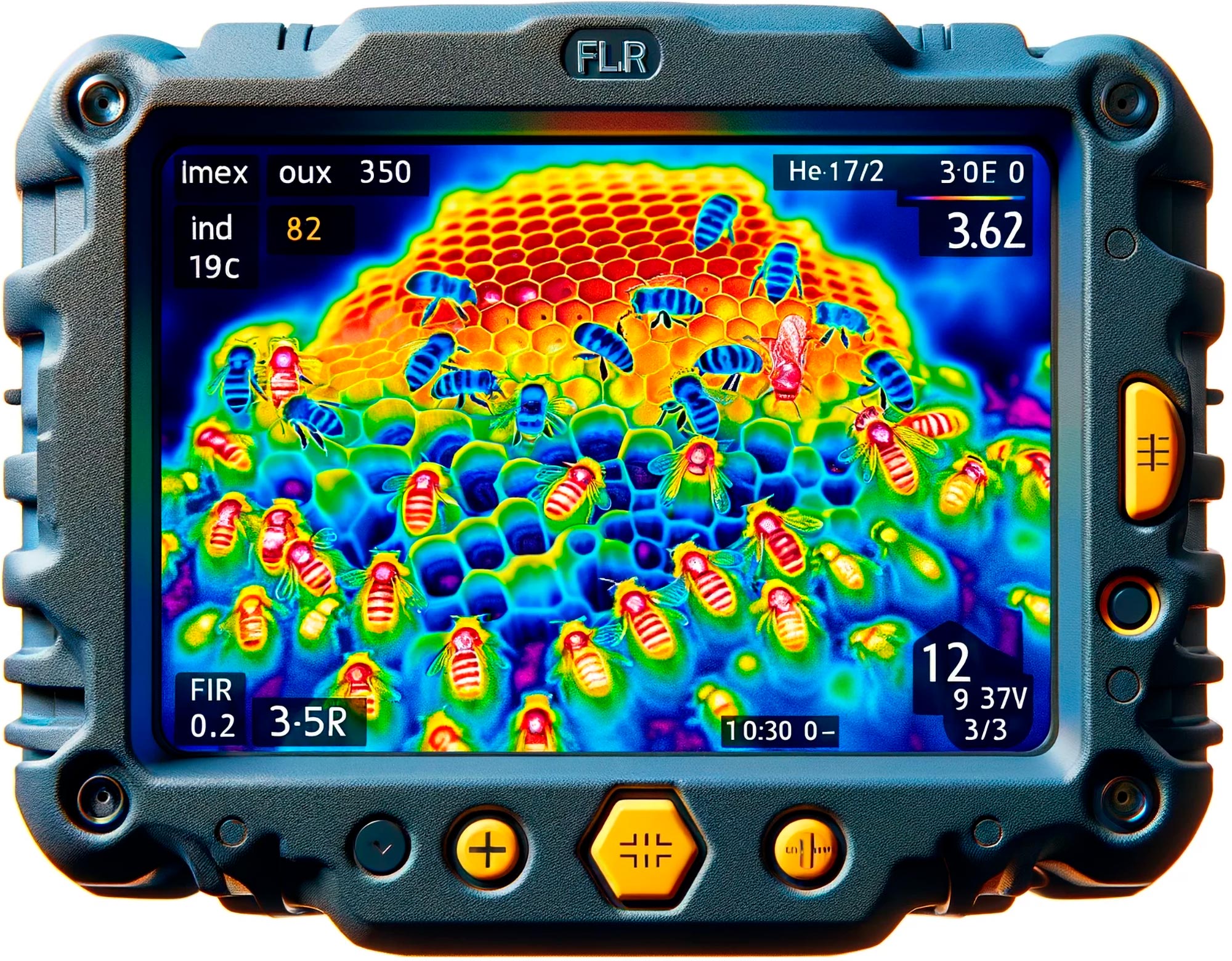
Unveiling the Truth: Do Honeybees Really Insulate Their Colonies Against Cold?

Originally Published 2 years ago — by SciTechDaily

Featured image for Unveiling the Truth: Do Honeybees Really Insulate Their Colonies Against Cold?
Source: SciTechDaily

A study at the University of Leeds challenges the traditional theory that honeybees naturally insulate their colonies against the cold. The research suggests that clustering, where bees huddle together, may actually cause thermal stress and increase heat loss. The study calls for a revision of beekeeping practices to improve bee welfare and raises awareness about the complex interaction between colony enclosure, thermofluids, and honeybee behavior. The findings indicate that clustering is a survival behavior in response to an existential threat, resulting in increased stress and potential harm to the bees. The researcher urges further debate on the ethical treatment of insects and the need for changes in beekeeping practices.

"Tini L Cabin: A Compact and Stylish Retreat by tini"

Originally Published 2 years ago — by ArchDaily

Featured image for "Tini L Cabin: A Compact and Stylish Retreat by tini"
Source: ArchDaily

The Tini L Cabin is a sustainable and efficient dwelling located in an oak forest. Its envelope is designed with optimal insulation, using a combination of insulation materials. The interior walls are covered with OSB, providing a cozy atmosphere and additional thermal insulation. The spacious terrace offers impressive views and is made of thermally treated wood. The interior design maximizes functionality and comfort, with separate modules for living, dining, kitchen, bathroom, and bedroom. Overall, the Tini L Cabin harmoniously integrates into its natural environment while promoting energy efficiency and respect for the environment.

"Essential Winterization Tips for a Safe and Cozy Home"

Originally Published 2 years ago — by Boro Park 24

Featured image for "Essential Winterization Tips for a Safe and Cozy Home"
Source: Boro Park 24

The City's Department of Buildings provides a checklist for winterizing homes, including sealing windows and doors, insulating attics, hiring qualified professionals for boiler and chimney inspections, maintaining heating systems, cleaning chimneys, insulating water meters and pipes, thawing frozen pipes carefully, preventing roof leaks, checking and changing batteries of smoke alarms and carbon monoxide detectors, and avoiding fire hazards.

Eco-Friendly Insulation Reduces Energy Bills.

Originally Published 2 years ago — by CleanTechnica

Featured image for Eco-Friendly Insulation Reduces Energy Bills.
Source: CleanTechnica

Scientists at Oak Ridge National Laboratory have developed an eco-friendly alternative insulation made without harmful blowing agents. The nontoxic thermoplastic foam is made using hollow glass spheres and expandable polymer microspheres. The technology is readily adoptable by industry and opens avenues to develop safer composite foams for a variety of insulation systems. The need for ongoing research into insulation materials is ongoing, since space heating, cooling, and ventilation account for 35% of energy consumption for buildings — 29% commercial and 41% residential.