Tag

Cosmic Events

All articles tagged with #cosmic events

science5 months ago

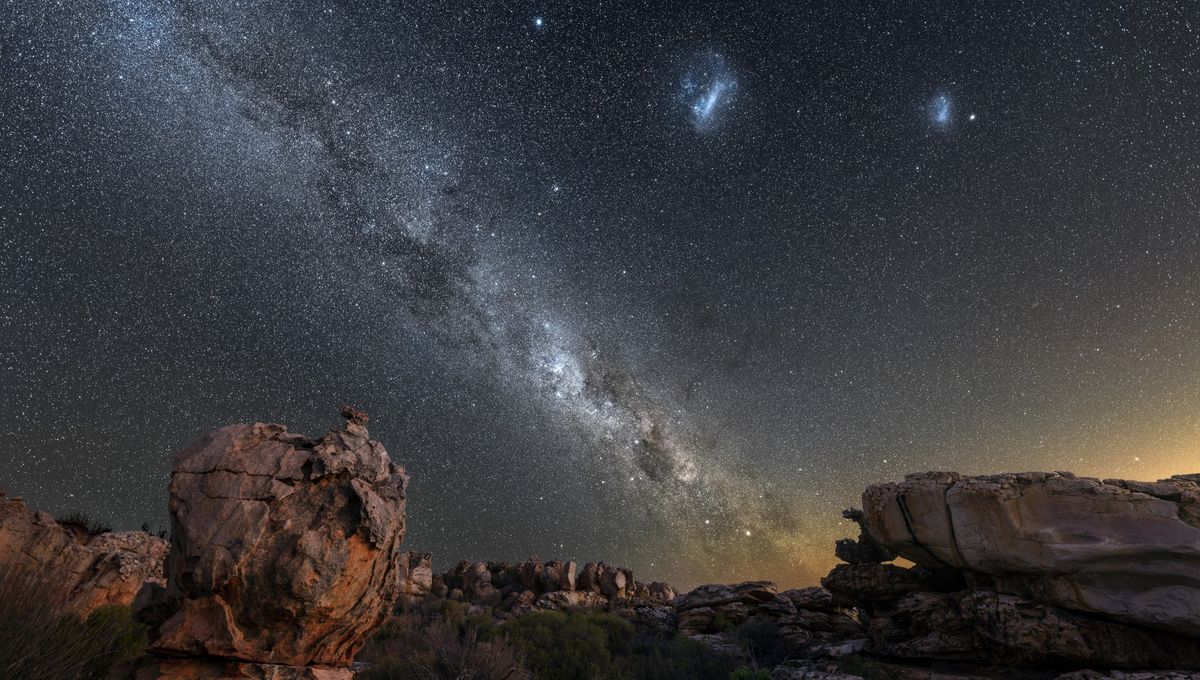
How Far Can You See Into Space Without a Telescope?

The article explains that under ideal dark sky conditions, the average person can see stars up to magnitude 6, which includes stars up to about 8,000 light-years away, and even some galaxies like Andromeda at 2.5 million light-years. Notably, a gamma-ray burst was visible to the naked eye at a distance of 7.5 billion light-years. The Magellanic Clouds are the most distant objects visible without a telescope, at over 160,000 light-years away, highlighting our remarkable ability to observe cosmic phenomena with the naked eye.

science1 year ago

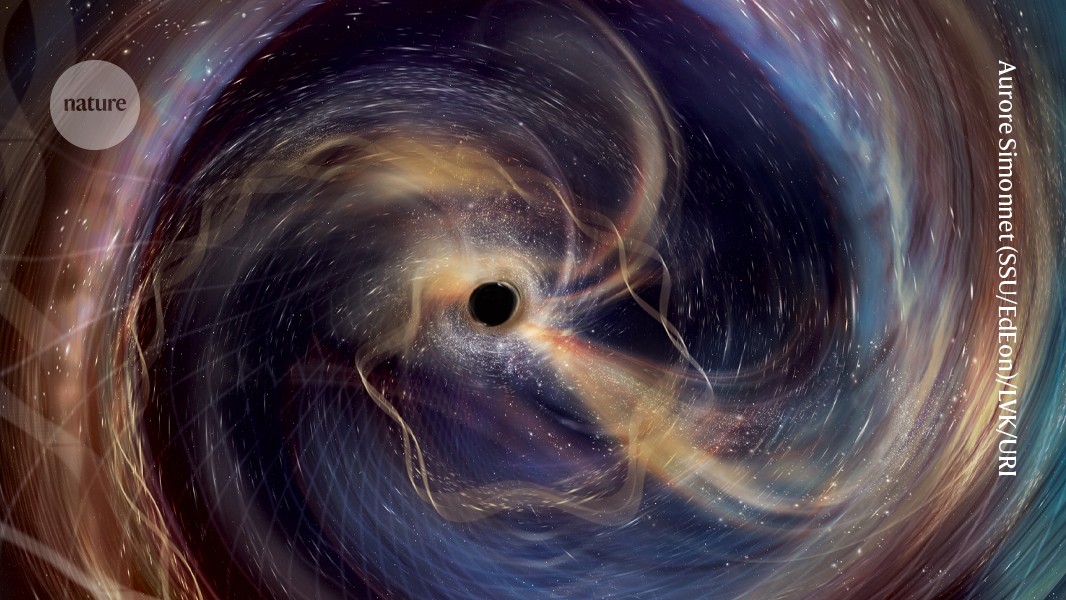
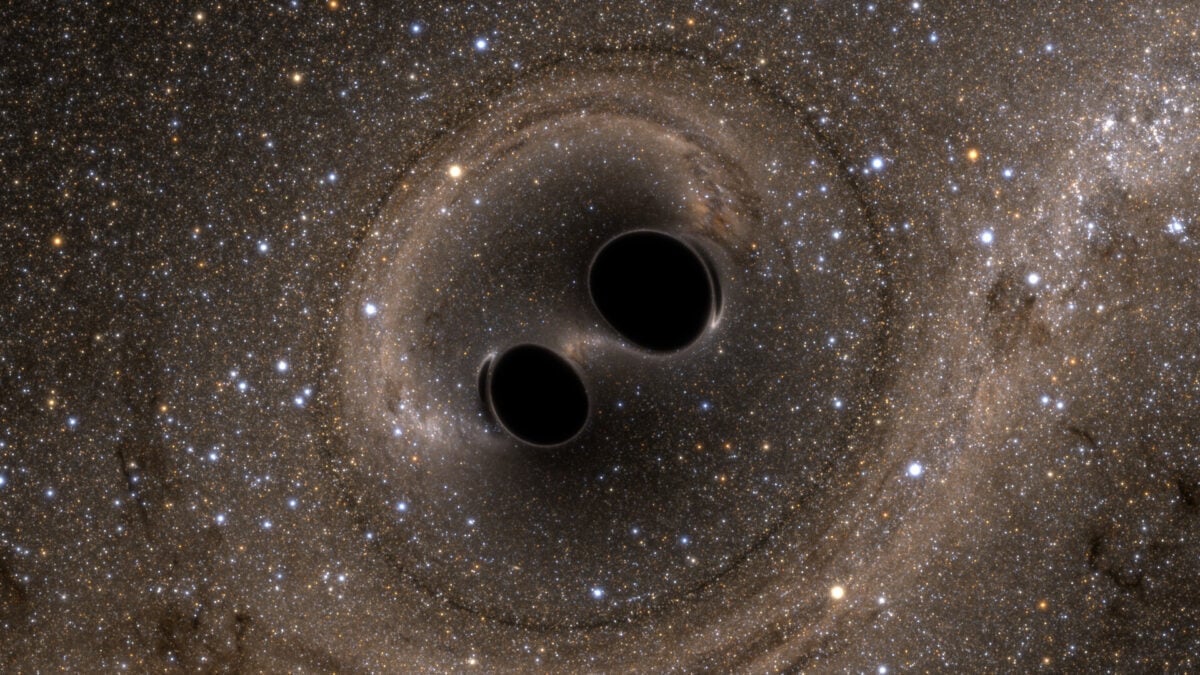
NASA Observes Rare Cosmic Dance of Supermassive Black Holes

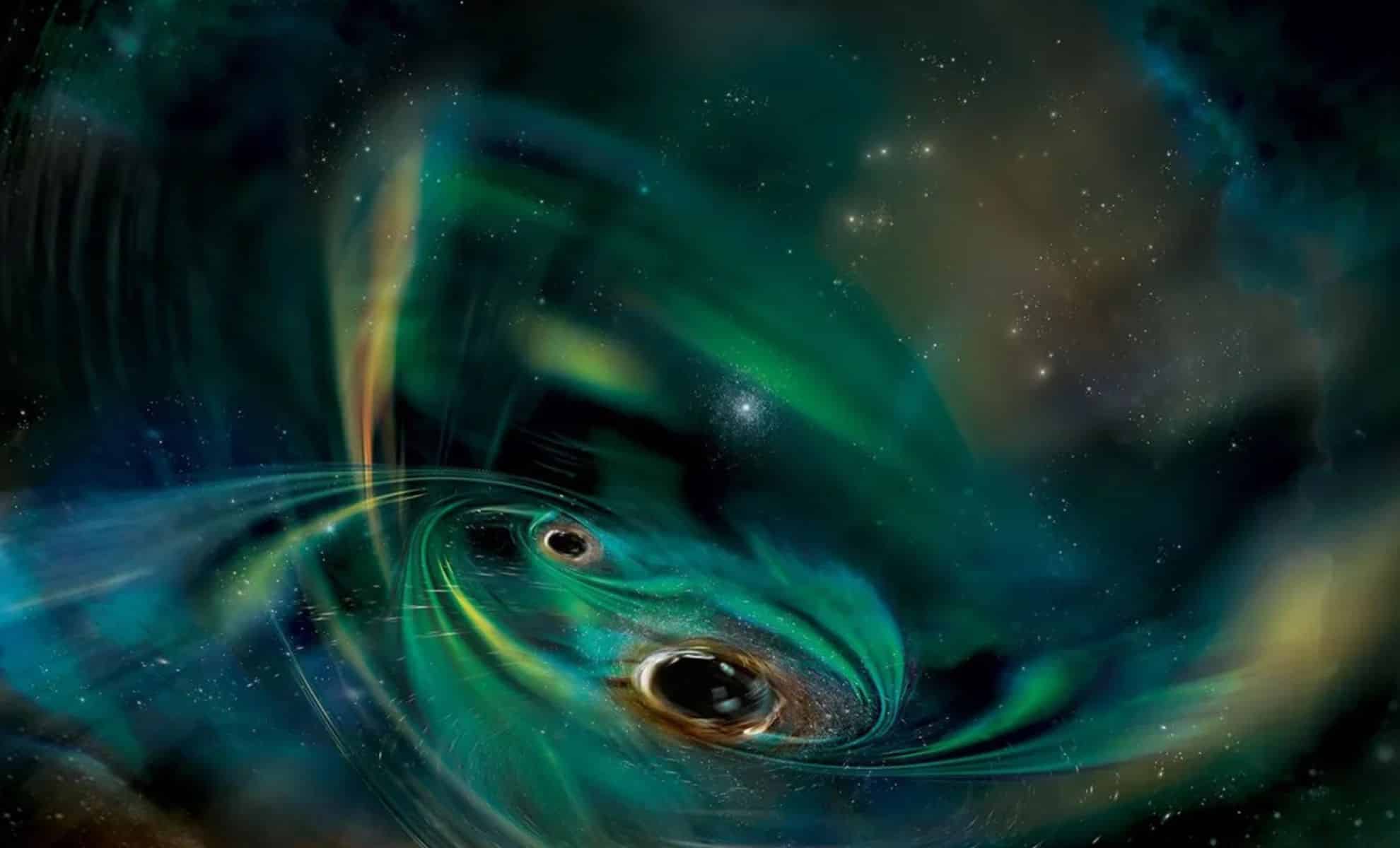
Astronomers have observed two supermassive black holes sharing a gas cloud a billion light-years away, using NASA's Swift Observatory and the Zwicky Transient Facility. This rare event, located in the galaxy 2MASX J21240027+3409114, reveals how black holes interact and consume gas, creating periodic light flares. The discovery enhances understanding of black hole dynamics and accretion, with the black holes set to merge in 70,000 years, releasing gravitational waves. The findings highlight the role of galaxy mergers in fueling black hole activity.

science1 year ago

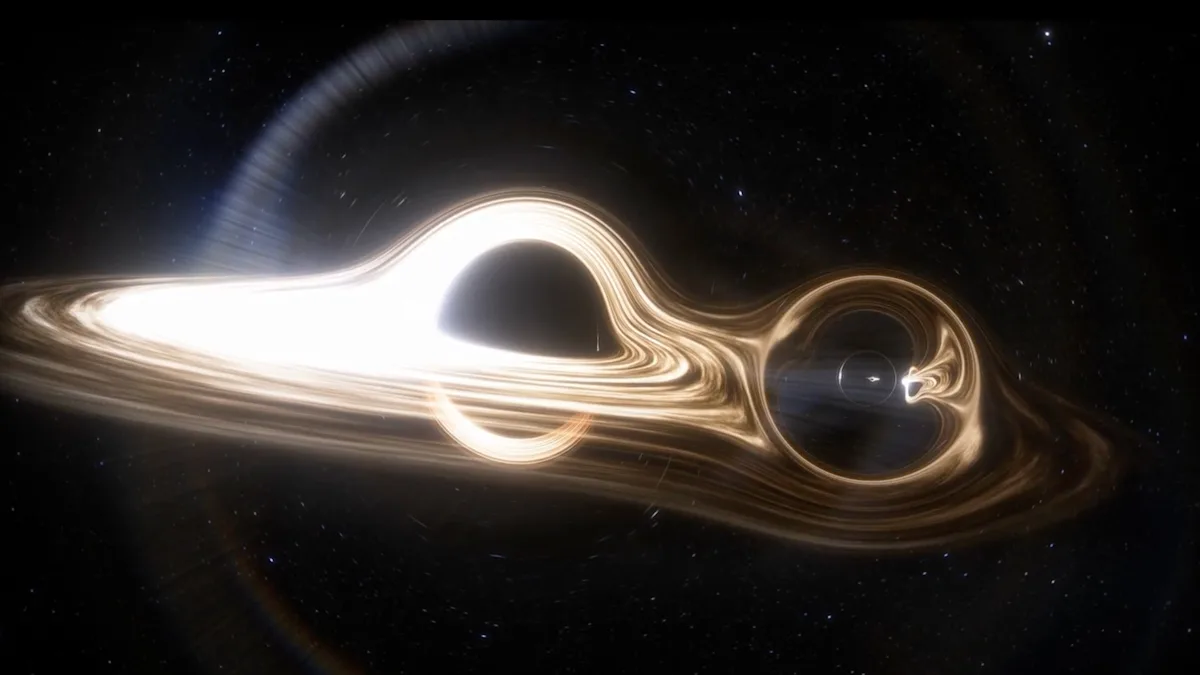
Cosmic Light Show: Black Holes Feast on Gas Cloud

Astronomers have identified mysterious periodic bursts of light from a distant galaxy, initially thought to be a supernova, as the result of a massive interstellar cloud interacting with a pair of binary black holes. Observations using the Neil Gehrels Swift Observatory revealed ultraviolet and X-ray light oscillations consistent with simulations of binary black holes consuming a gas cloud. The black holes, with a combined mass of 40 million Suns, orbit each other every 130 days and are expected to merge in about 70,000 years. This discovery highlights the dynamic interactions within galaxies and the potential for further study.

astronomy1 year ago

"Meteor Sighting: Fireball Lights Up Skies Over Multiple U.S. States"

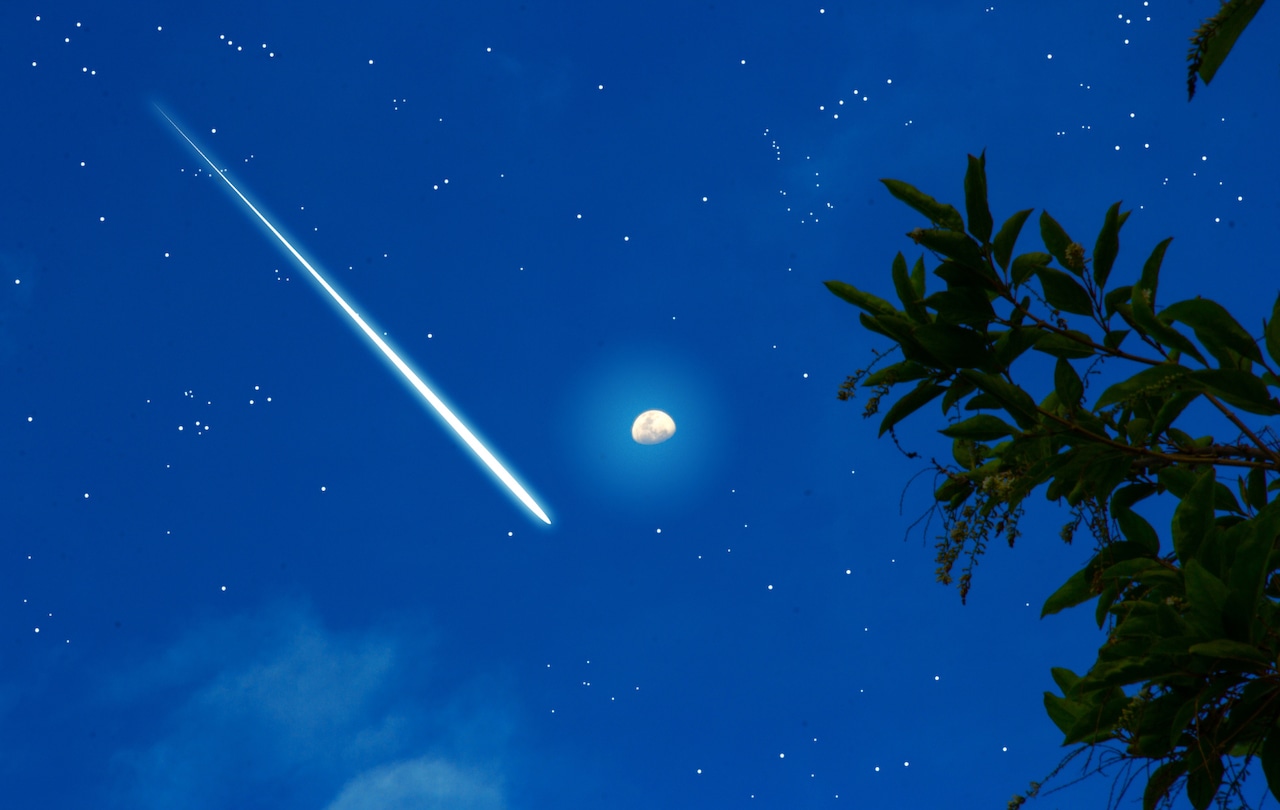
A bright fireball streaked across the skies over New Jersey and surrounding states early in the morning, with reports of sightings in at least 10 New Jersey towns as well as in parts of Delaware, Pennsylvania, and New York. Witnesses described seeing a bright green or blue-colored fireball, with some capturing video footage of the event. The sighting comes just ahead of the annual Lyrid meteor shower, which is expected to begin on April 15 and peak on the late-night hours of April 22 and early morning hours of April 23.

astronomy1 year ago

"NASA's Cosmic Love: Heart-Shaped Wonders in Space and Valentine's Day Delights"

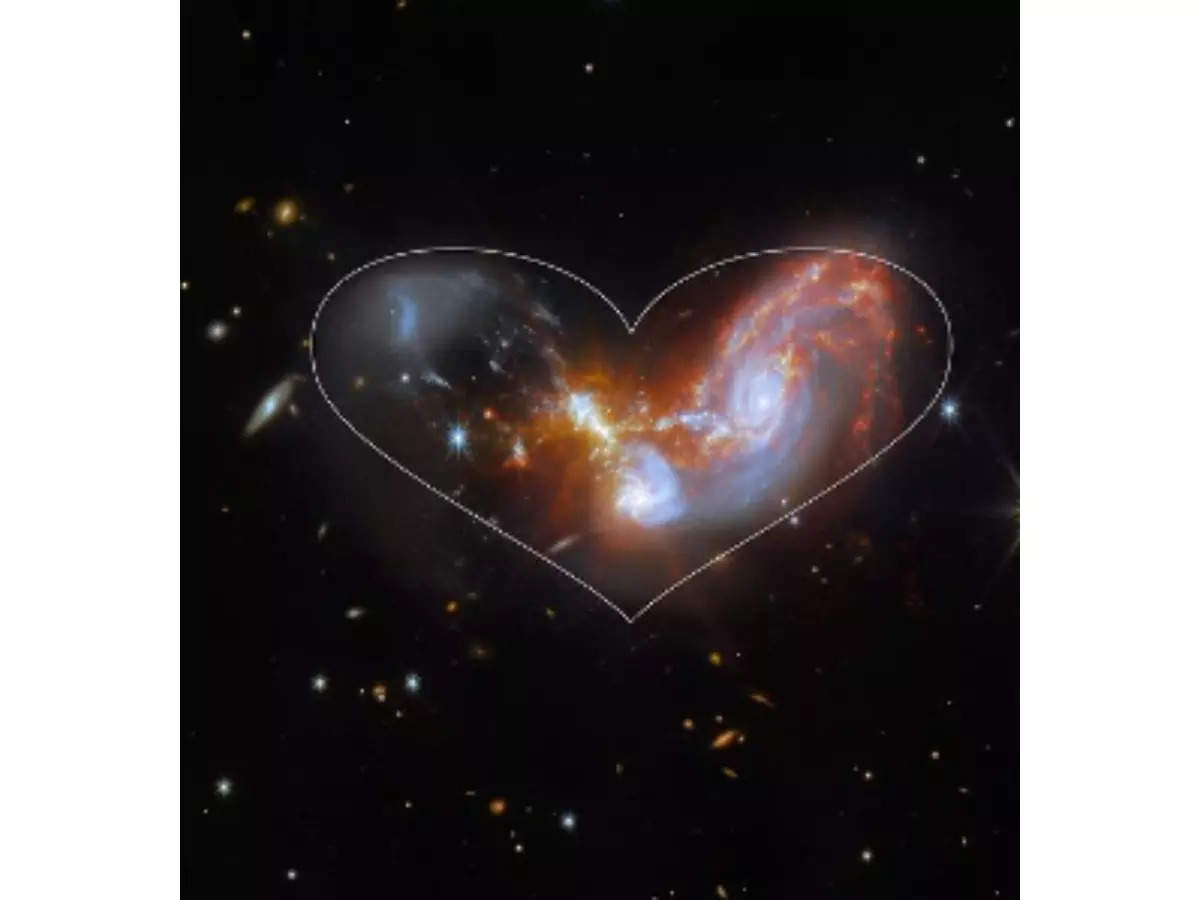
NASA has captured hearts with their incredible Valentine's Day posts, including stunning images of galaxies merging into a heart shape, a pink and green nebula resembling a rose, a heart-shaped formation on Mars, a star-forming region called W5, and the gentle merging of celestial bodies to form the object Arrokoth. These celestial images showcase the beauty and wonder of space exploration, evoking feelings of love and awe.

astronomy1 year ago

"Unraveling the Mysteries of Fast Radio Bursts with NASA Telescopes"

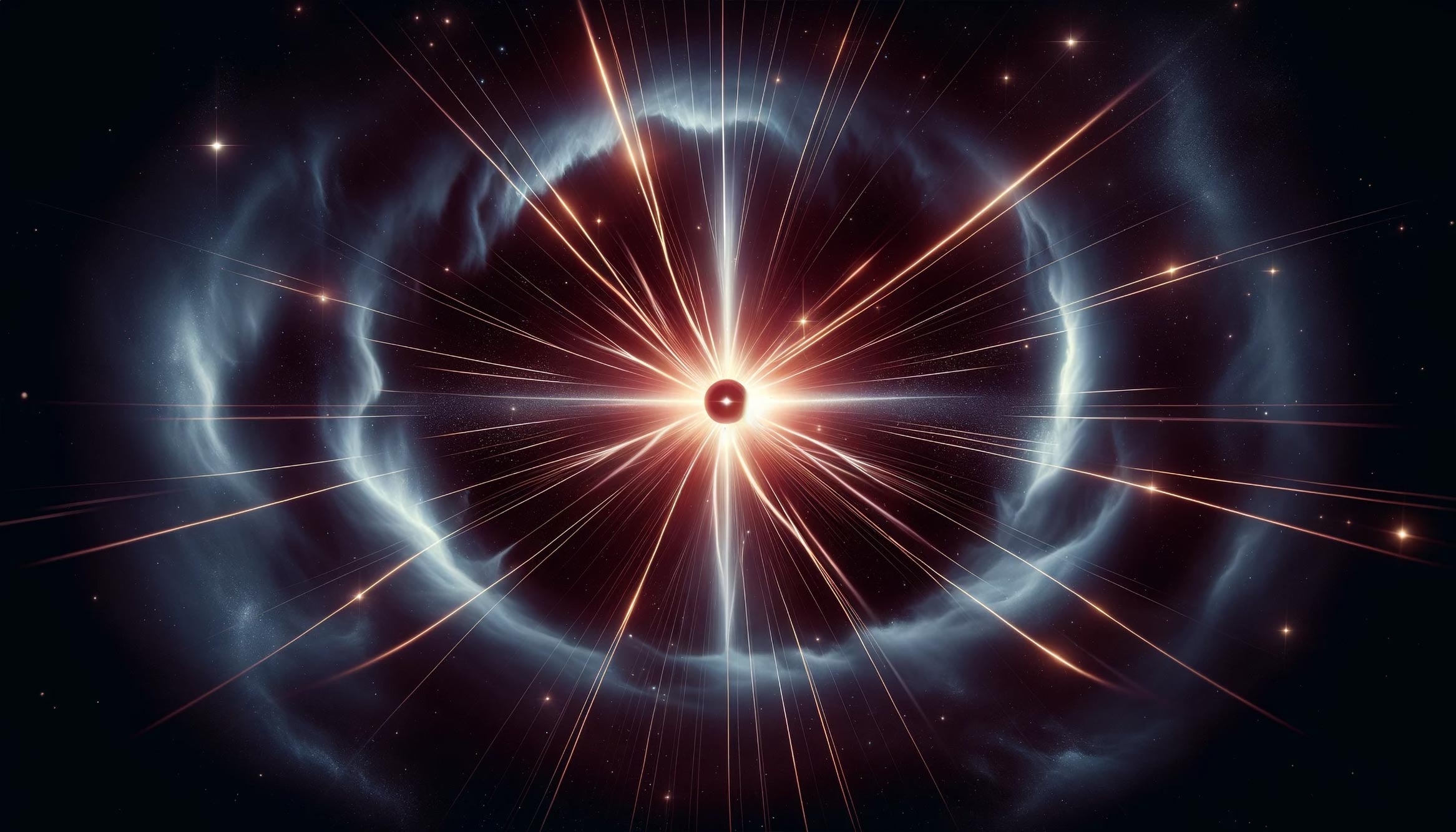
NASA's X-ray telescopes have provided new insights into fast radio bursts (FRBs) by studying a burst from a magnetar within our galaxy, revealing rapid changes in magnetar behavior that could explain how FRBs are generated. The telescopes observed the magnetar for hours, catching a glimpse of what happened on its surface and in its surroundings before and after the burst, shedding light on the physics of magnetars and their potential connection to FRBs. This research sets scientists on a path to better understand these extreme cosmic events.

book-review2 years ago

"Exploring the Mysterious Phenomena in 'Things That Go Bump in the Universe' by C. Renée James"

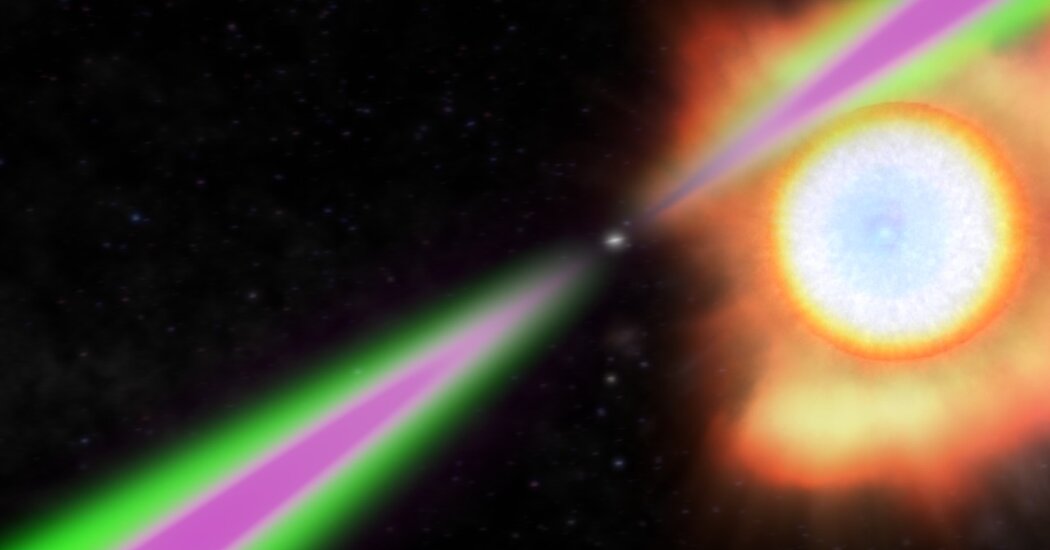
In her book "Things That Go Bump in the Universe," astronomer C. Renée James explores the fascinating world of pulsars and other cosmic phenomena. James delves into the study of these celestial objects, highlighting their importance in measuring distances between stars and advancing our understanding of nuclear physics. She also discusses the field of transient astronomy, which focuses on fast and violent events in the universe. Through engaging prose and relatable anecdotes, James brings the complex concepts of astrophysics to a wider audience, revealing the dynamic and enigmatic nature of stars and the cosmos.

science-and-technology2 years ago

Impending Kilonova Space Explosion Poses Threat to Earth's Existence

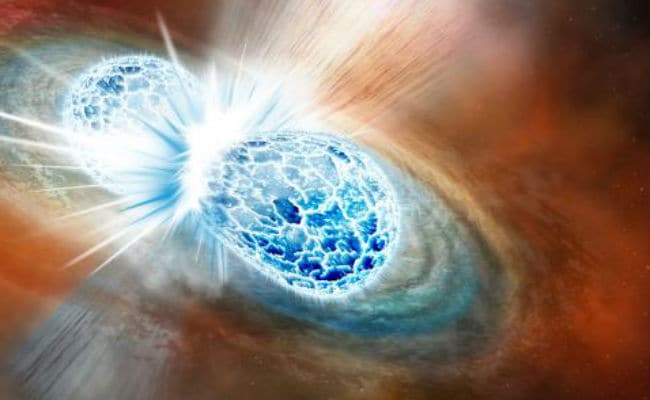
Scientists have determined that a neutron star collision, known as a kilonova, could pose a serious threat to life on Earth if it occurs within approximately 36 light-years of our planet. The collision would release lethal radiation, including gamma rays, cosmic rays, and x-rays, which could decimate the ozone layer and expose Earth to ultraviolet radiation for the next 1,000 years. However, the researchers reassured that kilonovas are rare events, and there are other more common events, such as solar flares and asteroid impacts, that have a higher chance of being harmful.