Tag

Intermediate Mass Black Holes

All articles tagged with #intermediate mass black holes

science-and-technology2 years ago

"Revolutionary Observatories: Detecting Massive Black Hole Mergers and Black Hole Rain"

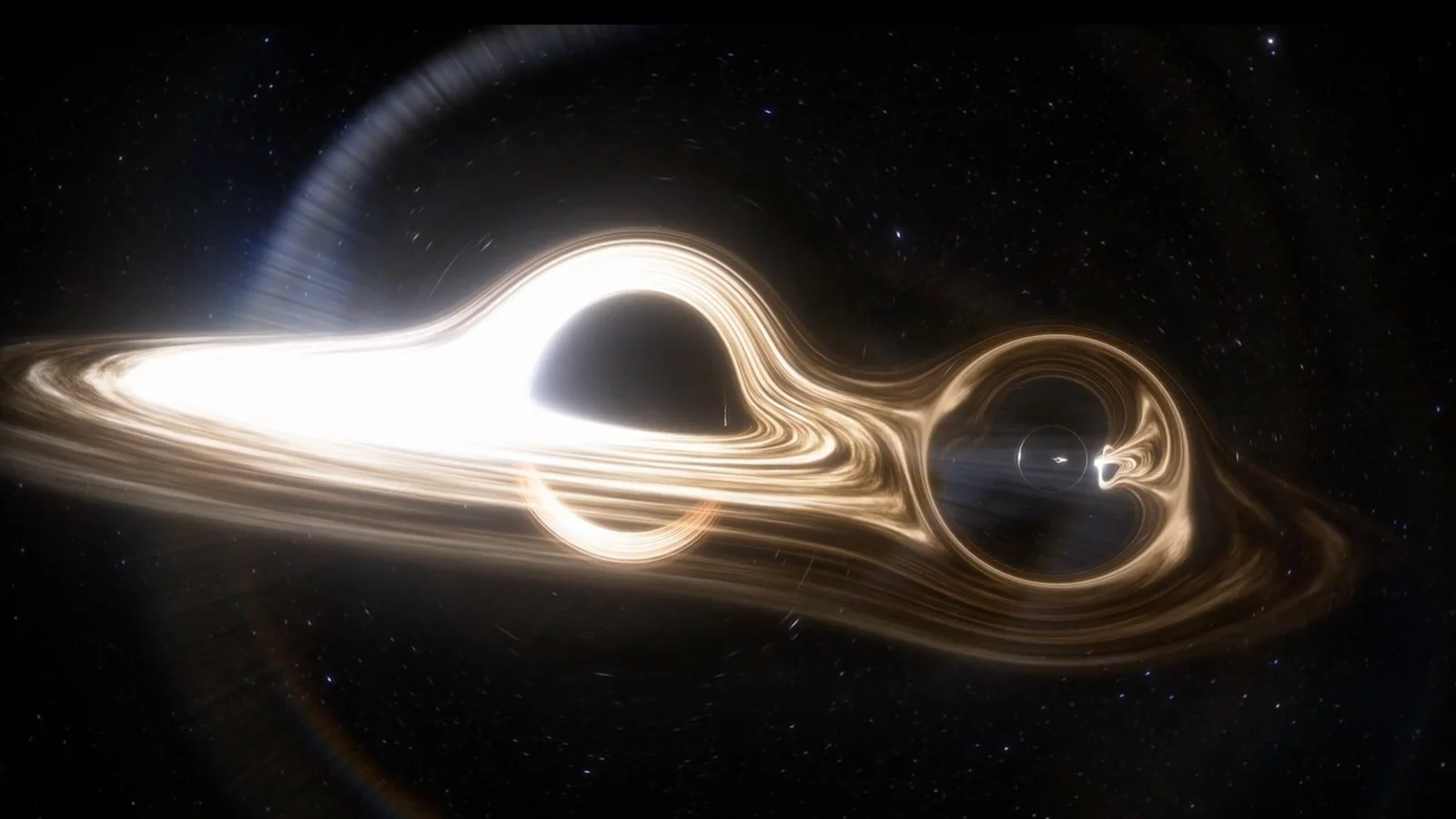
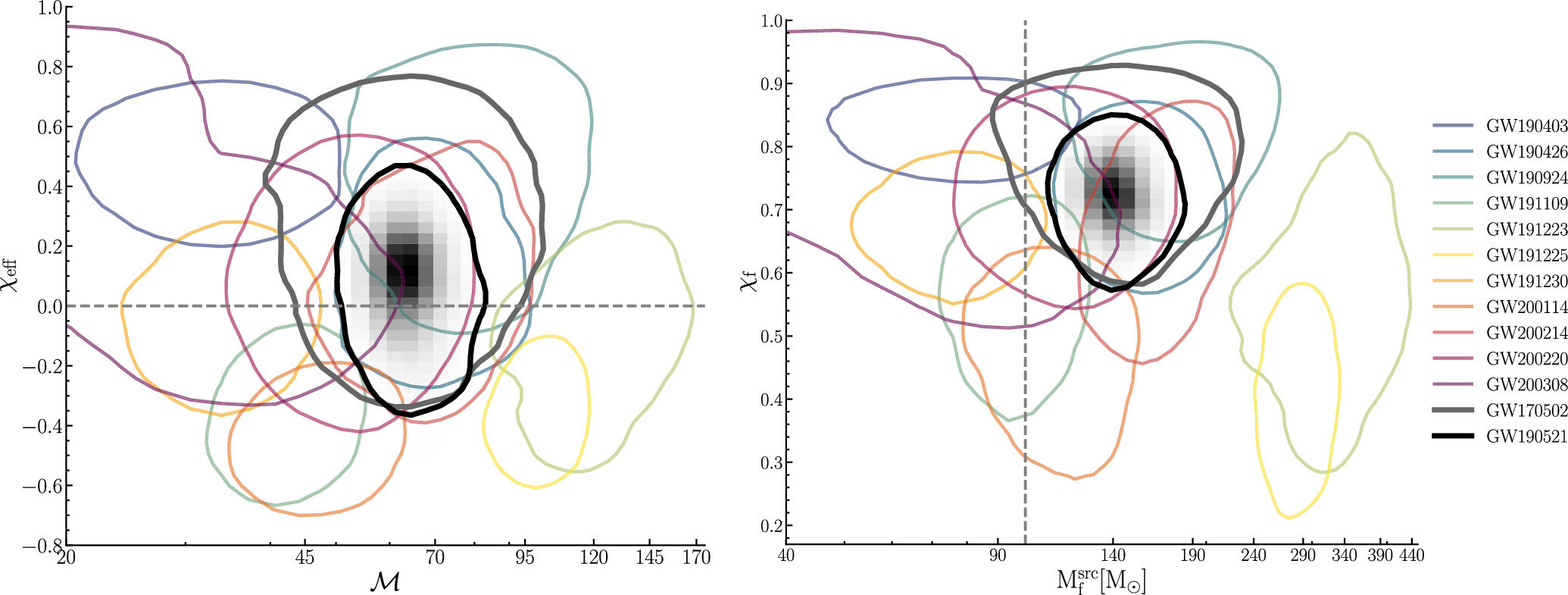
The next generation of gravitational wave (GW) observatories, such as the Einstein Telescope and the Cosmic Explorer, could detect mergers of intermediate mass black holes, which have masses between 100 and one million solar masses. These observatories would expand our understanding of black holes and their role in the formation of supermassive black holes at the center of galaxies. Detecting these mergers would also help narrow uncertainties about the pair-instability mass-gap and shed light on the origin and evolution of black hole populations across cosmic epochs.

astronomy2 years ago

Hubble searches for nearby intermediate black hole.

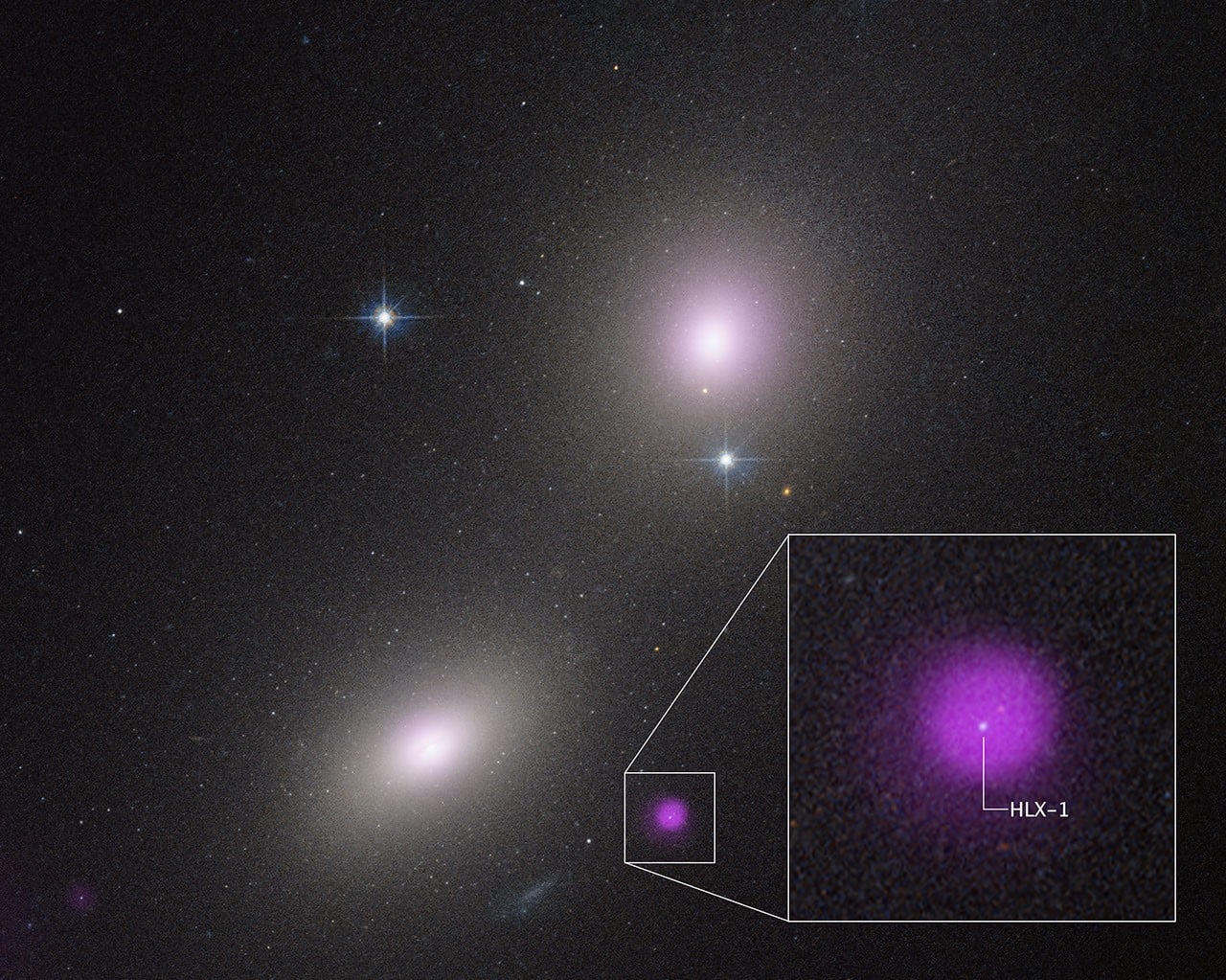
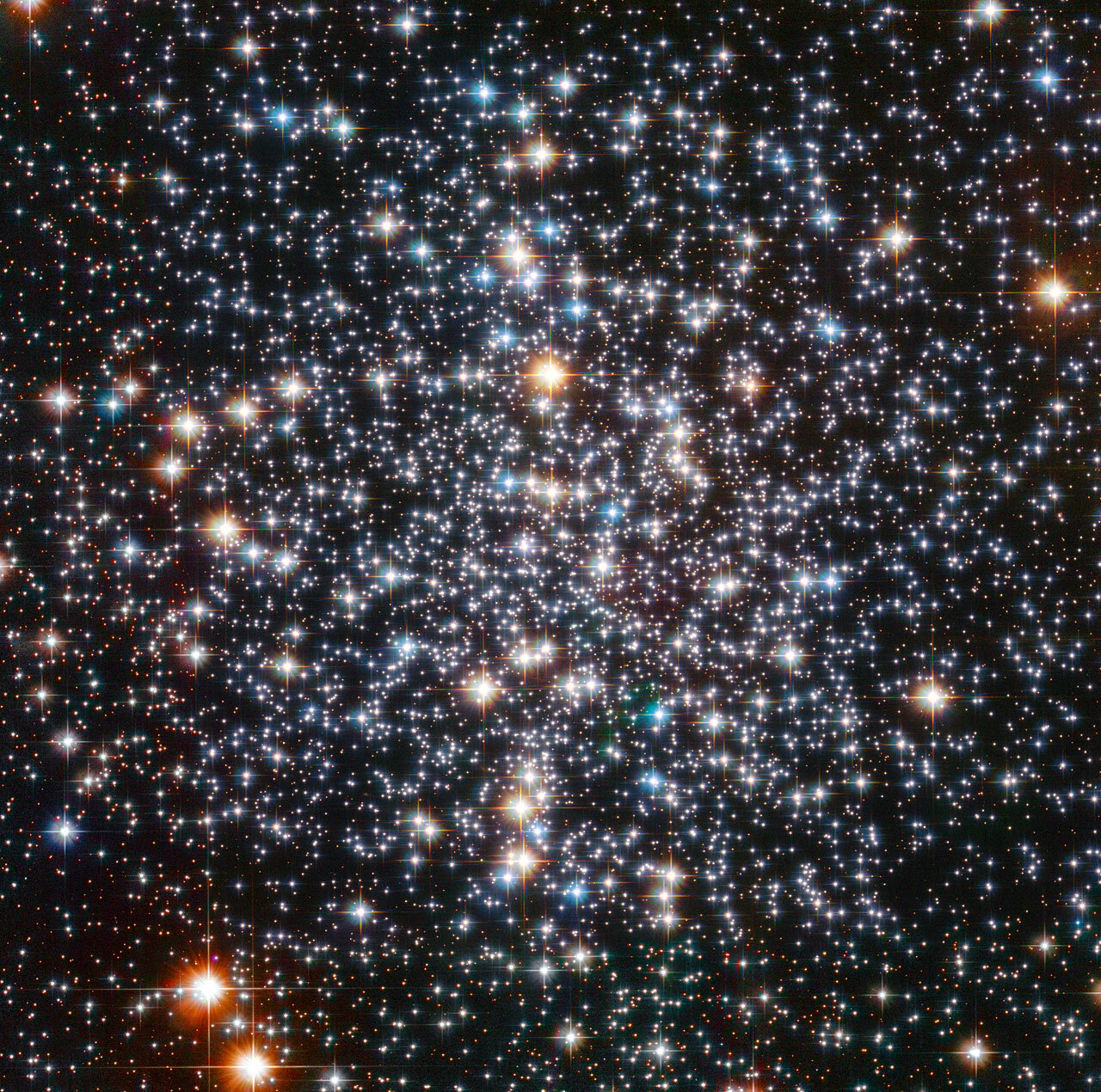
Astronomers using the Hubble Space Telescope have found a strong candidate for an intermediate-sized black hole, weighing roughly 800 solar masses, at the heart of the closest globular star cluster to Earth, located 6,000 light-years away. The suspected object can't be seen, but its mass is calculated by studying the motion of stars caught in its gravitational field. Hubble's unique capabilities have been used to zero-in on the core of the globular star cluster Messier 4 to go black-hole hunting with higher precision than in previous searches.

astronomy2 years ago

Black holes devour stars with messy toddler-like behavior, study finds.

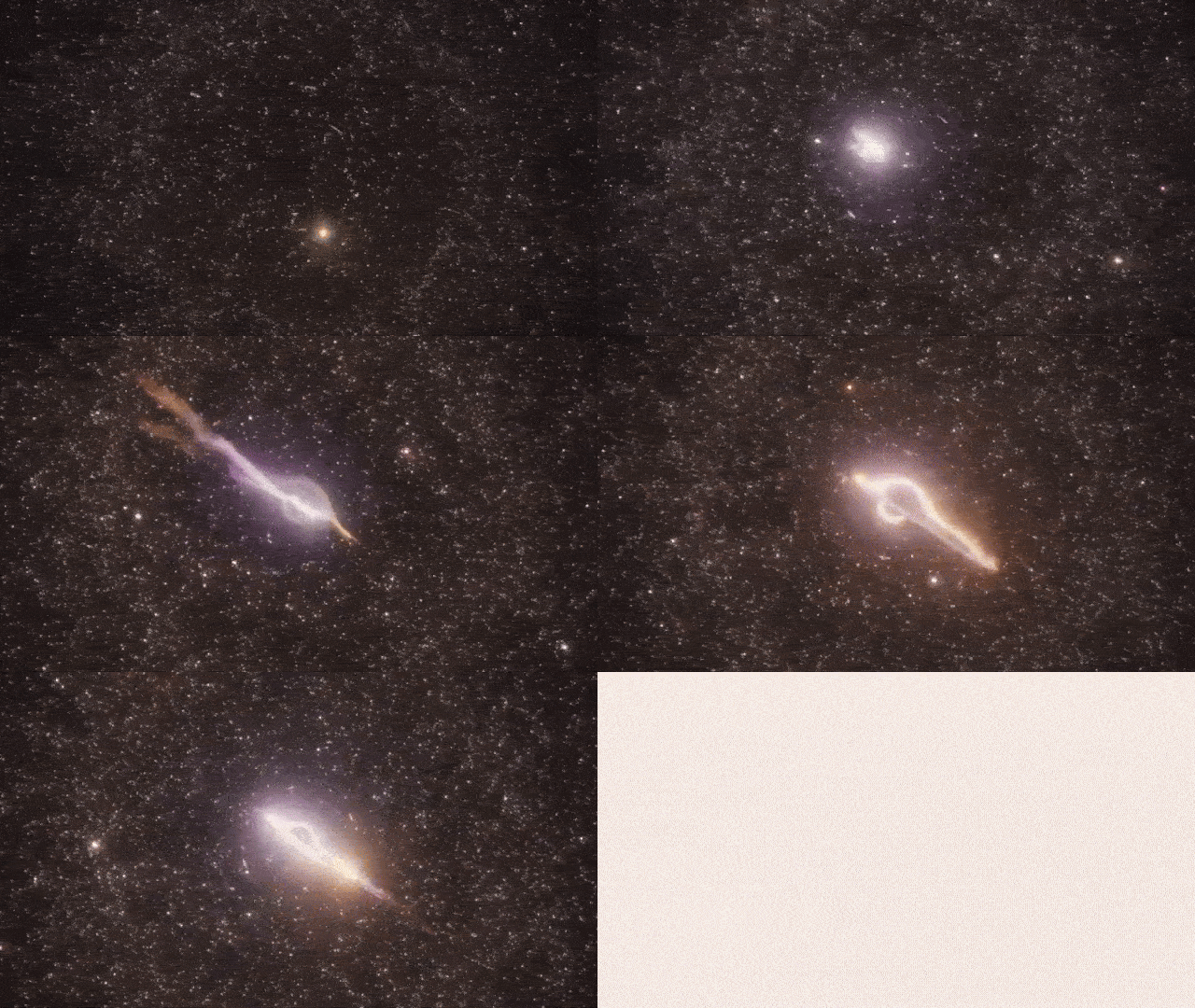
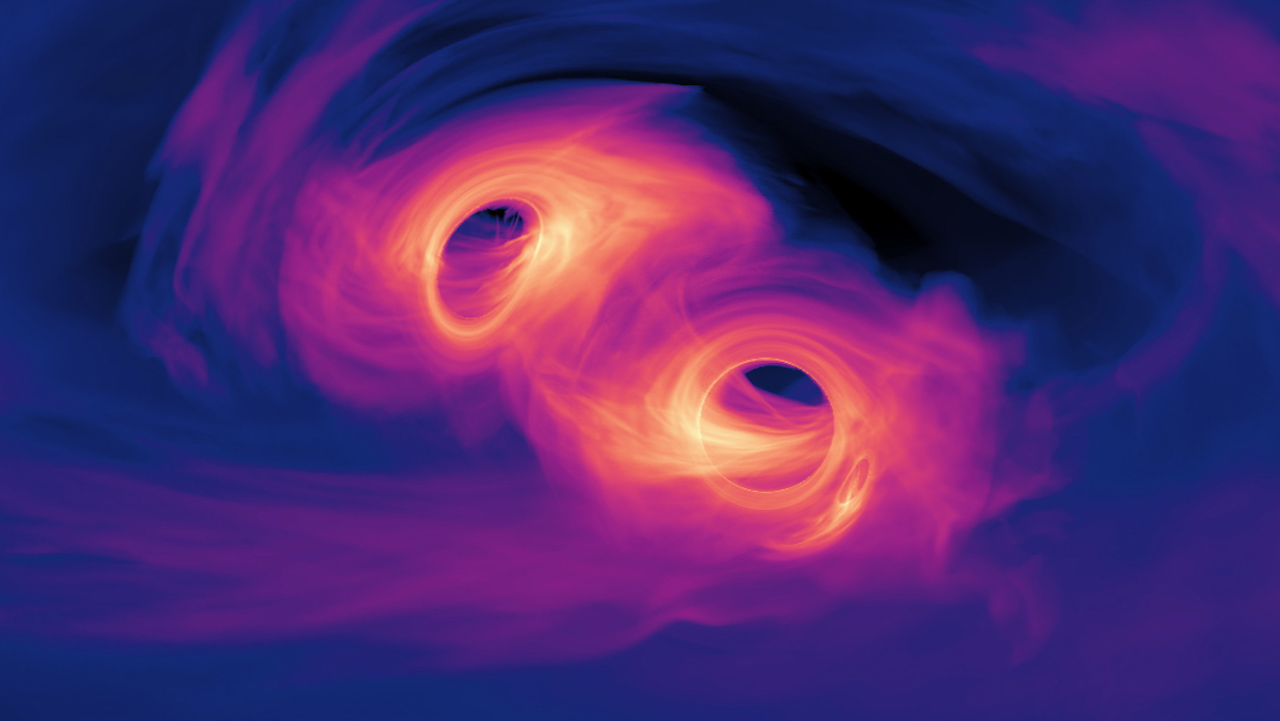
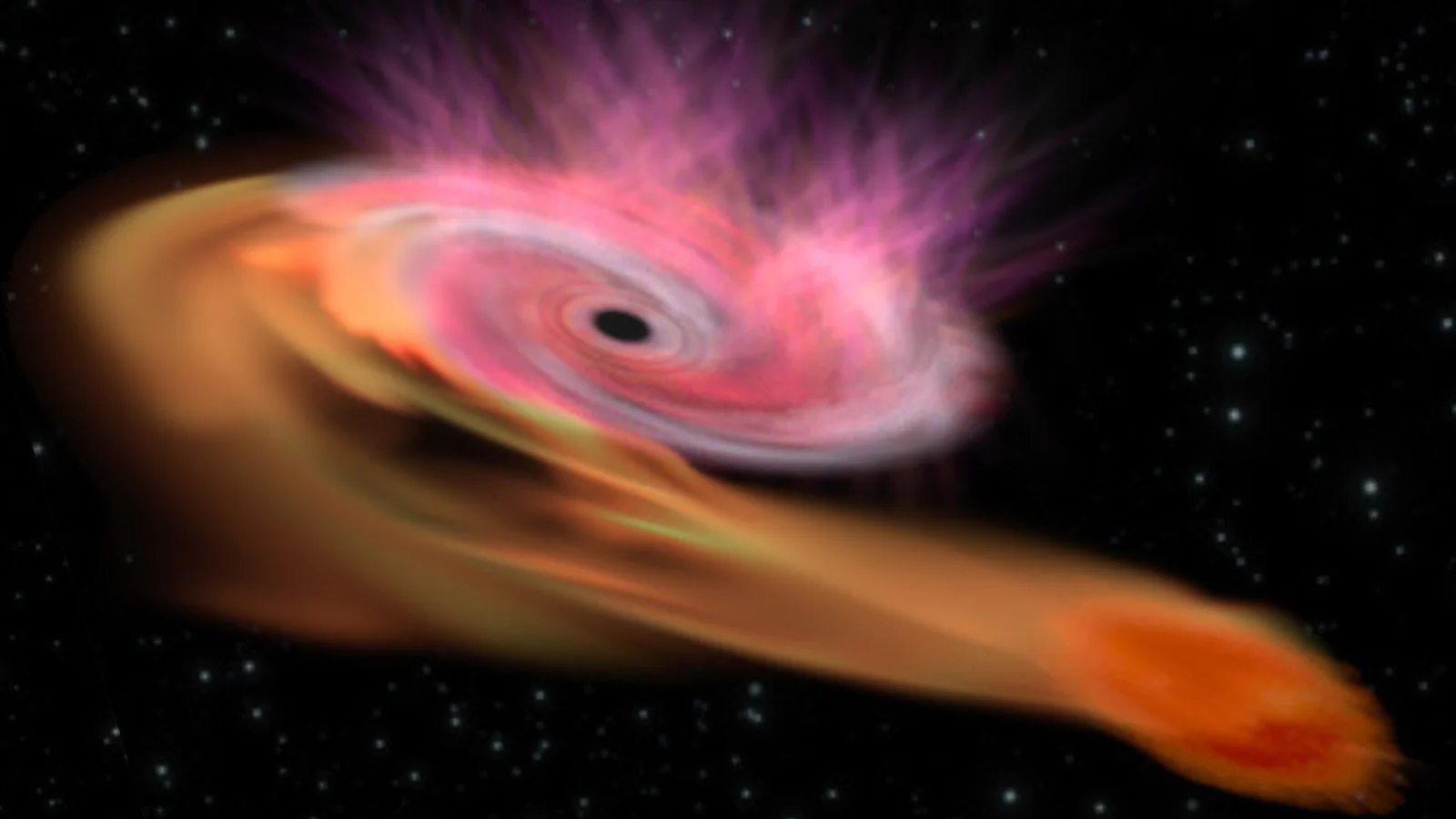
New 3D computer simulations by Northwestern University-led astrophysicists suggest that intermediate-mass black holes, if they exist, devour wayward stars like messy toddlers, taking a few bites and then flinging the remains across the galaxy. The simulations also provide astronomers with new clues to help pinpoint these hidden giants within our night sky. Intermediate-mass black holes are about 10 to 10,000 times more massive than stellar remnant black holes but not nearly as massive as supermassive black holes.

astronomy2 years ago

Exploring the Mysteries of Black Holes through Gravitational Waves and Lab Simulations.

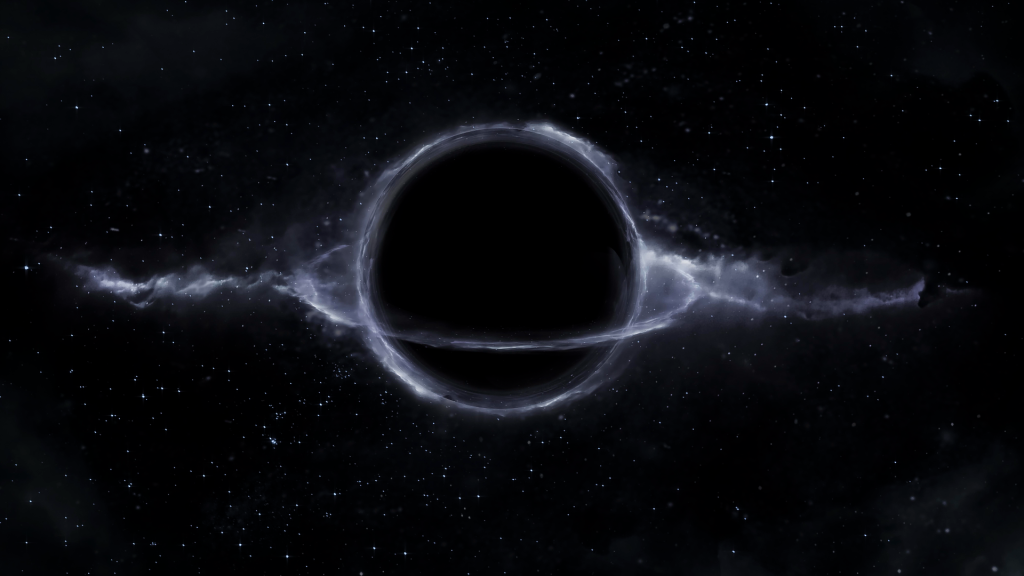
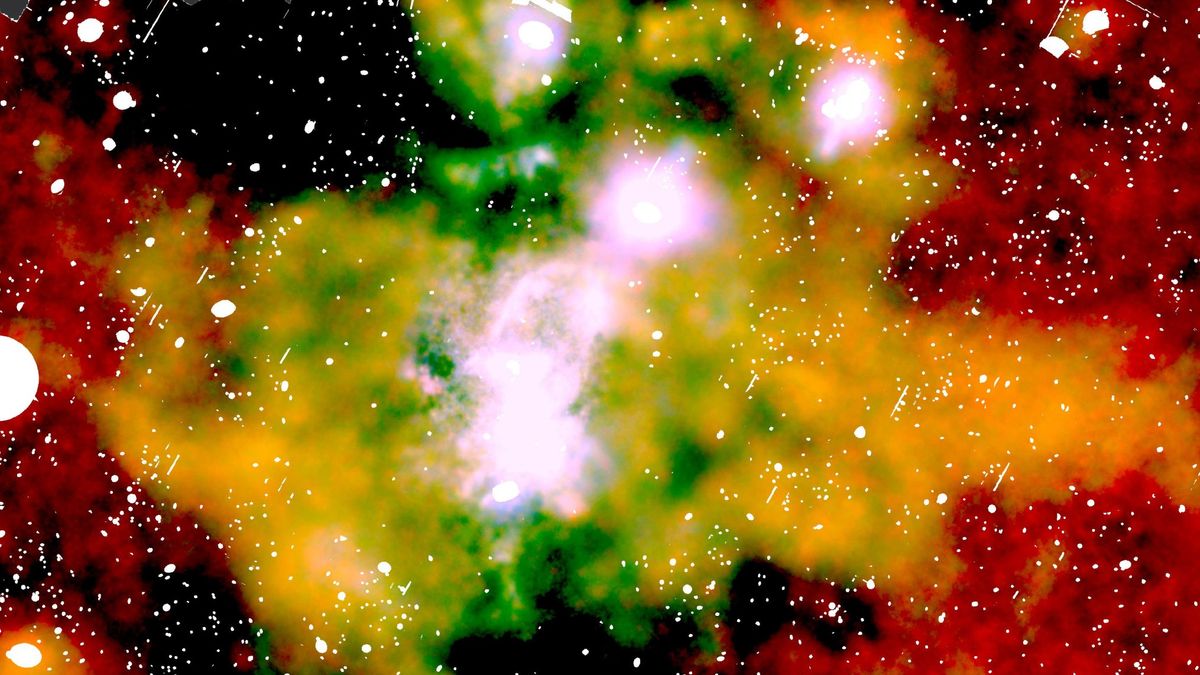
Astronomers have proposed a new method to hunt for intermediate-mass black holes (IMBHs) using ripples in space-time caused by their motions through the center of the Milky Way. IMBHs are elusive and could help piece together the formation history of black holes. The Laser Interferometer Space Antenna (LISA), a planned gravitational wave detector, could potentially detect IMBHs if they have a mass range from 1,000 to 100,000 solar masses. The proposed method is a longshot, but it just might work.