Tag

Impact Craters

All articles tagged with #impact craters

science1 year ago

Ancient Asteroid Impacts Had Minimal Long-Term Climate Effects

A study reveals that two massive asteroid impacts on Earth 36 million years ago did not cause long-term climate changes. The asteroids, striking within 25,000 years of each other, created significant craters in Siberia and Chesapeake Bay. Analysis of isotopes in marine fossils from that era shows no major climate shifts in the 150,000 years following the impacts. The research highlights the resilience of Earth's climate to such events, though the immediate effects would have been catastrophic on a human timescale.

science1 year ago

Unveiling Venus: The Mystery of Hidden Impact Craters

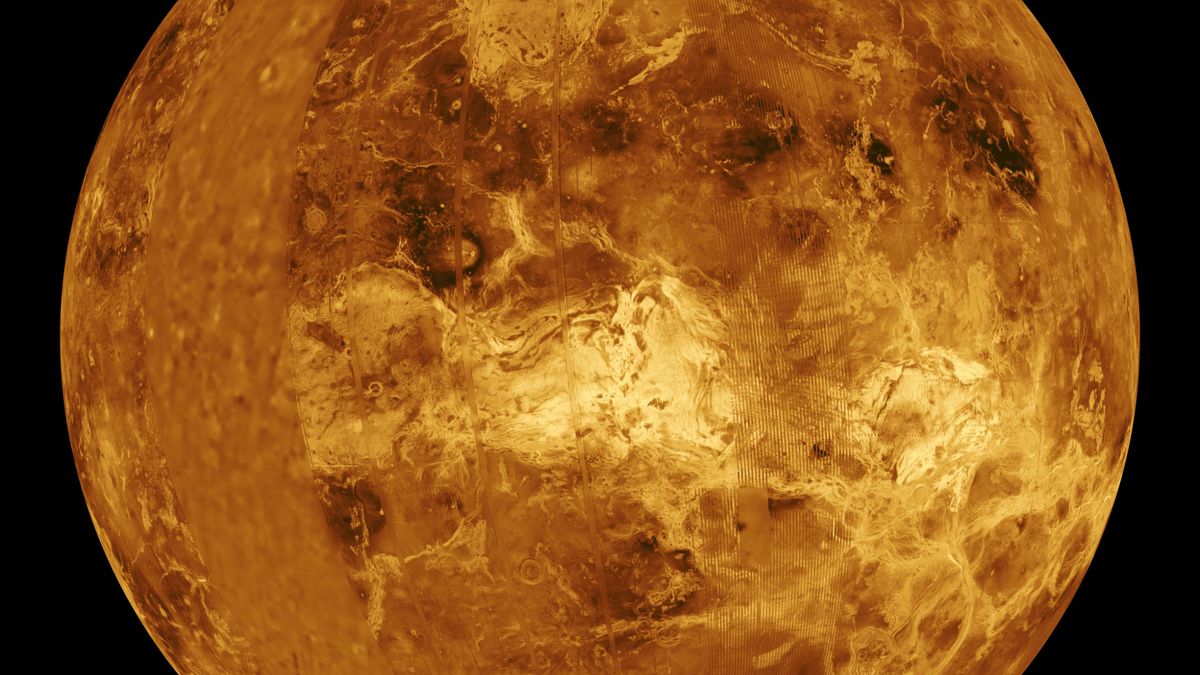
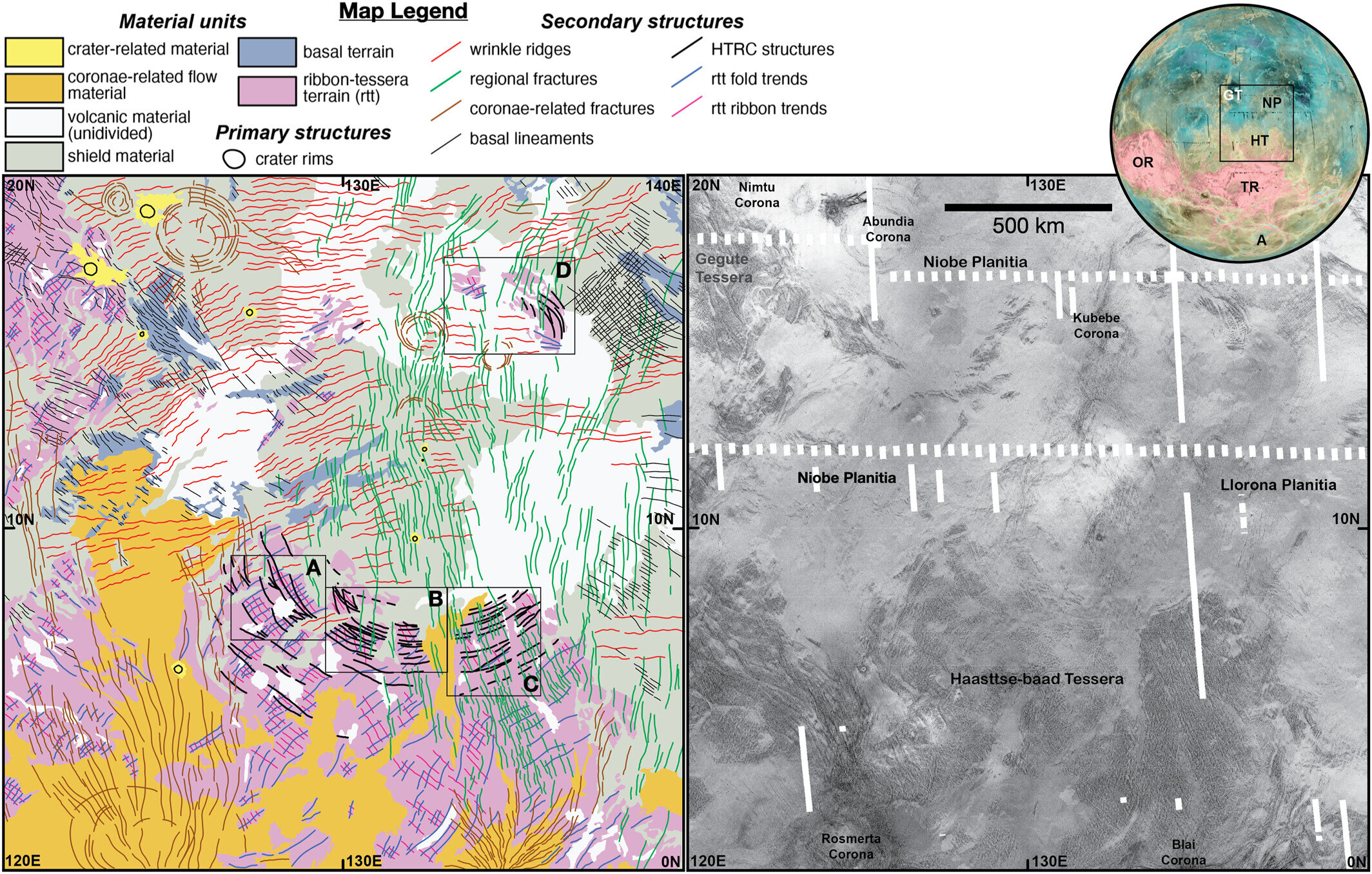
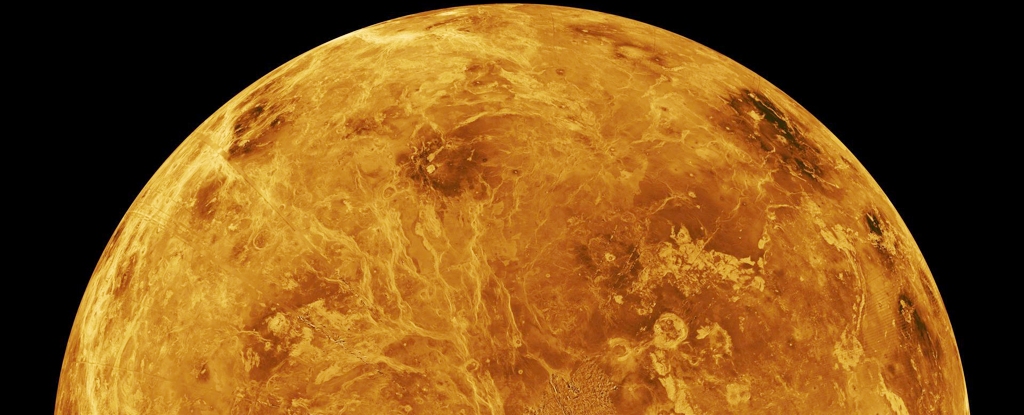
A team of planetary scientists suggests that Venus' tesserae formations, large deformed terrains on the planet's surface, may actually be ancient impact craters. These formations, like the Haastte-baad tessera, could have been created by asteroid impacts that penetrated Venus' thin lithosphere, allowing lava to pool and form the tesserae. The study indicates that these features might provide insights into Venus' geological history, as they could be remnants of impacts from 1.5 to 4 billion years ago. The findings were published in the Journal of Geophysical Research: Planets.

science1 year ago

Unveiling Venus: New Insights into Hidden Impact Craters

A study by geologists from Universidad Rey Juan Carlos, Lawrence Livermore National Laboratory, and the University of Minnesota suggests that the Haasttse-baad Tessera on Venus was formed by two large impacts early in the planet's history. Using geologic relations and numerical modeling, the researchers found similarities between the concentric circles of Haasttse-baad Tessera and formations on Jupiter's moon Callisto, indicating that impacts caused molten material to deform the crust. The study proposes that two objects, each about 75 kilometers across, struck Venus in the same area, leading to the unique formation.

science1 year ago

Unveiling Venus: Newly Discovered Impact Craters Change Our Understanding

Scientists have discovered evidence of large impact craters on Venus, known as tessera terrain, which are concentric rings formed by two massive impacts on the planet's thin crust about 3.5 billion years ago. This finding challenges previous assumptions about Venus's geological history and suggests that not all impact structures resemble traditional craters. The study, published in the Journal of Geophysical Research: Planets, provides new insights into the early processes of planetary formation and evolution.

space-science1 year ago

"Unraveling the Mystery of 2 Billion Craters on Mars"

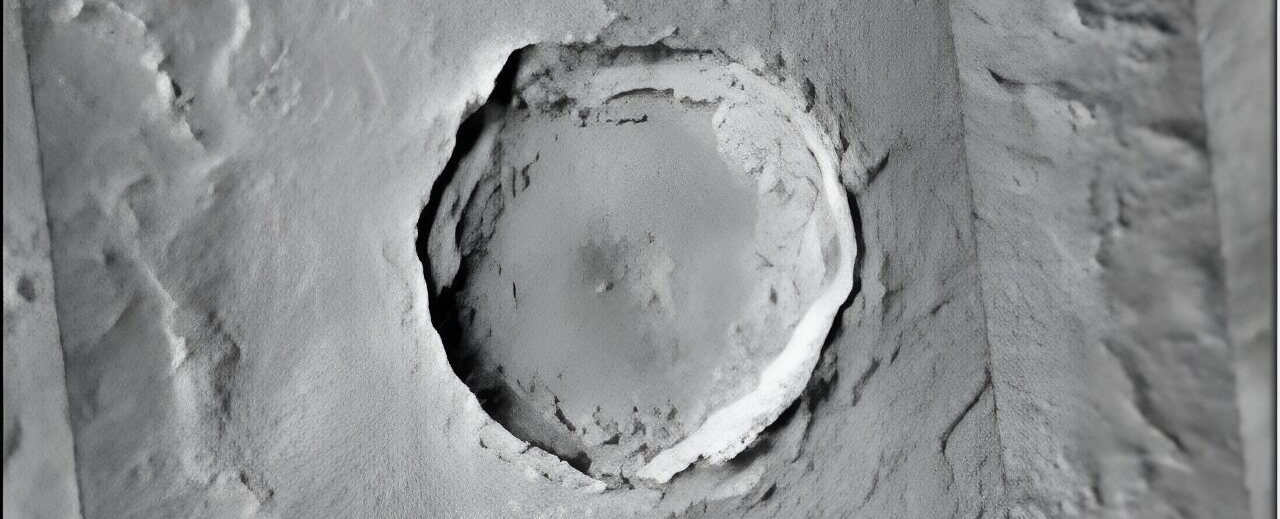
A recent study presented at the 55th annual Lunar and Planetary Science Conference revealed that a single large impact crater on Mars, called Corinto, created over two billion smaller craters up to almost 2000 km away. The crater, located in Elysium Planitia, has an extensive "ray system" and is relatively young, estimated to be around 2.34 million years old. The study used data from the Mars Reconnaissance Orbiter to analyze characteristics of the smaller craters surrounding Corinto, grouping them into five different "facies." This discovery raises questions about the impact processes on Mars and is likely to attract further research.

space-science1 year ago

"Measuring Europa's Ice Thickness with Impact Crater Images"

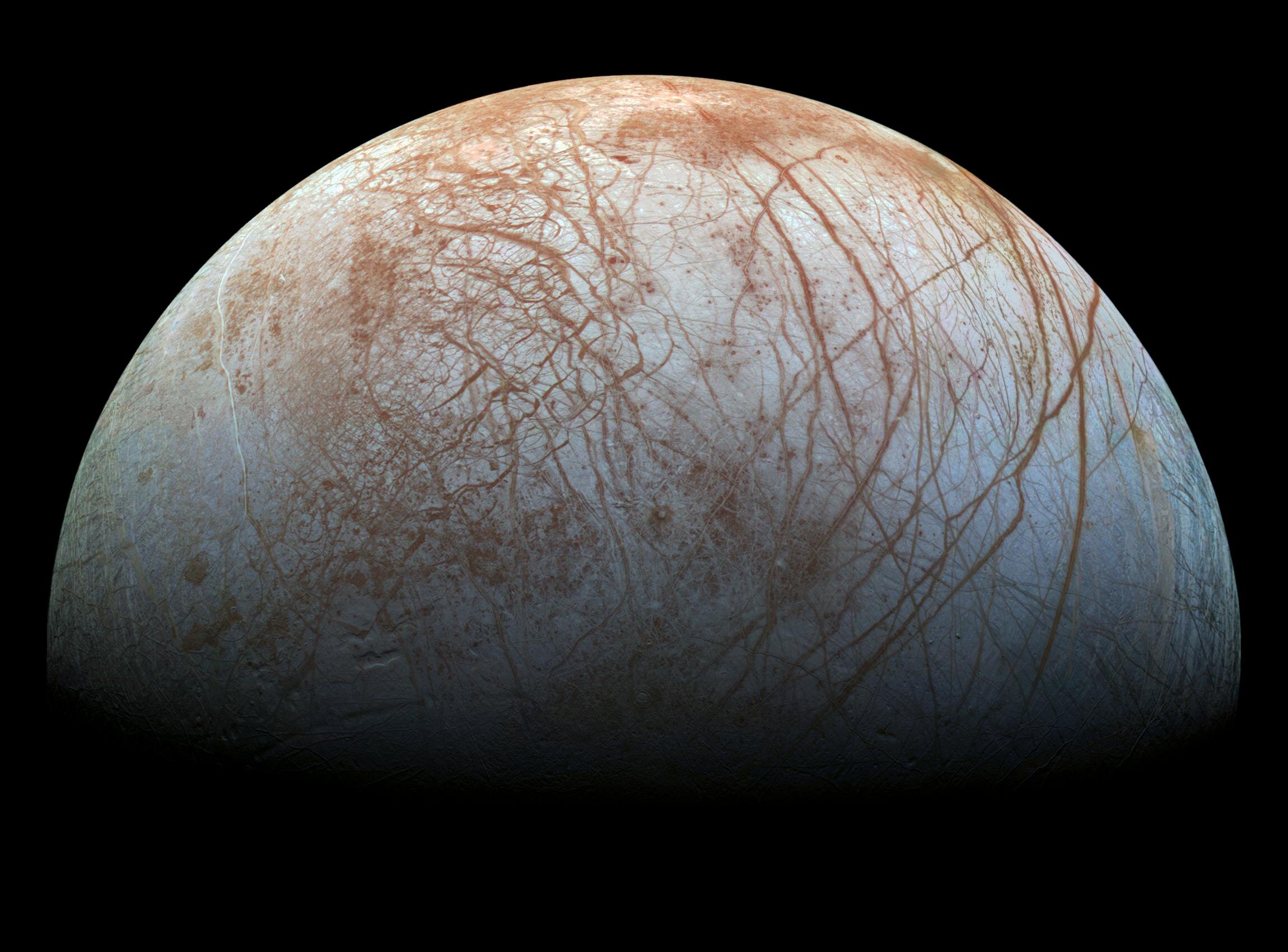
Planetary scientists have used physics and images of impact craters to estimate the thickness of the ice shell on Jupiter's moon, Europa. By studying large craters on Europa's surface, researchers concluded that the ice shell is at least 20 kilometers thick, challenging previous estimates of a thin ice layer over a thick ocean. This finding is crucial for understanding the potential for life on Europa, as the ice shell's thickness influences processes within it and the exchange of material between the surface and the ocean.

space-science1 year ago

"Chang’e-5 Sample Analysis Unveils Moon’s Hidden History and Anomalous Crater Connection"

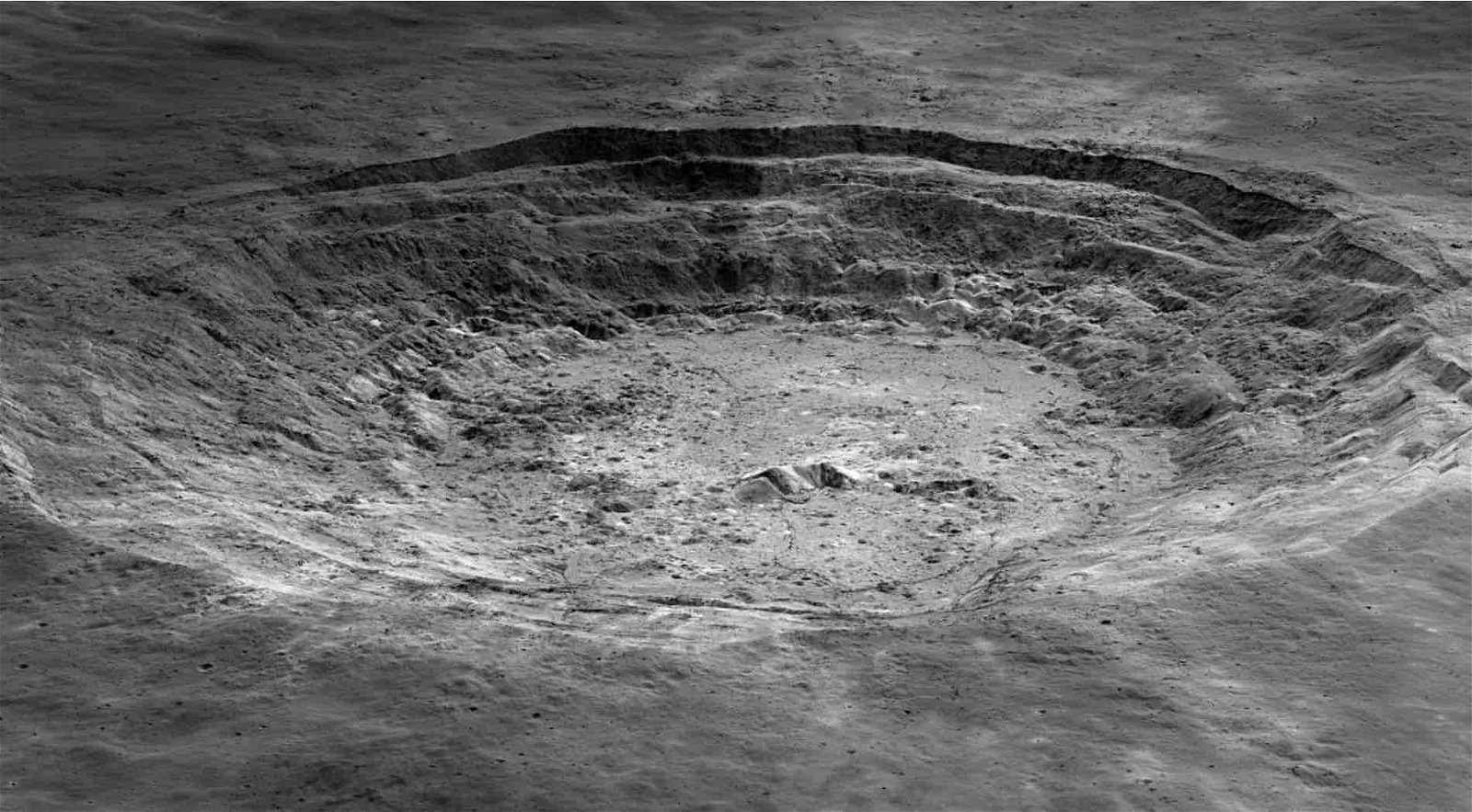
China's Chang'e-5 mission collected lunar regolith samples from the Oceanus Procellarum, revealing a new mineral and unique silica variants. Analysis of the samples suggests they were formed under high-pressure conditions during impact events, providing insights into the Moon's hidden history. The study also identified ejecta from distant impact sites, including the Aristarchus crater, known for anomalous flashes of light. The findings offer unprecedented insights into the Moon's composition and history.

science-and-technology2 years ago

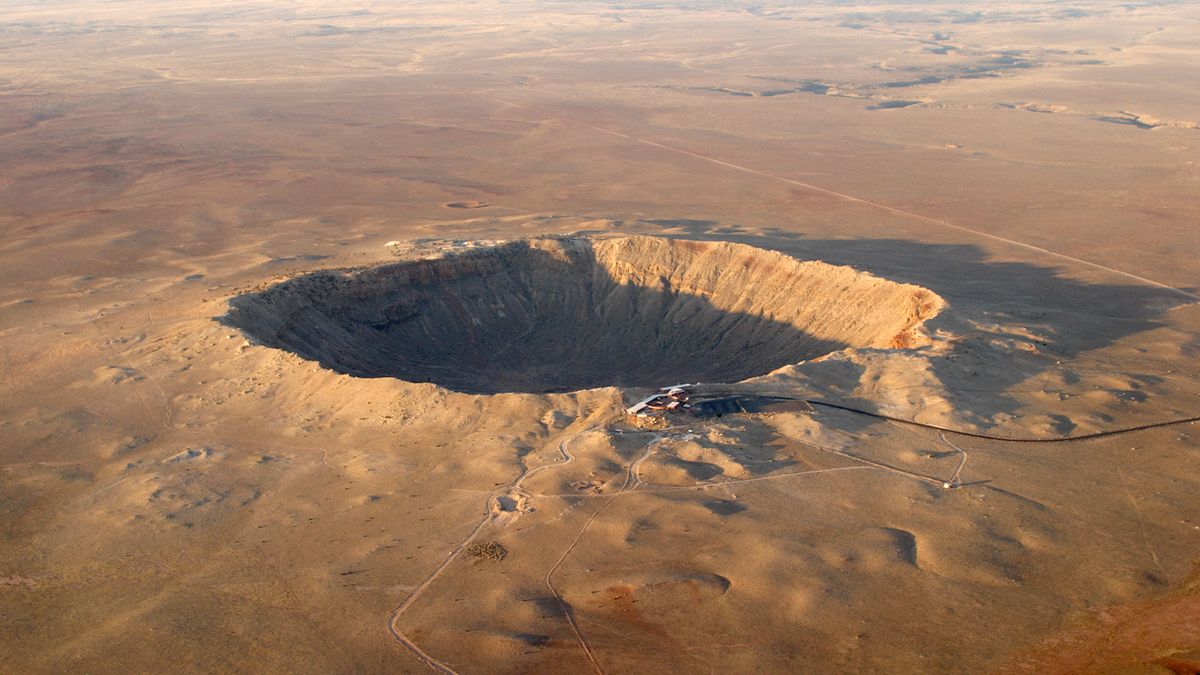
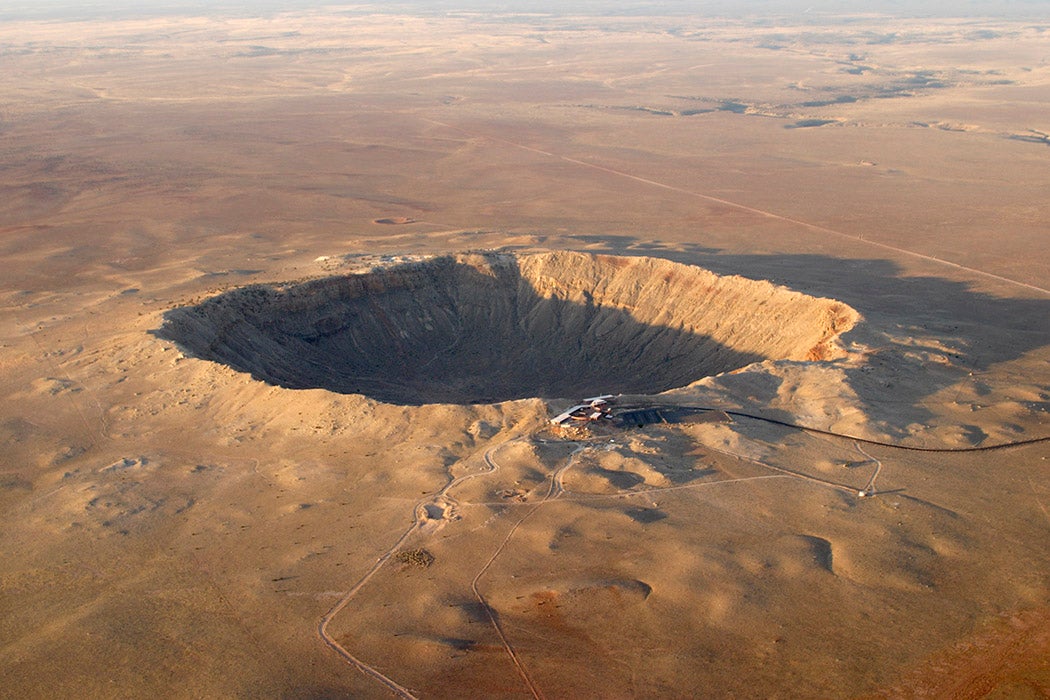
Unveiling the Cosmic Curveball: Simulations Reveal Origins of Barringer Crater

A study published in the journal Physical Review E suggests that fast-spinning asteroids may have created wide and shallow impact craters, such as Arizona's Barringer Crater. The study found that loosely-bound clumpy asteroids with curveball-like spins tend to produce craters that are wider and shallower compared to slower-spinning asteroids. The research focused on the spin and clumpiness of asteroids, using simulations to investigate their impact on the formation of craters. The findings provide insights into the diversity of crater shapes and how different types of craters are formed.

science2 years ago

"Unveiling Earth's Hidden Impact Craters: The Top Eight Revealed"

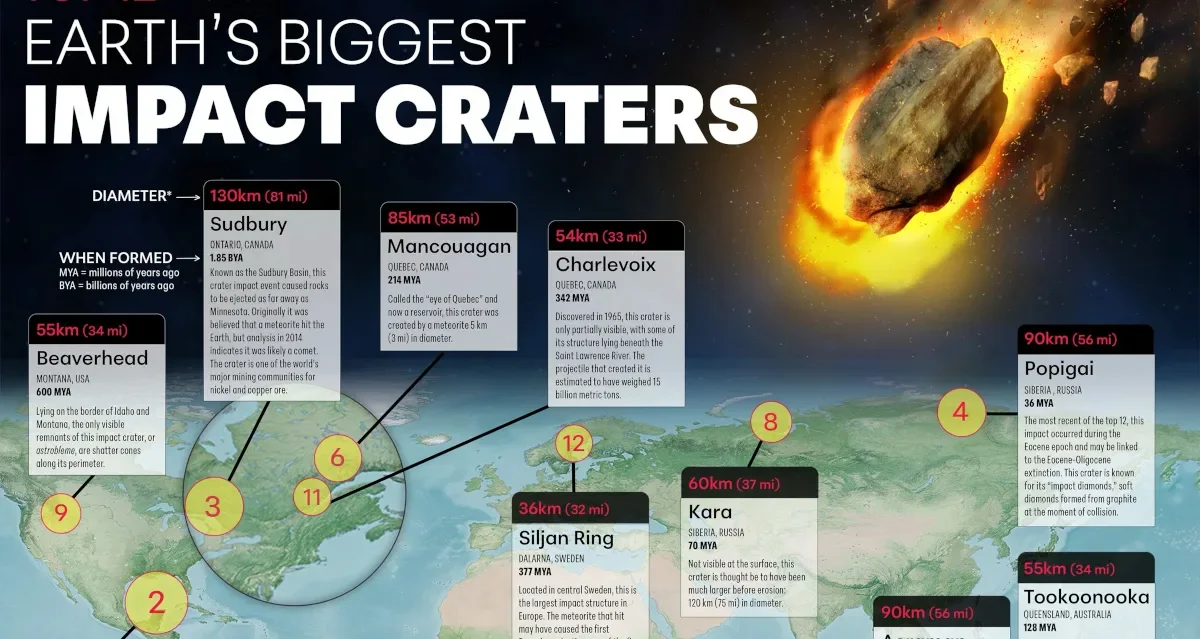
Many impact craters on Earth have remained hidden due to factors such as erosion, subduction, ice cover, or remote locations. Some of the notable hidden craters include the Hiawatha Glacier Impact Crater in Greenland, the Chesapeake Bay Meteor Crater, the Sudbury Basin in Ontario, the Chicxulub crater associated with the extinction of dinosaurs, the Nadir crater off the coast of West Africa, the Yilan Crater in China, the meteoric wine depression in France, and the ancient S3 crater. These craters have been discovered through various geological evidence such as shocked quartz, shatter cones, and high-pressure polymorphs.

science2 years ago

"Uncovering Australia's Massive Buried Asteroid Impact Structure"

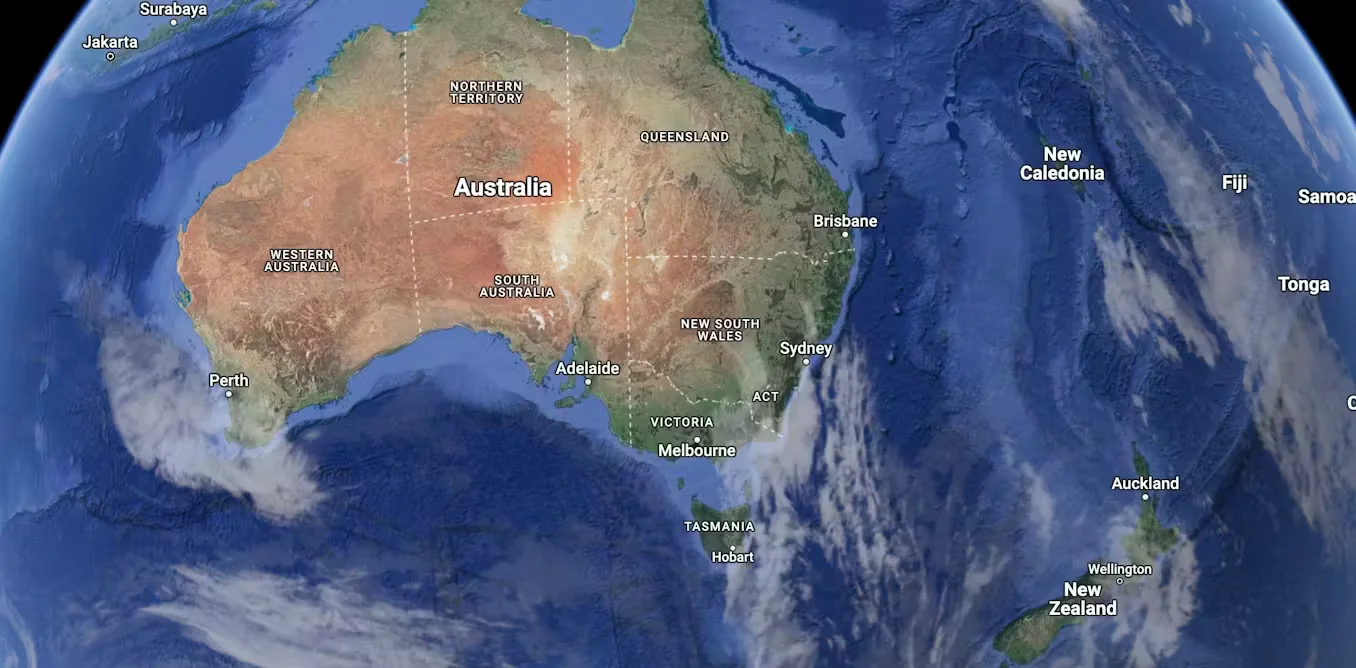
Researchers have identified what they believe to be the world's largest known impact structure, buried deep in the earth in southern New South Wales, Australia. The Deniliquin structure spans up to 520 kilometers in diameter, surpassing the previously considered largest impact structure, the Vredefort impact structure in South Africa. The structure's existence is supported by geophysical data, including magnetic readings and seismic measurements. Further drilling and analysis will be needed to confirm the impact and determine its exact age, which could provide valuable insights into Earth's early history and the Late Ordovician mass extinction event.

science-and-technology2 years ago

"Unearthing Australia's Hidden Giant: The World's Largest Asteroid Impact Structure Discovered"

Researchers have identified what they believe to be the world's largest known impact structure, called the Deniliquin structure, buried deep in southern New South Wales, Australia. Spanning up to 520 kilometers in diameter, it surpasses the previously considered largest impact structure, the Vredefort impact structure in South Africa. The Deniliquin structure shows characteristics of a large impact, such as a central uplifted dome and magnetic patterns indicative of intense magnetic forces during the impact. Further drilling and analysis are needed to confirm the impact and determine its exact age, which could provide insights into Earth's early history.

space2 years ago

Curiosity Rover's Toughest Climb on Mars

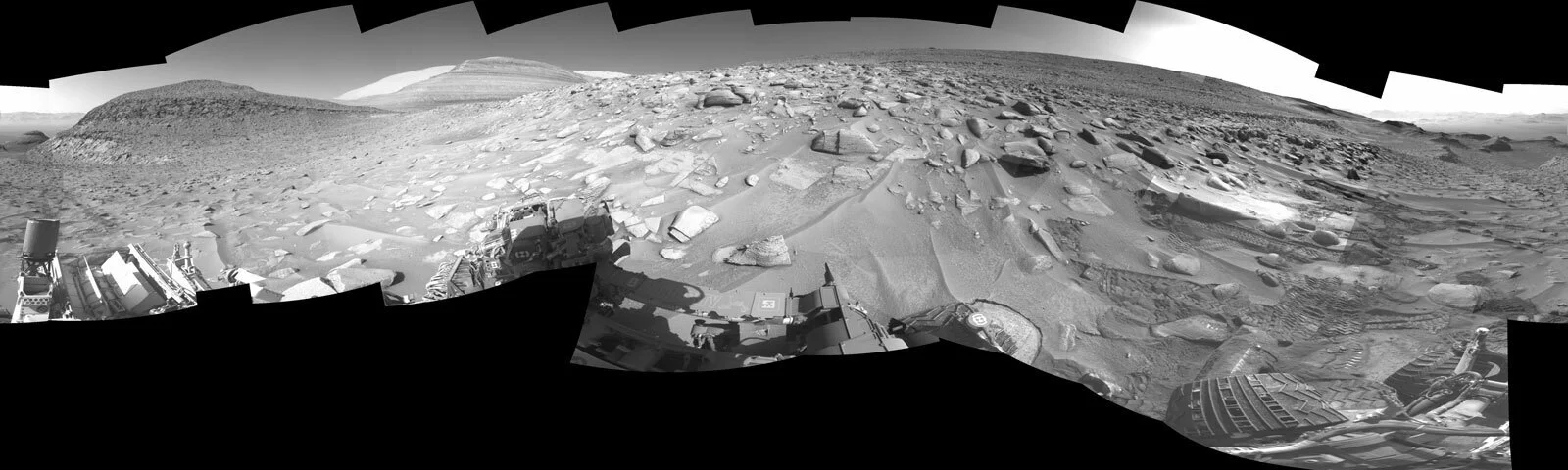
NASA's Curiosity rover, celebrating its 11th year on Mars, recently investigated a location called "Jau" that is filled with dozens of impact craters, providing scientists with a rare close-up view of Martian craters. The rover faced its toughest climb yet, navigating a steep 23-degree incline, slippery sand, and wheel-size rocks. Despite encountering challenges, the rover successfully reached the top and explored the Jau crater cluster. Curiosity's mission continues as it prepares to explore a new area higher up on Mount Sharp.

earth-science2 years ago

Vanishing Evidence: Earth's Ancient Impact Craters Fading Away

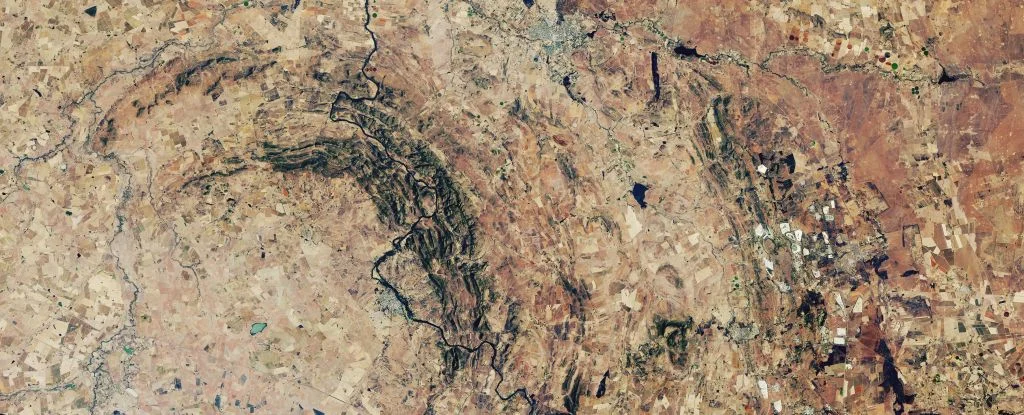
The oldest impact craters on Earth, dating back more than 2 billion years, have likely been erased by erosion and geological processes, leaving behind only faint traces such as high-pressure minerals and melted rock. Unlike Mars, Mercury, and the Moon, Earth's powerful erosional influences and tectonic activity have effectively removed evidence of craters older than 2 billion years. A study of the Vredefort crater in South Africa, one of the world's oldest known impact craters, revealed that even the largest craters can be erased by around 10 kilometers of vertical erosion. The research suggests that finding older craters on Earth is unlikely, but the processes that erase them are also conducive to supporting life.

science2 years ago

Vanishing Vestiges: Earth's Ancient Impact Craters Fade Away

Earth's oldest impact craters, which could provide valuable insights into the early Earth and the solar system, have largely disappeared due to erosion. Geologists have found evidence of impacts from over 3.5 billion years ago, but the actual craters from that time period remain elusive. The erosion process has erased these ancient craters, leaving only the deepest layers and minimal geophysical traces. A recent study focused on the Vredefort crater in South Africa, one of the planet's oldest known impact structures, and found that even the largest craters can be erased by about 10 kilometers of erosion. The chances of finding buried impact structures from over 2 billion years ago are low, but scientists continue to search for unexpected preservation conditions.