Tag

Interplanetary Missions

All articles tagged with #interplanetary missions

science-and-technology1 year ago

Revolutionary Moon Tech Paves Way for Mars Colonization

A lunar mass driver, a concept gaining traction, could revolutionize space exploration by using the Moon's low gravity to launch materials into orbit, bypassing Earth's costly gravity constraints. This technology, leveraging lunar regolith and electromagnetic acceleration, promises efficient, low-cost launches for interplanetary missions. However, challenges such as the Moon's harsh environment and the need for international collaboration must be overcome to make this vision a reality.

space-technology2 years ago

"Revolutionary Radioisotope Thermoelectric Generator Lightens Interplanetary Missions"

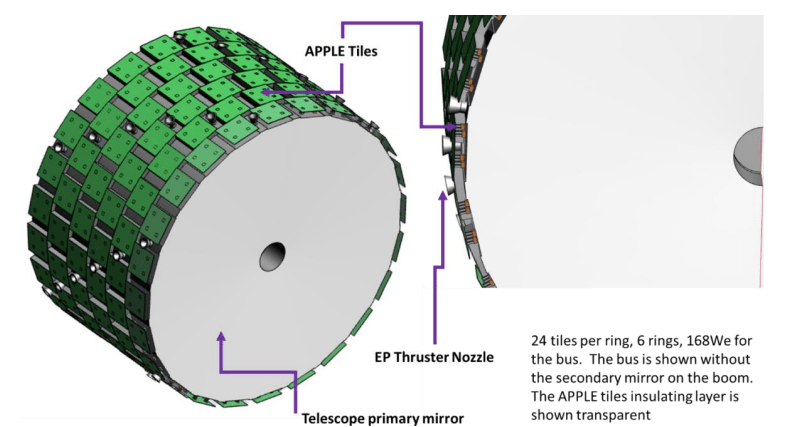
Engineers from the Aerospace Corporation and Oak Ridge National Lab have developed a concept called the Atomic Planar Power for Lightweight Exploration (APPLE) project, which aims to significantly reduce the weight of interplanetary missions by shrinking the size of radioisotope thermoelectric generators (RTGs). The APPLE project utilizes a tile-based design that combines power generation and storage, allowing for flexible power output and battery support. The tiles can be strung together to meet the specific power requirements of different spacecraft. The project uses Plutonium-238 as the isotope and incorporates radiation shielding considerations. While the technical development status and funding of the project are unclear, it presents an ingenious solution for smaller interplanetary missions.

science-and-technology2 years ago

NASA's breakthrough in recycling urine and sweat for long space missions.

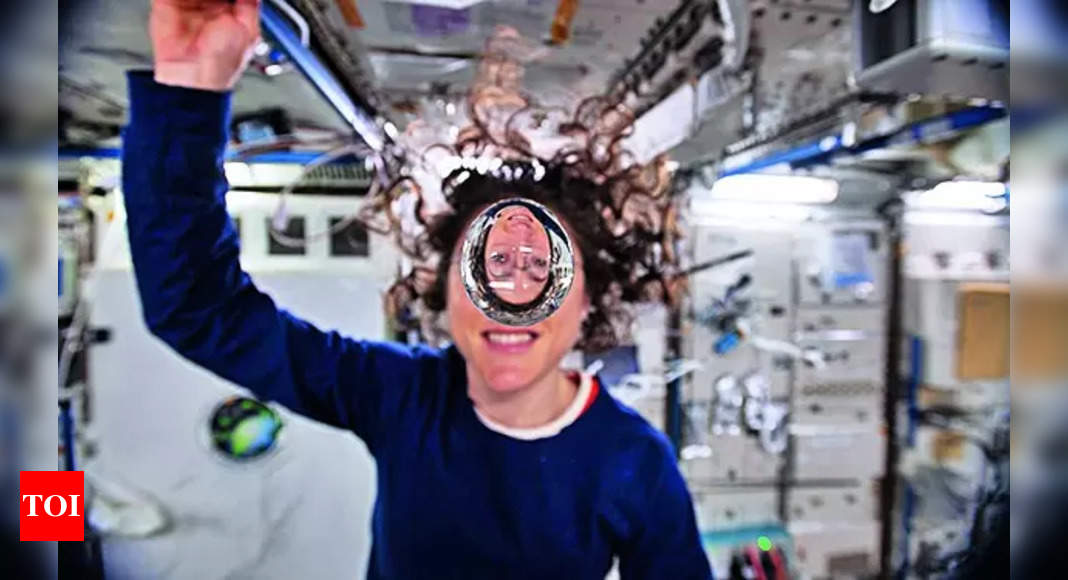
NASA has achieved a 98% water restoration rate on the International Space Station (ISS) using an advanced system that recycles astronauts’ urine and sweat into drinkable water. The breakthrough was made possible using the subsystems that are part of the Environment Control and Life Support Systems (ECLSS), which is aimed at recycling consumables such as food, air and water for further use in space. This development holds immense potential for future long interplanetary missions.