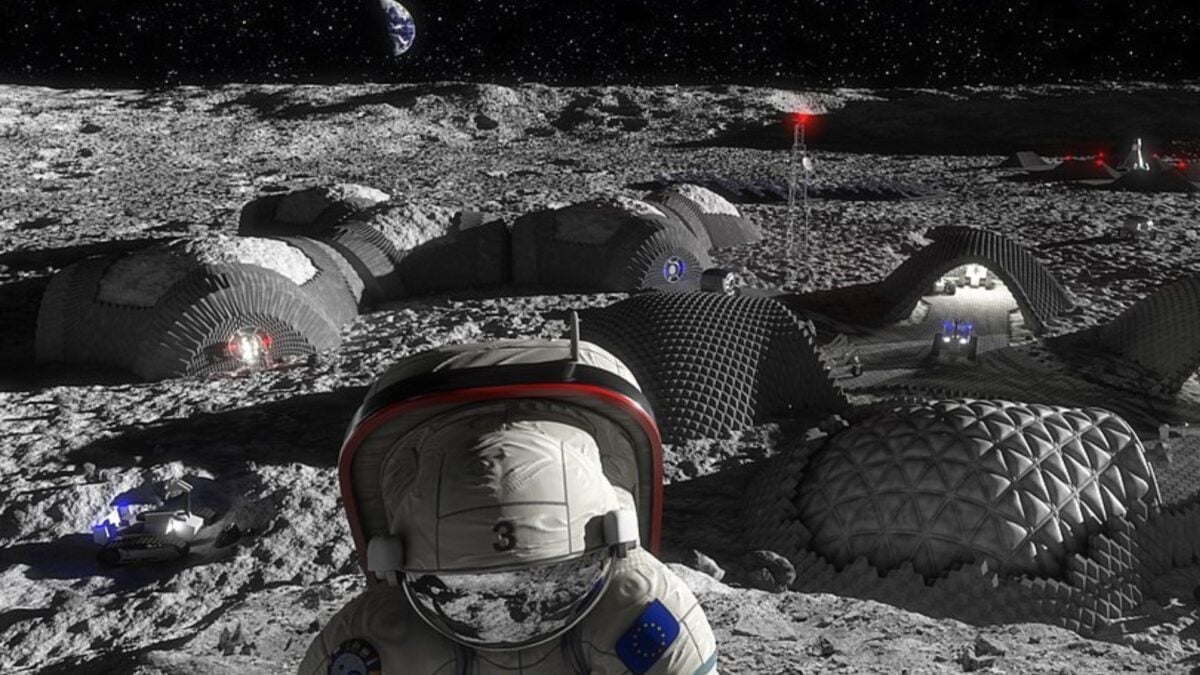
Chinese scientists have developed a solar-powered device that can turn lunar regolith into durable bricks for building on the Moon, potentially enabling self-sufficient lunar bases and reducing reliance on Earth-supplied materials.
Scientists in China have developed a solar-powered device that can turn moon dirt into bricks, potentially revolutionizing lunar construction by enabling in-situ resource utilization and reducing the need to transport materials from Earth, marking a significant step toward sustainable lunar bases.
Researchers with the ESA PAVER project have developed a method to melt lunar regolith with lasers, creating interlocking pavers that could be used to construct paved roads and landing pads on the Moon. The hardened molten regolith is durable enough to withstand the weight of rovers and spacecraft, minimizing dust kickup. This technology could play a significant role in the development of lunar infrastructure and contribute to all phases of lunar exploration. In-situ production of paving materials from available resources on the Moon is preferred to reduce costs and logistical challenges. Further research and testing are needed, including using a lens to concentrate sunlight instead of a laser, but this method shows promise for future lunar missions.