Tag

Life On Earth

All articles tagged with #life on earth

science1 year ago

Mysterious Dark Comets May Hold Clues to Earth's Origins

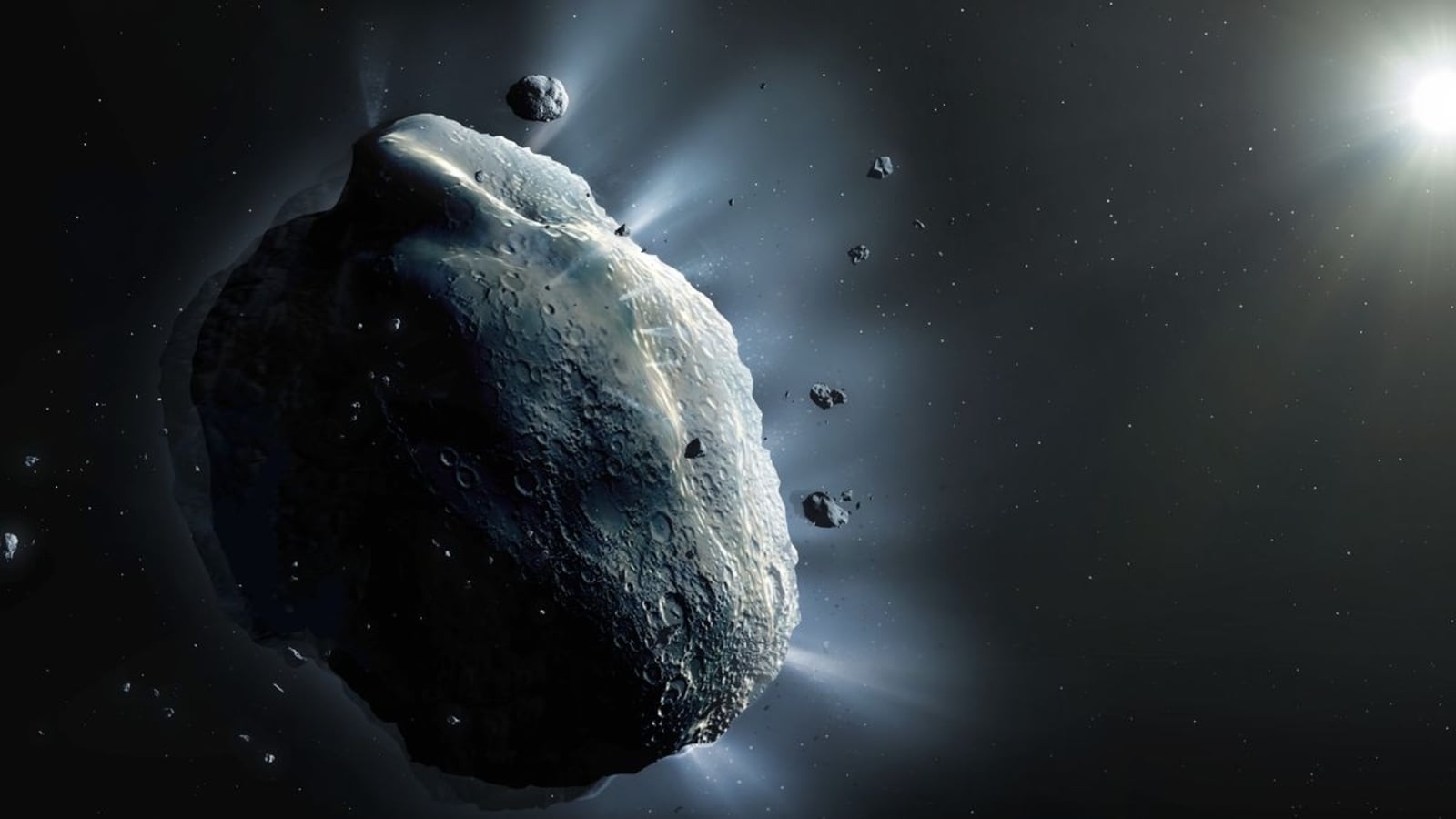
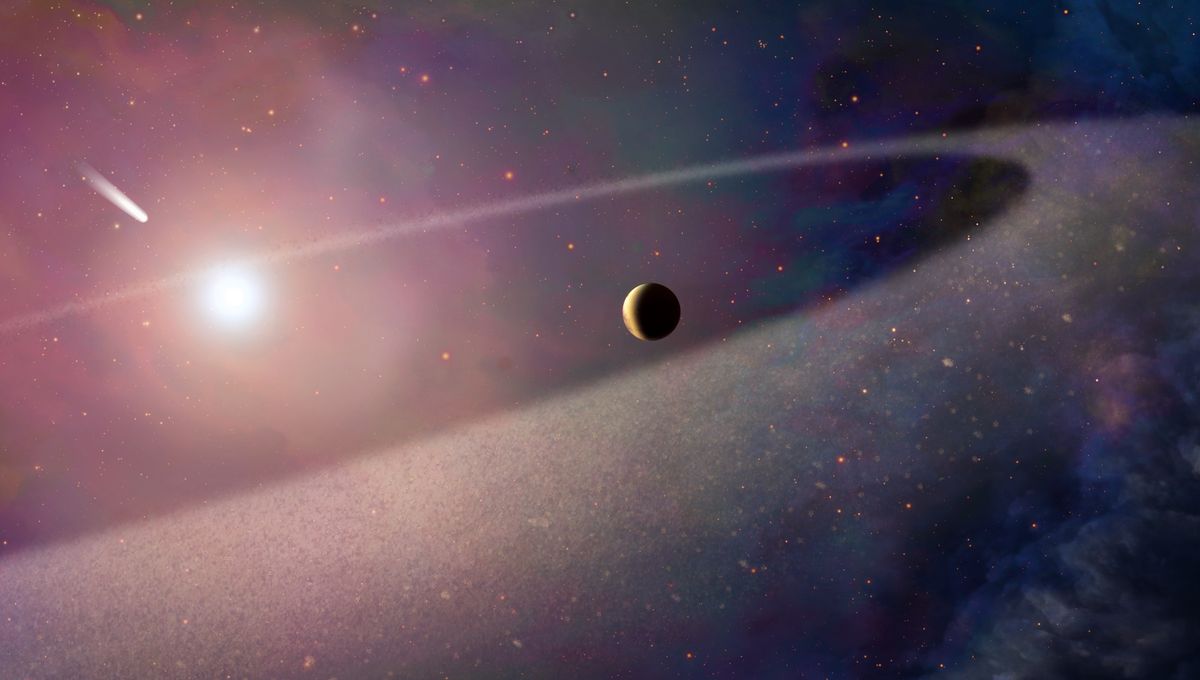
Scientists have discovered 14 'dark comets,' which resemble asteroids but behave like comets, revealing two distinct types based on their orbits and sizes. These findings suggest that dark comets may have played a role in delivering materials necessary for life on Earth. The discovery raises questions about their composition and potential impact on Earth, as their anomalous acceleration could affect orbital predictions. This research, published in the Proceedings of the National Academy of Sciences, highlights the need for further study to understand these enigmatic space objects.
space-science2 years ago

"Old Stars: Prime Locations for New Life and Alien Discoveries"

Research suggests that life might not end with the death of a star, but it would likely have to evolve again. Older stars and white dwarfs should be considered as potential hosts of life, but the changes from a regular star to a red giant to a white dwarf are too rapid for life to adapt unless a planet can be protected and relocated. While the death of the Sun will likely end life on Earth, new life might evolve again, but it seems unlikely that life can survive uninterrupted on a world as its star changes and evolves.

space-science2 years ago

"Groundbreaking Experiment Reveals Clues to Earth's Existence of Life"

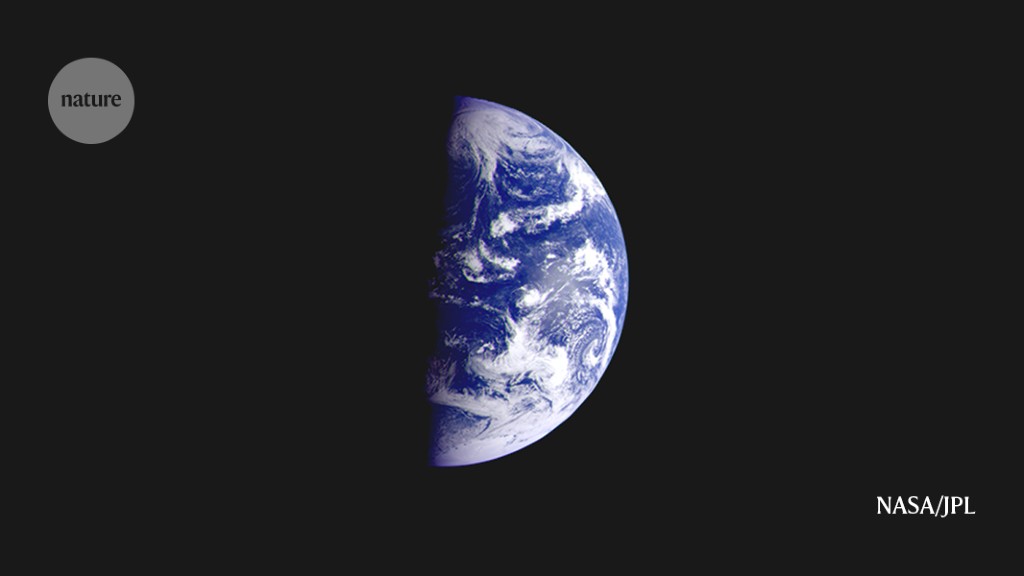
Thirty years ago, astronomer Carl Sagan convinced NASA to point the Galileo spacecraft's instruments at Earth, resulting in a paper titled "A search for life on Earth from the Galileo spacecraft." The paper changed how scientists thought about searching for life on other planets and established a scientific framework for detecting biosignatures. Today, as the James Webb Space Telescope explores exoplanet atmospheres, scientists must exercise caution in interpreting potential signs of life, as gases like methane and oxygen can have non-biological origins. Building a robust case for extraterrestrial life will require multiple lines of evidence and careful validation.

science2 years ago

"The Good Virus and The Master Builder: Unveiling the Power of Phage, Earth's Lethal Life Form"

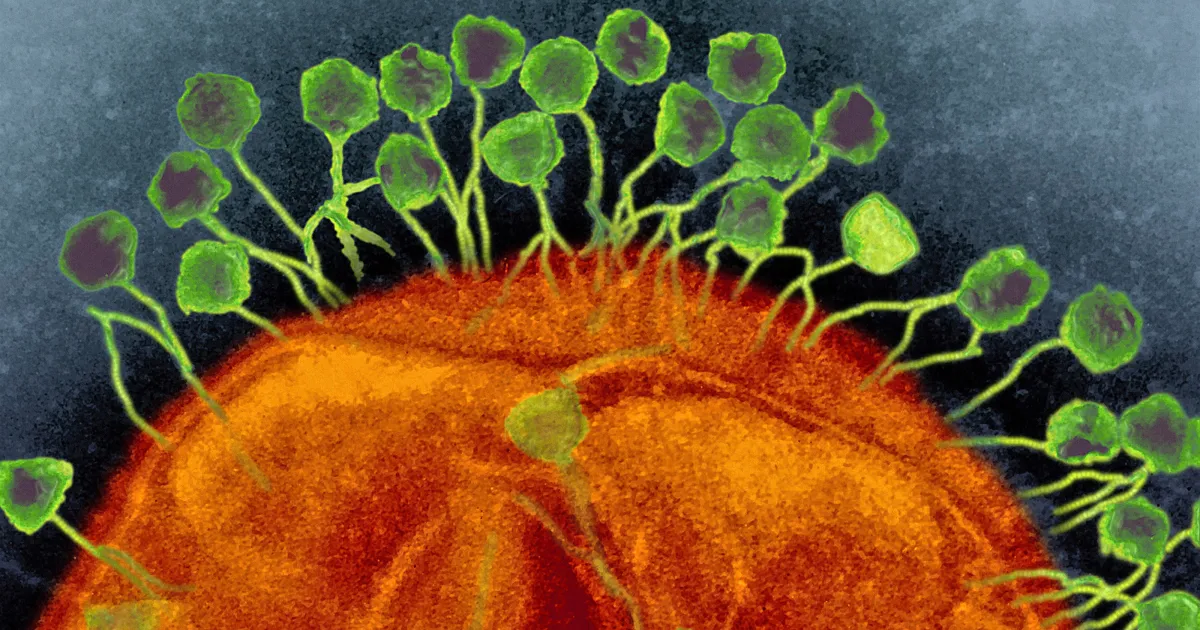
Bacteriophages, or phages, are viruses that infect and kill bacteria, playing a crucial role in Earth's ecosystems. Harmless to humans, phages inject their genes into bacterial cells, causing them to replicate the virus instead of sustaining themselves. These viruses, which outnumber all other living entities on Earth, have evolved to infect and destroy bacteria in virtually every environment. Phages are found in vast quantities in water, soil, and even in the air. Their abundance and diversity make them an essential part of the living fabric of the planet, driving innovation, diversification, and change.

science2 years ago

Scientists Challenge Textbook Accounts of Life's Origin and Explosion on Earth

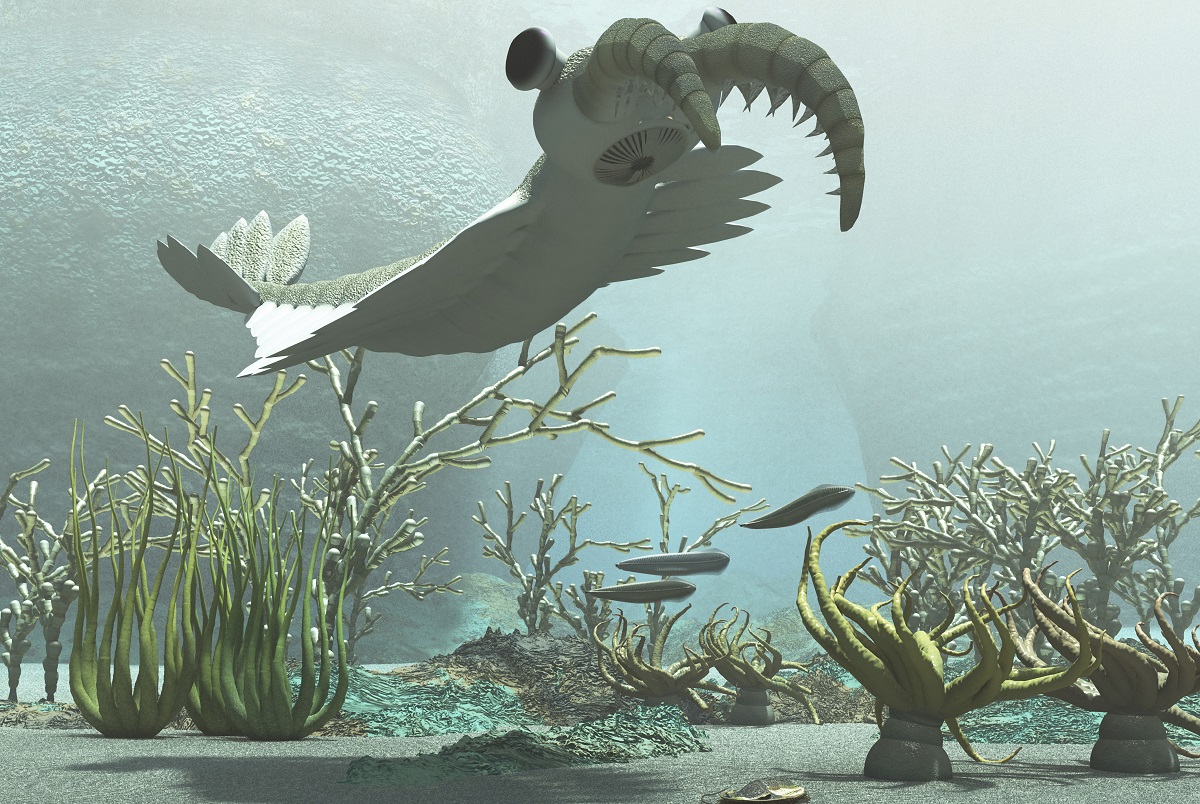
A recently-published study challenges the prevailing scientific theory that an influx of oxygen into Earth's oceans accelerated the evolution of complex life during the Precambrian Avalon explosion. Researchers mapped the geochemical makeup of ancient rock samples and found that there was likely less oxygen in Earth's oceans at the time of the explosion than previously believed. The study suggests that textbooks need to be revised to reflect this new understanding and that lower levels of oxygen may have actually facilitated the development of multicellular organisms.

science2 years ago

Rethinking the Origins of Life: Scientists Challenge Textbook Narratives

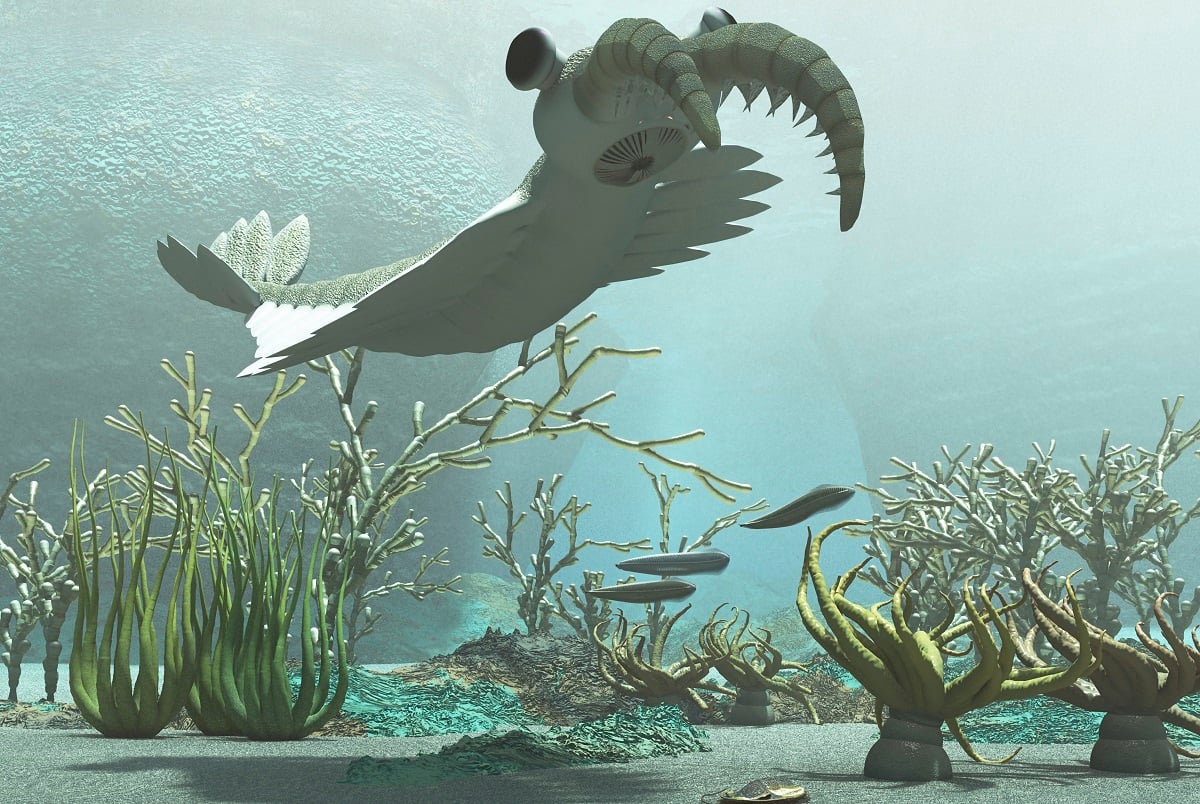
A recently-published study challenges the prevailing scientific theory that an influx of oxygen into Earth's oceans accelerated the evolution of complex life during the Precambrian Avalon explosion. The study, based on ancient rock samples from the Omani mountain range, suggests that there was likely less oxygen in Earth's oceans at the time of the explosion than previously believed. While oxygen levels still played a role in the proliferation of multicellular species, the decrease in oceanic oxygen may have actually benefited the development of life. The findings call for a revision of textbooks and a rethinking of our understanding of how life arose on Earth.

science-and-astronomy2 years ago

The Origins of Life: A Volcanic and Meteoric Mix

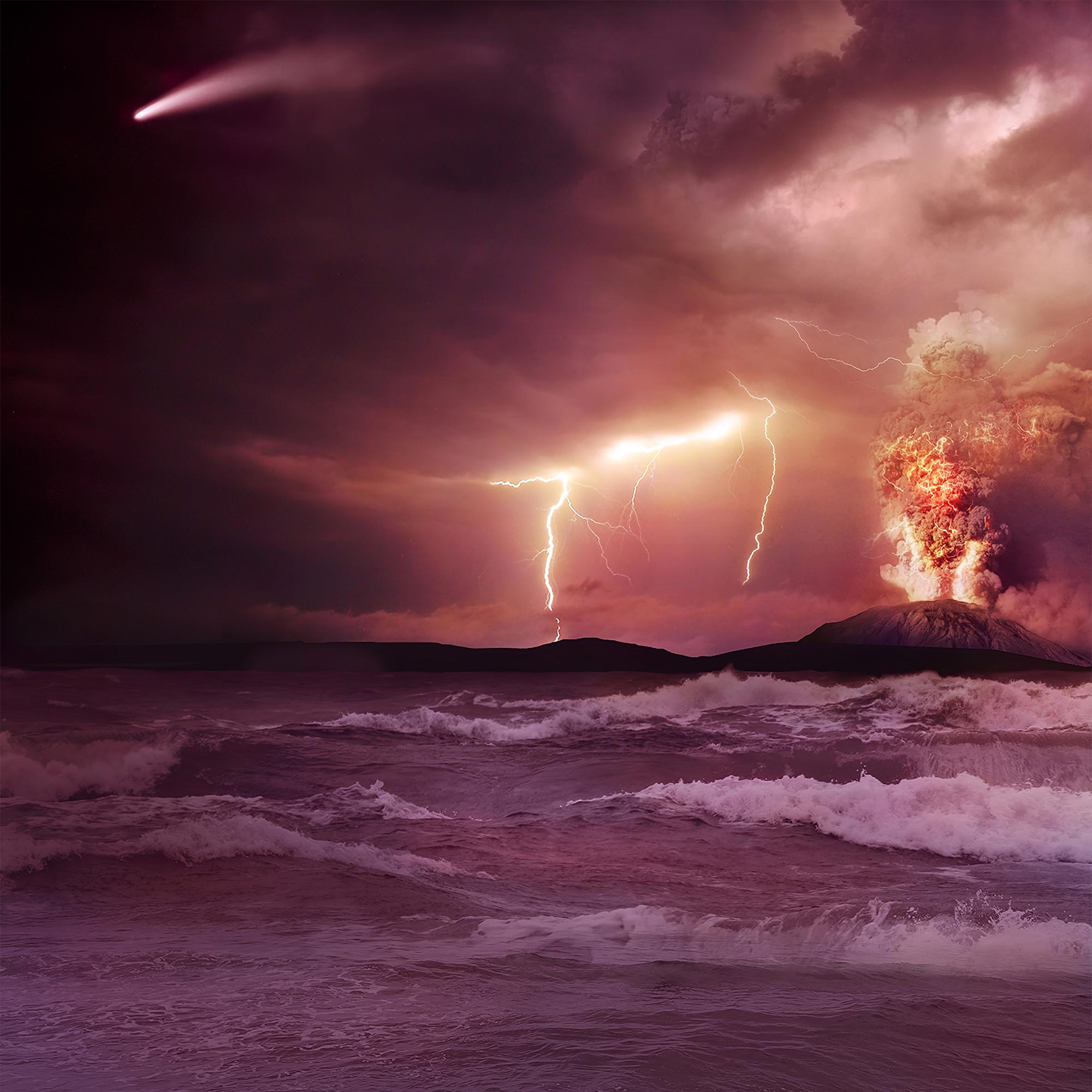
Iron particles from meteorites or volcanic ash could have acted as catalysts for the chemical reactions that formed the building blocks of life on Earth over four billion years ago, according to a new study. The experiments showed how iron could have converted carbon dioxide and hydrogen in the early Earth's atmosphere into hydrocarbons, including acetaldehyde and formaldehyde, which are among the building blocks of fatty acids, DNA nucleobases, sugars and amino acids. The findings widen the range of possibilities for how life may have formed on Earth and possibly increase the chances of it having formed elsewhere in the universe.

science-and-astronomy2 years ago

Did Solar 'Superflares' Spark Life on Earth?

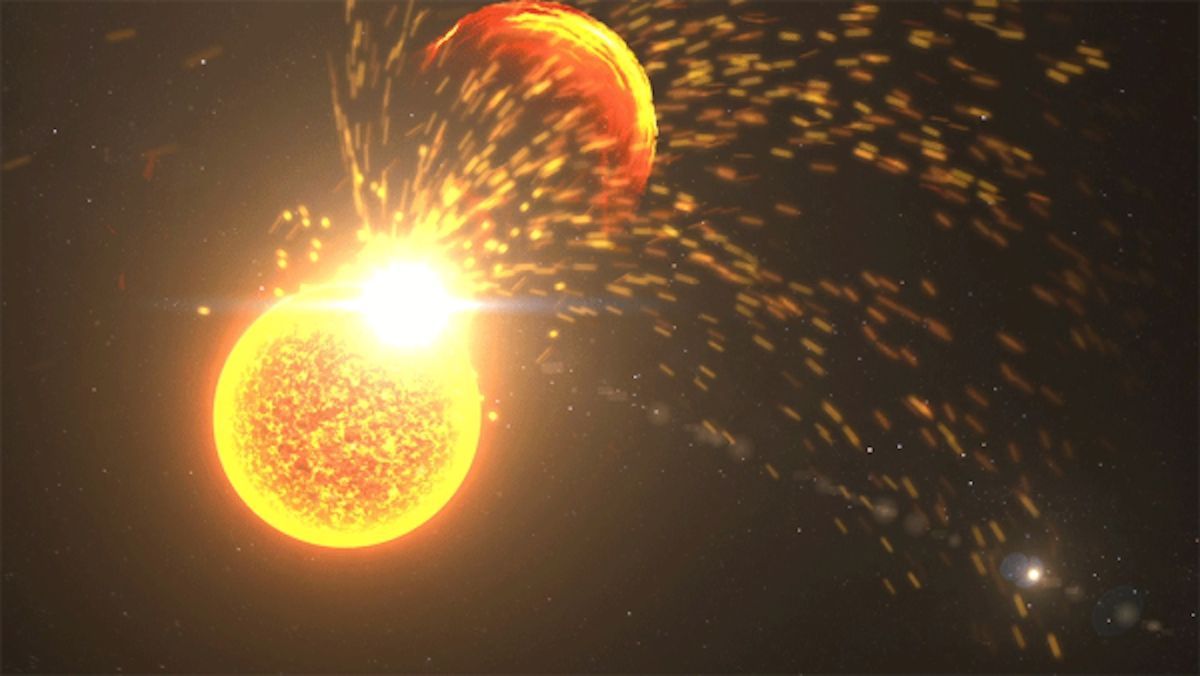
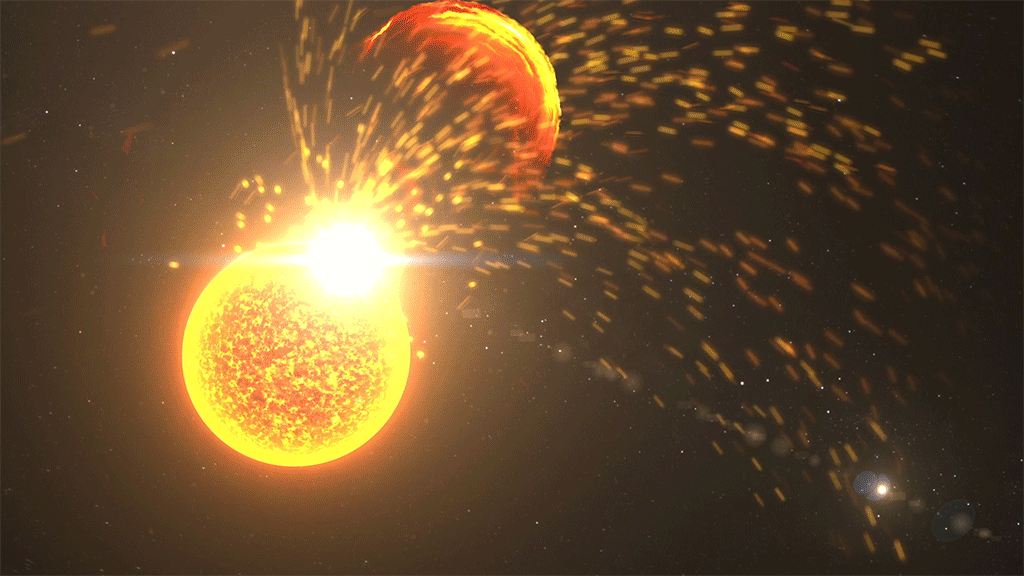
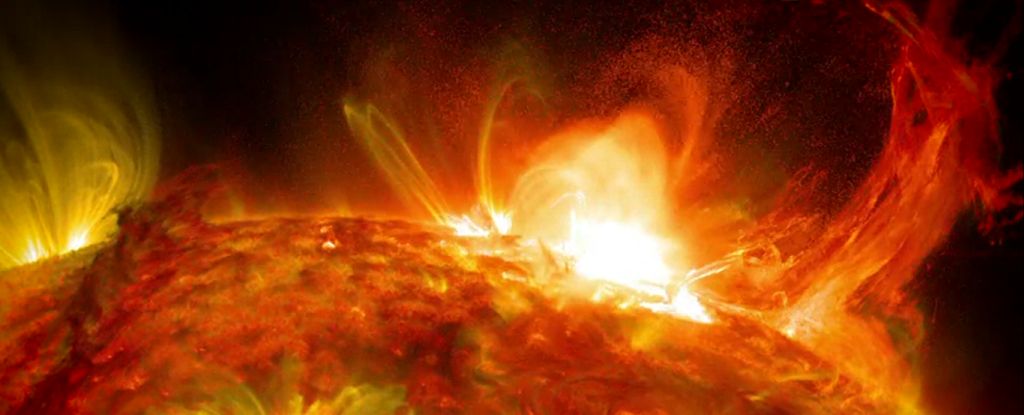
Superflares from a hyperactive young sun may have sparked life on Earth by firing charged particles found in the solar wind at a concoction of gases present in Earth's early atmosphere, forming significant quantities of amino acids and carboxylic acids — the building blocks for proteins and all organic life. A new study has used a particle accelerator to find that cosmic rays from fiercely energetic superflares could have provided the necessary jump-start for life on Earth. Superflares of this kind typically only erupt once every 100 years or so, but during Earth's first 100 million years, the sun was 30% dimmer, yet superflares burst from its surface every three to 10 days.

science2 years ago

The Sun's Role in the Origin of Life on Earth.

Superflares from a hyperactive young sun may have sparked life on Earth by firing charged particles found in the solar wind at a concoction of gases present in Earth's early atmosphere, forming significant quantities of amino acids and carboxylic acids — the building blocks for proteins and all organic life. A new study has used a particle accelerator to find that cosmic rays from fiercely energetic superflares could have provided the necessary jump-start for life on Earth.

science2 years ago

Baby Sun's Violent Outbursts May Have Sparked Life on Earth

Violent outbursts by the infant Sun, in the form of powerful superflares, may have triggered life on Earth by colliding solar particles with molecules in Earth's early atmosphere to create the basic building blocks that would later combine to create life. Researchers have created amino acids and carboxylic acids, two of the essential basic ingredients for proteins and life, by bombarding a replica of the primordial atmosphere with simulated solar particles and lightning in the laboratory. This suggests that rampant solar activity could have played a significant role in life's origins, and could help astronomers identify where prebiotic chemistry may have formed elsewhere.

science2 years ago

The Sun's Superflare Sparks May Have Initiated Life on Earth.

A recent study suggests that solar eruptions may have catalyzed the formation of amino acids and carboxylic acids, the fundamental elements of proteins and organic life, in Earth's primitive atmosphere. The research challenges the traditional "warm little pond" theory and proposes that energetic particles from the sun, during its early superflare stage, would regularly interact with our atmosphere, triggering essential chemical reactions. Experimental replications indicated that solar particles appear to be a more efficient energy source than lightning for the formation of amino acids and carboxylic acids.

science2 years ago

Life's Ingredients Found in Asteroid Discovery.

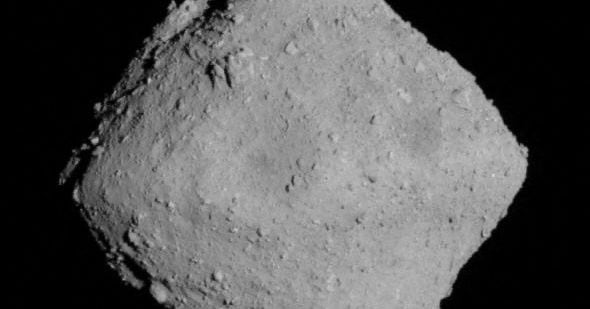
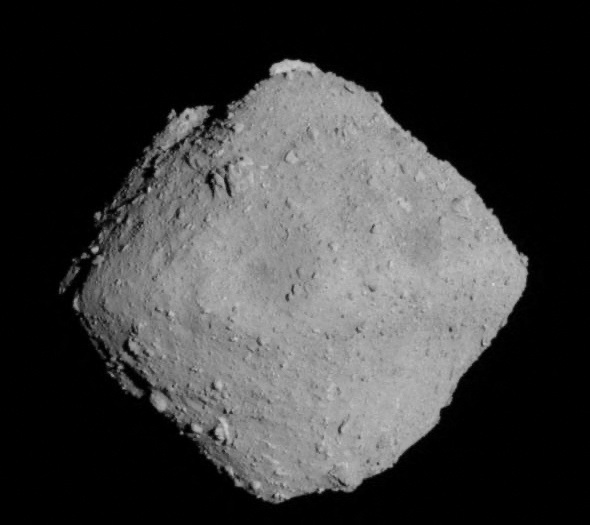
Two organic compounds, uracil and niacin, essential for living organisms, have been found in samples retrieved from the asteroid Ryugu, suggesting that some ingredients crucial for the advent of life arrived on Earth aboard rocks from space billions of years ago. The Ryugu samples were transported 155 million miles back to Earth and returned to our planet's surface in a sealed capsule that landed in 2020 in Australia's remote outback for analysis in Japan. The new findings fit well with the hypothesis that bodies like comets, asteroids, and meteorites that bombarded early Earth seeded the young planet with compounds that helped pave the way for the first microbes.

science2 years ago

Asteroid Ryugu Provides Clues to Origin of Life on Earth

Two organic compounds, uracil and niacin, essential for living organisms have been found in samples retrieved from the asteroid Ryugu, suggesting that some ingredients crucial for the advent of life arrived on Earth aboard rocks from space billions of years ago. The Ryugu samples were transported 155 million miles back to Earth and returned to our planet's surface in a sealed capsule that landed in 2020 in Australia's remote outback for analysis in Japan. The new findings fit well with the hypothesis that bodies like comets, asteroids, and meteorites that bombarded early Earth seeded the young planet with compounds that helped pave the way for the first microbes.

science2 years ago

Asteroid Ryugu contains building blocks of life's RNA.

Scientists have found two organic compounds, uracil and niacin, essential for living organisms in samples retrieved from the asteroid Ryugu. The discovery supports the hypothesis that some ingredients crucial for the advent of life arrived on Earth aboard rocks from space billions of years ago. The Ryugu samples were transported 155 million miles back to Earth and returned to our planet's surface in a sealed capsule that landed in 2020 in Australia's remote outback for analysis in Japan. The findings suggest that bodies like comets, asteroids, and meteorites that bombarded early Earth seeded the young planet with compounds that helped pave the way for the first microbes.