Tag

Dark Comets

All articles tagged with #dark comets

Unveiling the Enigma of Dark Comets in Our Solar System

Originally Published 5 months ago — by BBC

Featured image for Unveiling the Enigma of Dark Comets in Our Solar System
Source: BBC

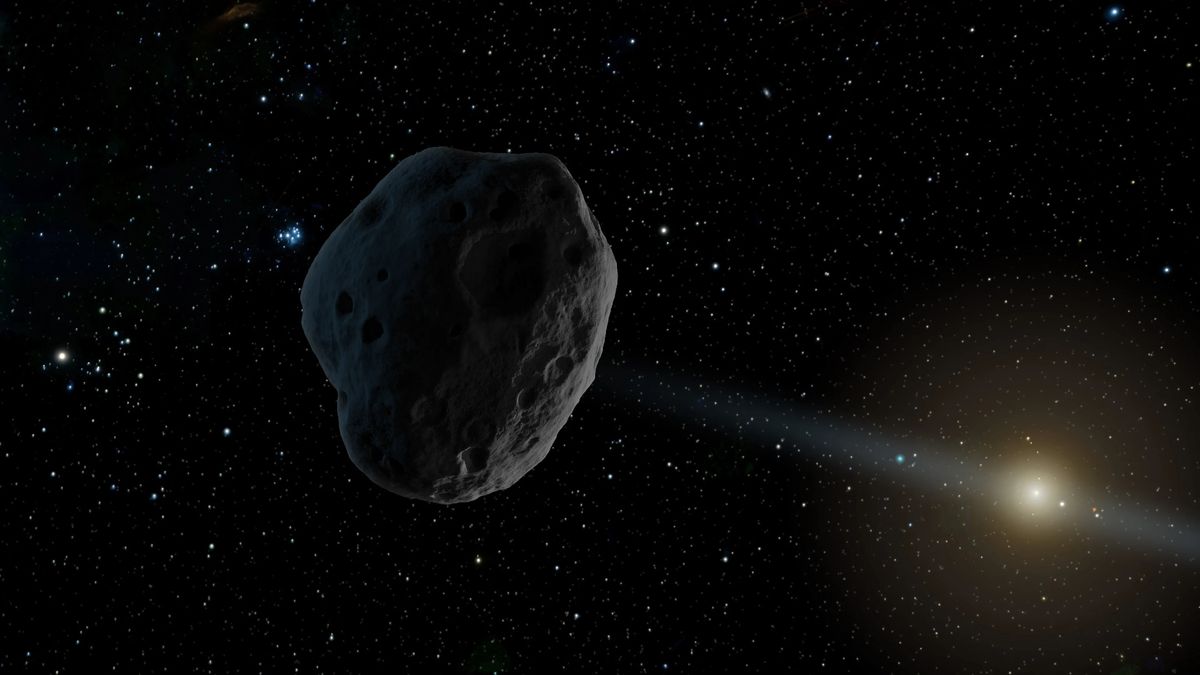
Dark comets are a newly identified class of space objects that blur the line between asteroids and comets, exhibiting unusual acceleration without visible tails or dust. They may hold clues to Earth's water origins and pose potential impact threats. A Japanese spacecraft is headed to study one such dark comet in 2031, which could reveal their true nature and behavior.
Mysterious 'Dark Comets' May Hold Clues to Earth's Origins

Originally Published 1 year ago — by Space.com

Featured image for Mysterious 'Dark Comets' May Hold Clues to Earth's Origins
Source: Space.com

Astronomers have discovered seven new 'dark comets,' mysterious celestial objects that resemble asteroids but behave like comets, displaying non-gravitational acceleration without visible tails. These findings suggest two distinct families of dark comets: larger ones in the outer solar system with eccentric orbits, and smaller ones in the inner solar system with circular orbits. The study raises questions about their origins and potential role in delivering water to Earth, with implications for understanding the development of life on our planet.

Mysterious Dark Comets May Hold Clues to Earth's Origins

Originally Published 1 year ago — by ScienceAlert

Featured image for Mysterious Dark Comets May Hold Clues to Earth's Origins
Source: ScienceAlert

Scientists have discovered 14 'dark comets,' which resemble asteroids but behave like comets, revealing two distinct types based on their orbits and sizes. These findings suggest that dark comets may have played a role in delivering materials necessary for life on Earth. The discovery raises questions about their composition and potential impact on Earth, as their anomalous acceleration could affect orbital predictions. This research, published in the Proceedings of the National Academy of Sciences, highlights the need for further study to understand these enigmatic space objects.

NASA Sheds Light on Mysterious Dark Comets and Their Impact on Earth

Originally Published 1 year ago — by Gizmodo

Featured image for NASA Sheds Light on Mysterious Dark Comets and Their Impact on Earth
Source: Gizmodo

New research has identified seven additional 'dark comets,' doubling the known number to 14 and categorizing them into two distinct groups based on orbit and size. These objects, which exhibit both asteroid and comet-like behaviors, may have played a role in delivering the building blocks of life to Earth. The study highlights the enigmatic nature of dark comets and their potential origins from larger bodies in the asteroid belt.

NASA Unveils Growing Population of Mysterious Dark Comets

Originally Published 1 year ago — by Phys.org

Featured image for NASA Unveils Growing Population of Mysterious Dark Comets
Source: Phys.org

Astronomers have doubled the known number of 'dark comets'—celestial objects that resemble asteroids but behave like comets—bringing the total to 14. These objects are categorized into two groups: larger 'outer dark comets' with eccentric orbits similar to Jupiter-family comets, and smaller 'inner dark comets' with nearly circular orbits in the inner solar system. The discovery raises questions about their origins, acceleration, and potential role in delivering life-essential materials to Earth.

NASA Unveils New Findings on Dark Comets

Originally Published 1 year ago — by NASA Jet Propulsion Laboratory

Featured image for NASA Unveils New Findings on Dark Comets
Source: NASA Jet Propulsion Laboratory

NASA researchers have discovered seven more dark comets, doubling the known number of these celestial objects that resemble asteroids but behave like comets. These dark comets fall into two categories: larger ones in the outer solar system and smaller ones in the inner solar system. The study, published in the Proceedings of the National Academy of Sciences, raises questions about their origins and potential role in delivering life-essential materials to Earth.

NASA Unveils New Findings on Dark Comets

Originally Published 1 year ago — by NASA

Featured image for NASA Unveils New Findings on Dark Comets
Source: NASA

NASA researchers have discovered seven more dark comets, doubling the known number of these celestial objects that resemble asteroids but behave like comets. These dark comets fall into two categories: larger ones in the outer solar system and smaller ones in the inner solar system. The study, published in the Proceedings of the National Academy of Sciences, raises questions about the origins and characteristics of dark comets, including their potential role in delivering materials necessary for life on Earth.

"Dark Comets: A Hidden Threat and Key to Earth's Water"

Originally Published 1 year ago — by Livescience.com

Featured image for "Dark Comets: A Hidden Threat and Key to Earth's Water"
Source: Livescience.com

New research suggests that "dark comets," nearly invisible objects that behave like both asteroids and comets, may pose a significant threat to Earth. These small, rapidly spinning objects, likely originating from the main asteroid belt, are hard to detect and have unpredictable orbits, making them especially dangerous. Understanding and monitoring these rogue populations is crucial for Earth's safety.

Dark Comets May Have Brought Earth's Water, Say Astronomers

Originally Published 1 year ago — by Forbes

Featured image for Dark Comets May Have Brought Earth's Water, Say Astronomers
Source: Forbes

A University of Michigan-led study suggests that 'dark comets,' near-earth objects that exhibit nongravitational accelerations due to outgassing but lack visible comae, could have delivered a significant portion of Earth's water. These objects, which may constitute up to 60% of near-earth objects, likely contain ice and originate from the inner Main Asteroid Belt. The study highlights the need for further research to understand the prevalence and composition of dark comets, with future missions like Japan's Hayabusa2 expected to provide more insights.

"Dark Comets: Ancient Cosmic Ice May Have Delivered Earth's Water"

Originally Published 1 year ago — by Futurism

Featured image for "Dark Comets: Ancient Cosmic Ice May Have Delivered Earth's Water"
Source: Futurism

An international team of astronomers has identified dark comets, which may constitute up to 60% of near-Earth objects, as potential carriers of water to Earth in the distant past. These objects, originating from the asteroid belt between Mars and Jupiter, contain small amounts of ice and could have contributed to seeding Earth with water and possibly life-essential molecules.

"Dark Comets: Ancient Cosmic Ice May Have Delivered Earth's Water"

Originally Published 1 year ago — by SciTechDaily

Featured image for "Dark Comets: Ancient Cosmic Ice May Have Delivered Earth's Water"
Source: SciTechDaily

A University of Michigan study suggests that up to 60% of near-Earth objects could be dark comets originating from the asteroid belt, potentially carrying subsurface ice that may have contributed to Earth's water supply. These objects, combining characteristics of both asteroids and comets, highlight a possible pathway for ice delivery to the inner solar system.

"Exploring the Potential Abundance of Interstellar Objects in Our Solar System"

Originally Published 1 year ago — by Space.com

Featured image for "Exploring the Potential Abundance of Interstellar Objects in Our Solar System"
Source: Space.com

Astronomers are preparing to use new telescopes like the James Webb Space Telescope (JWST) and the forthcoming Rubin Observatory Legacy Survey of Space and Time (LSST) to better understand interstellar objects like 'Oumuamua, the first recorded interstellar object. These telescopes will help differentiate between natural phenomena and potential artificial technology, such as dark comets, which move like comets but display no dust tail. With these tools, astronomers may soon detect a multitude of interstellar objects, potentially leading to close encounters with interstellar visitors.