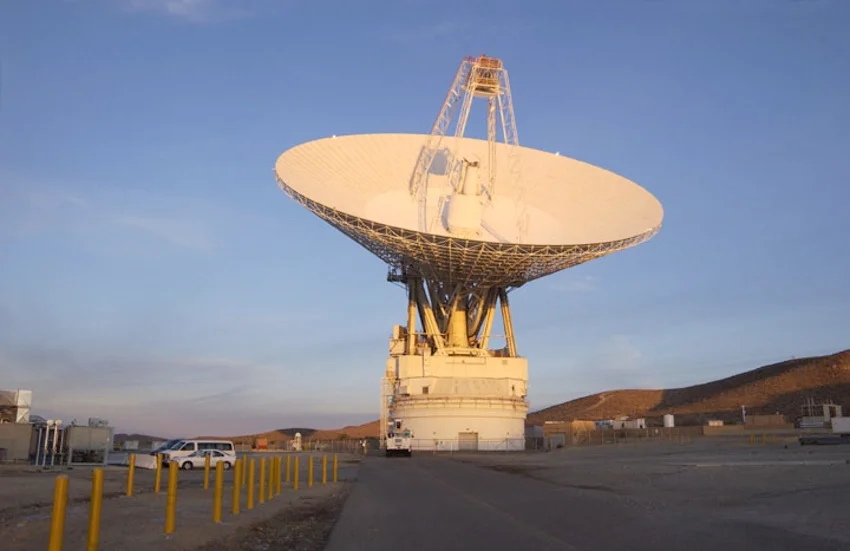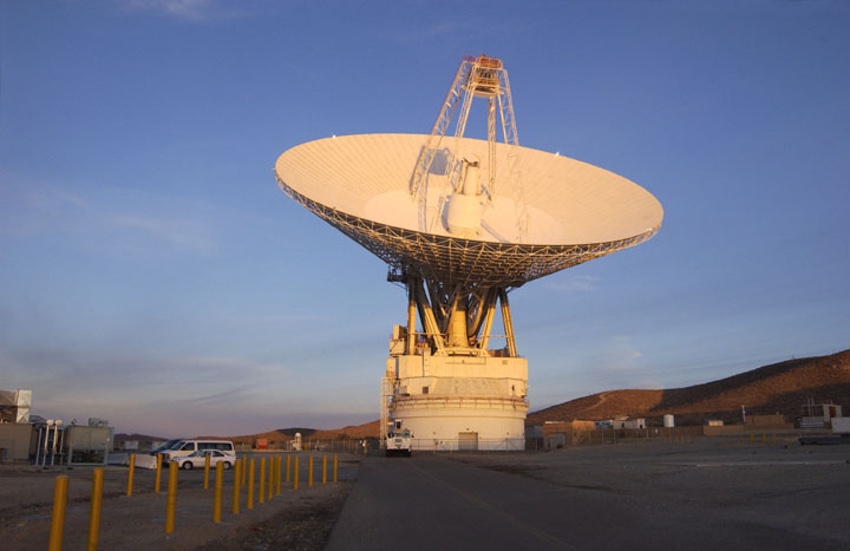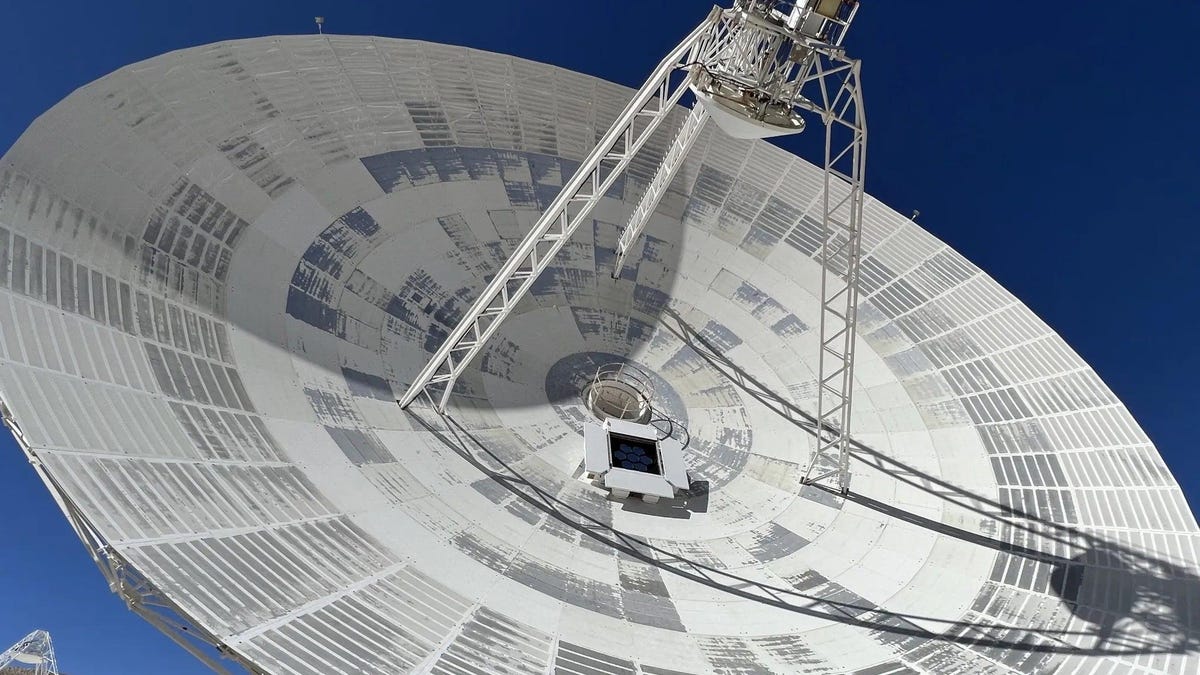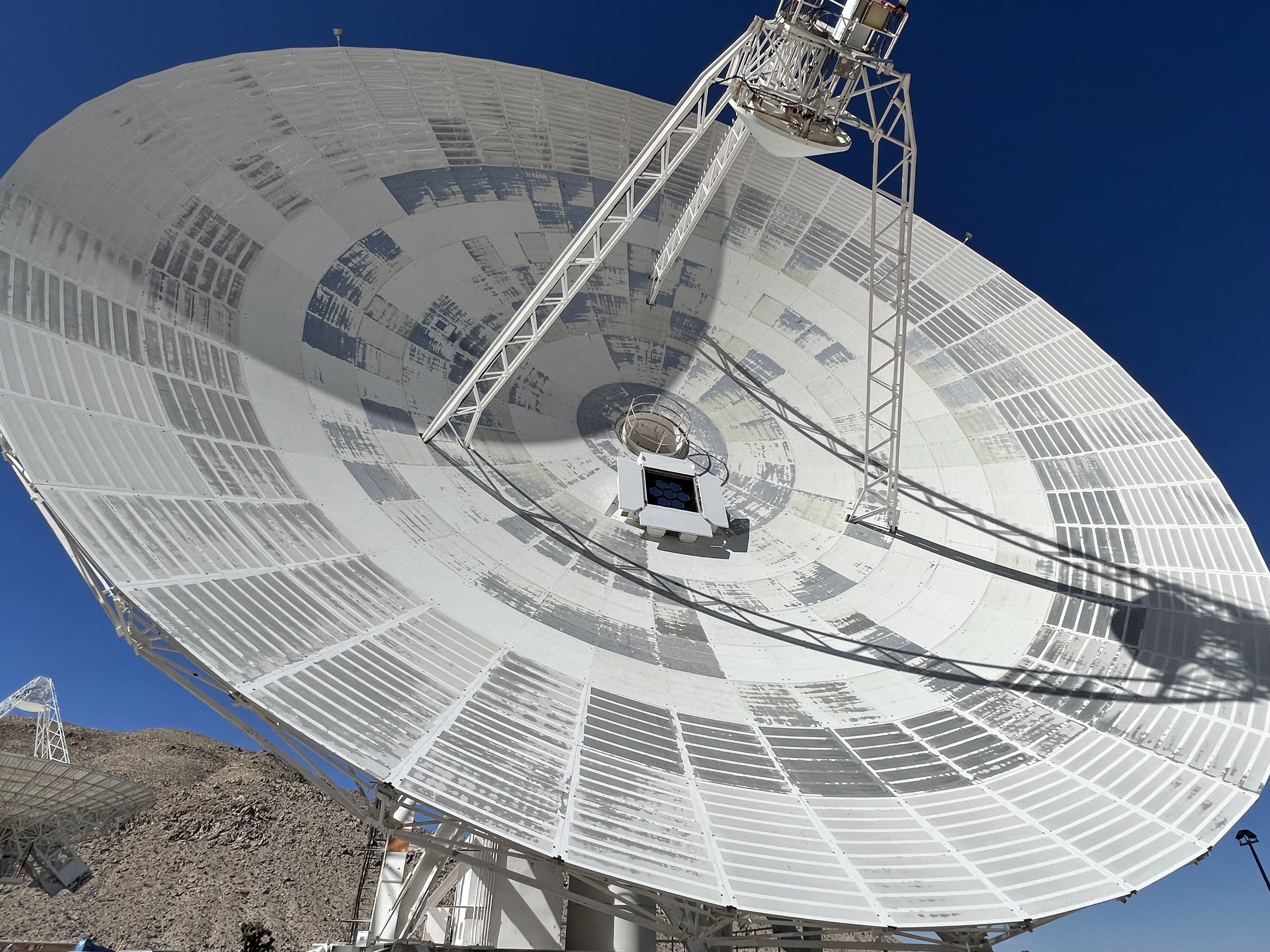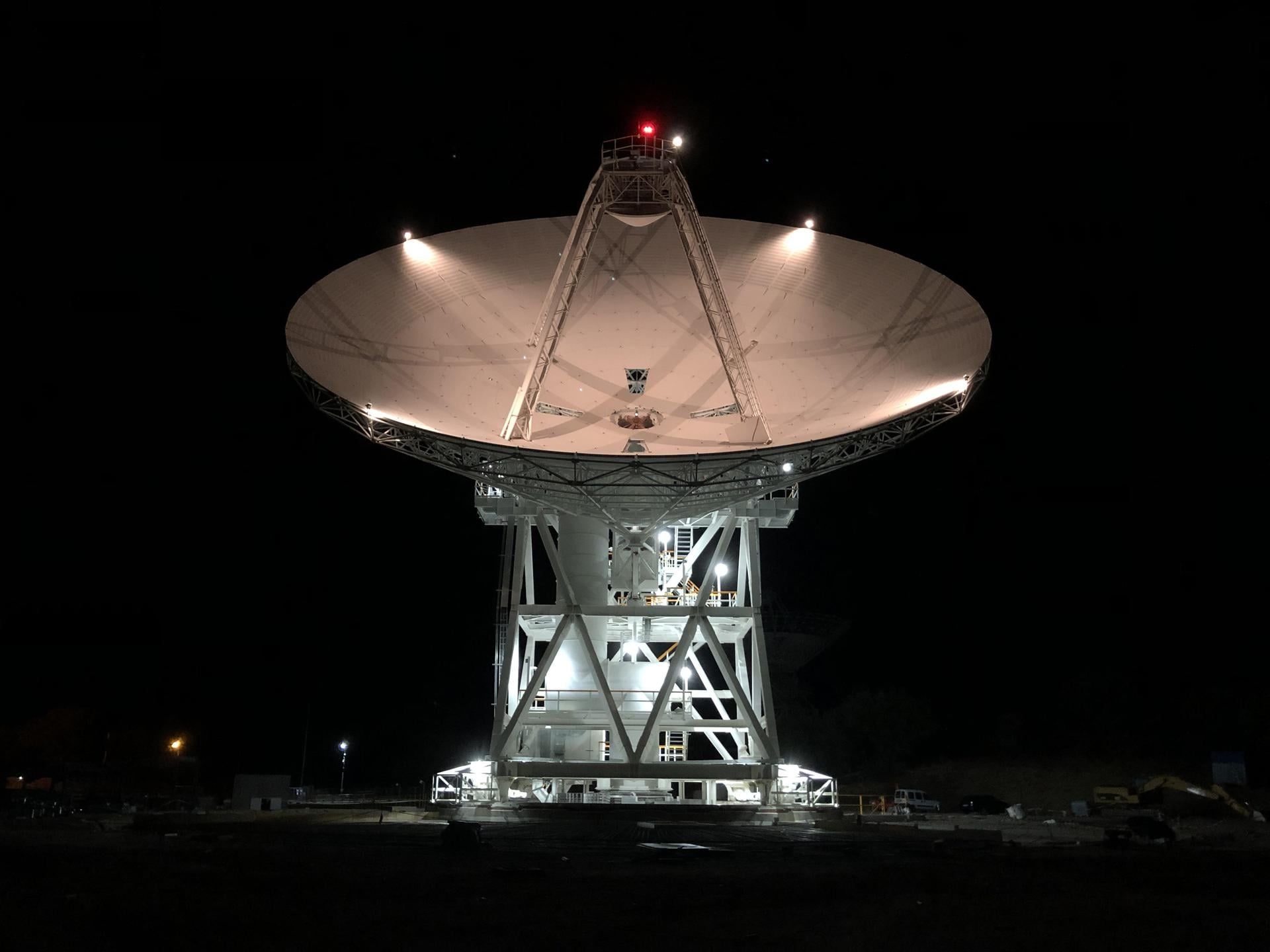
A key 70-meter antenna (DSS-14) at NASA's Deep Space Network in Goldstone, California, was damaged in September and remains offline, potentially impacting communication with deep space missions. The incident has added to existing concerns about the overstretched network, which is crucial for missions like Artemis, James Webb, and Voyager 2, amid budget constraints and increasing mission demands.
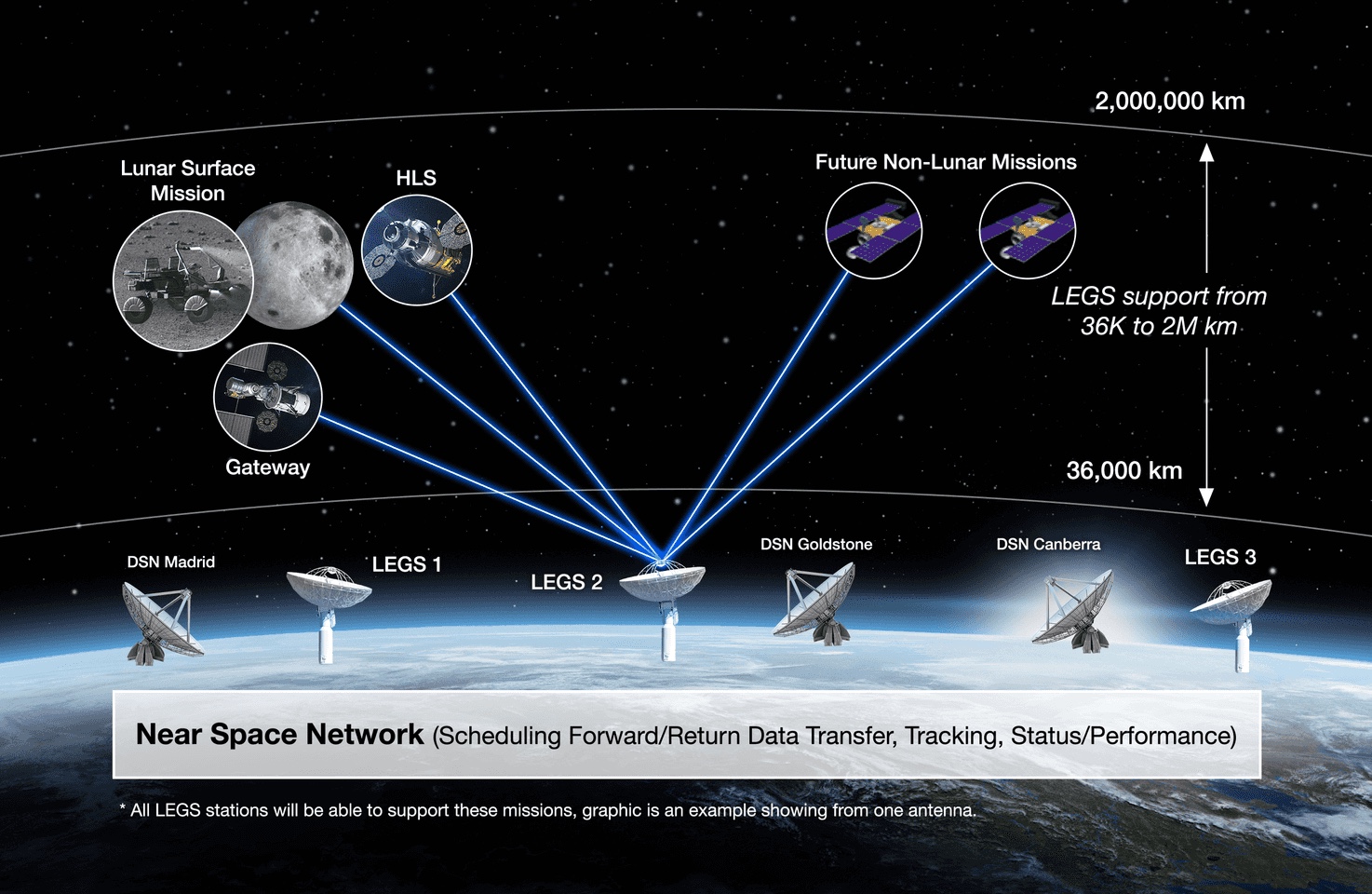
NASA has paused its plans to acquire lunar communication ground stations due to uncertain budgets, aiming to support lunar missions and ease the burden on the Deep Space Network.
NASA is working on improving its Deep Space Network with laser signal capabilities to address the communication challenges faced by isolated Mars astronauts, with one team of scientists developing experimental technology for ultrafast communication between Earth and Mars.
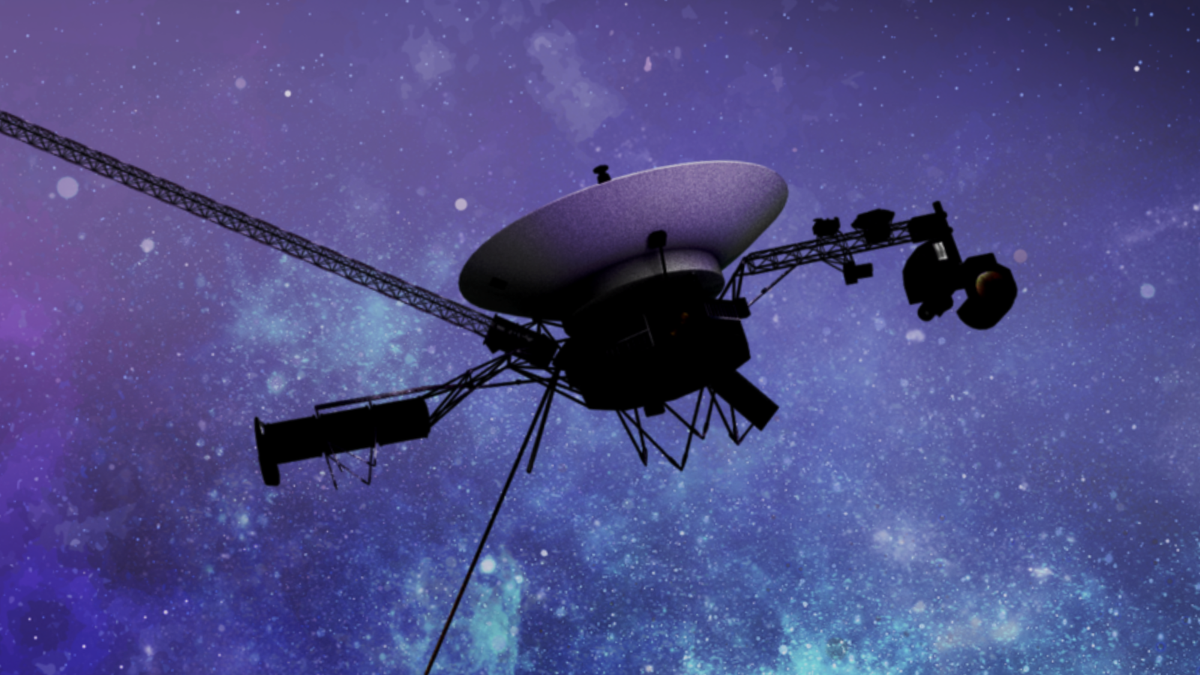
NASA engineers are making progress in solving the communication breakdown issue with Voyager 1, the first human-made object to leave the solar system. The problem seems to stem from the spacecraft's flight data subsystem (FDS). A recent signal detected by the Voyager mission team contained a readout of the FDS' entire memory, providing valuable information for troubleshooting. Despite the distance of 15 billion miles from Earth, NASA is working to decode this signal and restore communication with the pioneering space mission.
NASA has upgraded its Deep Space Network with a hybrid antenna capable of receiving both radio frequency and laser signals, marking a significant advancement in deep space communication. The experimental antenna, located at the California facility, successfully tracked and decoded a signal from a gold-capped laser transceiver attached to NASA’s asteroid probe Psyche, demonstrating synchronous radio and optical frequency deep space communications for the first time. This upgrade aims to meet the increasing demand for data transmission from deep space missions, with the hybrid antenna achieving data transfer speeds 40 times faster than traditional radio frequency communications at a distance of 20 million miles. The new technology paves the way for more efficient communication with future space explorations and enables the rapid transfer of high-resolution images and extensive scientific data from distant space missions.
NASA's experimental hybrid antenna at the Deep Space Network has successfully tracked and decoded the downlink laser from the Psyche spacecraft, demonstrating the potential for retrofitting giant dish antennas for optical communications. This breakthrough paves the way for higher-data-rate communications and supports future space exploration capabilities, including sending humans to Mars. The antenna's ability to receive both radio frequency and near-infrared laser signals marks a significant advancement in deep space communication technology.
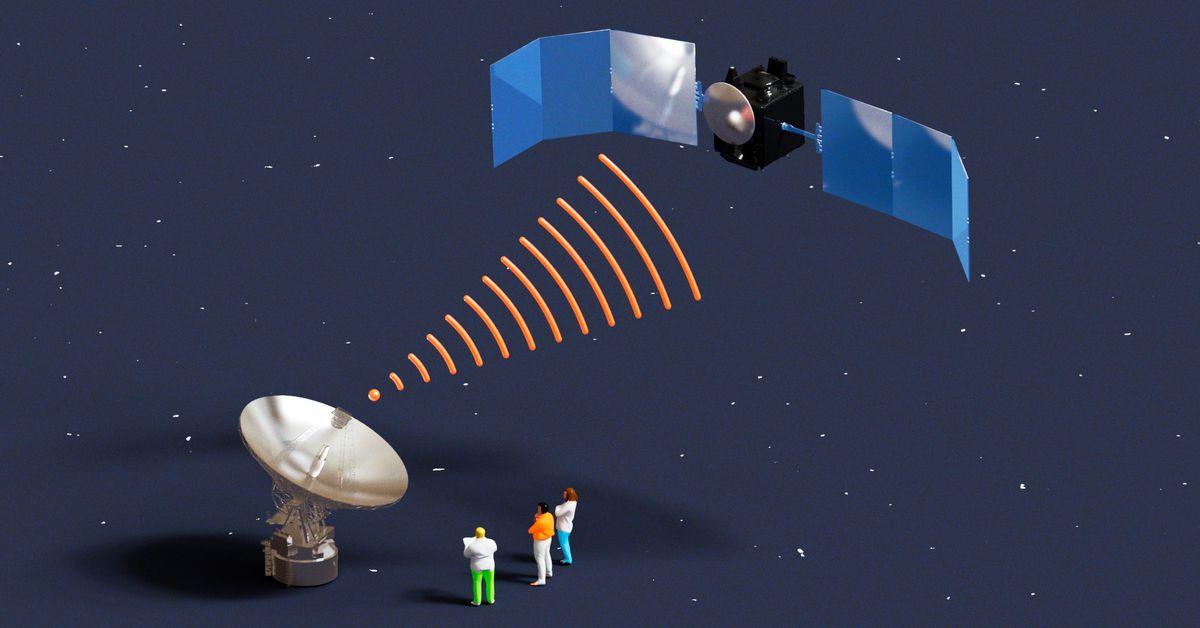
NASA's Deep Space Network (DSN), the communication infrastructure that connects spacecraft with engineers and scientists on Earth, is struggling to handle the increasing data load from a growing number of missions. Thousands of hours of science observations are being lost, and the network is oversubscribed by up to 40%. To meet the demands of future space exploration, experts suggest turning to laser communications, which can provide higher bandwidth and alleviate the strain on the DSN. NASA is already testing optical communications systems, and while there are challenges to overcome, such as cloud cover and spacecraft tumbling, optical communications could be a game changer for transmitting large quantities of data in the future.
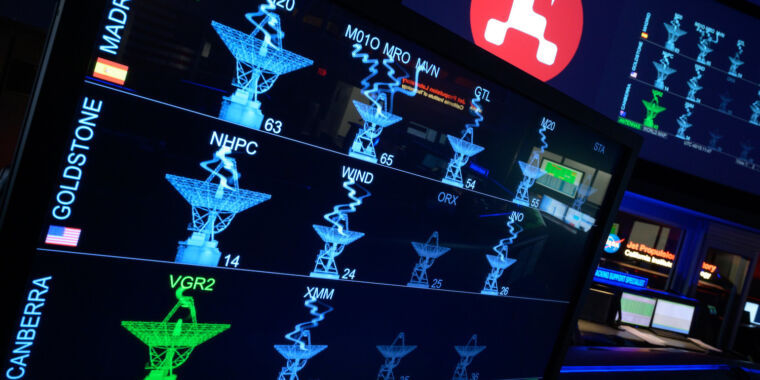
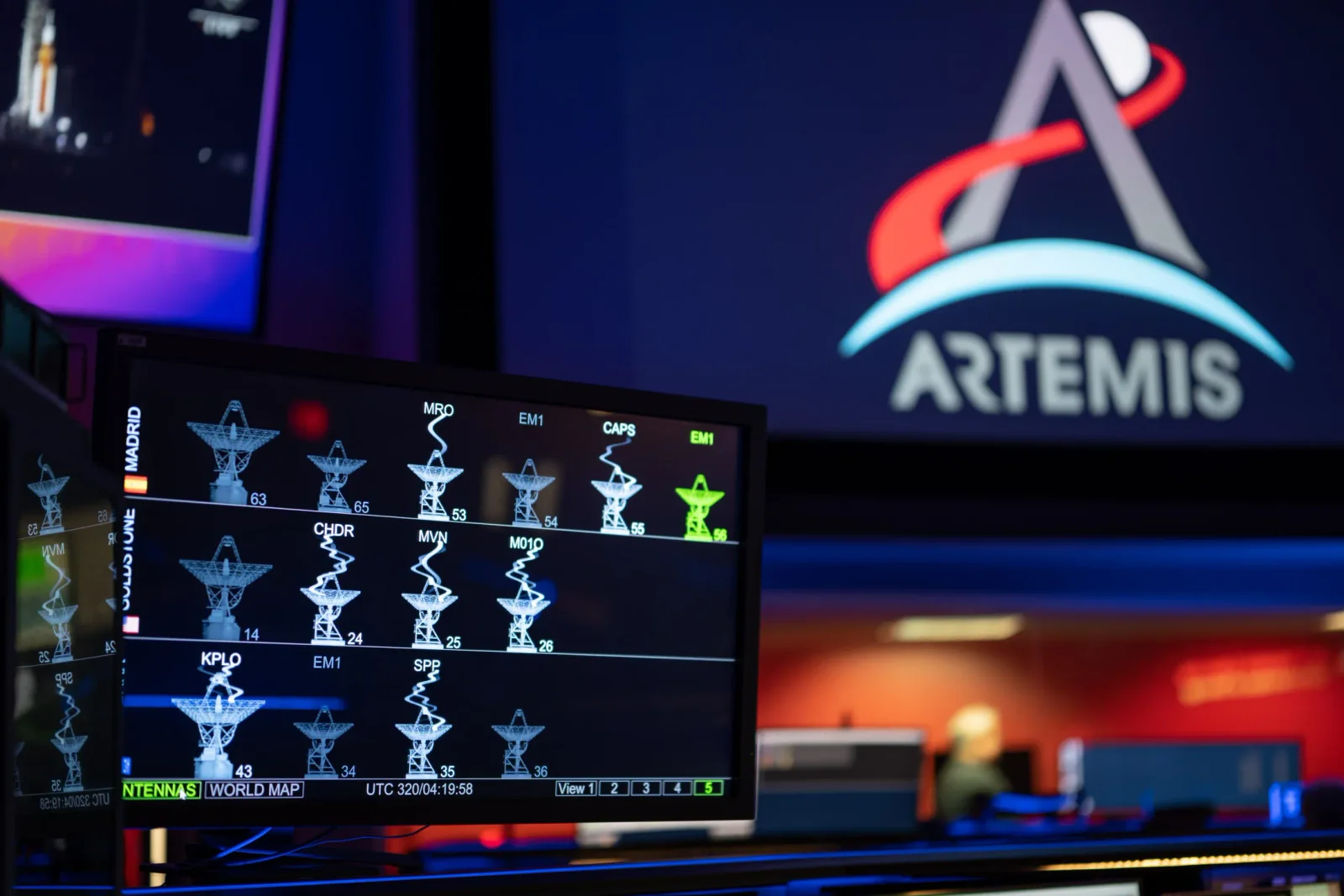
NASA officials have expressed concerns about the future of the Deep Space Network (DSN), a crucial system used to maintain contact with missions across the Solar System. With around 40 missions currently relying on the DSN, and another 40-plus missions expected to join in the next decade, the network is becoming oversubscribed and stressed. The upcoming Artemis missions, which involve astronauts and require high data transmission rates, will further strain the aging infrastructure of the DSN. NASA officials highlighted the need for upgrades and improvements to ensure the network's continued functionality and support for future space exploration endeavors.
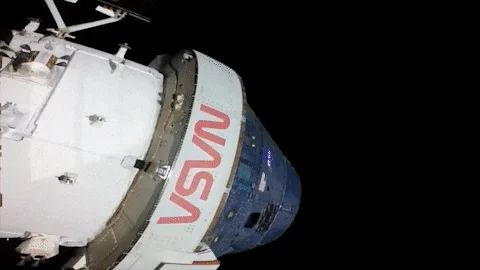
NASA's Deep Space Network (DSN), a system of antennas used for communications with spacecraft beyond Earth orbit, is facing increasing demand and decreasing budgets, putting its ability to support science missions and Artemis lunar expeditions at risk. The recent Artemis 1 mission highlighted the challenges faced by the DSN, with the spacecraft and cubesats taking up a significant amount of DSN time, causing delays and impacting science missions. The DSN's workload is expected to double with future Artemis missions and other lunar missions, while its budget has decreased. Efforts to enhance the DSN with new antennas are behind schedule and over budget. NASA is implementing upgrades, international partnerships, and new antennas, but the aging infrastructure and constrained budgets pose significant concerns for the network's future capacity and operations.
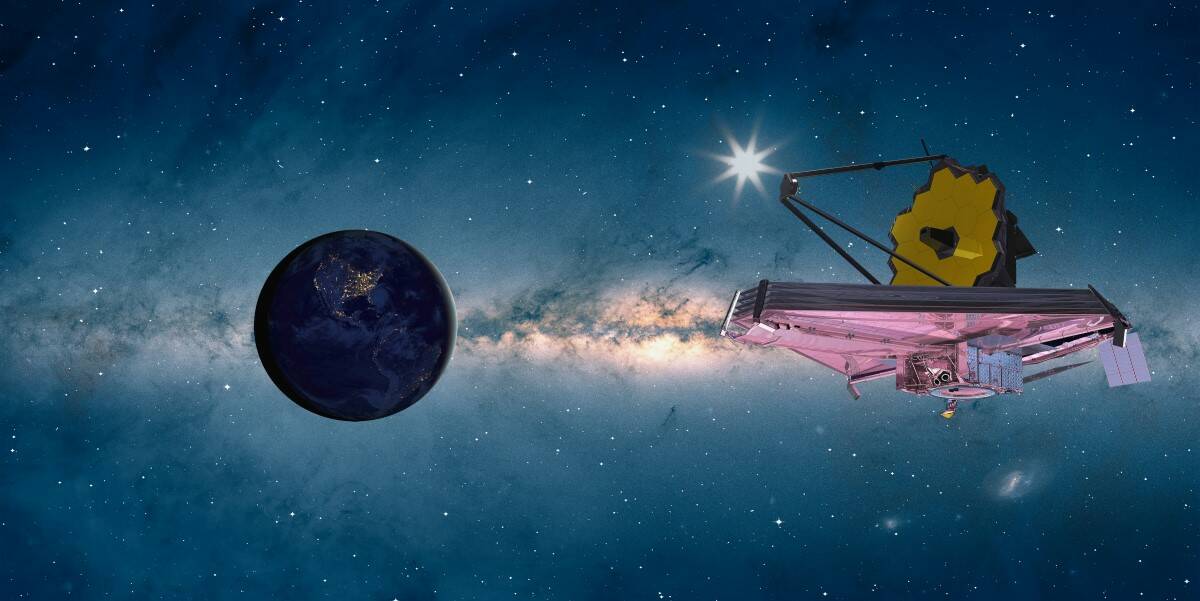
NASA has revealed that the process of downloading data from the James Webb Space Telescope (JWST) involves a six-month scramble to secure network resources. The JWST communicates with Earth through the Deep Space Network (DSN), which also handles communications with several other missions. NASA's Mission Operations Center (MOC) works with the Space Telescope Science Institute (STScI) and the Jet Propulsion Laboratory (JPL) to schedule time for the JWST to communicate and download data. The DSN allocates different types of radio waves for communication, with the more powerful Ka-band frequencies used to send scientific data. The team contacts the JWST multiple times per day, maintaining communications for several hours at a time.
NASA has successfully regained contact with Voyager 2, one of the only two probes providing valuable data on interstellar space. After losing contact on July 21st due to a misalignment, NASA "shouted" a command to the probe across 12.3 billion miles of space, instructing it to turn its antenna back to Earth. It took 18.5 hours for the message to reach Voyager 2, and another 18.5 hours for NASA to receive science and telemetry data, confirming that the probe had received the command. Despite previous technical issues, NASA believes both Voyager 1 and 2 could remain in contact until 2036, but data collection on interstellar space may cease after 2025.
NASA has restored contact with the Voyager 2 spacecraft after two weeks of silence by sending an "interstellar shout" command. The spacecraft, which left Earth 46 years ago, lost communication in July due to a command that shifted its antenna away from Earth. NASA's Deep Space Network picked up a faint carrier signal from the spacecraft, confirming it was still operating. Engineers then sent a command to orient the spacecraft back at Earth, and after 37 hours, received confirmation that it worked. Voyager 2 is now returning science and telemetry data, operating normally and on its expected trajectory.
NASA's Voyager mission team has successfully restored communication with Voyager 2, a spacecraft that has been operating for nearly 46 years. After accidentally causing the spacecraft's antenna to shift away from Earth, the team used an amplified radio signal, or "shout," to instruct Voyager 2 to reorient its antenna. Despite the low probability of success due to the massive distance, the command worked, and the spacecraft is now operating normally. Voyager 1, its twin probe, continues to operate as expected. Both probes are in interstellar space, collecting valuable data as they explore uncharted territory.
NASA has successfully restored contact with the Voyager 2 spacecraft after two weeks of silence caused by a command error that tilted its antenna away from Earth. Using its Deep Space Network, NASA sent an "interstellar shout" to reposition the antenna, and after a 37-hour wait, received confirmation that the spacecraft is operating normally and on its expected trajectory. Voyager 2, launched in 1977, has explored the outer solar system and beyond, and carries a "Golden Record" intended to convey the story of Earth to extraterrestrials.
NASA's Voyager 2 spacecraft, launched in 1977 to explore far-away planets, has finally made contact after communication was lost two weeks ago due to a wrong command. The spacecraft, which is over 12 billion miles from Earth, sent a "carrier signal" indicating it is still operational. Engineers will attempt to turn the antenna back towards Earth, but if unsuccessful, they will have to wait until October when the spacecraft's onboard software resets its direction. Voyager 2's twin, Voyager 1, remains NASA's most distant spacecraft at 15 billion miles from Earth.