Researchers have proposed using a thorium-229 nuclear clock, which offers unprecedented accuracy and sensitivity, to detect dark matter's faint effects, potentially revolutionizing our understanding of this elusive substance and advancing precision timekeeping technology.
Scientists have used laser-excited thorium-229 to develop a highly sensitive method for detecting ultralight dark matter, leveraging its unique nuclear transition to probe interactions with forces much weaker than gravity, opening new avenues in fundamental physics research.
Scientists have developed a new method using thorium-229 in a nuclear clock to detect dark matter by measuring tiny shifts in atomic resonance frequencies, potentially revolutionizing our understanding of the universe's elusive dark matter and offering unprecedented precision in detection.
Scientists are developing a nuclear clock using thorium-229 to detect dark matter by measuring tiny shifts in atomic nuclei's absorption spectrum, which could reveal dark matter's influence even if it is 100 million times weaker than gravity. This innovative approach could significantly advance our understanding of dark matter and improve precision in various scientific fields.
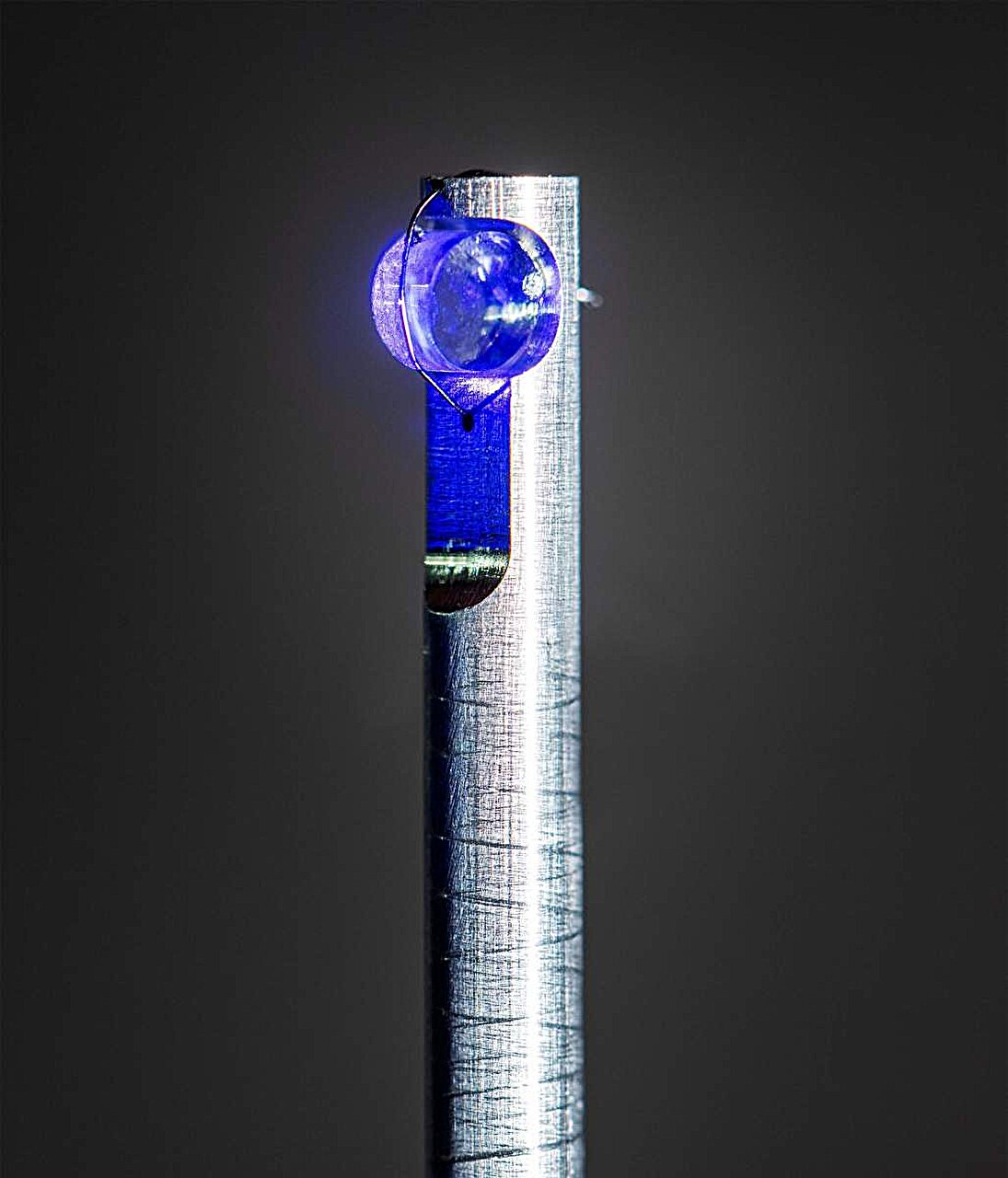
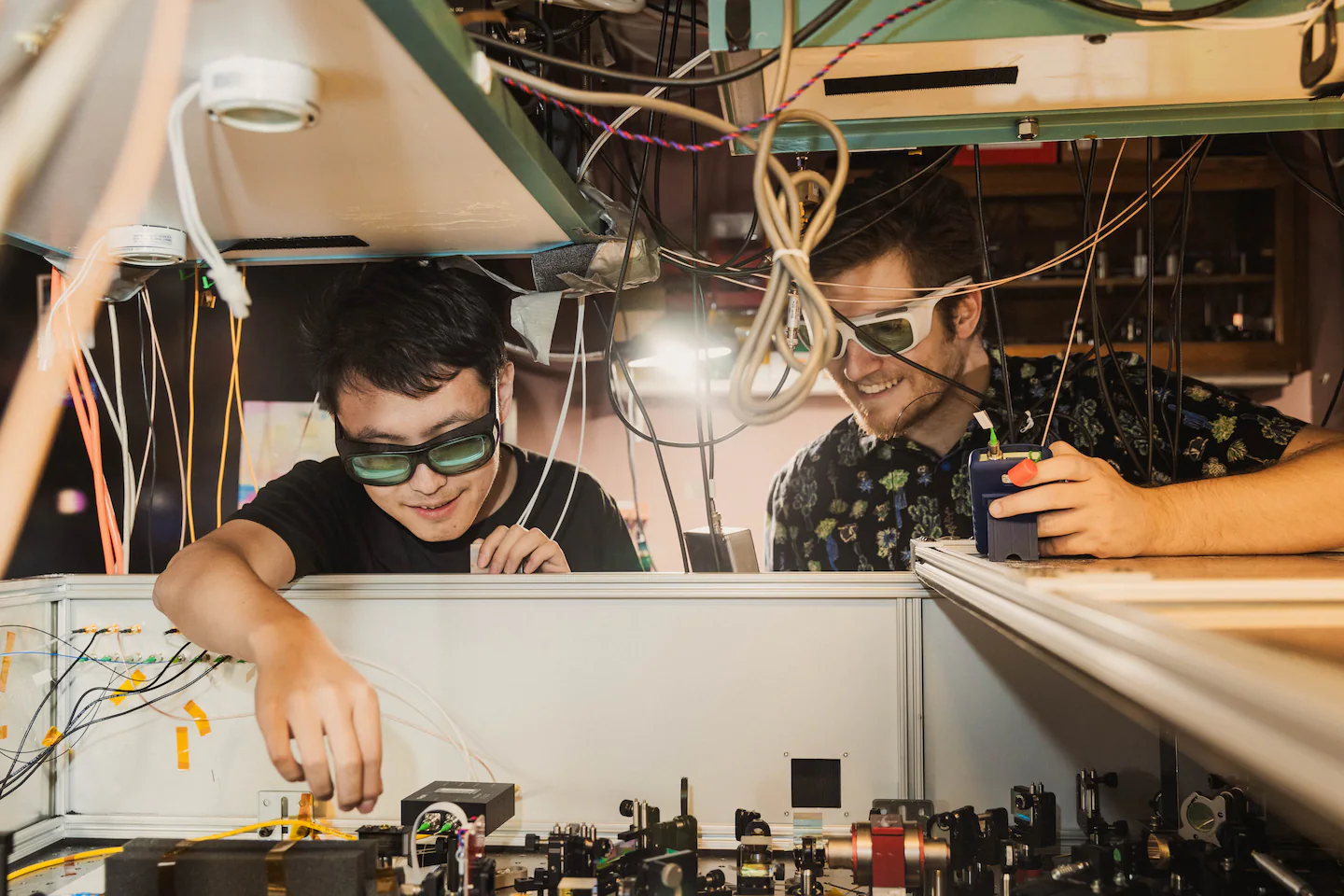
A team of physicists, including graduate student Chuankun Zhang, has made significant progress toward developing a nuclear clock, a highly precise timekeeping device. By firing a specialized laser at a radioactive crystal, they observed a promising signal, marking a potential breakthrough in the two-decade-long pursuit of this advanced technology.
Researchers in Germany and Austria have made progress in developing a nuclear clock based on thorium-229, demonstrating the ability to put nuclei of the isotope into a low-lying metastable state with exceptionally low excitation energy. This advancement could lead to a more stable and practical solid-state nuclear clock, offering potential applications in detecting time variations related to new physics beyond the Standard Model and measuring time dilation due to gravitational differences.
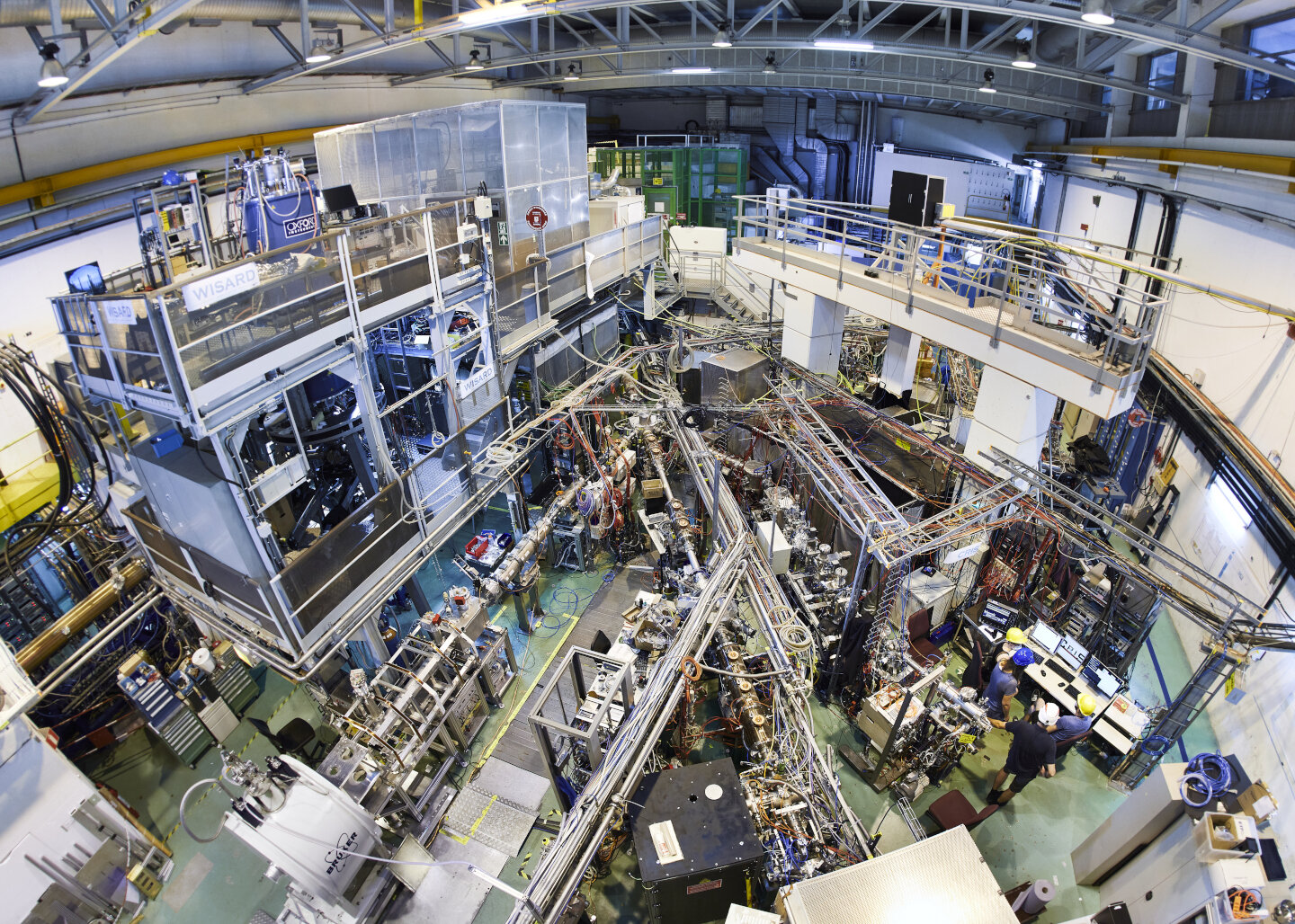
Researchers at CERN's ISOLDE facility have made a key step towards building a nuclear clock based on a periodic transition between two states of an atomic nucleus, specifically the nucleus of an isotope of thorium. Such a clock could be more precise than today's most precise atomic clocks and could serve as a sensitive tool to search for new phenomena beyond the Standard Model. The team produced thorium-229 nuclei in the isomeric state in a novel way and investigated the nuclei using vacuum-ultraviolet spectroscopy, achieving a seven times more precise measurement of the isomer's energy than previous measurements.
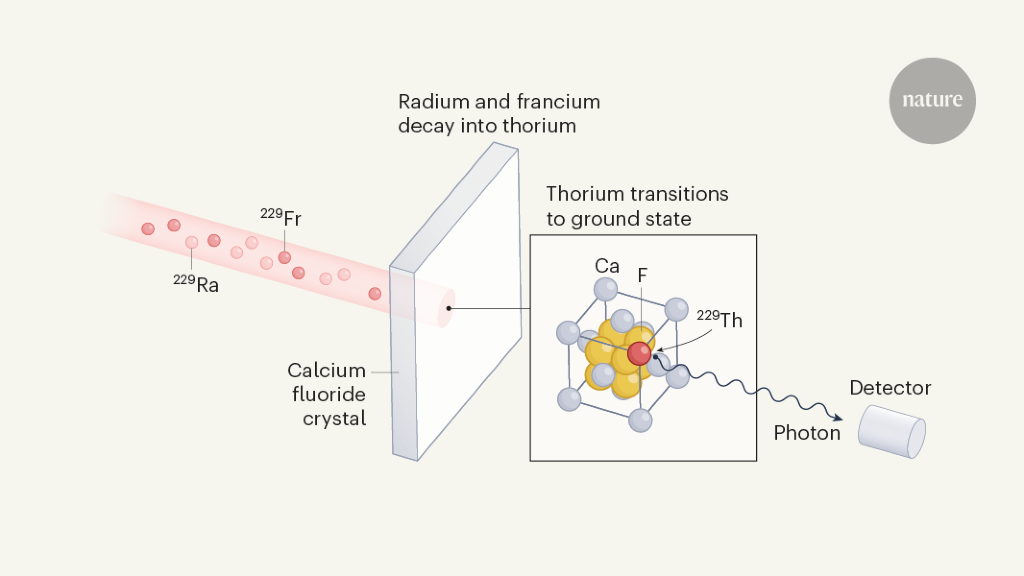
Scientists have observed a photon emitted by the nucleus of a thorium isotope, a crucial step in building a nuclear clock that could offer even more precise timekeeping than atomic clocks. The thorium-229 nucleus undergoes a transition with a unique energy and frequency suitable for very precise timekeeping, but observing this transition and identifying its energy precisely are difficult tasks. The detection of the photon emitted in this transition is a significant advance towards the development of nuclear clocks.