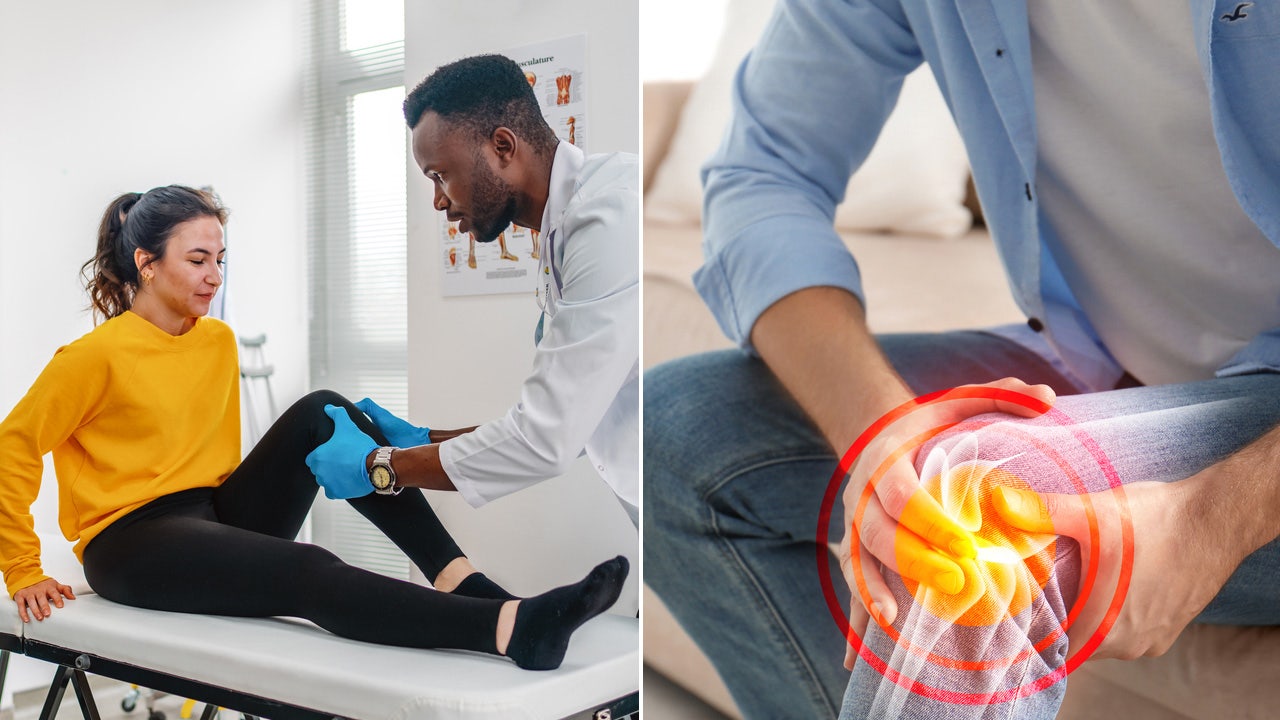
To avoid knee replacement, maintain a healthy weight, stay active with regular walking, strengthen supporting muscles through exercises, and engage in low-impact sports like biking or swimming to keep joints healthy and reduce osteoarthritis risk.
Orthopaedic surgeon Dr. Mayank Daral highlights the benefits of backward walking, which can strengthen hamstrings, glutes, and calves, support knee health, and reduce pain, supported by scientific studies suggesting its potential as a non-surgical intervention for knee issues.
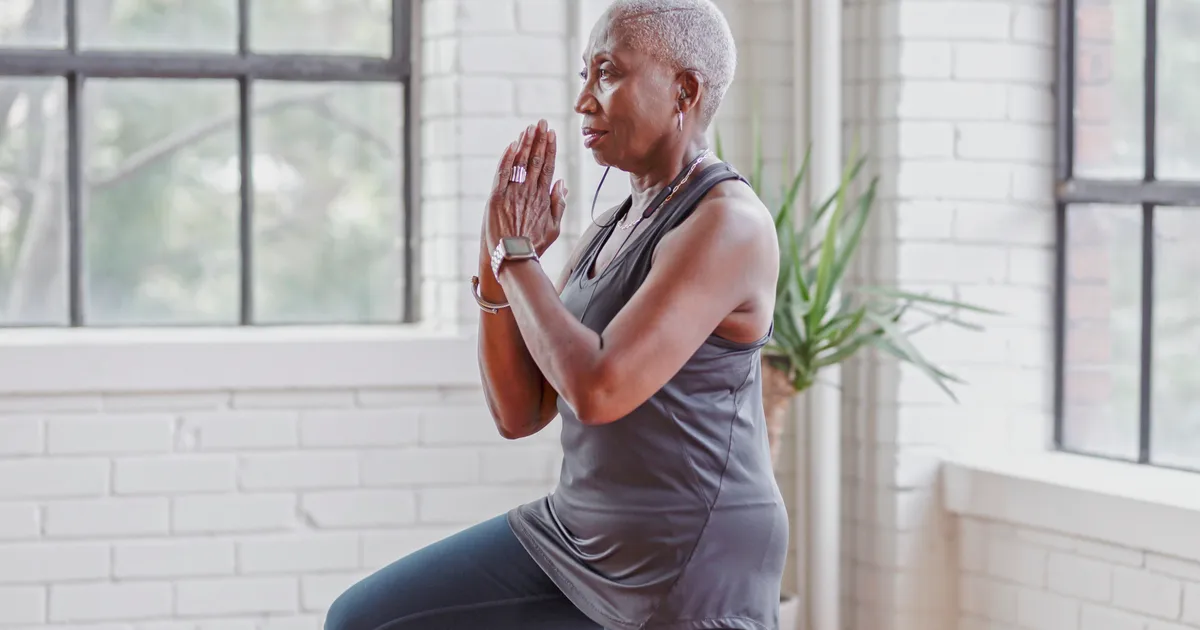
The article emphasizes the importance of knee health, especially as we age, and recommends simple, daily exercises like step-ups, squats, leg raises, calf raises, and sit-to-stand to strengthen the muscles supporting the knees, potentially delaying degeneration and reducing pain.
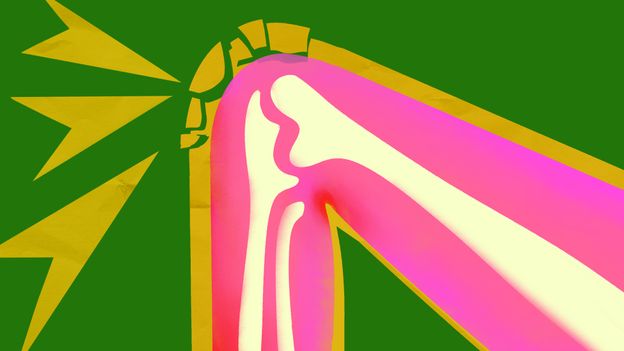
A study shows that knee creaking, or crepitus, does not predict long-term arthritis risk, even in young patients recovering from ACL surgery, and may only cause temporary discomfort without lasting damage.
Orthopedic surgeons recommend avoiding high-impact exercise after inactivity, ignoring knee pain, skipping warmups, and kneeling on hard surfaces to prevent knee injuries. They advise proper form during workouts, maintaining a varied exercise routine, staying active despite arthritis, and focusing on nutrition and muscle strengthening to keep knees healthy and avoid surgery.
New research suggests that ultra-processed foods (UPFs) may contribute to the development of osteoarthritis of the knee by increasing intramuscular fat in the thigh muscles. The study, presented at the Radiological Society of North America, found that higher UPF consumption is linked to more thigh muscle fat, regardless of calorie intake or physical activity. This highlights the importance of diet quality in managing osteoarthritis, a condition exacerbated by obesity and unhealthy lifestyle choices. The findings suggest that reducing UPF intake could be a modifiable factor in managing knee osteoarthritis.
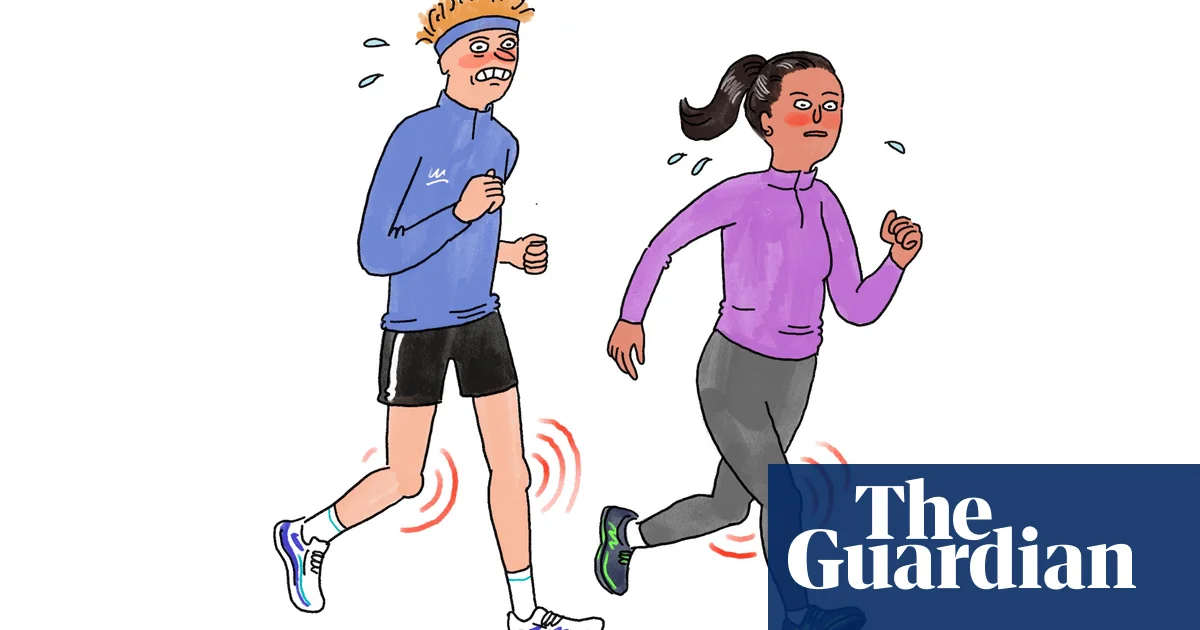
Running does not inherently damage knees and may actually protect against osteoarthritis, according to research involving 115,000 participants. While short-term knee injuries like patellofemoral pain are common, they often result from poor technique or overtraining rather than running itself. To prevent knee pain, it's advised to start running gradually, increase intensity slowly, and ensure proper technique and footwear.
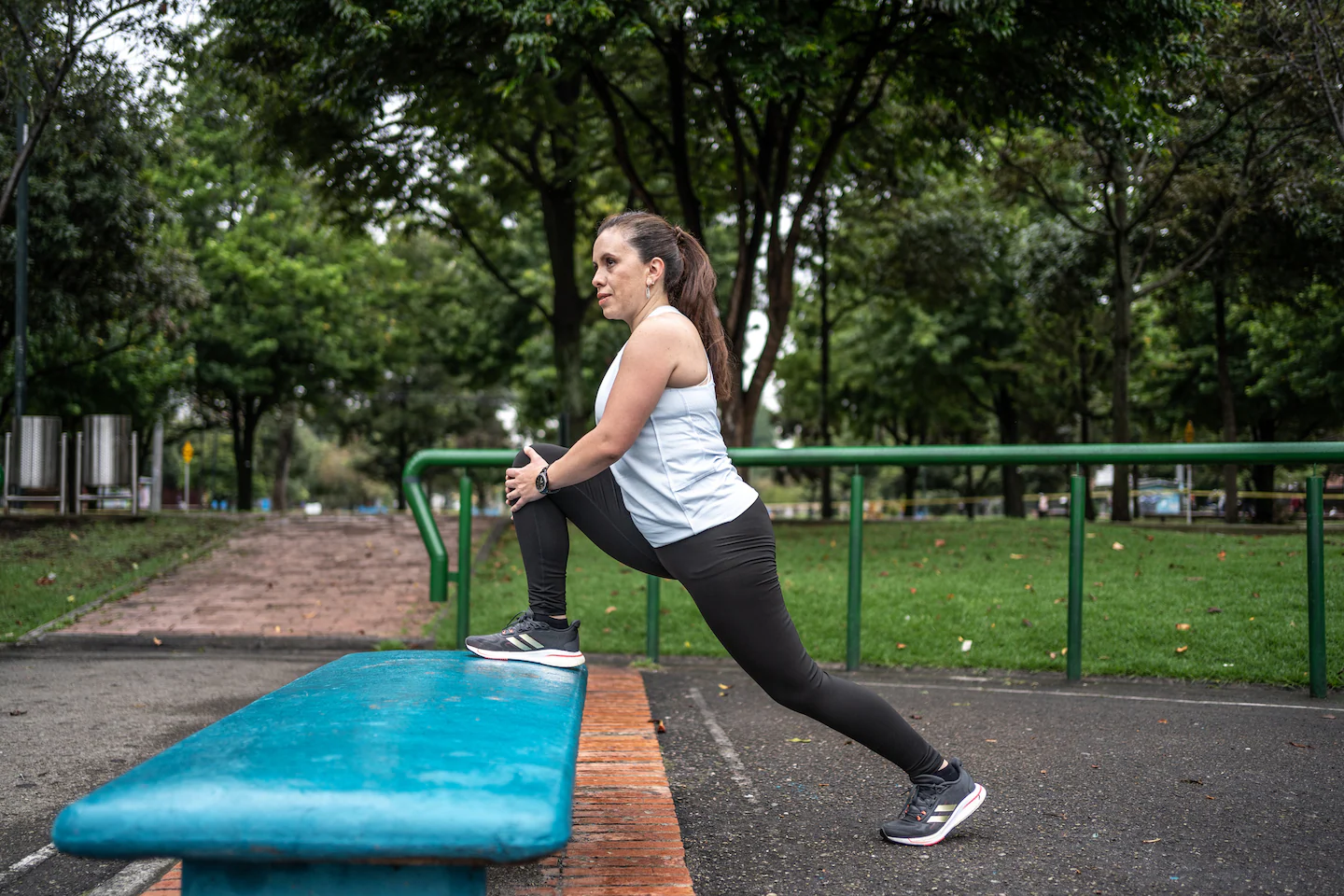
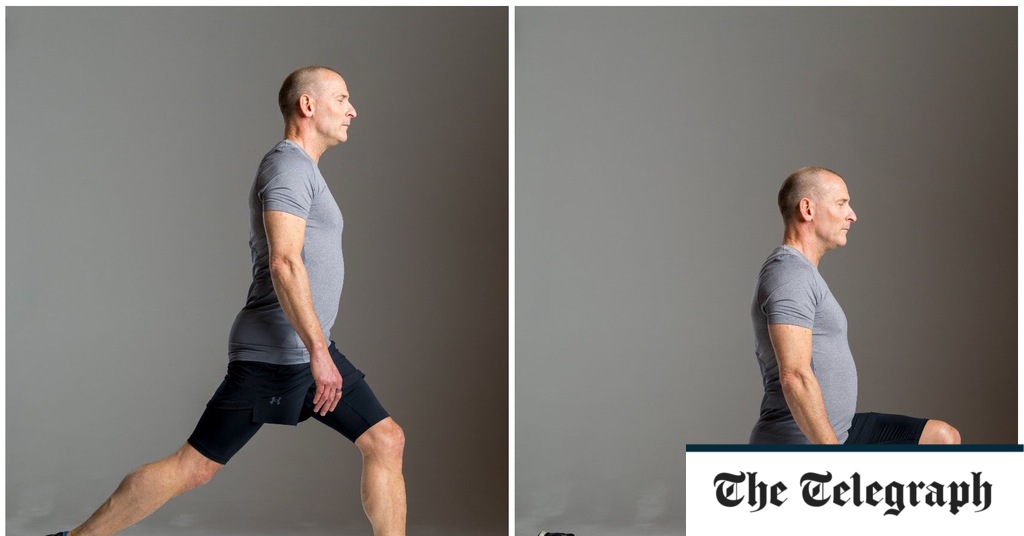
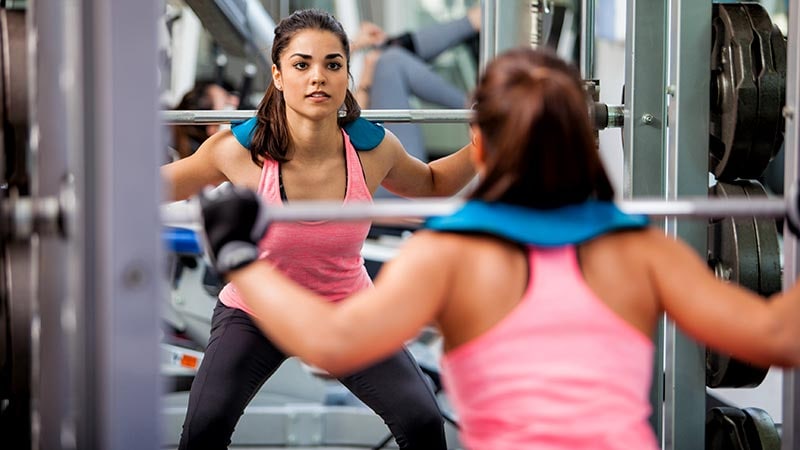
New research suggests that building strength in the quadriceps muscles through exercises like squats and lunges can help reduce the risk of knee osteoarthritis and the need for knee replacements. Strong leg muscles help reduce stress on the knee joint and improve stability. Experts recommend incorporating plyometric, isometric, and resistance training exercises to future-proof knees and maintain joint health. It is important to start slowly and seek guidance from a personal trainer or strength and conditioning coach, especially for those who are overweight or have existing joint issues.
Backward walking, also known as retro walking, offers several benefits including increased muscle engagement, higher calorie burn, improved cardiorespiratory fitness, reduced stress on the knees, and enhanced cognitive function. Studies show that walking in reverse places a greater workload on leg muscles compared to forward walking, making it a game changer for building muscle strength. Additionally, backward walking burns more calories and enhances cardiorespiratory health. It also provides better knee support and can alleviate discomfort caused by knee conditions or injuries. Furthermore, walking in reverse demands increased attention and deliberate awareness, stimulating cognitive function.
Strength training at any age is associated with a lower risk of knee pain and osteoarthritis, according to a study. The research, which analyzed data from over 2,600 adults, found that strength training was linked to a reduced incidence of knee pain and symptomatic radiographic osteoarthritis. The study suggests that the medical community should encourage more people to participate in strength training to reduce their risk of chronic conditions like osteoarthritis. However, further research is needed to explore the associations between strength training and knee osteoarthritis in those who started training at a younger age.
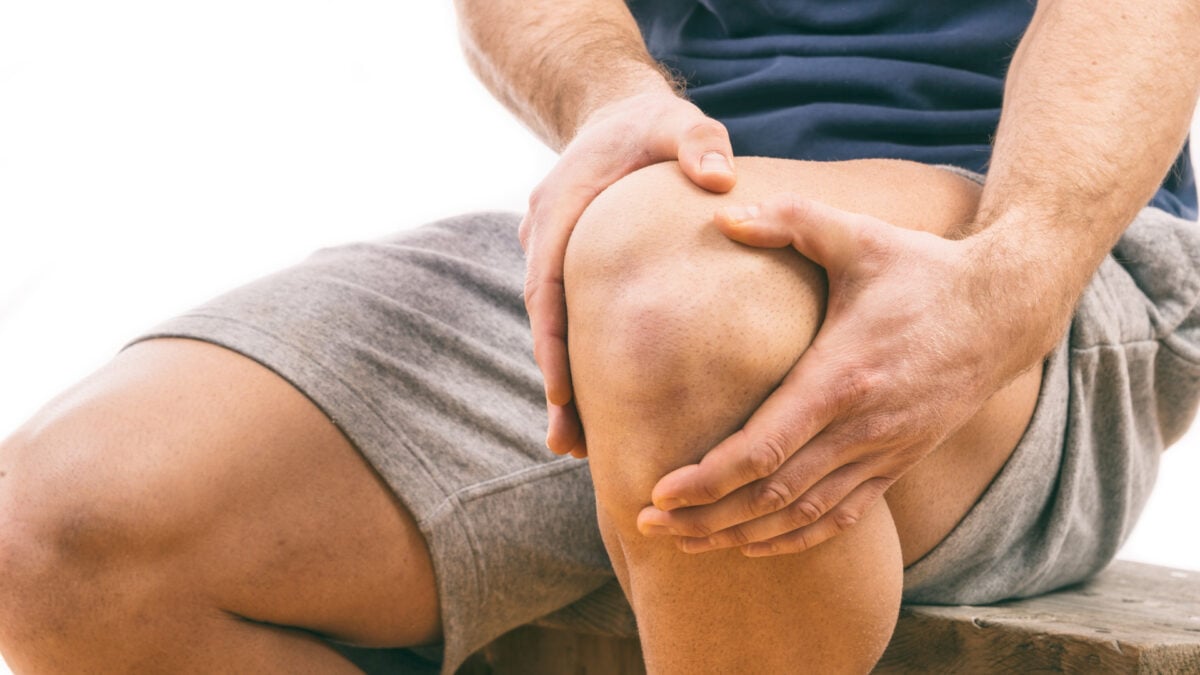
Approximately one in four U.S. adults has been diagnosed with arthritis, with the knee being the most commonly affected joint. While there is no cure for arthritis, there are ways to preserve knee health and manage symptoms. Tips include maintaining a healthy weight to reduce strain on the knees, staying active with low-impact exercises, using assistive devices and braces for support, choosing supportive footwear, considering injections for pain relief, and staying informed about minimally invasive surgical techniques. These strategies can help relieve symptoms, slow down the progression of arthritis, and improve overall knee health.
Exercise is crucial for joint health and mobility, but certain exercise habits can destroy your knees after 50. High-impact exercise, playing sports on concrete, choosing fashion over function for footwear, and being sedentary are some of the worst exercise habits that can cause wear and tear on your knees. It's important to wear shoes that support your arches and keep your ankles and knees properly aligned, and to incorporate low-impact exercise routines like Pilates to achieve healthier joints and knees.