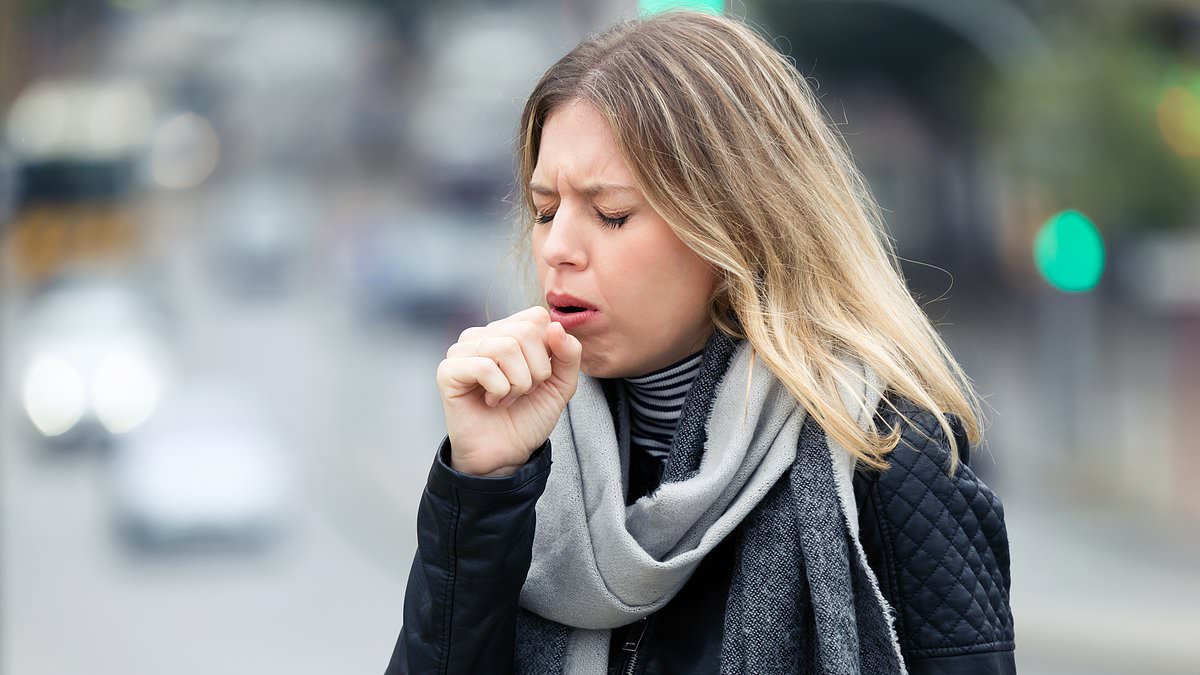
A study from Spain suggests that the sequence of pre-existing chronic conditions may better predict long COVID risk than individual conditions, highlighting the importance of disease trajectories in understanding persistent symptoms post-infection.
As people age, the prevalence of chronic health conditions increases, with over 90% of adults 65 and older affected by at least one, including high blood pressure, high cholesterol, and arthritis. Preventive measures like exercise, healthy eating, and regular screenings can help delay or reduce these conditions. Common issues such as hearing loss and depression are also significant concerns, and early treatment can improve quality of life.
CDC data reveals that over 28% of American adults, or 71 million people, reported having a disability in 2022, the highest rate since tracking began. The increase is attributed to an aging population, chronic conditions like diabetes and obesity, and the inclusion of long Covid in the survey. Rural areas and older adults show higher disability rates, with Arkansas having the highest state rate at 38%. The data highlights the need for better understanding and support for people with disabilities.
A new report from the National Academies of Sciences, Engineering, and Medicine reveals that long COVID can cause over 200 symptoms and does not require a positive COVID-19 test for diagnosis. The findings aim to guide the Social Security Administration and highlight the condition's impact on daily activities, with women being twice as likely as men to experience it. Hospitalization increases the risk of long COVID, which shares similarities with other chronic conditions like ME/CFS and fibromyalgia. While many improve within 12 months, some symptoms may not qualify as impairments under current SSA guidelines.
A new study presented at ENDO 2024 shows that the anti-obesity medication Zepbound (tirzepatide) is effective for weight loss in individuals with multiple obesity-related chronic conditions. The research, funded by Eli Lilly, indicates that the presence of other medical issues does not affect the weight loss achieved with tirzepatide. The medication, approved by the FDA in November 2023, is administered as a weekly injection and has shown better results than current treatments. However, there are concerns about potential shortages due to increased demand.
A new study published in Molecular Autism reveals that adults with autism report higher rates of various non-communicable medical conditions across all major organ systems compared to non-autistic individuals. The research, which involved over 2,300 participants, found that autistic individuals are 2-3 times more likely to suffer from gastrointestinal, rheumatological, neurological, and renal/hepatic conditions. The study highlights the complex health needs of autistic people but also notes limitations such as the self-reported nature of the data and potential sample bias.
A recent review highlights how the Western diet, characterized by low fiber and high saturated fat, disrupts the gut microbiome, potentially leading to chronic conditions like inflammatory bowel disease and type 2 diabetes. The diet's impact on gut bacteria and subsequent inflammation may explain the rise in these health issues.
Changes in weather, particularly drops in barometric pressure, have been linked to increased symptoms in patients with migraines, joint pain, and cardiovascular disease. While the exact biological mechanisms are not fully understood, experts recommend maintaining consistent sleep and eating schedules, staying warm and dry, and exercising caution when traveling to areas with higher altitudes to mitigate the impact of weather-related health effects.
A survey reveals that only one in five Britons are aware of the daily fibre recommendation, leading to a "fibre gap" and leaving millions at risk of preventable chronic conditions, including bowel cancer and heart disease. Despite the average intake of fibre being only 20 grams, the recommendation is to consume 30 grams a day. Eating plenty of fibre can reduce the risk of health problems and promote friendly gut bacteria, but awareness and effort to achieve the recommended intake are crucial in closing the fibre gap.
A persistent cough may be a sign of various conditions, including cold, flu, post-nasal drip, bronchitis, whooping cough, pneumonia, Covid-19, COPD, idiopathic pulmonary fibrosis, or lung cancer. Treatment varies depending on the underlying cause, ranging from rest and hydration to antiviral medication or antibiotics. Lifestyle changes, such as quitting smoking, and medical interventions like oxygen therapy or lung transplantation, may be necessary for chronic conditions. If a cough lasts longer than three weeks or is accompanied by severe symptoms, it's important to seek medical attention.
Amazon has launched Health Condition Programs to help customers discover and enroll in digital health benefits offered by their employer or insurance plan for conditions like diabetes and high blood pressure. Through partnerships with digital health companies like Omada Health, Amazon aims to raise awareness and increase enrollment for programs that can help manage chronic conditions. Customers can initiate a coverage check on Amazon's Health webpage and, if eligible, enroll in programs for diabetes prevention, diabetes, and hypertension through Omada's website. The initiative seeks to improve health outcomes and drive health equity, with a focus on expanding partnerships with digital health companies to bring high-quality care to more customers.
Millennials are at risk of aging faster than previous generations due to a combination of factors including overconsumption of processed foods, physical inactivity, stress, poor work-life balance, and financial difficulties. Studies show that obesity, which is prevalent among millennials, contributes to accelerated aging and increases the risk of chronic conditions such as diabetes and heart disease. Experts recommend lifestyle changes such as regular exercise, healthy eating, stress management, and setting priorities in life to safeguard health and reverse accelerated aging. Governments are also taking steps to promote healthy aging, such as creating walking trails, cycling tracks, and implementing policies to reduce sugar levels in drinks and provide nutritional labeling.
Aquatic High Intensity Interval Training (AHIIT) has been found to improve exercise capacity in adults with chronic conditions such as diabetes and arthritis, similar to land-based training (LBHIIT). Exercising in water can relieve pressure on joints, allowing for movements that may be difficult on land. However, there is conflicting evidence on the physiological benefits of AHIIT. AHIIT may be a safe and valuable alternative for individuals unable to perform LBHIIT, providing an effective option for cross-training and high-intensity workouts. Future research should explore the link between exercise capacity and patient outcomes, as well as barriers to high-intensity training in different populations.
A new study has found that consuming higher amounts of ultraprocessed food is associated with an increased risk of developing multiple chronic conditions, including cancer. The study, which collected dietary information from over 266,000 individuals in Europe, revealed that certain ultraprocessed foods, such as animal products and sweetened beverages, were linked to a higher risk, while others, like ultra-processed breads and cereals or alternative plant-based products, showed no association. Although the increased risk was modest, the findings highlight the importance of limiting the consumption of ultraprocessed foods and prioritizing fresh or minimally processed options.
Strength training at any age is associated with a lower risk of knee pain and osteoarthritis, according to a study. The research, which analyzed data from over 2,600 adults, found that strength training was linked to a reduced incidence of knee pain and symptomatic radiographic osteoarthritis. The study suggests that the medical community should encourage more people to participate in strength training to reduce their risk of chronic conditions like osteoarthritis. However, further research is needed to explore the associations between strength training and knee osteoarthritis in those who started training at a younger age.