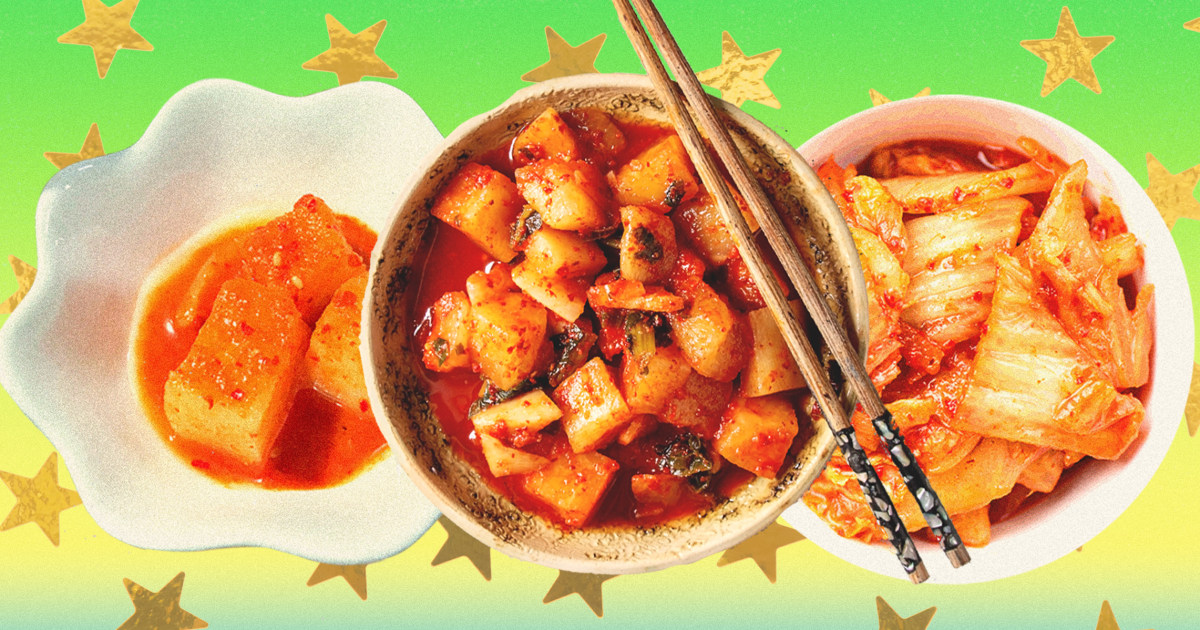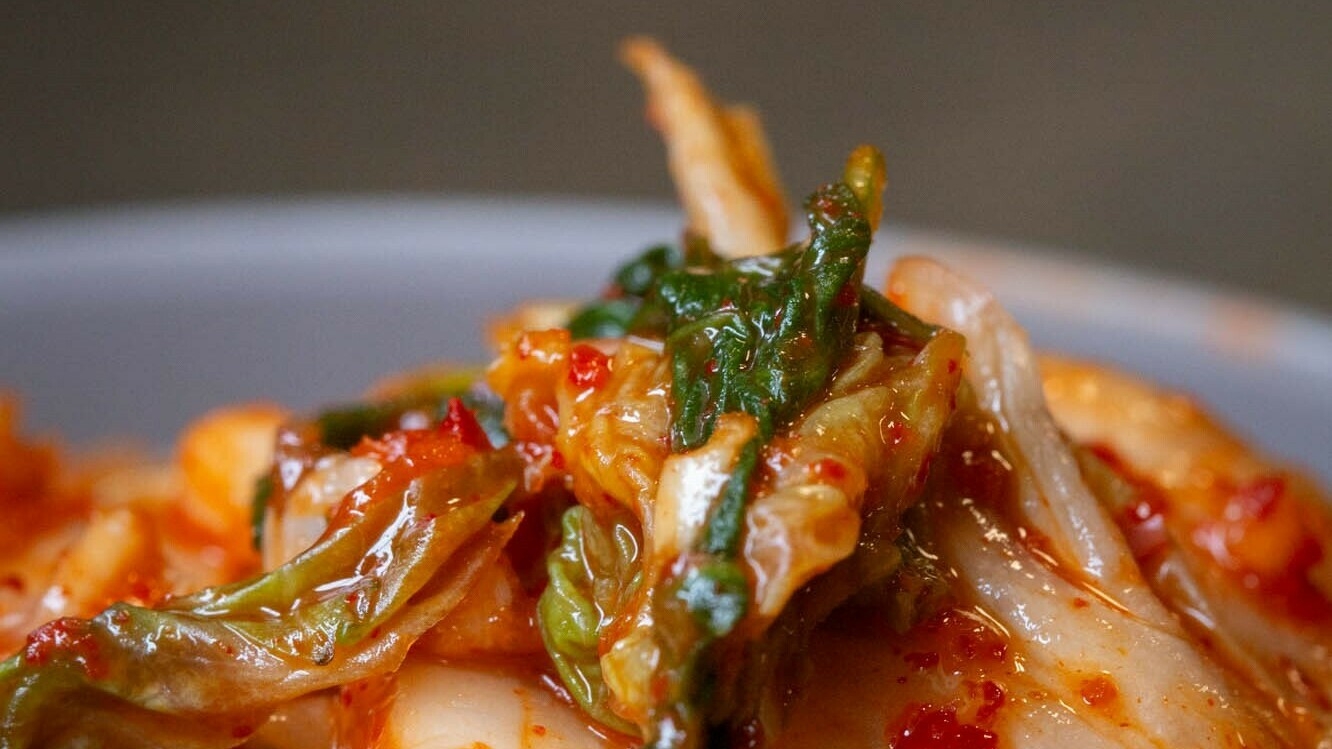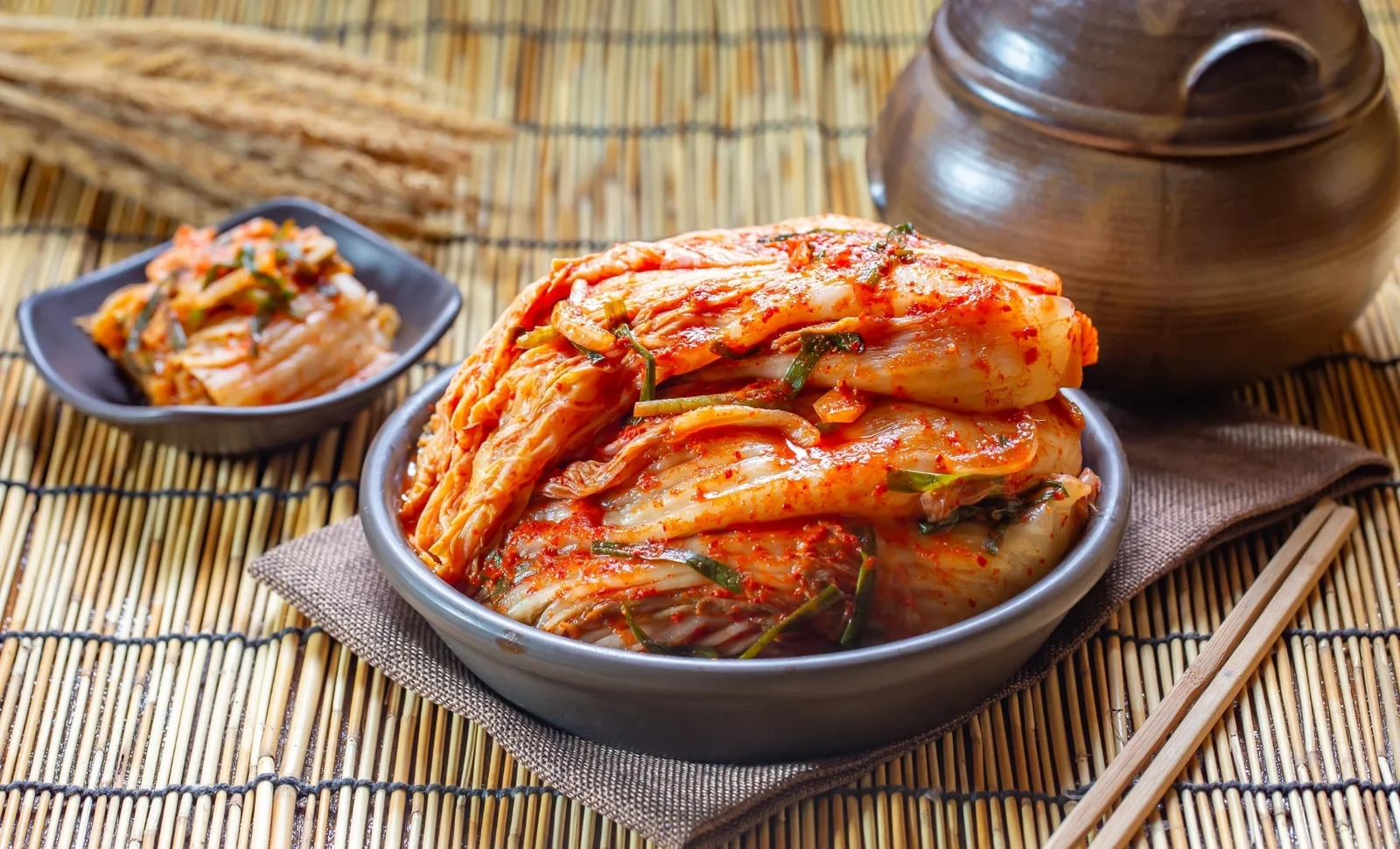
Regular moderate consumption of kimchi, especially 1-3 servings daily, may help reduce belly fat due to its probiotic, fiber, and fermentation compounds, but it should be part of a balanced diet and healthy lifestyle. Excessive intake offers no additional benefits and may have drawbacks due to high sodium content.
Regular consumption of kimchi, a traditional Korean fermented food, offers numerous health benefits including improved gut health, brain function, and heart health due to its probiotics, vitamins, and antioxidants. However, its high sodium content necessitates moderation, especially for those monitoring salt intake. Kimchi is versatile and can be enjoyed in various dishes, but individuals with histamine intolerance should be cautious. Proper storage and handling are essential to maintain its safety and nutritional value.
Kimchi, a staple of Korean food culture, has gained international popularity as a gut-boosting superfood due to its natural probiotic bacteria, distinctive taste, and nutrient density. With its high quantity of 'good' bacteria and a cocktail of vitamins and minerals, kimchi supports gut health and microbiome thriving, making it a key component of a gut-friendly diet in 2024.
Kimchi, a staple of Korean food culture, has gained international popularity as a gut-boosting superfood due to its natural probiotic bacteria and nutrient density. The fermentation process results in a high quantity of 'good' bacteria, supporting gut health and microbiome balance. With its distinctive taste and numerous health benefits, including vitamins, minerals, and amino acids, kimchi has become a key component of a gut-friendly diet in 2024.
New research suggests that consuming kimchi, a fermented cabbage and vegetable dish, may lower men’s risk of obesity and reduce fat around the middle and abdomen. Making your own kimchi at home could be a cost-effective way to enjoy its potential health benefits. The article provides a recipe for napa cabbage kimchi from "The Korean Cookbook" by Junghyun Park and Jungyoon Choi, including instructions for brining the cabbage, making the kimchi seasoning, and fermenting the dish for one to two days at room temperature followed by an additional 10 days in the refrigerator.
A recent study suggests that consuming kimchi, a popular Korean fermented food, may be associated with a lower risk of obesity, particularly in men. However, the evidence on fermented foods and weight loss is still weak, with mixed results from experimental studies. While fermented foods can be part of a healthy diet due to their beneficial bacteria and nutrients, some, like kimchi, may contain added salt, which can increase the risk of high blood pressure, heart disease, and stroke if consumed in excess.
Dermatologists warn against tweens using upscale skincare products, suggesting a simple routine instead; writing by hand may improve learning by enhancing brain connections; moderate kimchi consumption is linked to a lower risk of obesity, but should be eaten in moderation due to high sodium levels; taking a walk in nature can improve attention and problem-solving abilities; driving after using cannabis, especially edibles, can impair safety and experts recommend waiting at least four hours before driving.
Middle-aged spread, the weight gain that often occurs in one's forties and beyond, can have a significant impact on health and longevity. Korean researchers have found that consuming a daily serving of kimchi, a fermented food, can reduce the risk of obesity in midlifers by up to 11 percent. Taking measures to minimize midlife weight gain is important for overall health and well-being.
A study in South Korea suggests that consuming moderate amounts of kimchi daily may lower the risk of developing obesity, with different types of kimchi associated with staving off different forms of obesity. The research, published in BMJ Open, surveyed over 115,000 Korean adults and found that those consuming one to three servings of kimchi a day were less likely to develop obesity. The study also highlighted the potential health benefits of kimchi, such as increasing microbiome diversity and reducing inflammation, but cautioned against excessive consumption due to its high sodium content. Registered dietitians emphasize the importance of enjoying kimchi as part of a balanced diet, and suggest that its health benefits could extend to other populations beyond South Korea.
Research suggests that eating kimchi daily, particularly cabbage and radish kimchi, may lower the risk of obesity and excess fat around the abdomen, especially in men. A study of over 115,000 people in Korea found that men with a moderate intake of kimchi had a lower risk of obesity, while women and men who consumed radish kimchi had reduced risk of abdominal fat. However, consuming more than three servings a day did not show additional benefits, and experts cautioned about the high sodium content in kimchi.
A major study from Chung Ang University in South Korea suggests that consuming up to three servings of kimchi per day may reduce abdominal fat and lower the risk of diabetes, particularly in men. The study of over 100,000 people found that moderate kimchi consumption was associated with a decrease in overweight individuals, while excessive consumption showed an increase in prevalence of being overweight. The researchers cautioned that the study can only establish correlation and not causation, and recommended moderate consumption for the health benefits of kimchi's components.
Researchers at the World Institute of Kimchi have discovered lactic acid bacteria (LAB) strains in kimchi with high levels of resistance to phages, viruses that infect bacteria. The dominant LAB strain, Pediococcus inopinatus, was found to possess a well-developed CRISPR system, which allows it to effectively defend against viral invasions. These phage-resistant LAB strains have potential applications in the food and pharmaceutical industries.
The process of fermenting cabbage into kimchi involves the activity of microbes, which are influenced by ingredients, temperature, and time. Chef Patrice Cunningham, owner of Tae-Gu Kimchi, explains the steps involved in making kimchi and how fermentation transforms the flavors of the cabbage. The addition of salt helps draw out water from the cabbage leaves, providing nutrients for the microbes. The microbes break down sugars and starches, resulting in a unique and flavorful product. The right conditions, including temperature and competition with harmful bacteria, are crucial for successful fermentation.
A recent study published in the Journal of the Royal Society Interface found that the traditional Korean earthenware vessels known as onggi are the best vessels for fermenting kimchi. The porosity of the onggi's walls helps the desired bacteria proliferate during the fermentation process, resulting in a higher growth of salt-loving lactic acid bacteria and increased acidity and antioxidant activity of kimchi. The study used fluid mechanics to examine the connection between the material properties of the onggi and the growth of bacteria during kimchi fermentation.
A study on the effects of fermented foods on brain health has revealed that nearly all of the 200 fermented foods analyzed showed potential for improving gut and brain health. Fermented sugar-based and vegetable-based products demonstrated the most significant benefits, with further research planned to determine the specific effects of these foods on the brain.