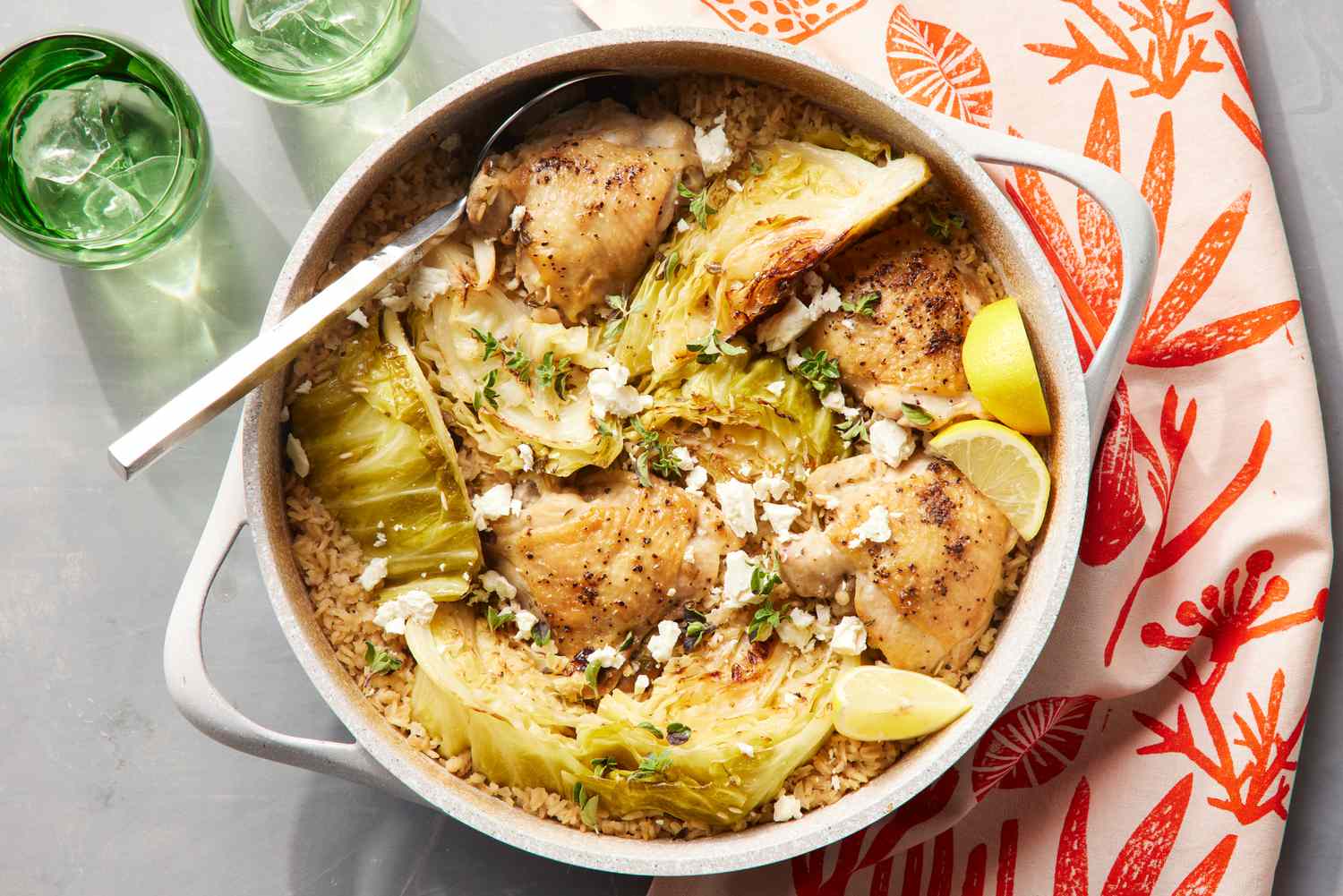
This one-pan chicken and cabbage dish with brown basmati rice is not only delicious but also nutritious. Chicken thighs provide complete protein, selenium, zinc, and vitamin B12, while cabbage offers fiber, vitamins, minerals, and antioxidants. Brown basmati rice is a whole grain that is high in fiber and magnesium. To prevent the cabbage from falling apart, leave the core intact when cutting it into wedges. Use an instant-read thermometer to check for doneness when cooking the chicken thighs. To get crispy chicken skin, remove the lid and let it bake directly under the heat.
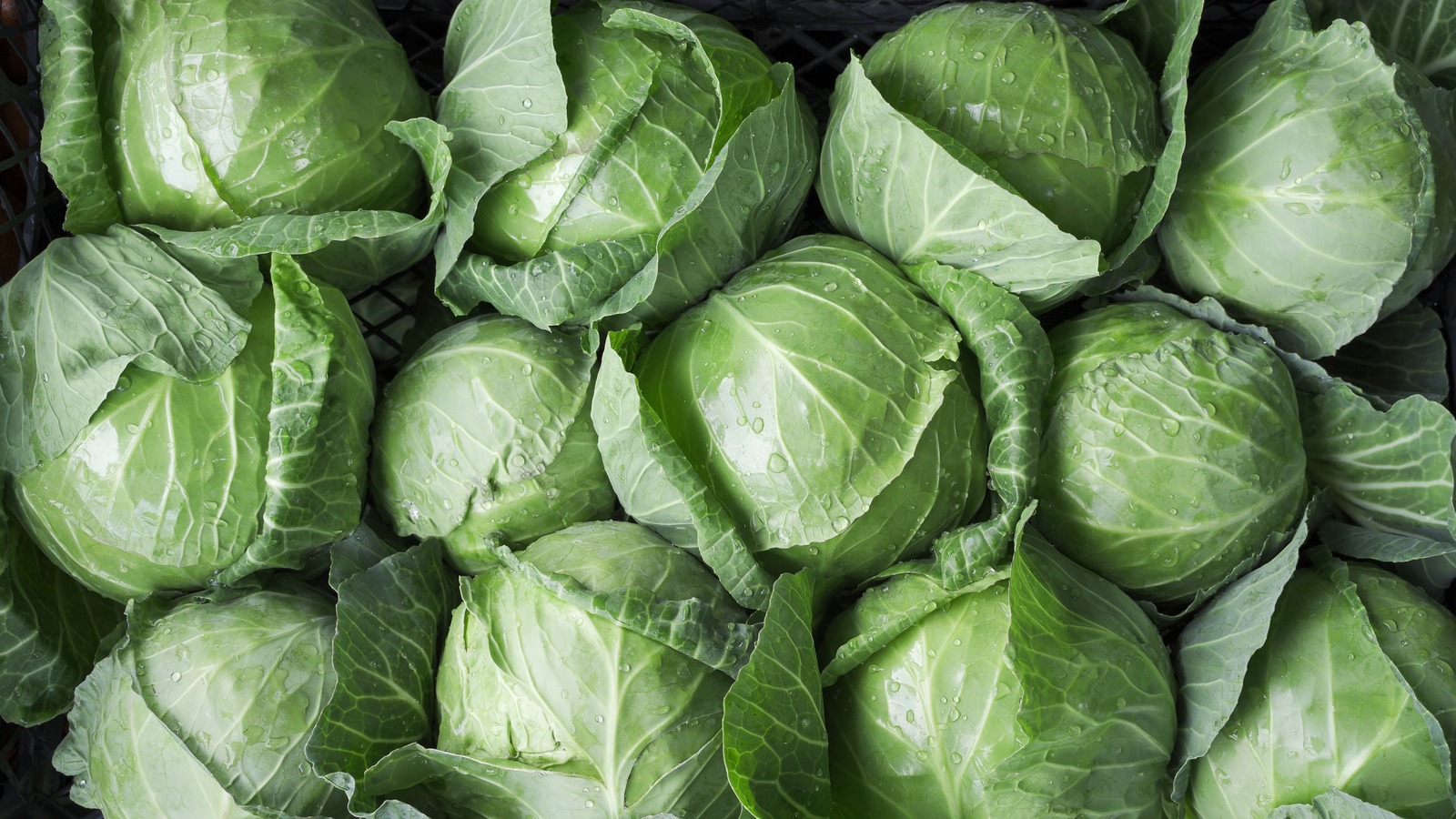
Cabbage can be transformed from bland to flavorful with the addition of horseradish. Whether sautéing, roasting, or braising, horseradish adds a spicy punch to cabbage dishes. Tips for pairing horseradish with cabbage include adding it after cooking or incorporating it into the braising liquid. Store-bought horseradish sauces or homemade horseradish cream can be used. Other seasonings like lemon, white wine, fennel seeds, garlic, and mustard complement cabbage and horseradish. Horseradish also pairs well with other cruciferous vegetables.
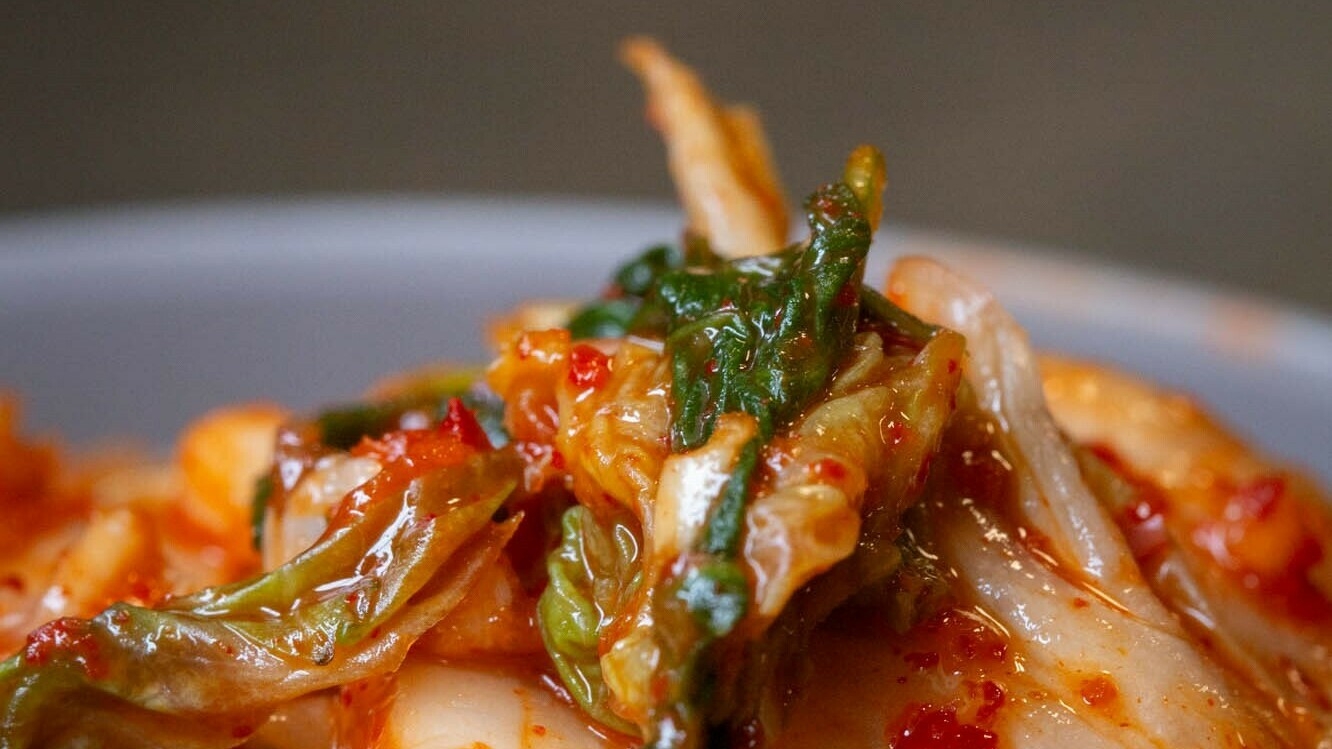
The process of fermenting cabbage into kimchi involves the activity of microbes, which are influenced by ingredients, temperature, and time. Chef Patrice Cunningham, owner of Tae-Gu Kimchi, explains the steps involved in making kimchi and how fermentation transforms the flavors of the cabbage. The addition of salt helps draw out water from the cabbage leaves, providing nutrients for the microbes. The microbes break down sugars and starches, resulting in a unique and flavorful product. The right conditions, including temperature and competition with harmful bacteria, are crucial for successful fermentation.