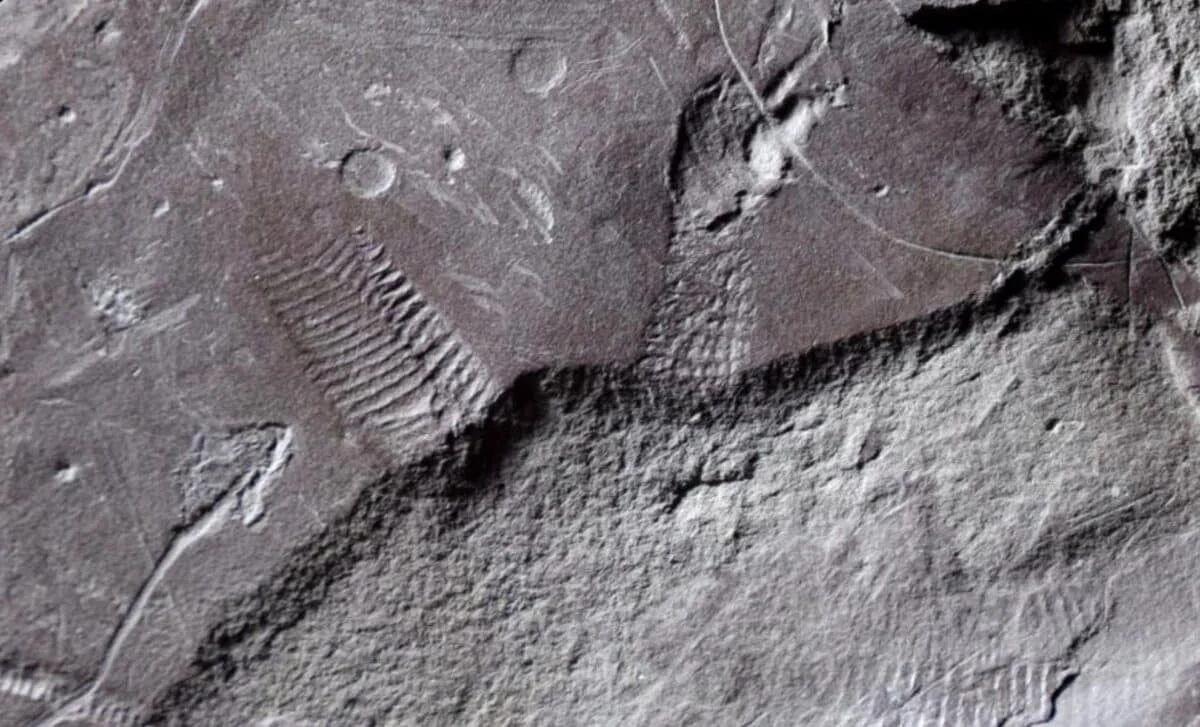
A 290-million-year-old German fossil named Cabarzichnus pulchrus preserves the earliest-known reptile cloaca and skin with keratin scales, offering new clues about early reptile anatomy and evolution.
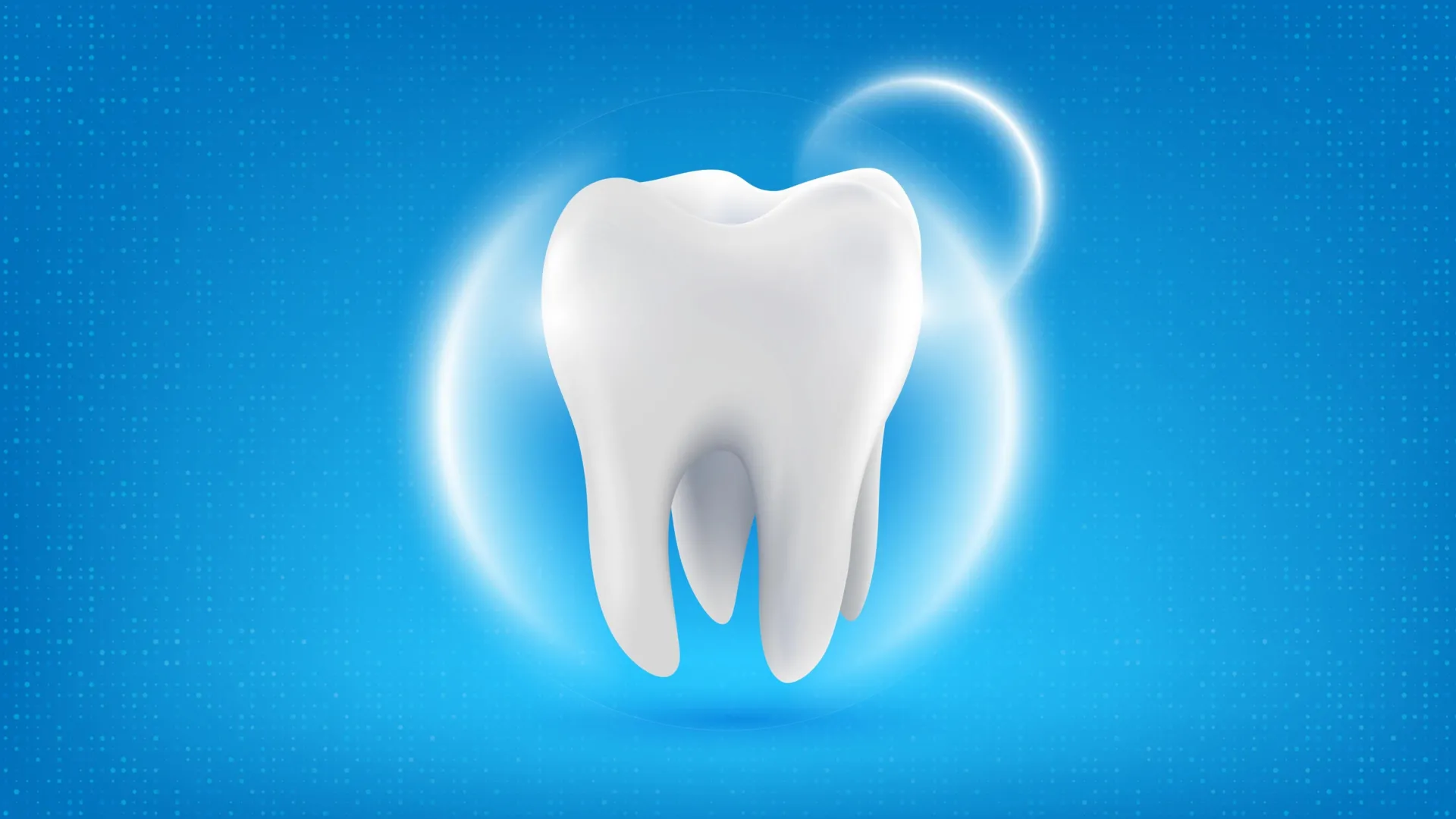
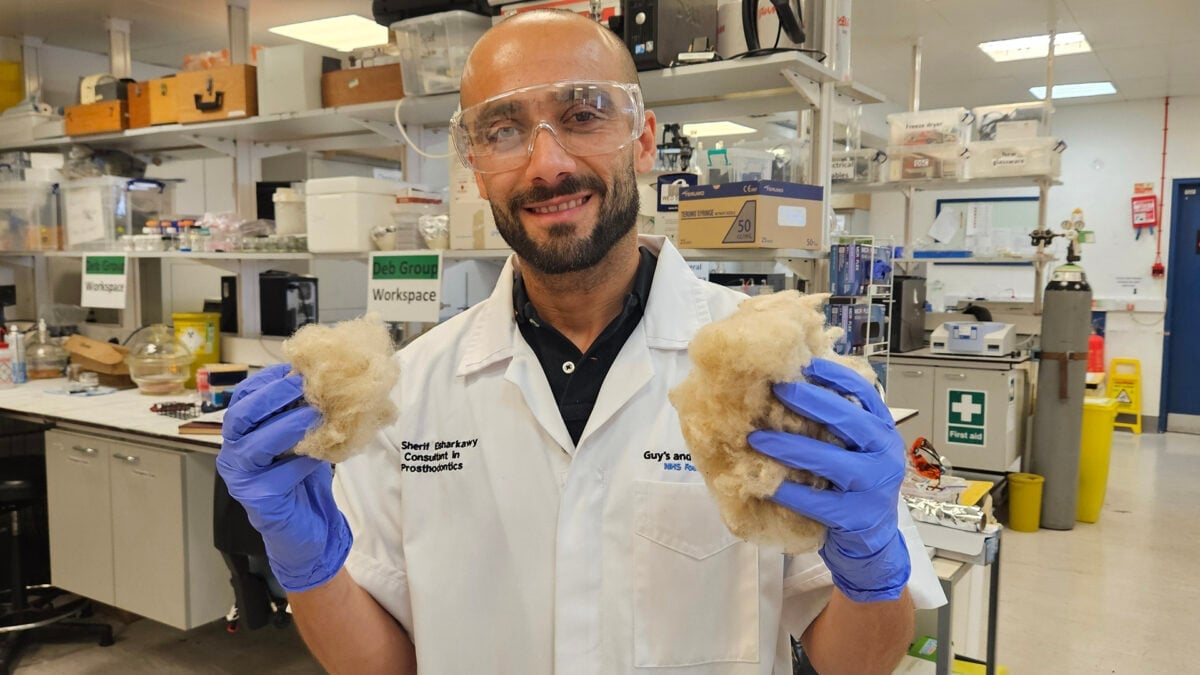
Researchers from King's College London have developed a keratin-based toothpaste that can rebuild and protect tooth enamel, offering a sustainable and natural alternative to traditional dental treatments, with potential availability within a few years.
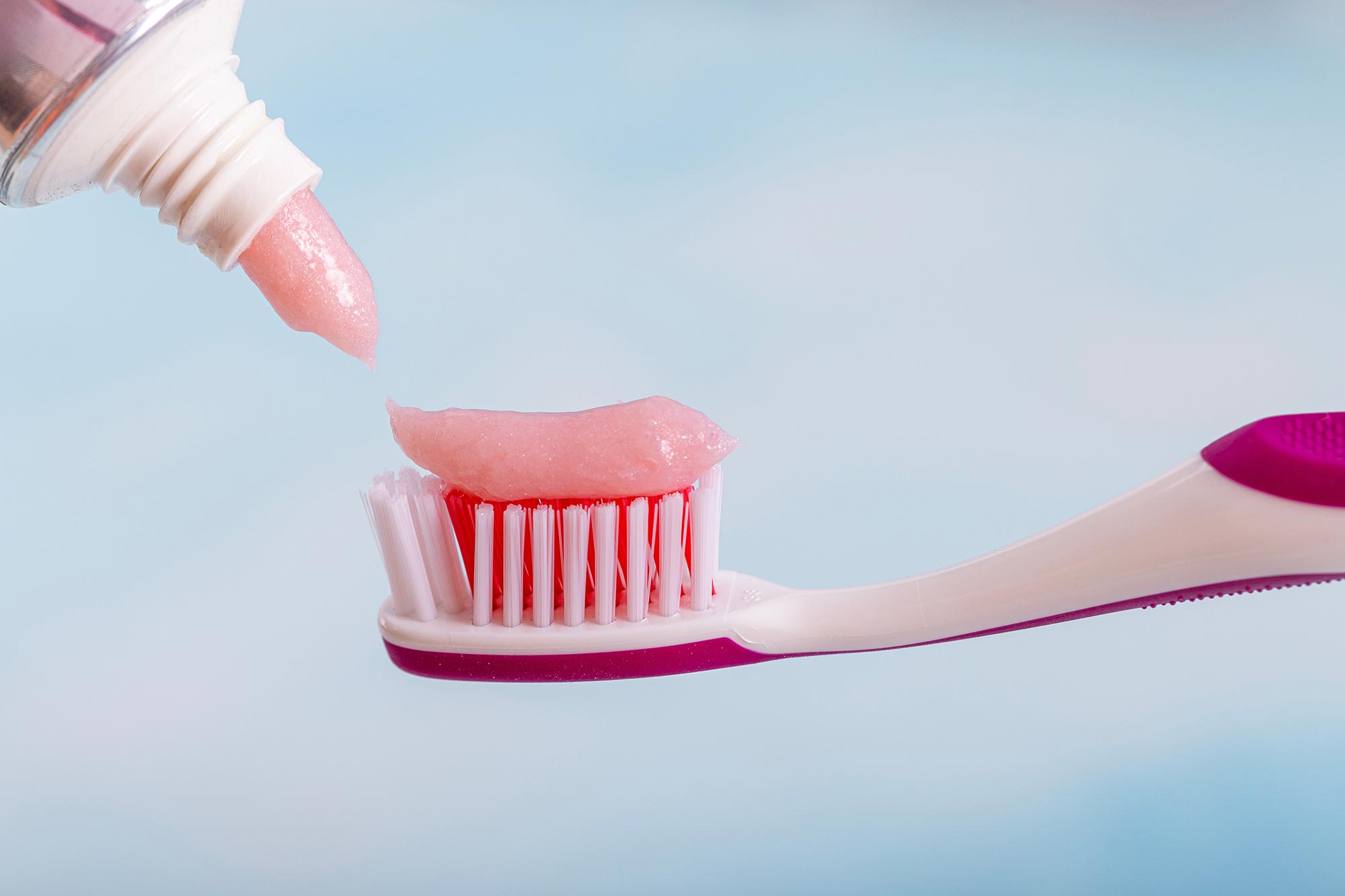
Researchers from King's College London have developed a keratin-based toothpaste derived from human hair that can naturally rebuild and protect tooth enamel, offering a sustainable and effective alternative to traditional dental treatments, with potential availability within two to three years.
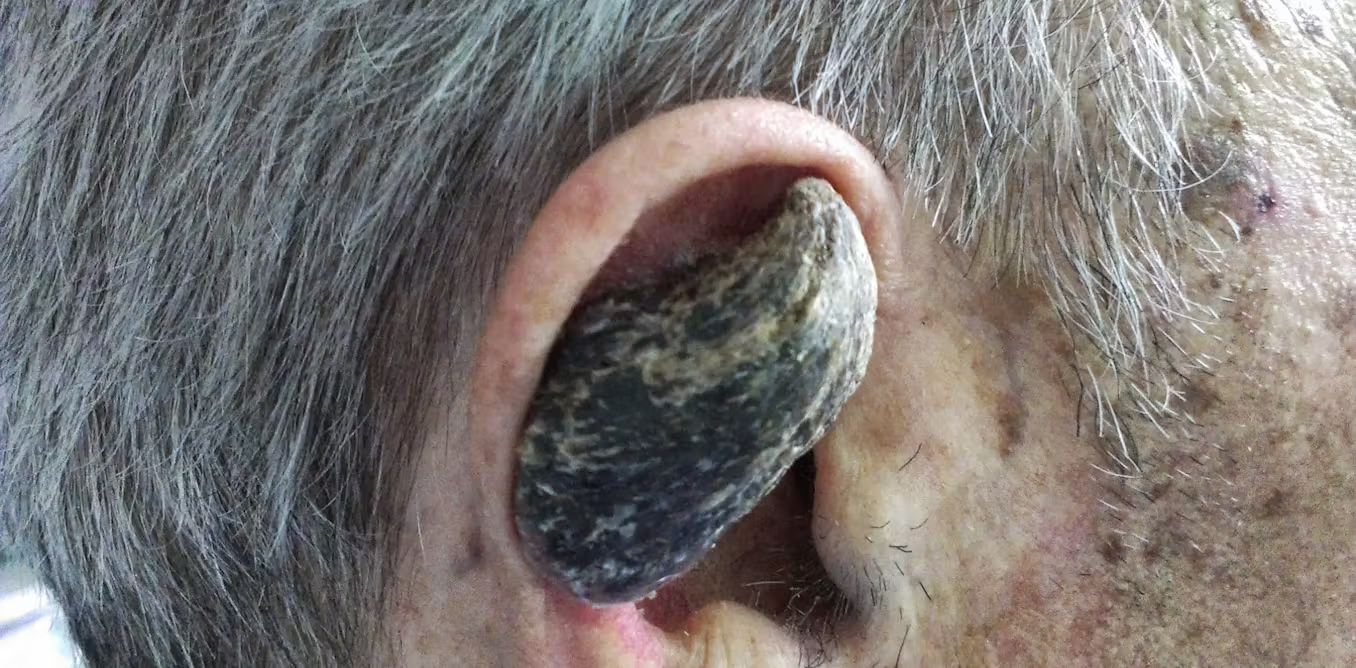
Humans can develop horn-like growths called cutaneous horns, which are keratin masses that often develop from skin lesions, some benign and others malignant, and are influenced by factors like sun exposure and age. These horns can grow to large sizes and require medical attention, with treatment typically involving surgical removal.
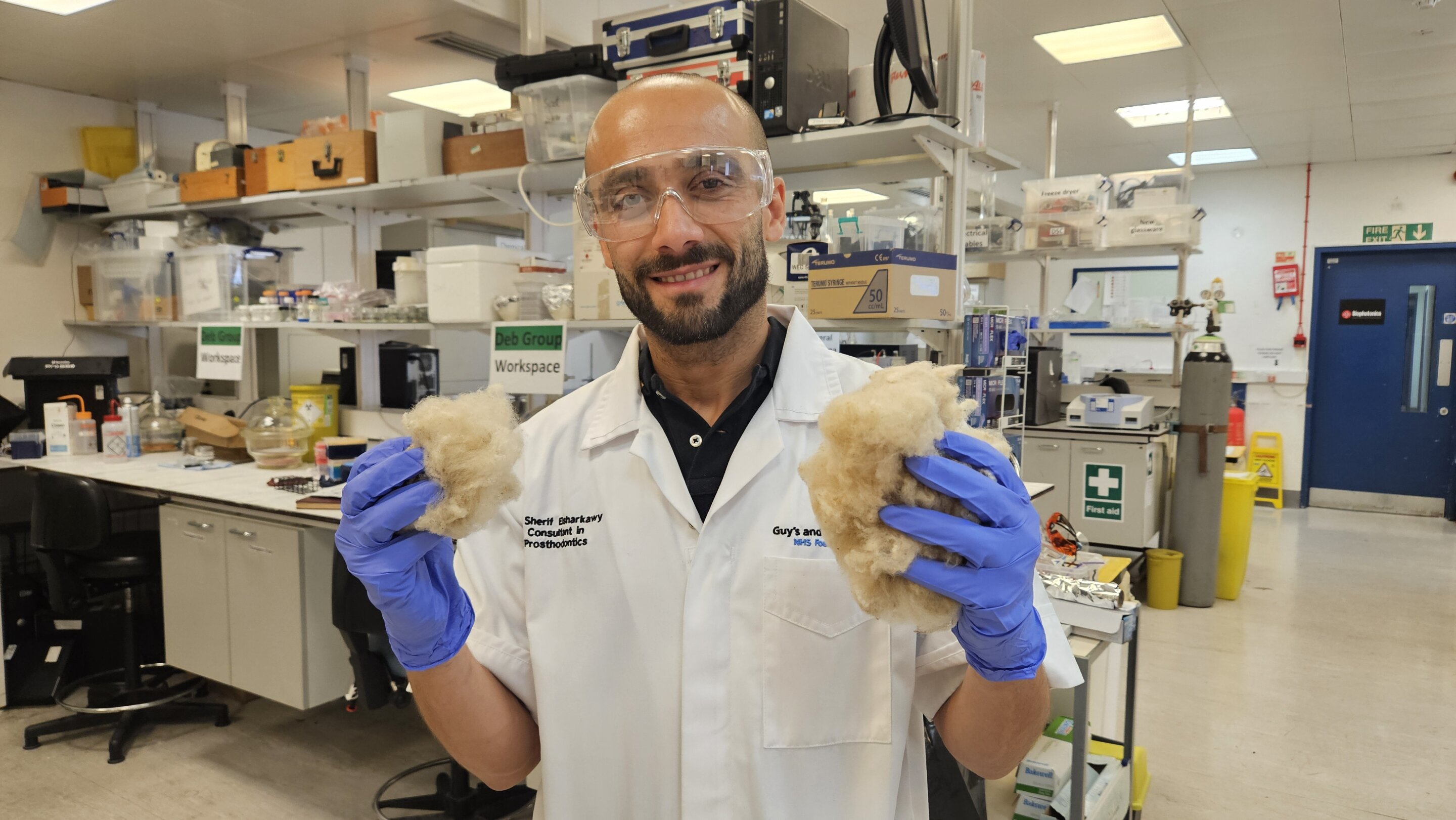
Researchers from King's College London have developed a keratin-based substance derived from sheep wool that can help regenerate tooth enamel, potentially leading to new toothpaste or gels that restore dental health and address widespread dental decay issues. This innovative approach could be available within a few years and promotes sustainable use of waste materials.
Scientists have discovered that keratin, a protein found in hair and skin, can be used to create a sustainable toothpaste that not only protects teeth but also repairs enamel better than fluoride, potentially revolutionizing dental care and reducing environmental impact. The keratin forms a protective, enamel-like coating on teeth, which could lead to new regenerative dental treatments, with products possibly available within two to three years.
Scientists at King's College London have developed a keratin-based treatment derived from hair that can form a protective enamel-like coating on teeth, potentially offering a sustainable and effective alternative to fluoride toothpaste for repairing and protecting enamel, with clinical applications expected within a few years.
Scientists from King's College London have developed a toothpaste made from keratin extracted from hair, which can repair and protect tooth enamel by forming a protective, enamel-like coating, potentially revolutionizing dental care with eco-friendly, biologically inspired materials within two years.
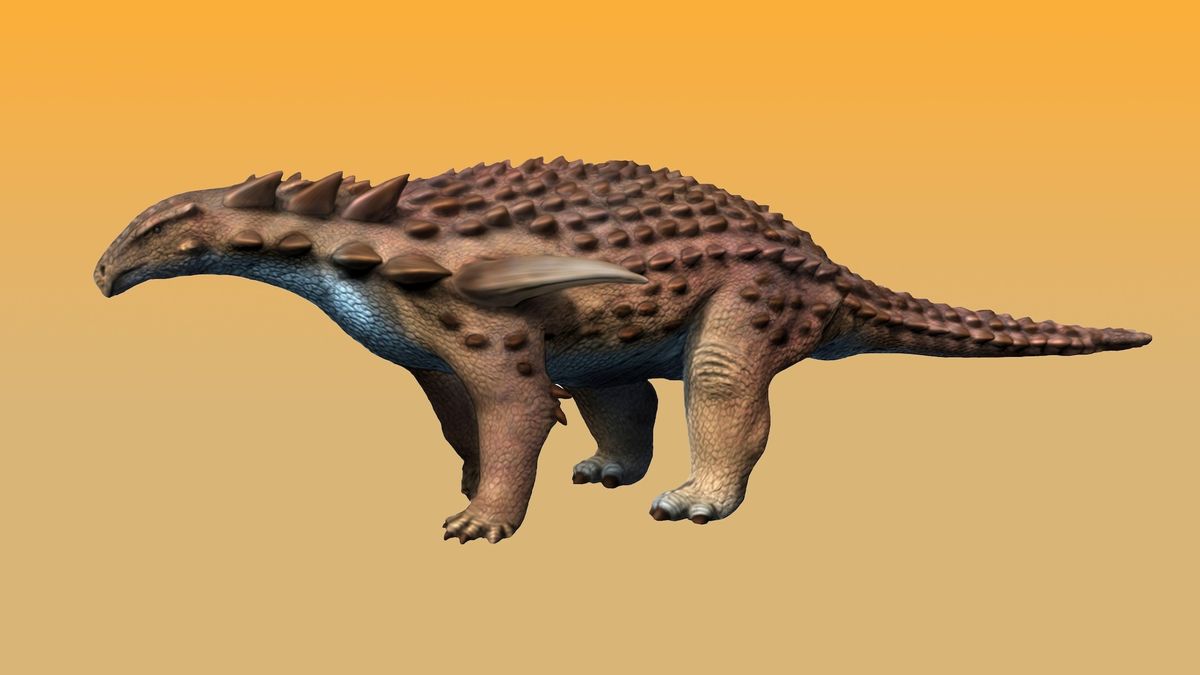
A well-preserved fossil of the nodosaur Borealopelta markmitchelli reveals that its armor, consisting of thick keratin sheaths over bony spikes, could withstand impacts similar to a high-speed car crash. This suggests the armor was not only for protection against predators but also possibly used in combat between males. The findings, presented by biomechanical paleontologist Michael Habib, indicate that other armored dinosaurs likely had similar keratin layers, offering new insights into dinosaur defense mechanisms.
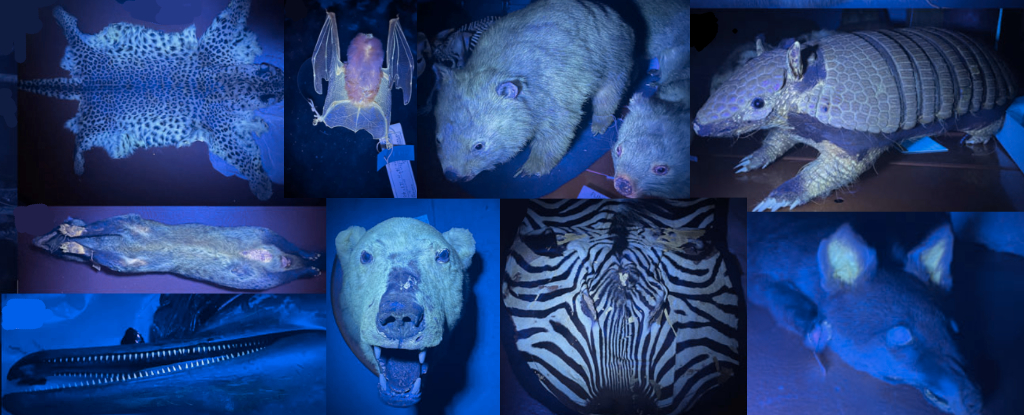
Scientists have discovered that fluorescence, the ability to emit light after absorbing ultraviolet light, is present in 125 species of mammals across various families and orders. This includes platypuses, wombats, foxes, polar bears, zebras, and more. The study suggests that fluorescence may be widespread in mammals, although its specific biological role remains unclear. The phenomenon could be a by-product of surface chemistry or have an evolutionary advantage, such as aiding visibility in low-light conditions for nocturnal species. The presence of fluorescence in pigmented fur suggests the involvement of chemicals other than keratin, which is known to cause fluorescence in unpigmented or pale-colored hair.
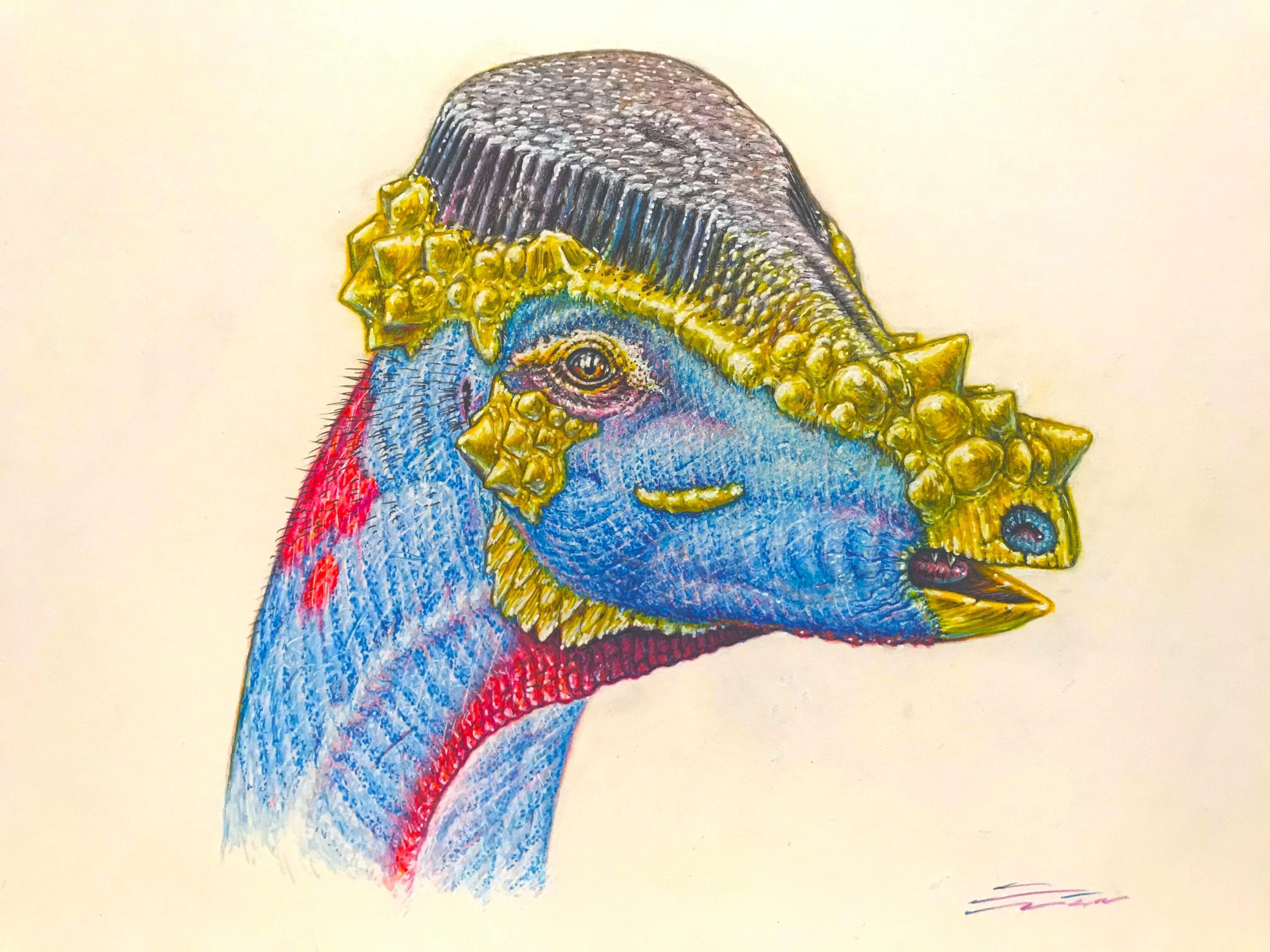
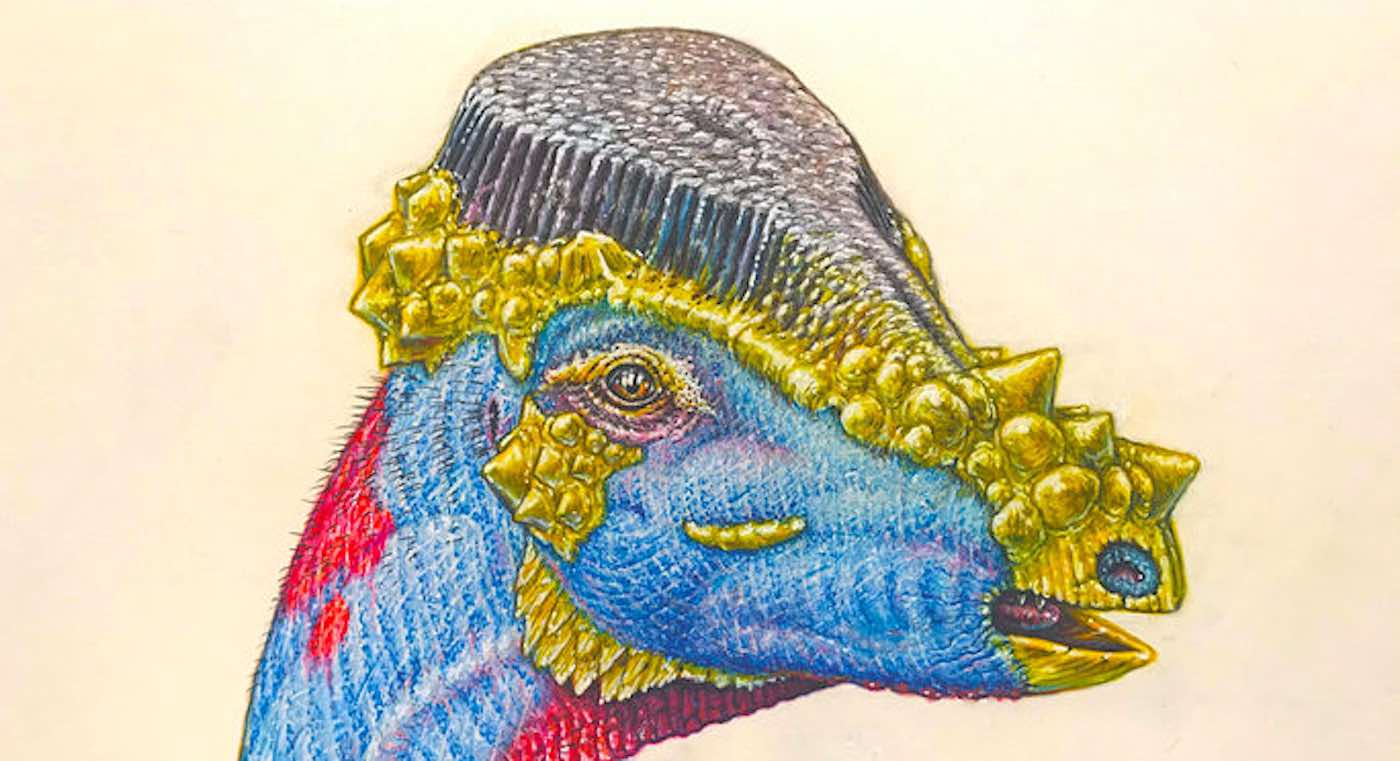
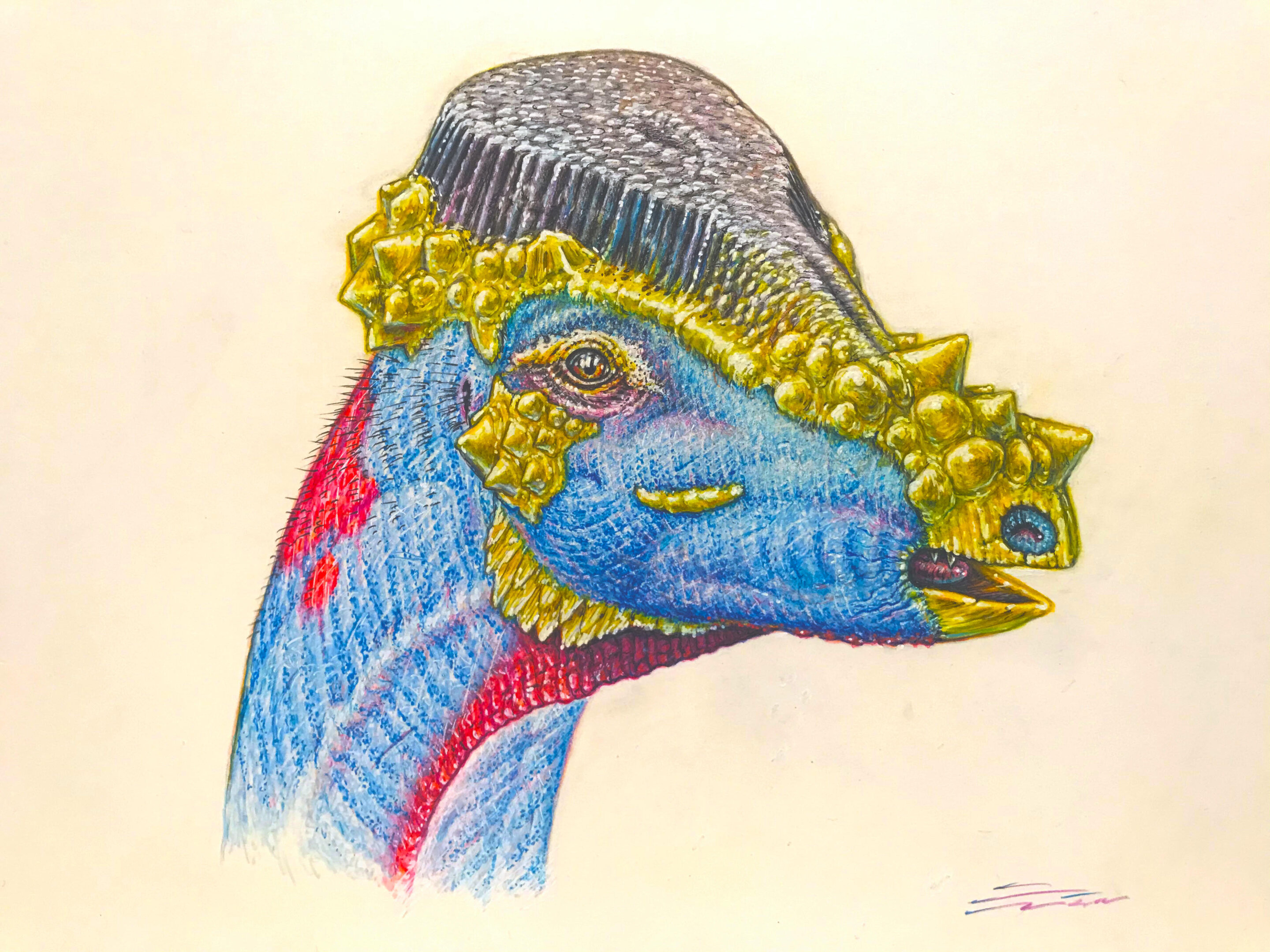
A new species of pachycephalosaur, Platytholus clemensi, dating from around 68 million years ago, has been described by paleontologists Mark Goodwin of UC Berkeley and John “Jack” Horner of Chapman University. The skull likely had sported bristles of keratin, reminiscent of a brush cut, which may have been used for display or social and biological interactions involving visual communication. The skull also had a nasty gouge at the apex that had healed, indicating that a serious accident once befell the creature, but that it had survived long enough for new bone tissue to grow into the gash.
A new species of pachycephalosaur, Platytholus clemensi, has been discovered in Montana's Hell Creek Formation. The dinosaur had a dome-shaped head with traces of keratin, giving it a "brush cut" appearance. The researchers believe that the keratin bristles were used for display and courting, rather than head-butting rituals. The discovery also revealed a head wound that had healed partially in life, but the cause remains unknown. The study suggests that the dinosaur likely distinguished gender by color, similar to modern birds.
A new dinosaur, Platytholus clemensi, has been discovered in Montana's Hell Creek Formation. The plant-eating dinosaur had rows of tough bristles like a toothbrush on its head, made of keratin, and grew up to 15 feet long. The researchers suggest that the bristles were used for display or social and biological interactions involving visual communication. The discovery of the bristles points to more of an elaborate headdress rather than a defence mechanism. The shape of the domed heads of pachycephalosaurs changed as the animals matured, becoming more prominent and elaborate as they approached adulthood, suggesting they were used for sexual display and courting.
A newly described species of pachycephalosaur, Platytholus clemensi, dating from around 68 million years ago, had a dome-shaped skull that was likely covered with bristles of keratin, according to paleontologists Mark Goodwin of UC Berkeley and John "Jack" Horner of Chapman University. The skull had a nasty gouge at the apex that had healed, indicating that a serious accident once befell the creature, but that it had survived long enough for new bone tissue to grow into the gash. The paleontologists classified the animal as a new genus and species, Platytholus clemensi.