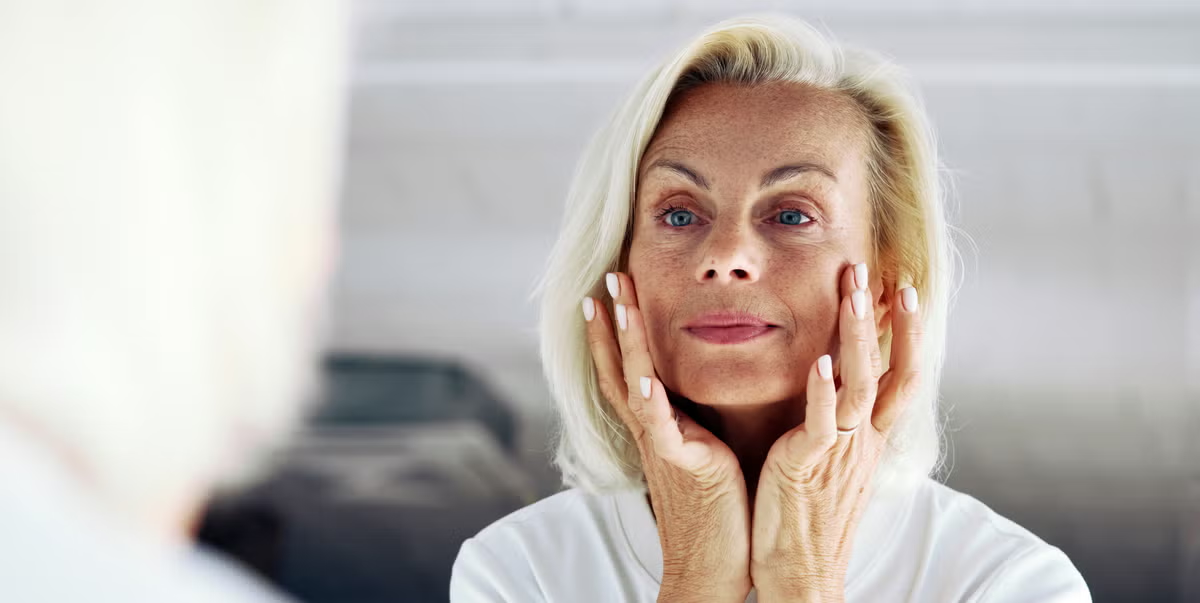
The article compares collagen and biotin, highlighting their benefits for skin, joints, hair, and nails. Collagen supports skin elasticity and joint health, especially as natural production declines with age, while biotin is essential for healthy hair and nails. Both can be obtained through diet or supplements, but consulting a healthcare provider is recommended before use. Collagen may be better for skin and joint concerns, whereas biotin may help with hair and nail issues, and sometimes both can be used together.

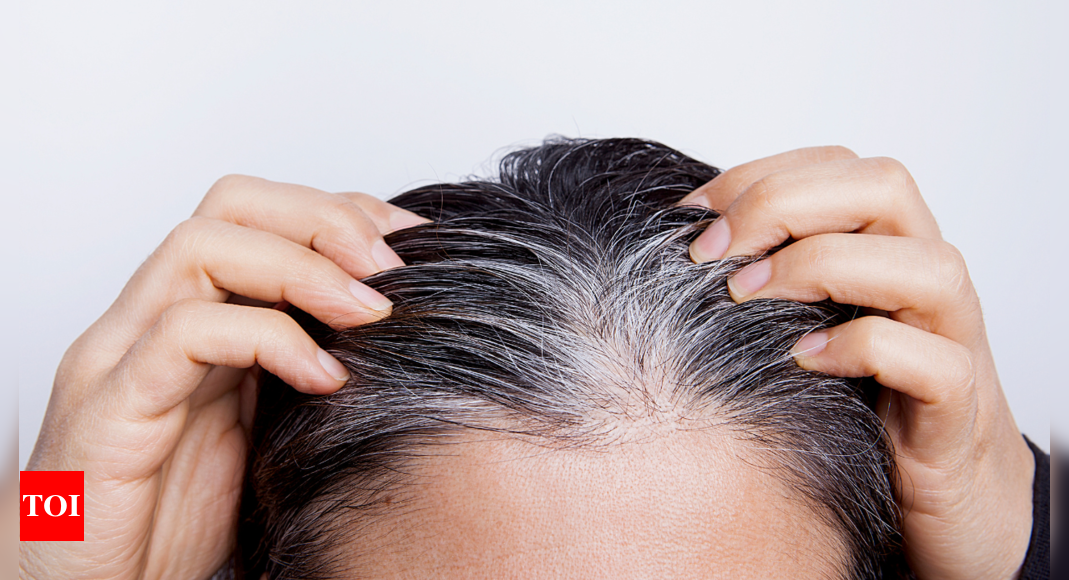
Certain nutrients like copper, iron, vitamin D, B12, and folate may help slow down or prevent premature graying of hair by supporting melanin production and hair follicle health, though dietary changes should be discussed with a healthcare professional.
Certain nutrients like copper, iron, vitamin D, B12, and folate may help slow premature gray hair by supporting melanin production, but overall health practices like reducing stress and getting enough sleep are also important.
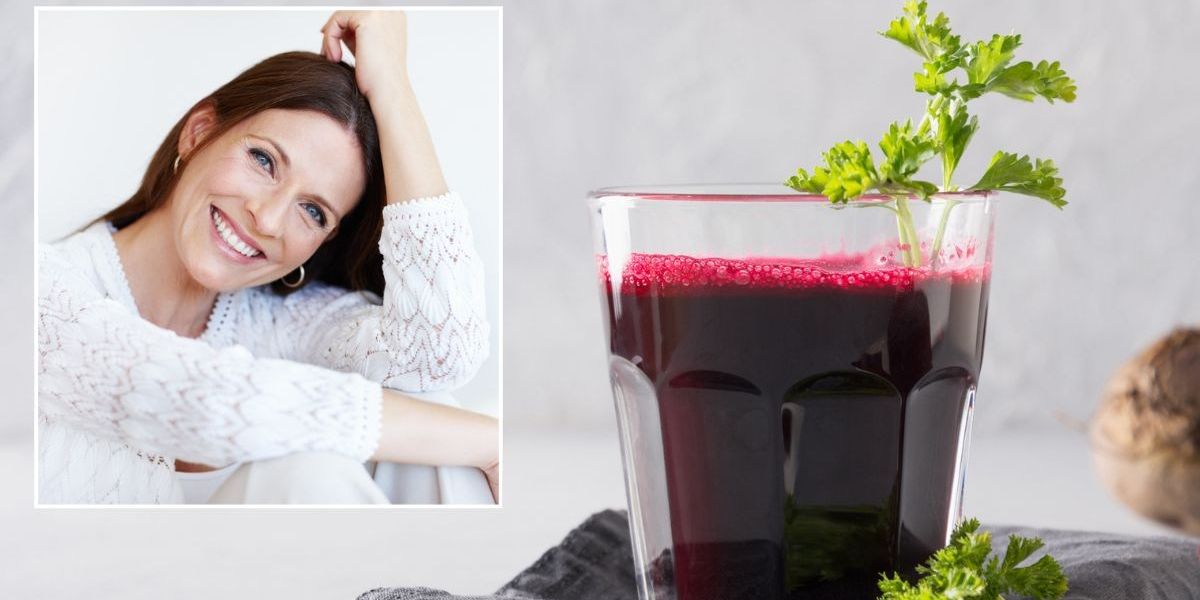
Hair expert Nicole Petty suggests that drinking beet juice can significantly improve hair health and prevent hair loss, especially in post-menopausal women, by enhancing blood flow and nutrient delivery to hair follicles. She advises avoiding high-sugar juices and recommends a balanced diet for optimal results.
Achieving thicker hair involves using specialized shampoos, scalp massages, maintaining a protein-rich diet, considering vitamin supplements, and making lifestyle adjustments. Additionally, adopting gentle hair care habits and using a silk pillowcase can prevent breakage and foster overall hair thickness. Medications and factors such as genetics and hormones can also affect hair texture, so consulting a healthcare provider for tailored solutions is recommended.
Dermatologists say that there is no evidence to suggest that "anti-gray" hair supplements effectively prevent or reverse gray hair. Gray hair is a natural part of aging influenced by various factors such as genetics, stress, and health conditions. While supplements may support overall hair health, they cannot stop or reverse gray hair growth. Treating underlying health conditions that contribute to gray hair, such as chronic stress or vitamin deficiencies, may help with re-pigmentation. However, more research is needed to fully understand the causes and effective prevention of gray hair.
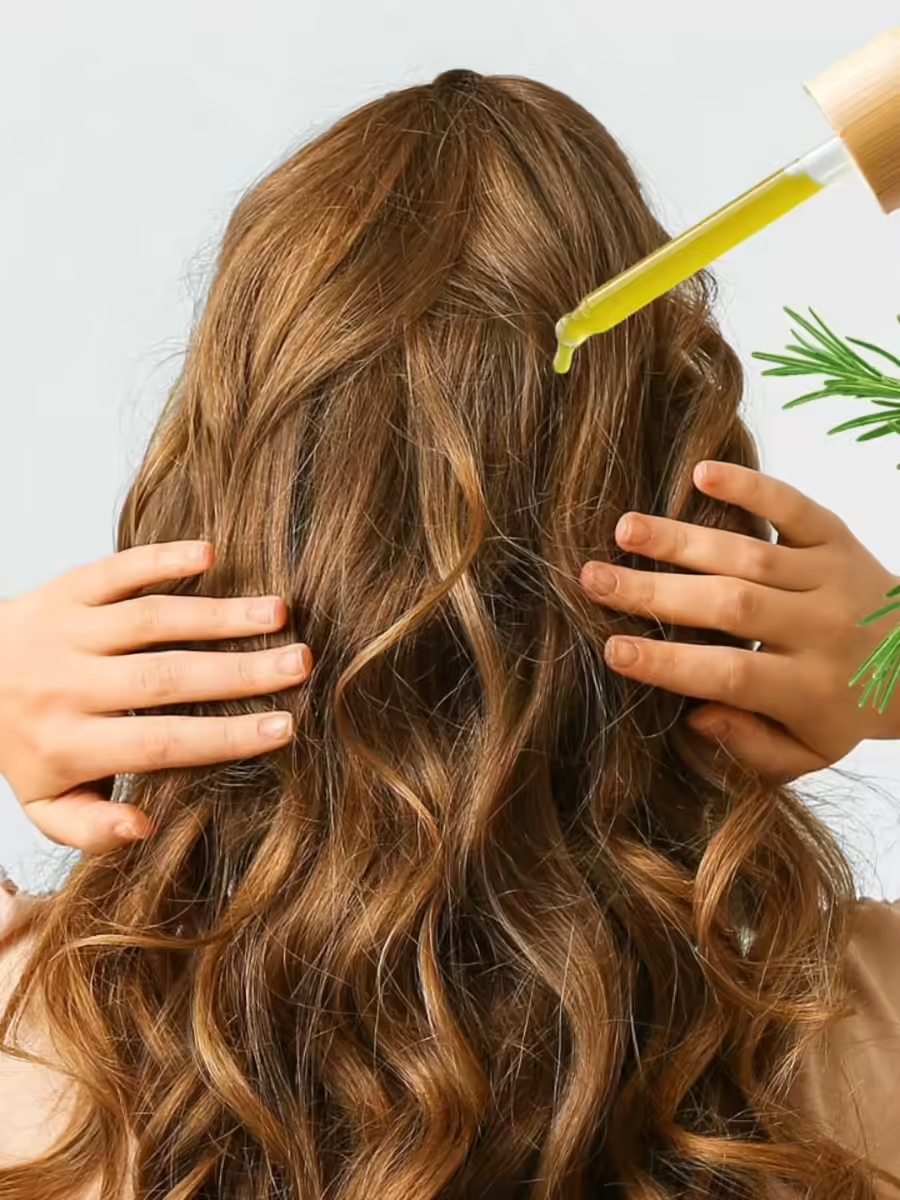
Rosemary can be used in various ways to promote healthy hair. From using rosemary oil as a hair potion to incorporating it into shampoos, hair masks, and tonics, this versatile herb can stimulate hair growth, prevent hair loss, and improve scalp health. Rosemary tea rinses and consumption of rosemary tea can also contribute to smoother and shinier hair. Additionally, rosemary offers benefits for brain health and memory retention.
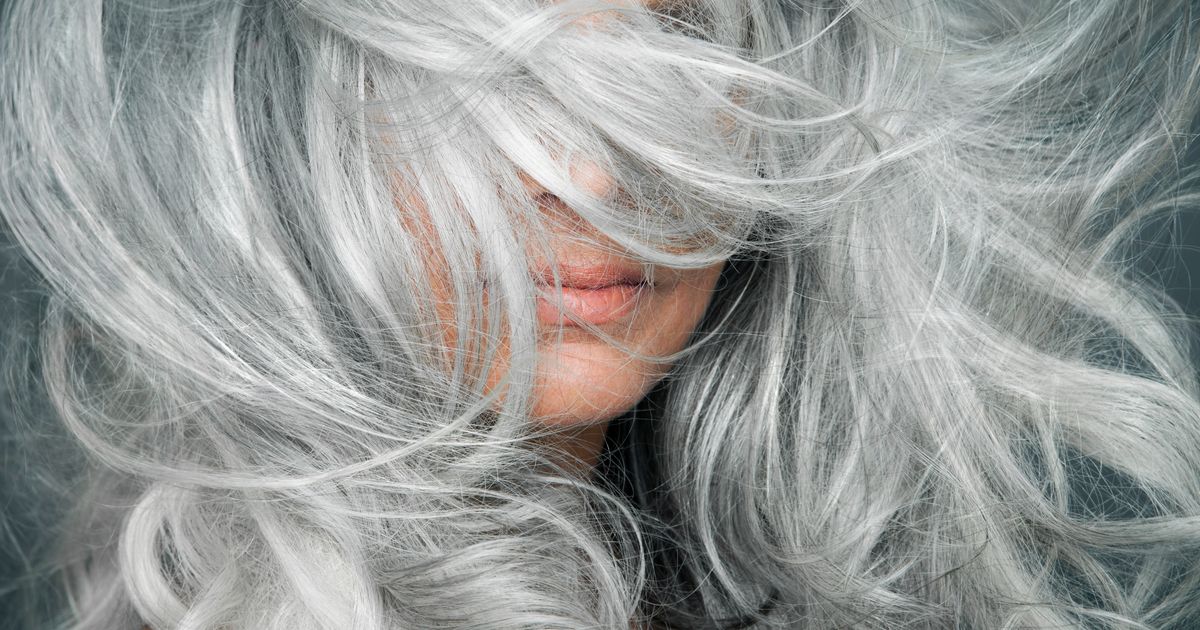
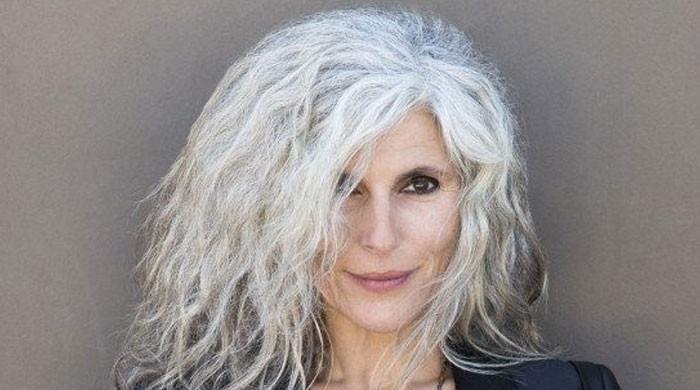
Pulling out gray or white hair does not cause more gray hair to grow, but it can damage the hair follicles and potentially lead to hair loss. The appearance of gray hair is influenced by genetics, age, and diet, with deficiencies in vitamins B12, D3, and calcium potentially contributing to premature graying. Taking supplements may help prevent new hair from turning gray, but it won't reverse existing damage. Plucking out hair can also result in ingrown hairs and follicle damage, especially in older individuals. While there are supplements claiming to prevent or reverse gray hair, there is no scientific evidence supporting their effectiveness. Ultimately, individuals can choose to embrace their gray hair or use hair dye.
The process of hair turning grey is linked to the pigment melanin, with stress being a potential factor in premature greying. Vitamin deficiencies and medical conditions can also accelerate greying. While hair dyeing is a temporary solution, maintaining a healthy lifestyle, including avoiding smoking and managing stress, is recommended. However, the efficacy of products claiming to slow greying remains uncertain, as does the impact of natural therapies.
Premature greying of hair can be influenced by various lifestyle factors, including chronic stress, nutritional deficiencies, smoking, excessive alcohol consumption, poor sleep patterns, exposure to environmental toxins, and lack of physical activity. While genetics also play a role, making healthy lifestyle choices and addressing any deficiencies can help maintain hair pigmentation. Consulting a healthcare professional is advisable for personalized advice and treatment options.
Arey, a company specializing in gray hair-reversing products, focuses on addressing the causes of gray hair, such as vitamin and mineral deficiencies, lifestyle factors, and oxidative stress. Their daily supplement, Not Today, Grey, provides essential nutrients and antioxidants to support hair health from the inside out. Their topical treatments, including To The Root Serum and Wash shampoo, contain a patent-pending Mela-9 Complex that supports hair health from the outside in by supplying amino acids that promote melanin production. While repigmentation of white hair is less likely, it is possible to repigment gray hair strands by addressing the body's deficiencies in the early stages of graying hair.
Sugary and carbonated drinks like soda can contribute to hair thinning and fragility due to their high sugar and caffeine content. These beverages can cause inflammation, hormonal imbalances, dehydration, and nutrient deficiencies, all of which can worsen hair thinning. Instead, experts recommend staying hydrated with water, consuming herbal teas rich in antioxidants, and incorporating nutrient-rich foods like protein, essential fatty acids, and vitamins and minerals into the diet to promote healthier hair.
Exercise can have a positive impact on hair health by improving blood flow to the scalp and reducing stress levels. Aerobic activities like cycling, running, walking, and swimming can increase red blood cell production and improve blood circulation, while reducing cortisol levels. However, intense physical activity and strenuous strength training can disrupt the natural hair growth cycle and damage hair follicles. It is important to shower after a workout to wash away sweat and salt, using cool water to avoid stripping the scalp of essential oils. Regular exercise, stress reduction, and a healthy diet can help reduce hair loss and improve overall health.