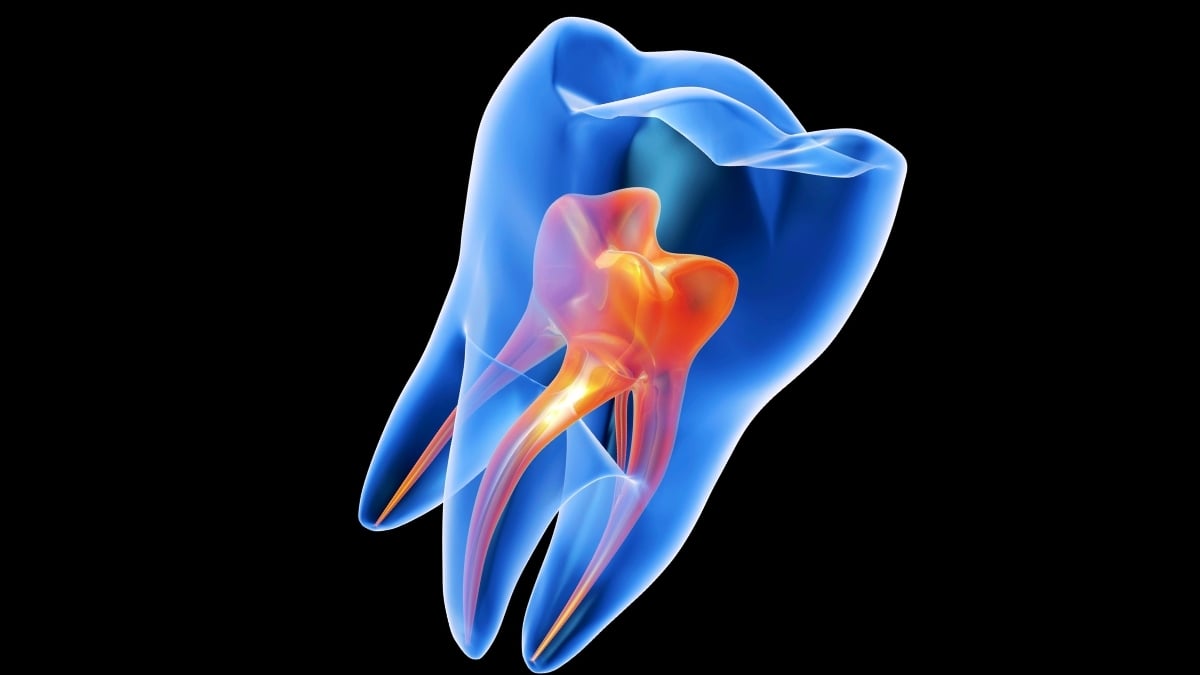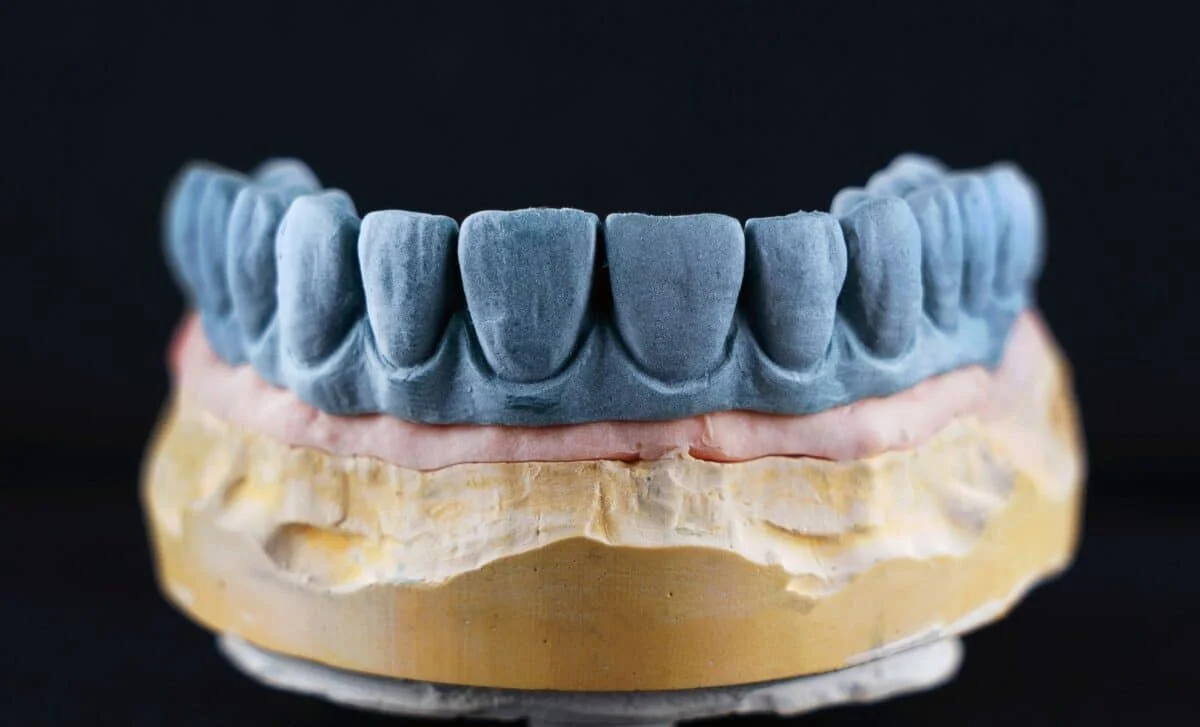
Researchers at the University of Nottingham have developed a protein-based gel that can potentially regrow tooth enamel by encouraging mineral growth, showing promising results in lab tests on extracted human teeth, with plans for clinical trials soon, offering a revolutionary approach to dental care.
Scientists at the University of Nottingham have developed a protein-based gel that can restore and strengthen tooth enamel by mimicking natural growth processes, potentially revolutionizing dental care and addressing enamel loss and sensitivity.
Researchers at the University of Nottingham have developed a gel that can repair and regrow tooth enamel, mimicking natural enamel formation and potentially simplifying dental treatments. The gel promotes organized crystal growth on damaged teeth, restoring strength and structure, and could lead to easier, more effective dental care in the future. However, further testing in humans is needed to ensure safety.
Scientists at the University of Nottingham have developed a protein-based gel that can help repair and regenerate tooth enamel, potentially transforming dental treatments and addressing widespread enamel degradation issues. The gel mimics natural enamel development and could be available for clinical use soon.
Dental experts suggest that quality brushing once a day may be more effective than quick twice-daily brushing, emphasize brushing before breakfast to protect enamel, advise against rinsing after brushing to retain fluoride, and highlight that affordable toothpaste with fluoride is sufficient for good oral health.
Teeth and bones are both hard, mineral-rich tissues, but they differ significantly in function, structure, and living tissue status. Teeth are primarily for digestion and speech, made of enamel, dentin, and pulp, and are non-living tissue once formed. Bones support the body, protect organs, and are living tissues that constantly remodel through blood vessels and cells, which teeth do not have. These differences explain why teeth are not classified as bones.
Charcoal toothpaste may temporarily whiten teeth and remove surface stains, but its abrasive nature can damage enamel over time and offers limited long-term benefits. Dentists recommend caution, emphasizing professional whitening and safe practices over trendy charcoal products for lasting dental health.
Sleep bruxism, or teeth grinding during sleep, affects about 8% of adults and can cause dental damage, jaw pain, and sleep disruption. It is often linked to stress, medical conditions, and genetics. Detection includes observing tooth wear and symptoms like jaw pain, with diagnosis confirmed through sleep studies. Treatment options range from dental guards and stress reduction techniques to Botox injections for severe cases.
Hope Lancaster Colquhoun lost nine stone using Mounjaro, but experienced severe dental side effects, including tooth loss, which are increasingly reported among users of GLP-1 drugs. Experts link these issues to acid reflux, dry mouth, and nutritional deficiencies caused by rapid weight loss and medication effects, raising concerns about the safety of these weight loss treatments.
Researchers from King's College London have developed a keratin-based substance derived from sheep wool that can help regenerate tooth enamel, potentially leading to new toothpaste or gels that restore dental health and address widespread dental decay issues. This innovative approach could be available within a few years and promotes sustainable use of waste materials.
The article highlights common yet often overlooked habits that can harm dental health, such as drinking sparkling water, chewing ice, snacking frequently, and improper brushing timing. Dentists advise staying hydrated with water, limiting acidic drinks, waiting before brushing after meals, and avoiding habits like nail-biting and mouth breathing to protect teeth from damage like enamel erosion and sensitivity.
As you age, teeth naturally yellow due to enamel thinning and dentin exposure, but habits like excessive mouthwash use, consuming acidic foods and drinks, frequent coffee sipping, smoking, poor dental care, and aggressive brushing can accelerate discoloration and enamel loss. Making mindful changes, such as reducing acidic intake, quitting smoking, brushing gently, and following dental advice, can help maintain brighter, healthier teeth.
Scientists at King’s College London have successfully grown a tooth in the lab using a biomaterial scaffold that mimics natural tooth development, opening the possibility for fully biological tooth regeneration that could replace traditional dentures and implants in the future.
Research suggests that the increase in crooked teeth among modern humans may be linked to dietary changes from tough, raw foods to softer, processed foods, leading to smaller jaws and less space for teeth, although genetics and societal factors also play roles.