Tag

Evolutionary Advantage

All articles tagged with #evolutionary advantage

"ADHD Traits as Evolutionary Foraging Advantage, Study Finds"

Originally Published 1 year ago — by Newser

Featured image for "ADHD Traits as Evolutionary Foraging Advantage, Study Finds"
Source: Newser

A new study suggests that traits associated with ADHD, such as impulsiveness and hyperactivity, may have provided an evolutionary advantage in foraging for food. Researchers found that individuals with ADHD-like traits were more likely to explore different food sources, ultimately collecting more berries in a simulated foraging game. This supports the "evolutionary mismatch" theory, indicating that these traits were advantageous in the past and may persist due to their benefits in certain environments.


"Avian Intelligence: Birds Match Primates in Cognitive Test"

Originally Published 1 year ago — by ScienceAlert

Featured image for "Avian Intelligence: Birds Match Primates in Cognitive Test"
Source: ScienceAlert

A new study confirms that Oriental pied hornbills possess advanced object permanence skills, similar to those of primates, allowing them to understand that objects and animals still exist even when out of sight. Researchers tested six hornbills and found that all were able to demonstrate an understanding of visible displacement, with three birds even succeeding in understanding invisible displacement. This suggests that hornbills may possess highly intelligent cognitive abilities comparable to those of parrots and corvids, indicating the need for further research into their cognitive capabilities.

The Neanderthal Connection: Morning People Inherited Faster Body Clocks

Originally Published 2 years ago — by IFLScience

Featured image for The Neanderthal Connection: Morning People Inherited Faster Body Clocks
Source: IFLScience

A new study suggests that being a morning person may be linked to Neanderthal ancestry. Researchers analyzed Neanderthal DNA in modern human genomes and found that certain genetic variants associated with circadian genes were more prevalent in individuals who tend to be morning people. This adaptation likely provided an evolutionary advantage for early humans living in regions with shorter winter days and scarce food resources. While being a morning person is not solely determined by Neanderthal genes, further research will explore the effects of these genetic variants on other adaptive traits.

The Surprising Glow of Fluorescent Cats and Other Mammals

Originally Published 2 years ago — by ZME Science

Featured image for The Surprising Glow of Fluorescent Cats and Other Mammals
Source: ZME Science

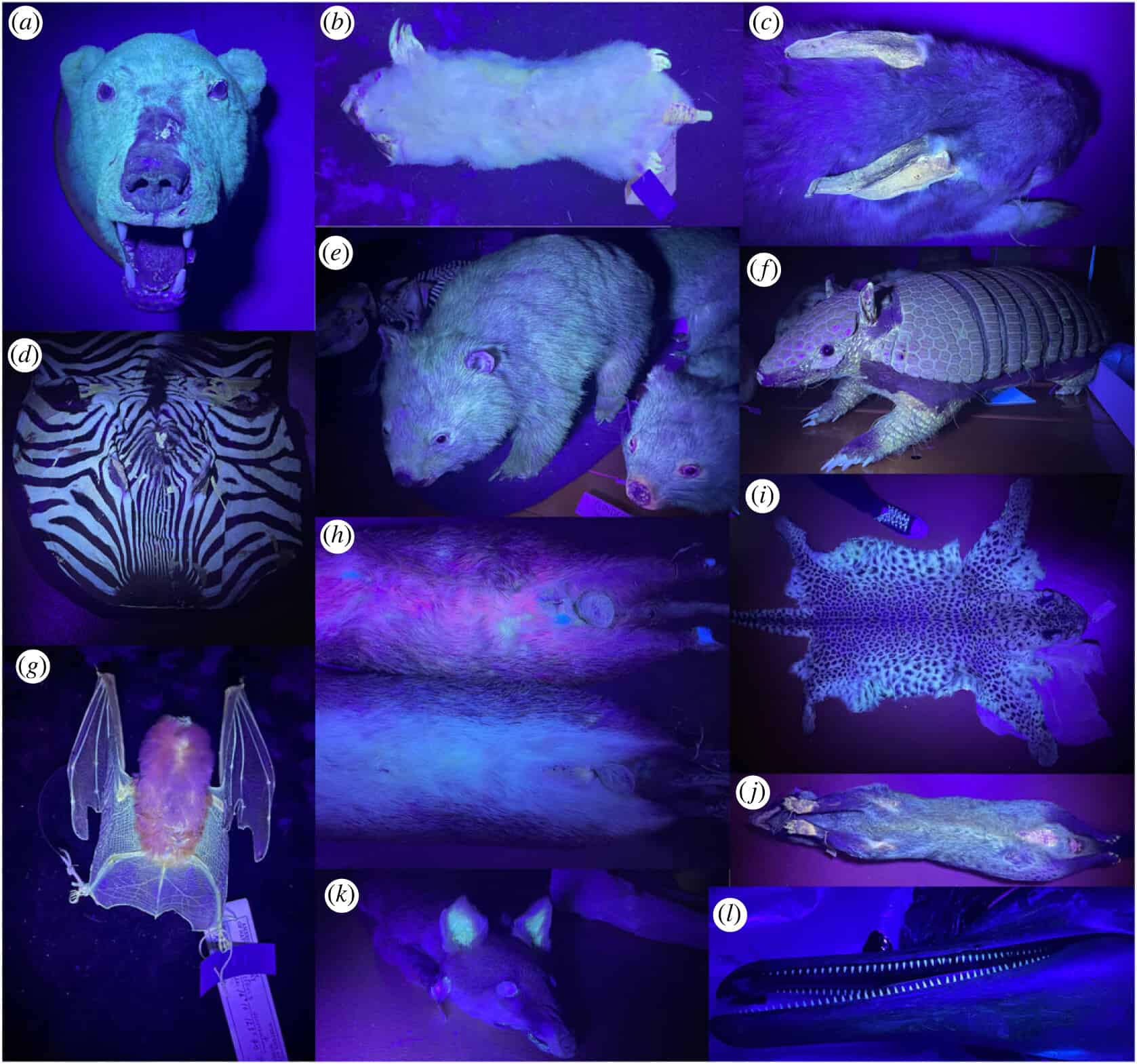
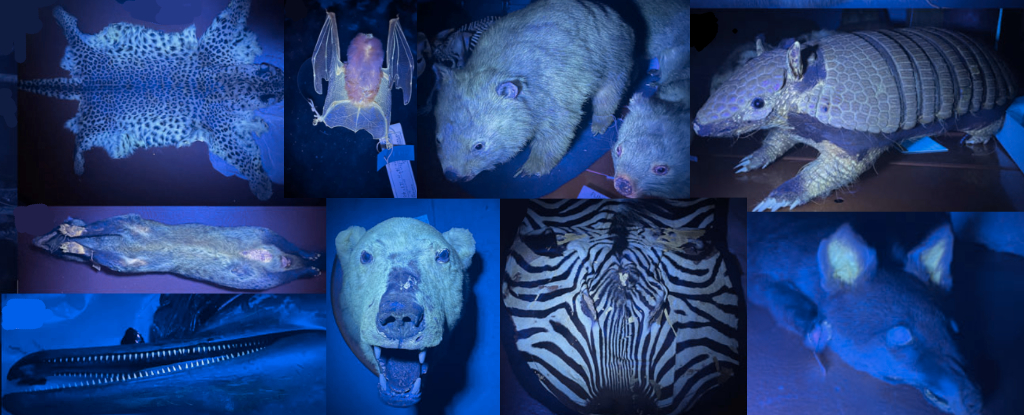
A study conducted by researchers from Curtin University and the Western Australian Museum has revealed that fluorescence, the ability to emit visible light under ultraviolet (UV) light, is much more common in mammals than previously thought. The researchers studied 125 species, finding that all of them exhibited some form of fluorescence, with areas such as fur, claws, teeth, and skin glowing under UV light. The study also found that white and light-colored fur was more likely to be fluorescent, while dark pigmentation prevented fluorescence. The discovery raises questions about the ecological impacts and evolutionary advantages of fluorescence in mammals, providing new avenues for future research.

Unveiling the World of Glowing Mammals: New Study Discovers Over 125 Fluorescent Species

Originally Published 2 years ago — by ScienceAlert

Featured image for Unveiling the World of Glowing Mammals: New Study Discovers Over 125 Fluorescent Species
Source: ScienceAlert

Scientists have discovered that fluorescence, the ability to emit light after absorbing ultraviolet light, is present in 125 species of mammals across various families and orders. This includes platypuses, wombats, foxes, polar bears, zebras, and more. The study suggests that fluorescence may be widespread in mammals, although its specific biological role remains unclear. The phenomenon could be a by-product of surface chemistry or have an evolutionary advantage, such as aiding visibility in low-light conditions for nocturnal species. The presence of fluorescence in pigmented fur suggests the involvement of chemicals other than keratin, which is known to cause fluorescence in unpigmented or pale-colored hair.

Orca Mothers: Post-Menopausal Protectors of Their Sons

Originally Published 2 years ago — by The Guardian

Featured image for Orca Mothers: Post-Menopausal Protectors of Their Sons
Source: The Guardian

A study has found that post-menopausal killer whale mothers protect their sons from aggressive encounters with other whales, resulting in fewer tooth-rake marks on their skin. This protective effect was not observed for daughters. The research sheds light on the potential evolutionary advantages of menopause in killer whales, highlighting how experienced female mothers help their sons navigate social relationships. The findings were based on an analysis of nearly 7,000 photographs of southern resident killer whales, showing that males with post-menopausal mothers present had fewer signs of aggressive encounters. The study suggests that mothers may use their knowledge and experience to help their sons avoid conflicts or directly involve themselves in conflicts.

Left-Side Bias: Brain Prefers Positive Sounds from Left Hemisphere

Originally Published 2 years ago — by Neuroscience News

Featured image for Left-Side Bias: Brain Prefers Positive Sounds from Left Hemisphere
Source: Neuroscience News

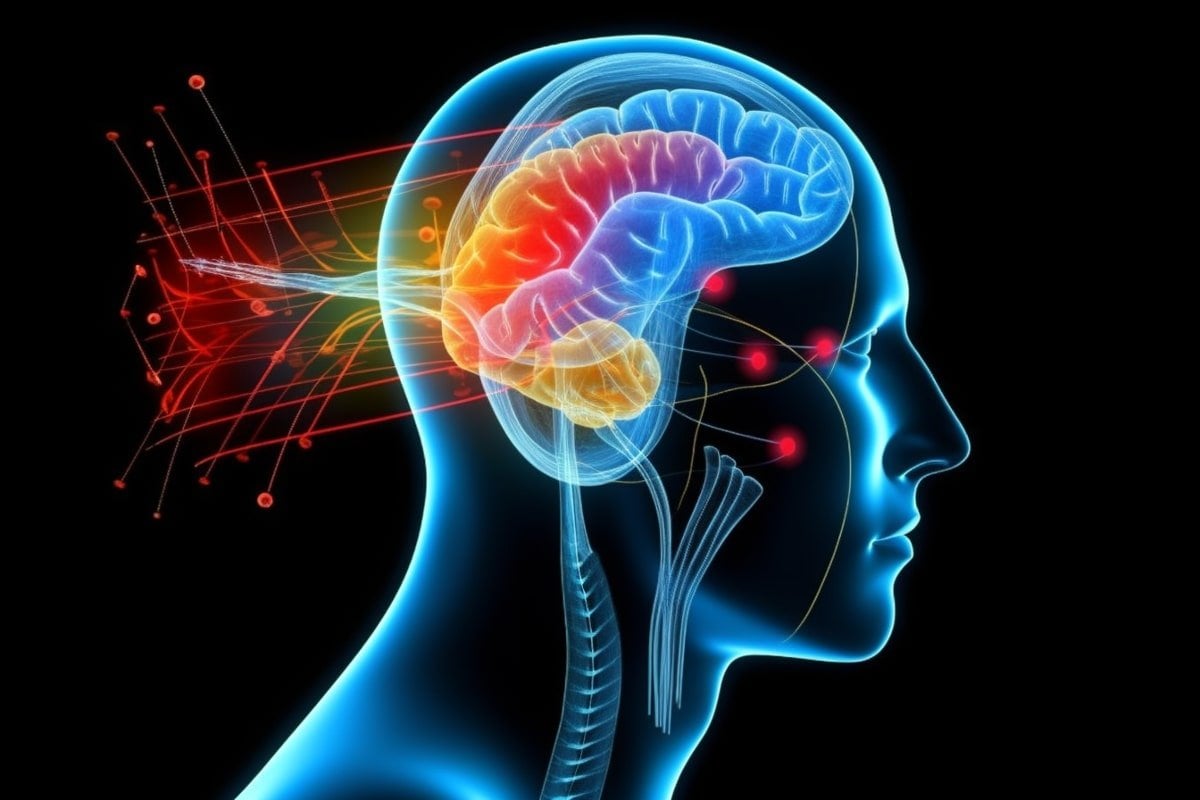
Positive human vocalizations, like laughter, coming from the listener’s left side trigger stronger activity in the brain’s auditory cortex. Researchers used functional magnetic resonance imaging (fMRI) to monitor the brain’s response to different types of sounds from varying directions in right-handed participants. They observed the highest activation in the primary auditory cortex when participants listened to positive vocalizations coming from the left, compared to front or right. This finding may imply that the nature, emotional valence, and spatial origin of a sound are initially processed in the primary auditory cortex.