Tag

Insulin Production

All articles tagged with #insulin production

health7 months ago

Hidden Source of Insulin Beyond the Pancreas

Scientists have discovered that the brain, in addition to the pancreas, can produce insulin, with at least six different types of insulin-producing cells identified in the brain. This local insulin may play roles in cognitive function, growth regulation, and appetite suppression, and could be significant in understanding and treating conditions like Alzheimer's disease. However, much remains unknown about the functions and origins of brain insulin, and further research is needed.

health-and-science7 months ago

Insulin Production Occurs Beyond the Pancreas

Recent research reveals that the brain produces insulin in multiple regions and cell types, challenging the long-held belief that insulin in the brain solely originates from the pancreas. Brain insulin may play roles in regulating growth, appetite, and possibly protecting against age-related cognitive decline, but its functions and implications are still being studied. This discovery could lead to updates in educational content and new approaches to neurological diseases like Alzheimer's.

health-science1 year ago

"Genetically Engineered Cow Produces Human Insulin-Enriched Milk to Address Insulin Crisis"

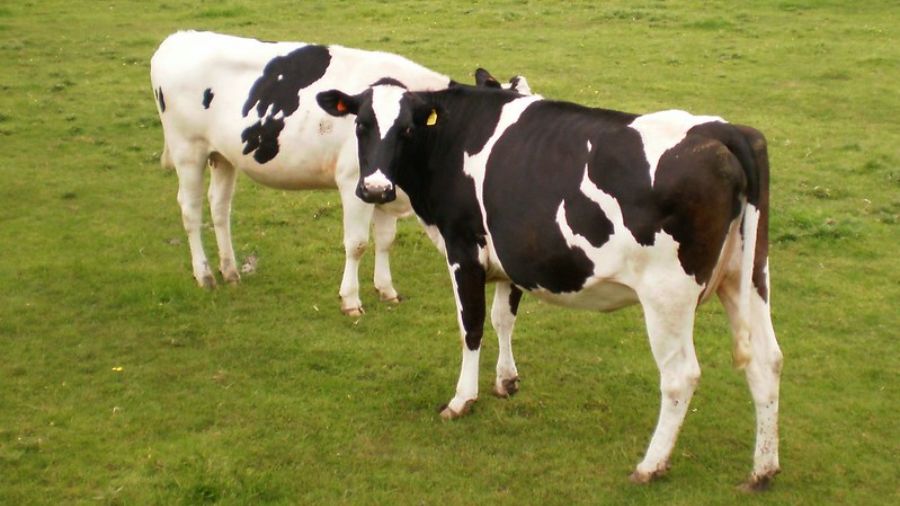
University of Illinois Professor Matt Wheeler and his team have genetically modified a Jersey cow in Brazil to produce human insulin in its milk, potentially revolutionizing insulin production. The cow underwent induced lactation to produce the insulin, and the team was surprised to find that the cow's body enzymatically processed the proinsulin into active insulin, eliminating the need for further processing. The goal is to create a small farm of Holstein cows that produce human insulin in milk to address the rising cost of insulin. The ultimate hope is to provide a more convenient and natural way for diabetic patients, especially children, to receive insulin, potentially through consuming milk, yogurt, or ice cream.

science-and-technology1 year ago

"Transgenic Cow Produces High Levels of Human Insulin in Milk"

Scientists have successfully engineered a genetically modified cow that produces proteins necessary for human insulin in its milk, potentially offering a new solution to the world's insulin supply issues. The research team inserted human DNA coding for proinsulin into cow embryos, leading to the birth of a transgenic calf. The cow was induced to lactate, and analysis of its milk revealed the presence of human proinsulin and insulin proteins. The study suggests that a herd of these genetically modified cows could potentially produce a significant amount of insulin, offering a promising alternative to current production methods.

science-and-technology1 year ago

"Genetically Modified Cow Produces High-Insulin Human Milk"

Scientists have successfully gene-edited a cow to produce human insulin in its milk, offering a potential breakthrough in insulin production. The cow, born in Brazil, unexpectedly produced both proinsulin and insulin in her milk, with significant quantities that could potentially meet global demand. The team is planning to further refine the process and scale up production, envisioning a future where specialized dairy cattle could outcompete other insulin production methods.

science-and-technology1 year ago

"Transgenic Cow Produces High Levels of Human Insulin in Milk"

Scientists have successfully created a gene-edited cow that produces human insulin in its milk, offering a potential solution to the global insulin shortage. The cow, born in Brazil, unexpectedly produced both proinsulin and insulin in her milk, with the equivalent of a gram per liter. The team aims to scale up production by having the cow go through full lactation cycles and potentially creating an insulin-expressing herd. This breakthrough could revolutionize insulin production, potentially outcompeting other methods and providing a sustainable supply for the world's needs.

health-science1 year ago

"Breakthrough: Genetically Modified Cow Produces 10x More Human Insulin in Milk"

Researchers have successfully engineered a cow to produce milk containing human insulin, potentially revolutionizing insulin production and accessibility for diabetics worldwide. By inserting human DNA coding for insulin into cow embryos, the genetically modified cow can produce large quantities of human insulin in its milk. This breakthrough could significantly reduce insulin production costs and improve availability, although challenges such as scaling up production and regulatory approvals remain.

health2 years ago

Arthritis Drug Shows Promise in Slowing Type 1 Diabetes Progression

A world-first human trial conducted by researchers at St Vincent's Institute of Medical Research in Melbourne has found that the rheumatoid arthritis drug baricitinib can effectively suppress the progression of type 1 diabetes. The trial showed that baricitinib, when initiated within 100 days of diagnosis, can preserve insulin production and reduce the need for insulin treatment. This breakthrough research offers hope for a disease-modifying treatment for type 1 diabetes and could potentially revolutionize its management.

health2 years ago

"The Powerful Effects of Barley Water on Diabetes Management"

Barley water offers several benefits for diabetes patients, including regulating blood glucose levels, improving insulin production and sensitivity, supporting digestive health, and lowering cholesterol. Its soluble fiber content helps prevent sudden spikes or drops in glucose levels, while bioactive compounds in barley enhance insulin response. Additionally, barley water has been effective in managing stomach-related issues and reducing LDL cholesterol levels.

health2 years ago

Revolutionary Implantable Device: A Needle-Free Solution for Diabetes Control

Engineers at MIT have developed an implantable device that could help people with type 1 diabetes monitor their glucose levels and potentially produce insulin when needed. The device, which has been tested on mice, contains oxygen-producing islet cells and kept glucose levels stable for at least one month. Although concerns about diabetic ketoacidosis and fibrosis remain, researchers hope to create a larger version of the device for human testing within the next four years. If successful, this technology could revolutionize diabetes treatment and potentially be adapted for other illnesses requiring therapeutic protein delivery.