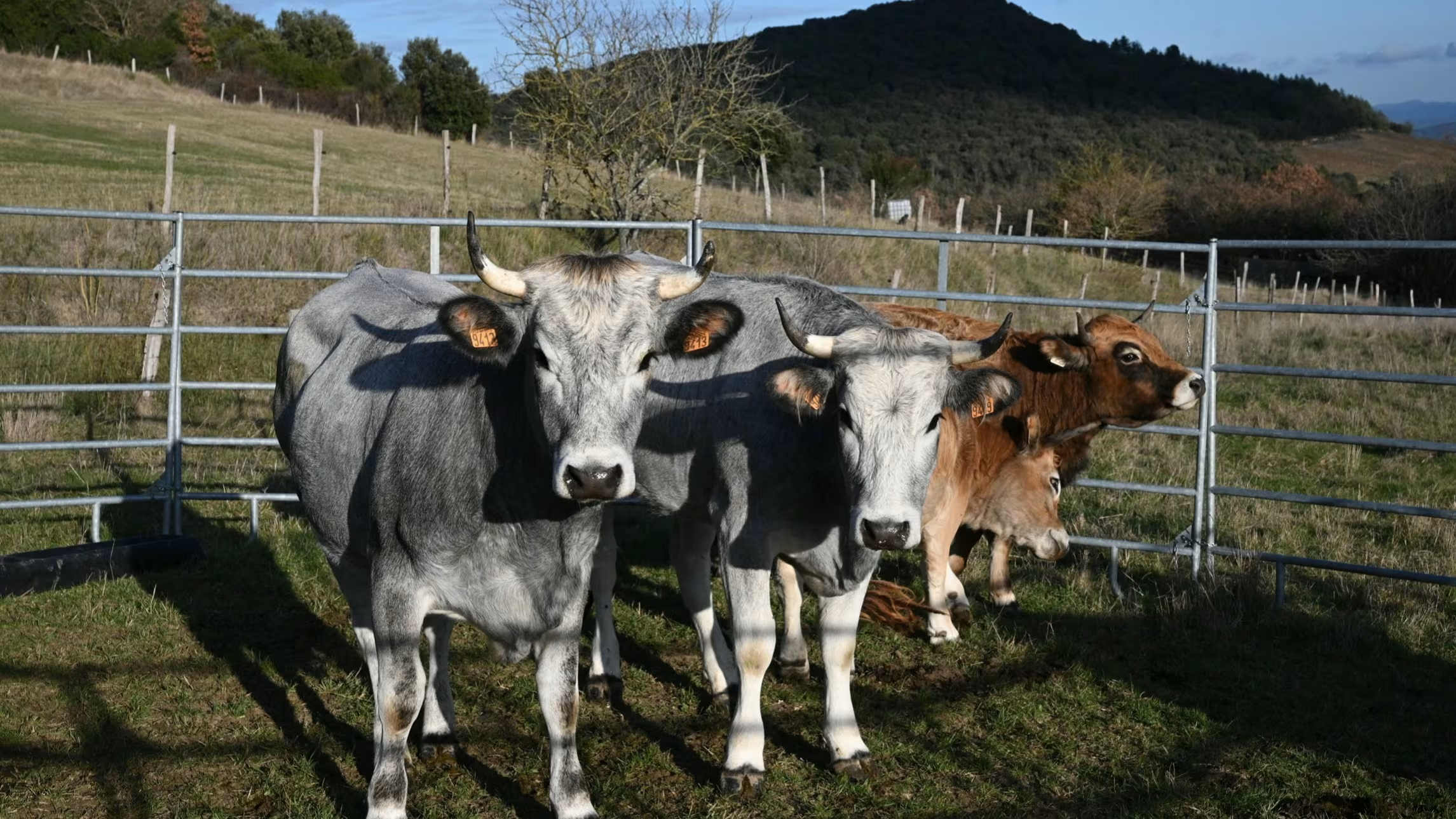
China imposes up to 42.7% tariffs on EU dairy products
China has imposed tariffs of up to 42.7% on EU dairy products, impacting trade relations and market dynamics.

All articles tagged with #dairy industry
China has imposed tariffs of up to 42.7% on EU dairy products, impacting trade relations and market dynamics.
The article questions the long-held belief that drinking milk directly leads to stronger bones, highlighting that the science behind this claim is more complex and that much of the promotion was based on short-term studies and industry influence.
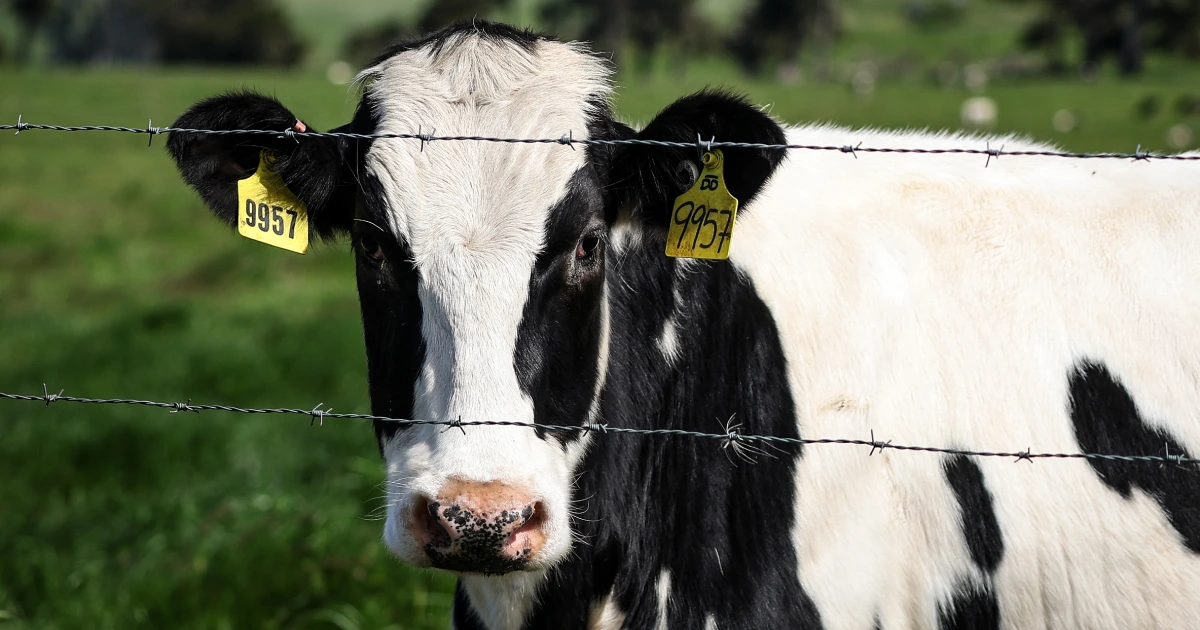
The U.S. Department of Agriculture has mandated testing of the national milk supply for bird flu, specifically targeting bulk milk transporters and dairy processors. This measure aims to identify dairy herds affected by the H5N1 strain, which has been spreading among livestock, including poultry and dairy cows. The testing initiative, set to begin on December 16, seeks to control the virus's spread and ensure the safety of animals and farmworkers. As of now, 718 dairy herds have been impacted by the virus.
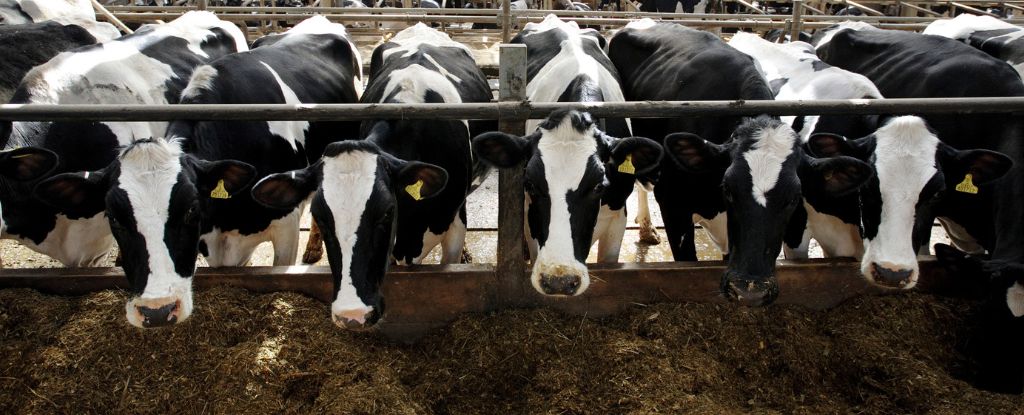
A new study from Iowa State University reveals that avian flu (H5N1) has infected dairy cows in the US, raising concerns about the potential for the virus to jump to humans. The virus was found in cow respiratory tissues and mammary glands, suggesting the milking process could spread the virus. While human infections have been minor, the virus shows signs of adapting to mammals, highlighting the need for further research and the importance of consuming pasteurized milk.
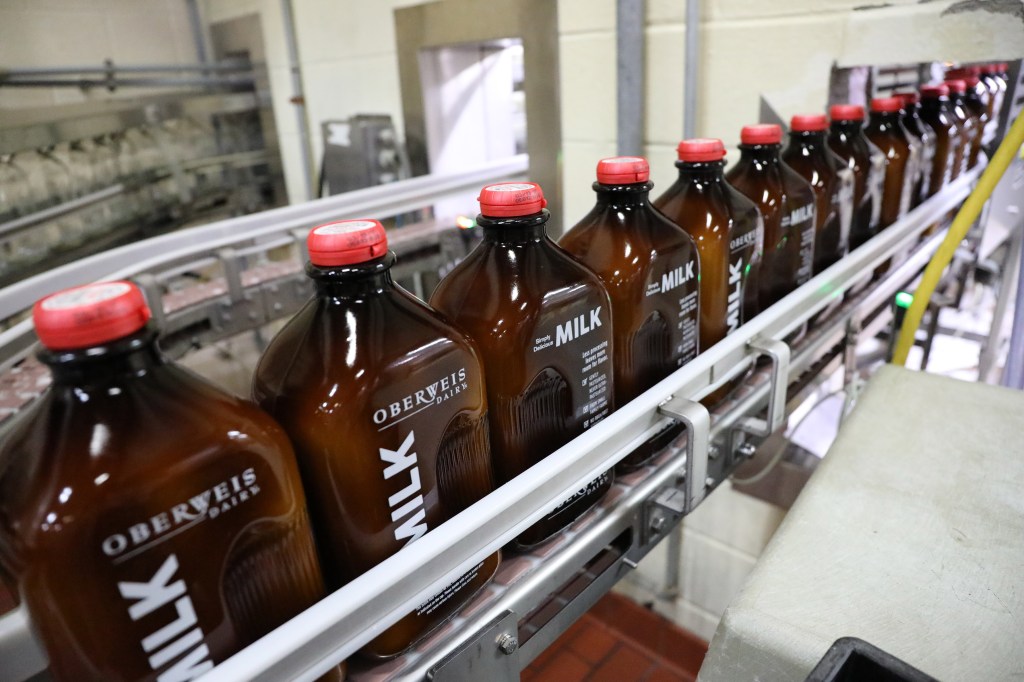
Winnetka-based private equity firm Hoffmann Family of Companies, through its investment arm Osprey Capital, has won the bankruptcy auction for Oberweis Dairy, a century-old Chicago-based dairy business. The acquisition, pending court approval, will see Hoffmann take over Oberweis' assets, including its North Aurora plant and 40 branded ice cream stores. The firm plans to invest in and grow the business, maintaining the current management team and enhancing production capabilities.

WastewaterSCAN, a network led by Stanford and Emory Universities, is scaling up national wastewater testing for the H5N1 bird flu virus, which has been affecting dairy cows in nine U.S. states. This initiative aims to provide crucial data to public health officials amid reluctance from the dairy industry to test cows and farm workers. The effort will soon share its findings publicly, offering a new method to monitor potential outbreaks and understand the virus's spread.
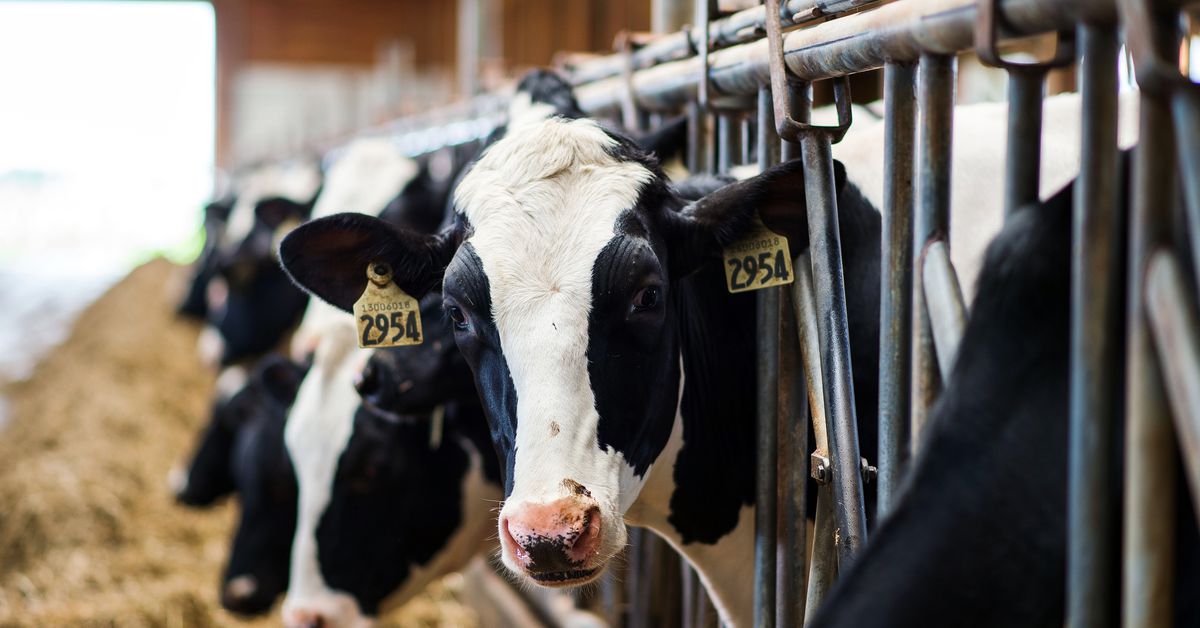
The highly virulent strain of avian flu, H5N1, has infected more than 20 dairy herds across eight states in the US, raising concerns about potential impacts on the food supply and human health. The American Association of Bovine Practitioners (AABP) has controversially suggested renaming the disease in cows as Bovine Influenza A Virus (BIAV) to maintain consumer confidence in beef and dairy products. The infectious disease trap model explains how animal agriculture contributes to zoonotic disease risk, and the rapid spread of bird flu in cows is attributed to long-distance transportation of animals, a hallmark of intensive animal agriculture systems. Efforts to contain the spread of the disease are underway, but experts argue that broader societal rethinking of the factory farm system is necessary to escape the infectious disease trap.
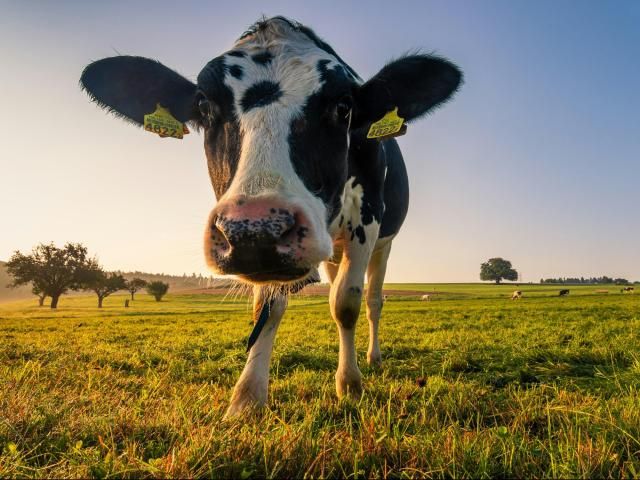
Highly pathogenic avian influenza, or bird flu, has been detected in a dairy herd in North Carolina, prompting the state to work with federal partners and dairy farmers to develop protocols to handle the situation. The virus, previously found in several other states, poses a low risk of human infection, but has led to restrictions on cattle importation and movement. Health officials advise against drinking raw milk, as pasteurization effectively eliminates the virus. North Carolina has also seen cases of bird flu in domestic poultry and a black bear, highlighting the need for continued monitoring and preventive measures.

A highly contagious strain of bird flu is affecting both chickens and dairy cows in the U.S., leading to the culling of millions of birds and a potential increase in egg prices. While egg prices are expected to rise due to the reduced supply, dairy prices may not be significantly impacted as the virus appears less deadly and contagious in cattle. Despite the outbreak, commercial broiler operations and poultry prices have not been greatly affected, and both eggs and milk remain safe to consume after pasteurization.
Milk from dairy cows in Texas, Kansas, and New Mexico has tested positive for bird flu, marking the first time the virus has been found in US livestock. The commercial milk supply is safe, and the risk to people is low, according to the USDA. The virus is affecting older dairy cows, causing decreased lactation and low appetite, but pasteurization kills viruses and is required for milk sold through interstate commerce. The federal government's tests did not detect any changes to the virus that would make it spread more easily to people. Dairy farmers have implemented enhanced biosecurity efforts, and officials are closely monitoring the situation.
Texas Agriculture Commissioner Sid Miller confirms that the mystery dairy cow disease in the Texas Panhandle has been identified as Highly Pathogenic Avian Influenza (HPAI), commonly known as Bird Flu. Three dairies in Texas and one in Kansas have tested positive for HPAI. The Texas Department of Agriculture is closely monitoring the outbreak, assuring consumers that dairy products remain unaffected due to rigorous safety measures and pasteurization protocols. Commissioner Miller emphasizes the importance of biosecurity measures for dairy facilities to mitigate further spread and economic impacts.
The USDA, FDA, CDC, and state agencies are investigating cases of highly pathogenic avian influenza (HPAI) in dairy herds in Texas, Kansas, and New Mexico, believed to have been introduced by wild migratory birds. While the commercial milk supply remains safe due to federal animal health requirements and pasteurization, federal and state agencies are conducting additional testing and viral genome sequencing to better understand the situation. There is currently no concern about the safety of the milk supply or a risk to consumer health, and efforts are underway to monitor potential additional cases and minimize impact on farmers, consumers, and other animals.
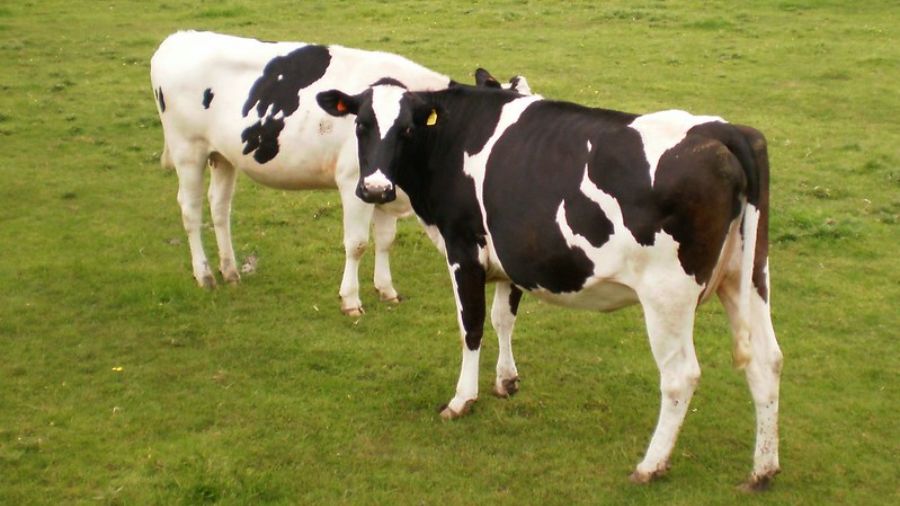
University of Illinois Professor Matt Wheeler and his team have genetically modified a Jersey cow in Brazil to produce human insulin in its milk, potentially revolutionizing insulin production. The cow underwent induced lactation to produce the insulin, and the team was surprised to find that the cow's body enzymatically processed the proinsulin into active insulin, eliminating the need for further processing. The goal is to create a small farm of Holstein cows that produce human insulin in milk to address the rising cost of insulin. The ultimate hope is to provide a more convenient and natural way for diabetic patients, especially children, to receive insulin, potentially through consuming milk, yogurt, or ice cream.

Experts question the long-held belief that cow's milk is essential for bone growth and overall health, stating that it may not be as crucial as previously thought. While plain milk is considered more nutritious than many flavored drinks, removing dairy from a varied diet is unlikely to cause health issues for those who don't consume it due to intolerance or preference.

Jessica Simpson faced backlash after posting an Instagram ad in support of the dairy industry's "Gonna Need Milk" campaign, sparking a debate over the consumption of milk products. Experts agree that adults don't need to drink cow’s milk, as the nutrients it provides can be obtained from other sources. While there are concerns about the environmental impact and ethical considerations of dairy production, experts say there's no harm in having a glass of milk if desired, and plant-based milks are a viable alternative for those who prefer them.