

A world-first human trial conducted by researchers at St Vincent's Institute of Medical Research in Melbourne has found that the rheumatoid arthritis drug baricitinib can effectively suppress the progression of type 1 diabetes. The trial showed that baricitinib, when initiated within 100 days of diagnosis, can preserve insulin production and reduce the need for insulin treatment. This breakthrough research offers hope for a disease-modifying treatment for type 1 diabetes and could potentially revolutionize its management.
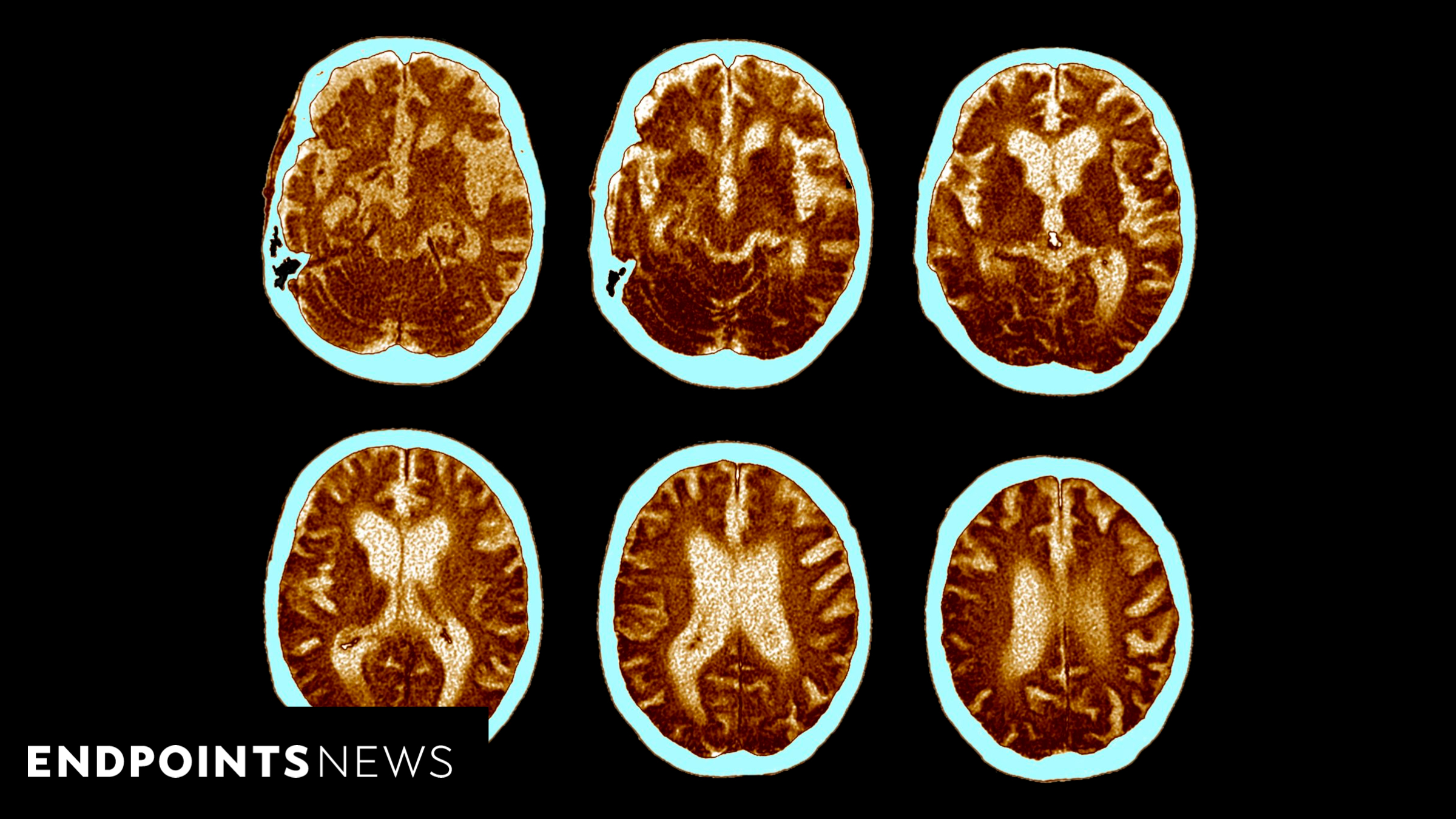
The FDA has approved Leqembi, the first disease-modifying treatment for early-stage Alzheimer's and mild cognitive impairment, and Medicare has agreed to cover the therapy. Medical centers are working to establish policies and procedures for providing the medication to patients, potentially by the end of summer or early autumn. While there is hope for families and other promising therapies, medical providers remain cautious, recognizing that this is just the first step in developing treatments for complex neurodegenerative diseases.
Glucagon-like peptide-1 receptor agonists (GLP-1 RA) drugs, such as liraglutide and semaglutide, which are approved for weight loss and type 2 diabetes, may have potential as disease-modifying treatments for knee osteoarthritis (KOA). Recent studies have shown promising results, with weight loss being a recommended treatment for KOA. However, the lack of pain relief in a phase 4 trial may be due to the trial design. Further research is needed to understand the disease-modifying effects of GLP-1 RA drugs in KOA patients. Several ongoing trials are investigating the efficacy of GLP-1 RA drugs in treating KOA.