The USDA is using scenes from the film 'Marriage Story' featuring Scarlett Johansson and Adam Driver to scare wolves away from cattle by playing alarming sounds and using drone technology, aiming to reduce wolf attacks on livestock.
Researchers from Baylor College of Medicine, Cornell University, and the USDA have discovered CoRSIVs (correlated regions of systemic inter-individual variation) in cattle, similar to those found in humans. These regions, marked by DNA methylation, could help predict and select desirable traits in cattle, such as milk production and disease resistance, potentially improving agricultural efficiency and sustainability.
An avian flu outbreak has affected over 40 cattle in Minnesota, marking the spread of the virus to the state. The herd has been quarantined, and the USDA confirmed the positive tests. This follows earlier outbreaks in Kansas and Texas, with over 80 dairy herds infected across 11 states. The virus has also led to human infections, though it is not believed to transmit between humans. The economic impact is significant due to the higher cost of raising cattle compared to poultry.
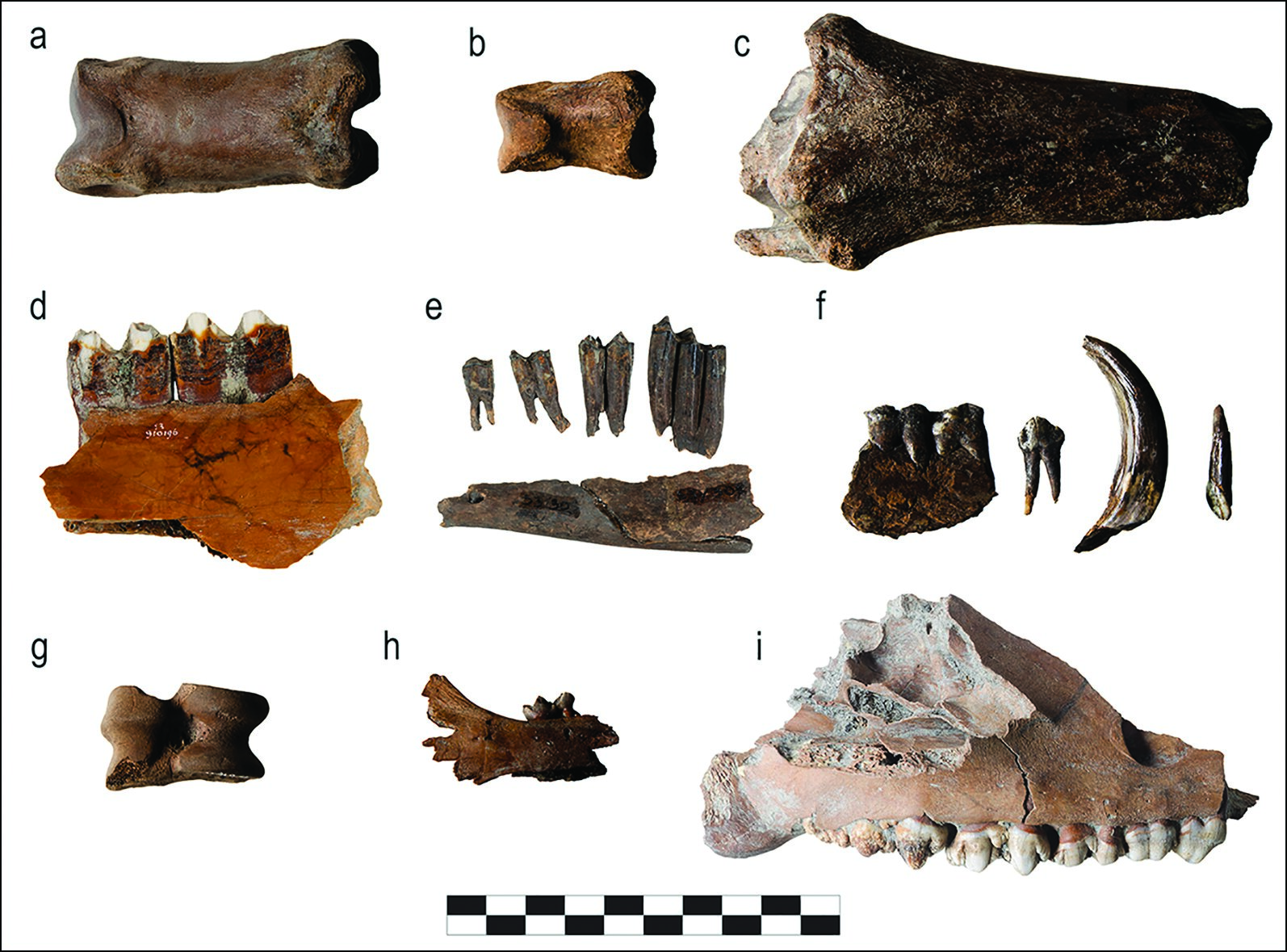
Archaeologists have discovered the earliest evidence of cattle herds in northern Europe at Swifterbant, Netherlands, dating back to 4240 BC. Using stable isotope analysis, they found that early farmers managed livestock in complex ways, with different herds grazing in forests or on manured fields and salt marshes, indicating advanced animal husbandry practices.
A lightning strike killed Colorado rancher Mike Morgan and 34 of his cattle while he was feeding them from a trailer. The incident occurred in a pasture near Rand, stunning the tight-knit community. Morgan's father-in-law and wife, who were nearby, survived the blast.
A lightning strike killed Colorado rancher Mike Morgan and 34 head of cattle while he was feeding them from a trailer. Despite life-saving efforts, Morgan died on the scene. The incident shocked the small, close-knit community of Rand.
A 51-year-old rancher named Mike Morgan and 34 of his cows were struck and killed by lightning in Rand, Colorado. The community is mourning the loss, and the incident highlights the rarity of fatal lightning strikes, with the CDC noting that the odds of being struck are about one in a million annually.
A lightning strike killed Colorado rancher Mike Morgan and 34 head of cattle while he was feeding them from a trailer. Despite life-saving efforts, Morgan died on the scene, and the incident has deeply affected the small, close-knit community.
The USDA has been criticized for not sharing enough information about the outbreaks of H5N1 avian flu in dairy cattle, leaving scientists and experts in the dark about the risks posed to cattle operations and people. Concerns have been raised about the virus potentially evolving to infect cattle more easily and the lack of transparency hindering global risk assessment. The USDA has been slow in releasing genetic sequences and information, leading to distrust and concerns about pandemic preparedness. The movement of H5N1 into cows is a concern for the industry and scientists, as it could potentially lead to transmission to humans and other animals. The lack of transparency and clear communication from the USDA has been highlighted as a significant issue in managing the outbreaks.
South Dakota has reported its first case of bird flu in a cattle herd, marking the virus's spread from bird populations to dairy farms in the U.S. Symptoms in cattle include decreased milk production and appetite, as well as changes in manure consistency. Health officials assure consumers that pasteurization kills the virus, and the safety of the commercial milk supply is not a concern. While rare, there have been cases of bird flu spreading to humans.
Scientists are concerned about the potential risks to humans as bird flu spreads among dairy cattle, with a focus on understanding virus mutations that could make it a threat to mammals. While the virus has shown some signs of evolving to better replicate inside mammals, it has not yet demonstrated efficient airborne transmission between humans. Research on virus transmission in mammals, particularly through experiments on ferrets, offers some clues but also highlights the need for caution in interpreting the results.
Highly pathogenic avian influenza, or bird flu, has been detected in a dairy herd in North Carolina, prompting the state to work with federal partners and dairy farmers to develop protocols to handle the situation. The virus, previously found in several other states, poses a low risk of human infection, but has led to restrictions on cattle importation and movement. Health officials advise against drinking raw milk, as pasteurization effectively eliminates the virus. North Carolina has also seen cases of bird flu in domestic poultry and a black bear, highlighting the need for continued monitoring and preventive measures.
Minnesota dairy farmers are on high alert as avian influenza, previously affecting birds, is now detected in cattle in several states including Texas, Kansas, and Michigan. The virus is causing cows to become sick and produce less milk, but the USDA assures consumers that pasteurization ensures the safety of the milk supply. While the overall risk to humans remains low, one person has tested positive for the virus after contact with infected dairy cattle in Texas. Dairy farmers are concerned about potential financial and animal health impacts, and are preparing to adapt to this new challenge.
Bird flu outbreaks have been reported in fifteen farms across six US states, raising concerns about the virus spreading to people. The virus has been detected in cattle, leading to culling of nearly 2 million birds and potential impact on the milk supply and egg prices. A farm worker in Texas has tested positive for the virus, and concerns are growing about the virus's ability to infect a wide range of mammals. Health agencies are monitoring the situation closely, as experts worry about the virus gaining mutations that could enable it to infect and spread between mammals.