University of Seville professor José María Martín-Olalla has resolved a 120-year-old thermodynamics puzzle by demonstrating that Nernst’s theorem is inherently linked to the second law of thermodynamics, correcting a long-standing assumption made by Einstein and reframing the understanding of entropy near absolute zero.
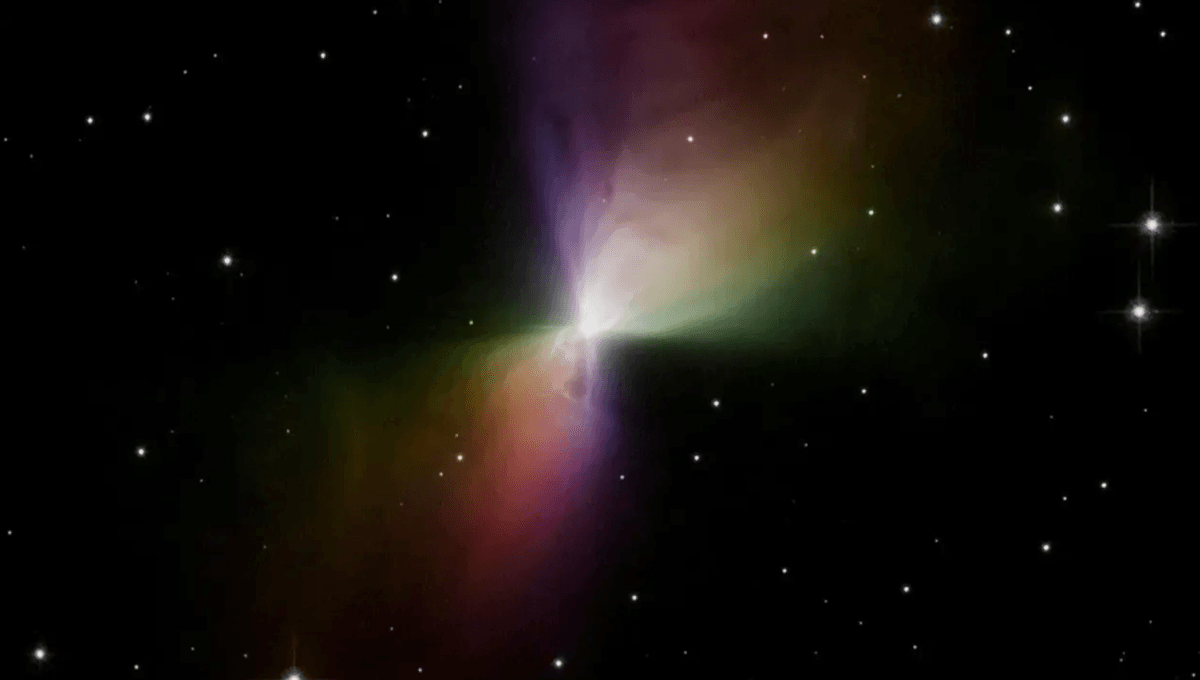
The coldest natural place in the universe is the Boomerang Nebula, with a temperature of just 1 K (-458°F). It absorbs energy from the cosmic background radiation instead of emitting it like a star's neighborhood normally would. The nebula is expanding rapidly, possibly due to the gravitational interaction between two stars. While there may be colder nebulae in the universe, the Boomerang Nebula is already starting to warm up. Additionally, the existence of temperatures below absolute zero has been predicted, but it is debatable whether they should be considered as true temperatures.
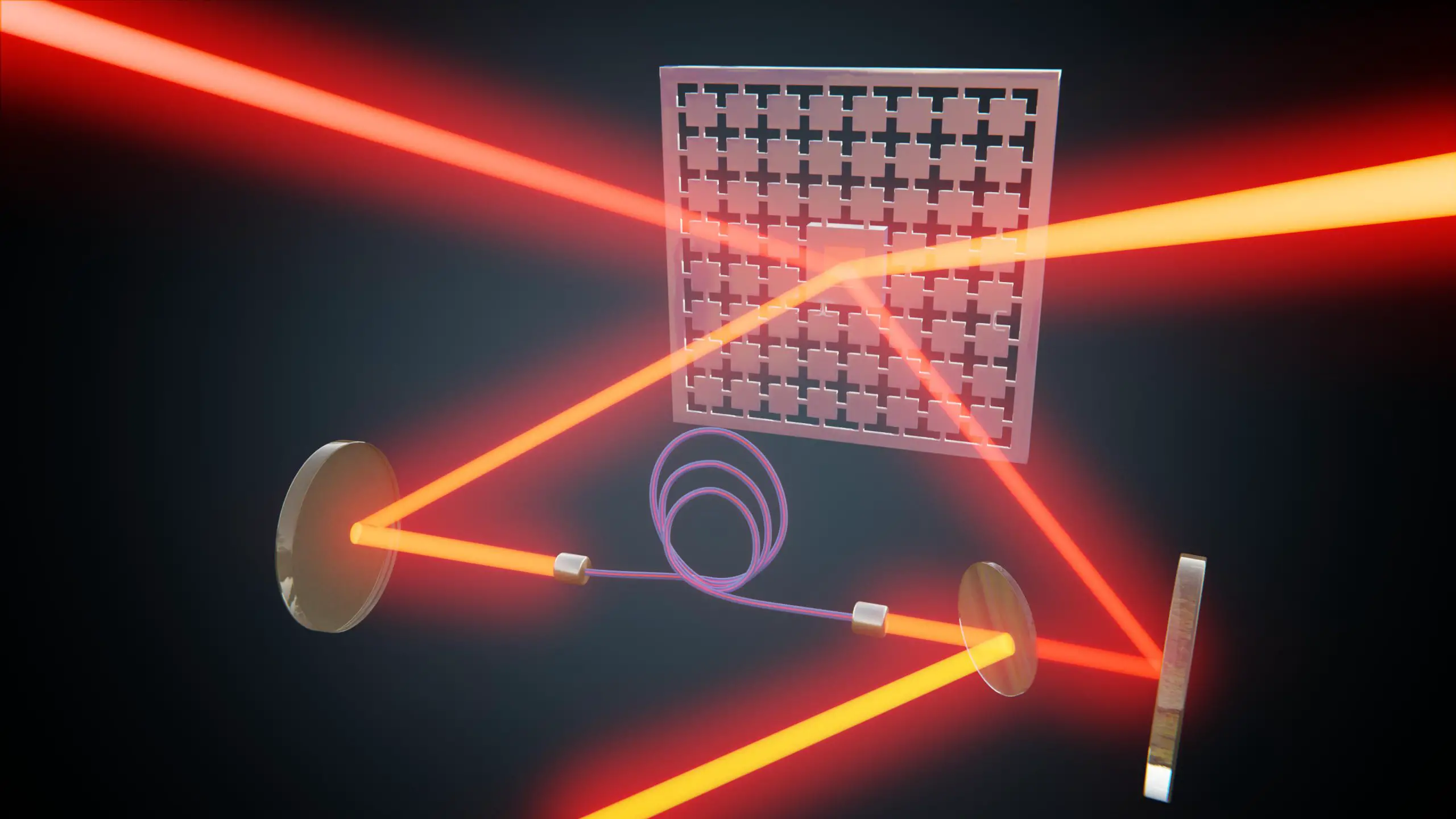
Scientists from the University of Basel have developed a technique to cool a small membrane to temperatures close to absolute zero using laser light. By using a coherent feedback loop, the researchers were able to dampen and cool the thermal vibrations of the membrane without making any measurements, avoiding disturbances caused by quantum state changes. The membrane was cooled to 480 micro-Kelvin, less than a thousandth of a degree above absolute zero. This breakthrough could have applications in highly sensitive sensors, such as atomic force microscopes, and pave the way for creating squeezed states of the membrane for even higher measurement accuracy.
Physicists have identified a new theoretical route to reach absolute zero, the state of perfect stillness, by deleting an infinite amount of complexity. The researchers found that quantum systems can be defined that allow the absolute ground state to be reached even at finite energy and in finite time. However, these special quantum systems are infinitely complex, making it practically impossible to achieve. The findings could inspire new ways of exploring matter at low temperatures and understanding the connection between quantum theory and thermodynamics.
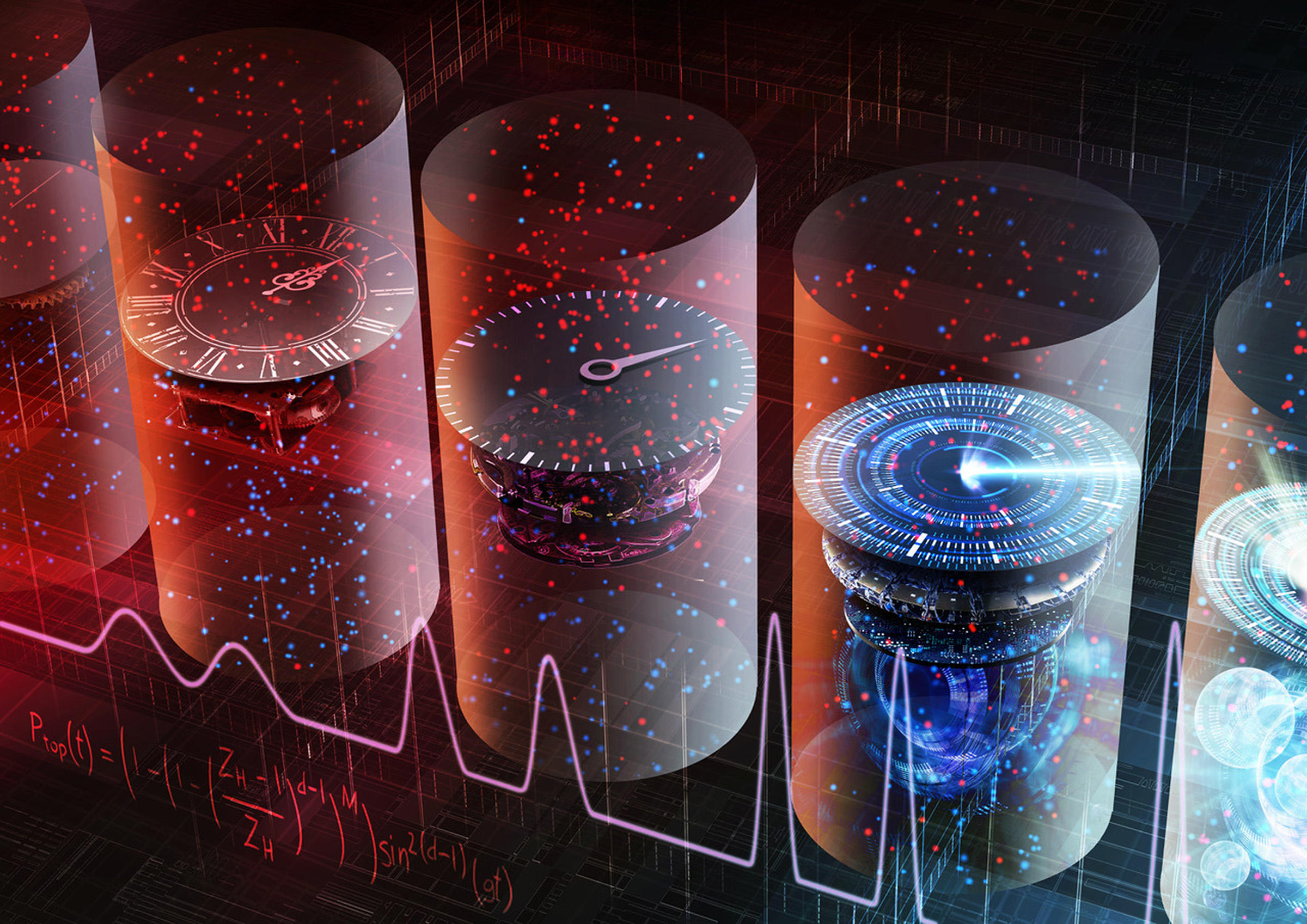
Researchers at TU Wien have discovered a quantum formulation for the third law of thermodynamics, which posits that reaching absolute zero is theoretically possible. However, any viable method for achieving this requires three components: energy, time, and complexity. Absolute zero can only be attained if one of these elements is available in infinite supply. The researchers found that quantum systems can be defined that allow the absolute ground state to be reached even at finite energy and in finite time, but these special quantum systems are infinitely complex.
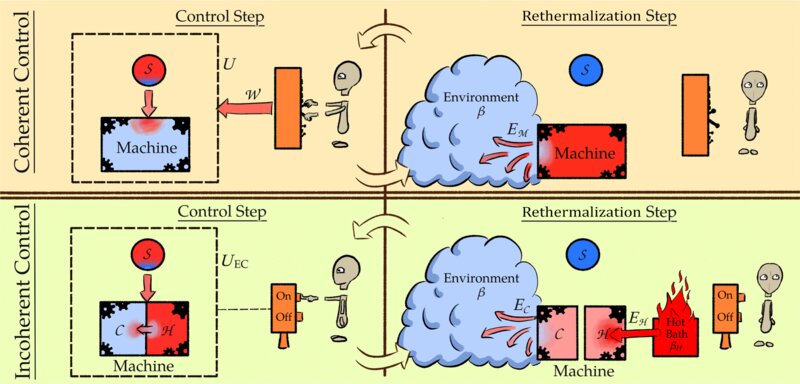
A research team at TU Wien has developed a "quantum version" of the third law of thermodynamics, which theoretically allows for the attainment of absolute zero. However, this requires an infinite amount of energy, time, or complexity. The team found that special quantum systems can reach the absolute ground state even at finite energy and in finite time, but they are infinitely complex. This research is important for understanding the connection between quantum theory and thermodynamics, which is crucial for practical applications of quantum technologies.