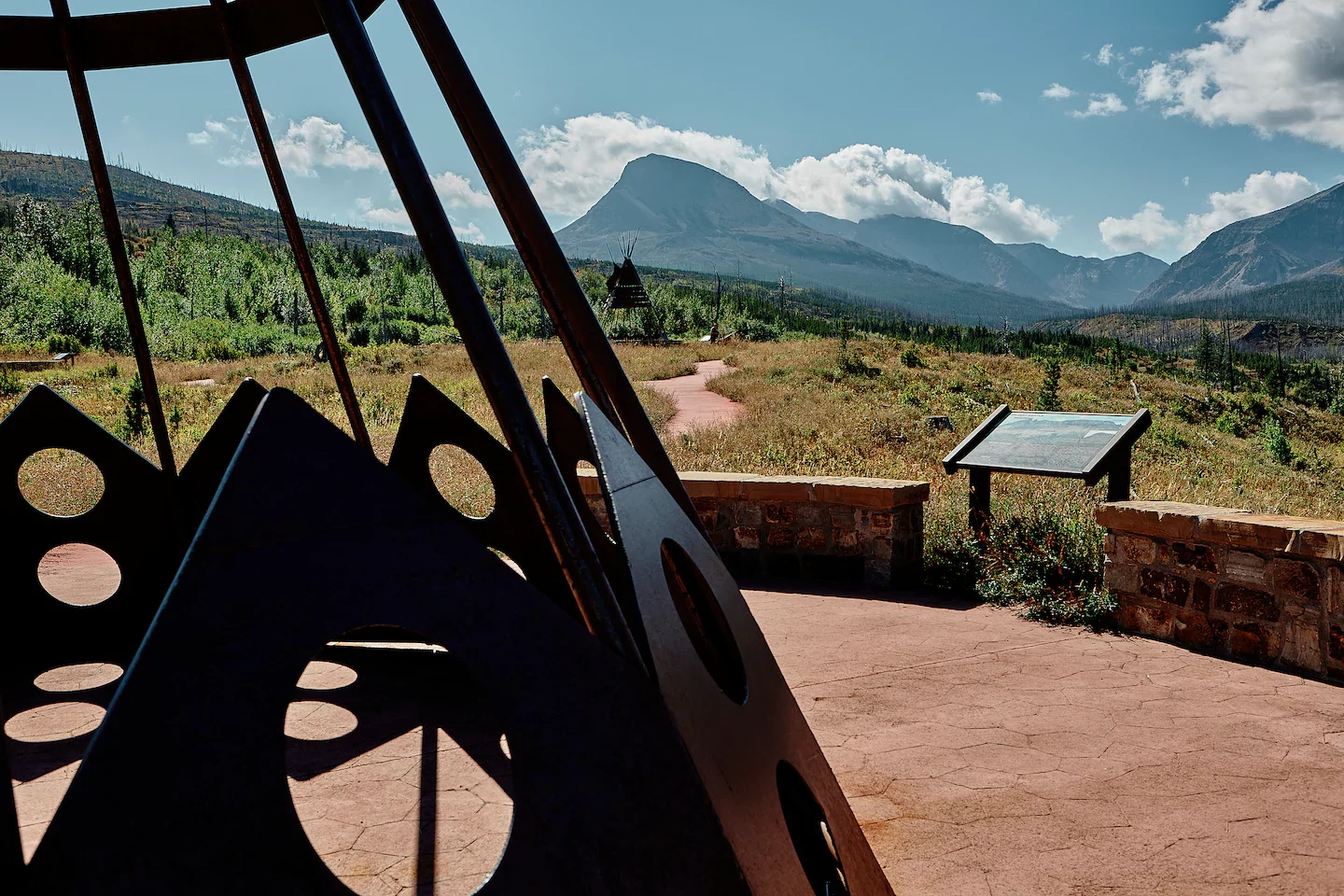
Trump officials have ordered the removal of signs and displays about climate change, environmental protection, and Native American history from Grand Canyon and 16 other national parks as part of a broader push to reshape how American history is presented.
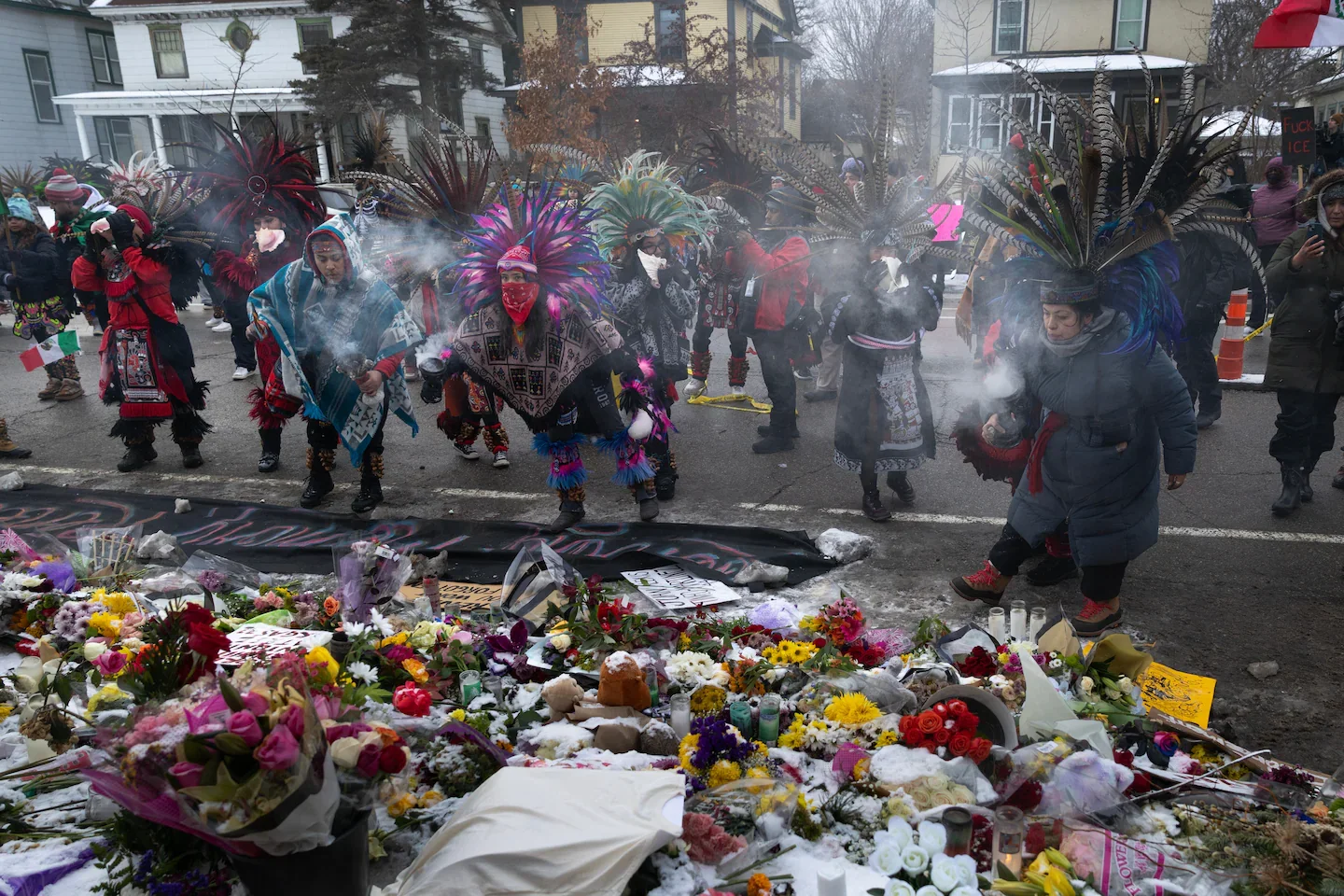
Tribal leaders say Indigenous people in Minneapolis have been stopped, questioned, harassed, and in some cases detained by federal immigration officers solely because of their skin color or names, raising concerns about racial profiling by ICE.
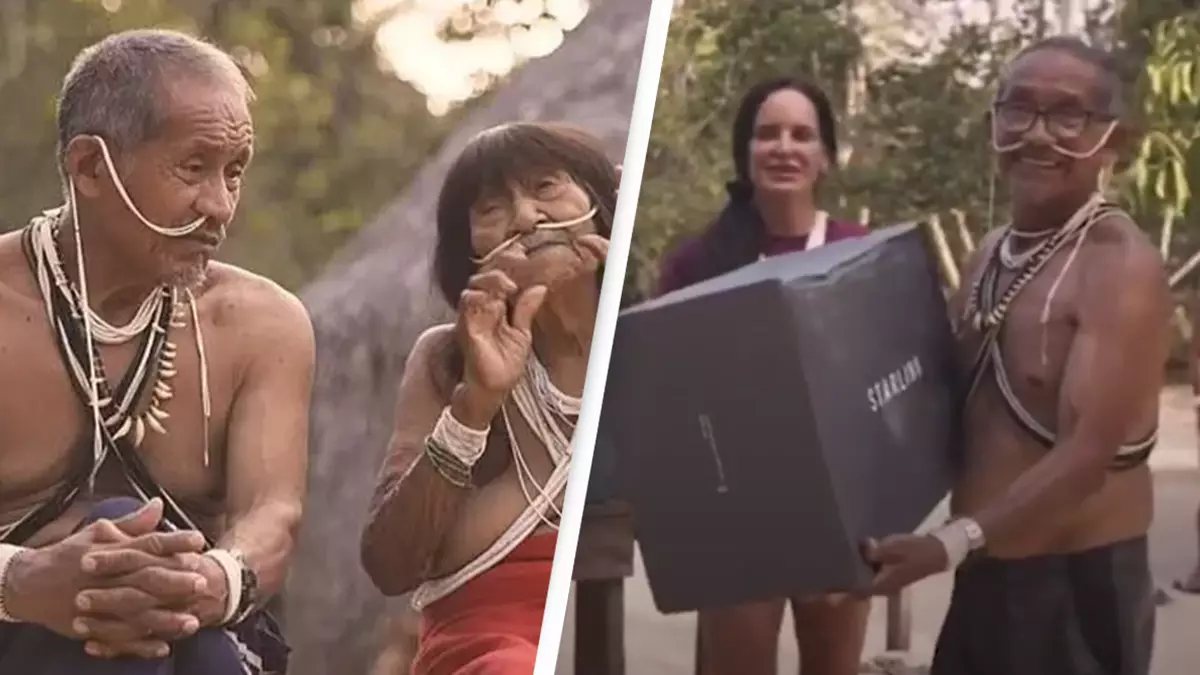
A remote Amazonian tribe, the Marubo, has gained internet access through Elon Musk's Starlink satellites, leading to both positive outcomes, such as improved emergency response, and negative consequences, including increased exposure to pornography and reduced family interaction.
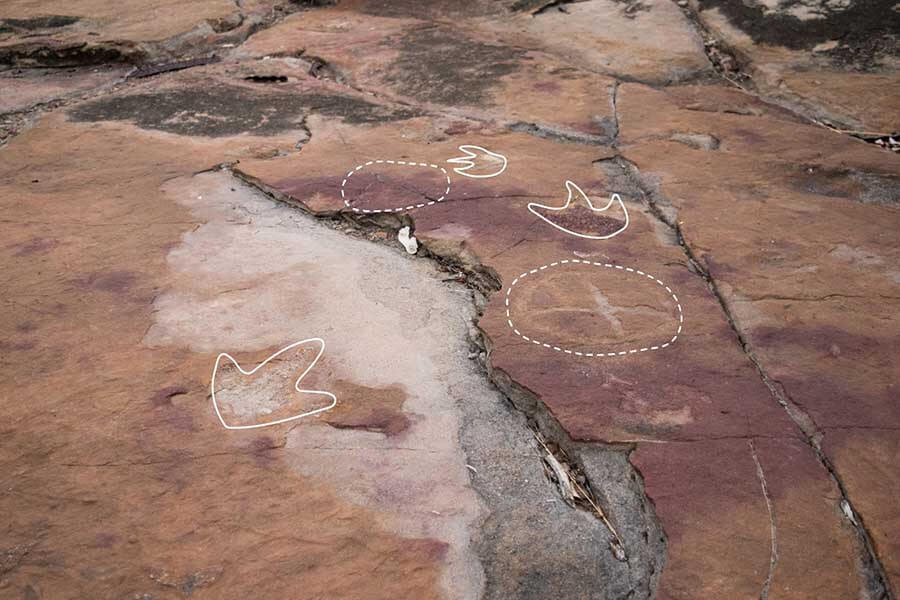
Petroglyphs found near dinosaur footprints in Brazil suggest that prehistoric indigenous people may have been aware of and interested in the footprints, although it's unclear if they knew about dinosaurs. The carvings, dating back between 9,400 and 2,620 years, display geometric shapes and may have been created during communal gatherings, possibly with the use of psychotropic plants. The unprecedented clarity of the association between the petroglyphs and dinosaur prints at this site could have significant implications across paleontology, archaeology, and cultural heritage studies.
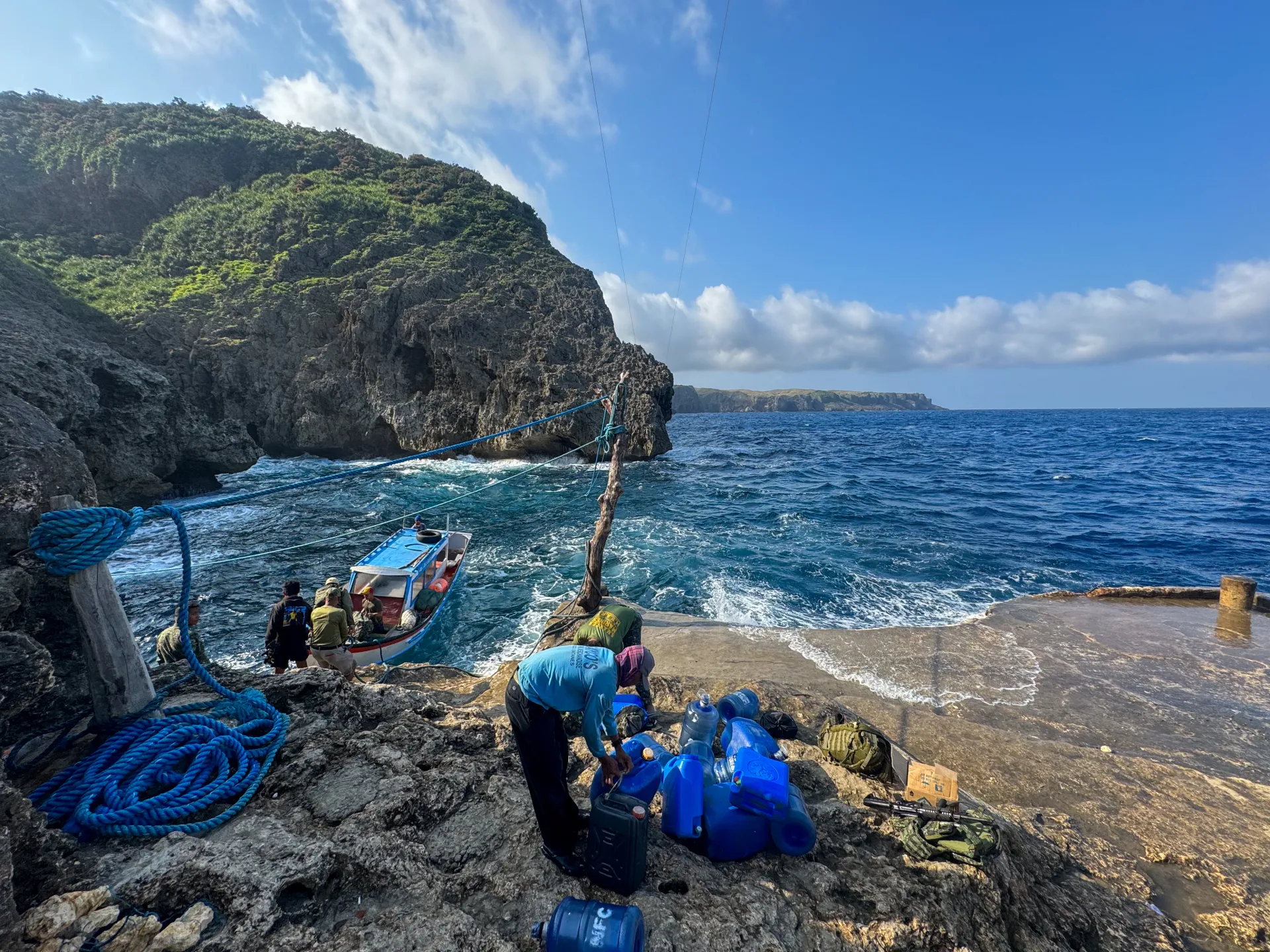
Indigenous people in the northernmost Philippine province of Batanes, particularly on the island of Itbayat, are preparing to defend their community and country amid rising tensions in the South China Sea. With China's aggressive posture and the Philippines accusing China of attacking its boat, the Philippine military is bolstering its defence of Batanes and has called on the Indigenous Ivatans to join the country’s reserve forces, with 119 residents, including Cyrus Malupa, joining the Navy reserve forces in March.
Scientists have extracted data from Antarctic ice cores dating back 800,000 years, revealing insights into past climate, volcanic eruptions, and human activities. A recent study using ice cores showed the impact of European colonization on Indigenous populations, with the deaths of 56 million people leading to increased forest growth and reduced carbon dioxide levels. This demonstrates the significant influence of human actions on the Earth's atmosphere, highlighting the lasting effects of historical events on the planet.
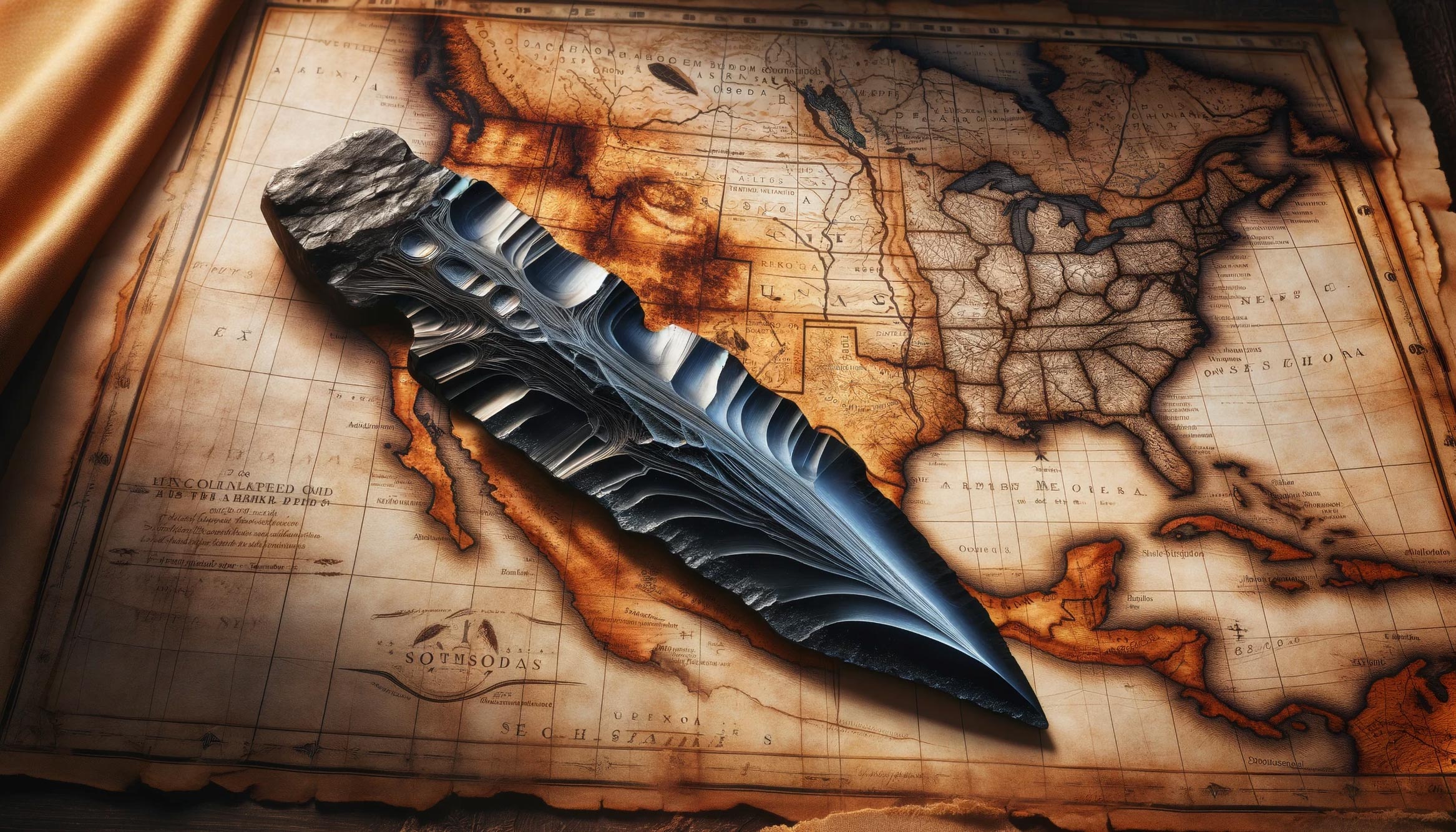
A small obsidian blade found in the Texas Panhandle has provided compelling evidence of Francisco Vasquez de Coronado’s expedition over 470 years ago, according to SMU anthropologist Matthew Boulanger. The blade's chemical composition ties it to Central Mexico, where indigenous people used obsidian to produce cutting tools until the Spanish conquest. Boulanger's findings, published in the Journal of the North Texas Archeological Society, suggest that the artifact is part of a Coronado-related site and a clue to the expedition’s trail, emphasizing the importance of documenting artifact locations for archaeological research.
A small piece of obsidian found in the Texas Panhandle has been linked to Spanish explorer Francisco Vasquez de Coronado's expedition by SMU anthropologist Matthew Boulanger. The artifact's chemical composition ties it to Central Mexico's Sierra de Pachuca mountain range, where indigenous people used obsidian to produce cutting tools. The discovery suggests that Coronado's expedition, which included indigenous people from Mexico, may have passed through the area. The artifact's origin raises questions about trade networks and provides potential clues to the expedition's trail, emphasizing the importance of documenting artifact locations for archaeologists.
Members of the Truku tribe in Taiwan reflect on their identity and the challenges they face as Indigenous people. They discuss the impact of colonial oppression, forced assimilation, and restrictions on hunting, which is integral to their way of life. Despite efforts by the Taiwanese government to recognize and support Indigenous communities, there is still a long way to go in addressing historical trauma and restoring cultural practices. The Truku people emphasize the importance of recognizing and preserving their shared history for all residents of Taiwan to live in harmony.
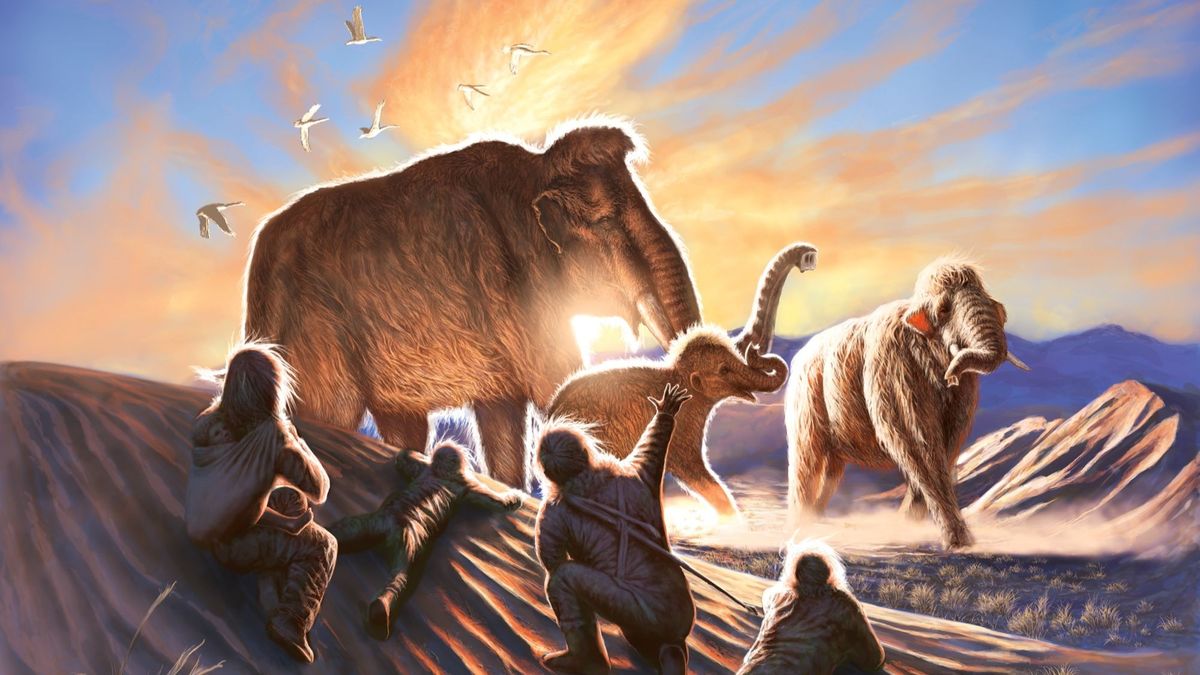
Scientists have retraced the journey of a female woolly mammoth named Elma from her birthplace in present-day Canada to eastern central Alaska, where she met her end around 14,000 years ago at the hands of hunter-gatherers. Elma's tusk revealed that she covered roughly 620 miles in under three years, indicating a significant movement for a single mammoth. Analysis of her tusk's chemical elements and ancient DNA provided valuable information about her diet, location, and relationships with other mammoths, shedding light on the interactions between mammoths and early Indigenous people in the region.
New Zealand's newly elected conservative government plans to repeal the country's pioneering smokefree bill, which aimed to cut down on smoking by limiting nicotine levels, reducing the number of retailers, and banning cigarette sales to those born after 2008. The bill was seen as a cause for celebration by the indigenous Māori and Pasifika populations, who have higher smoking rates. The government argues that the bill violates freedom of choice and fuels crime. Additionally, the government plans to abolish the Māori Health Authority, which oversees indigenous health policies and care delivery. Critics argue that these actions will lead to more tobacco-related deaths and exacerbate health inequities for indigenous communities. Protests have already begun, with Māori and Pasifika communities mobilizing to reverse the government's plans.
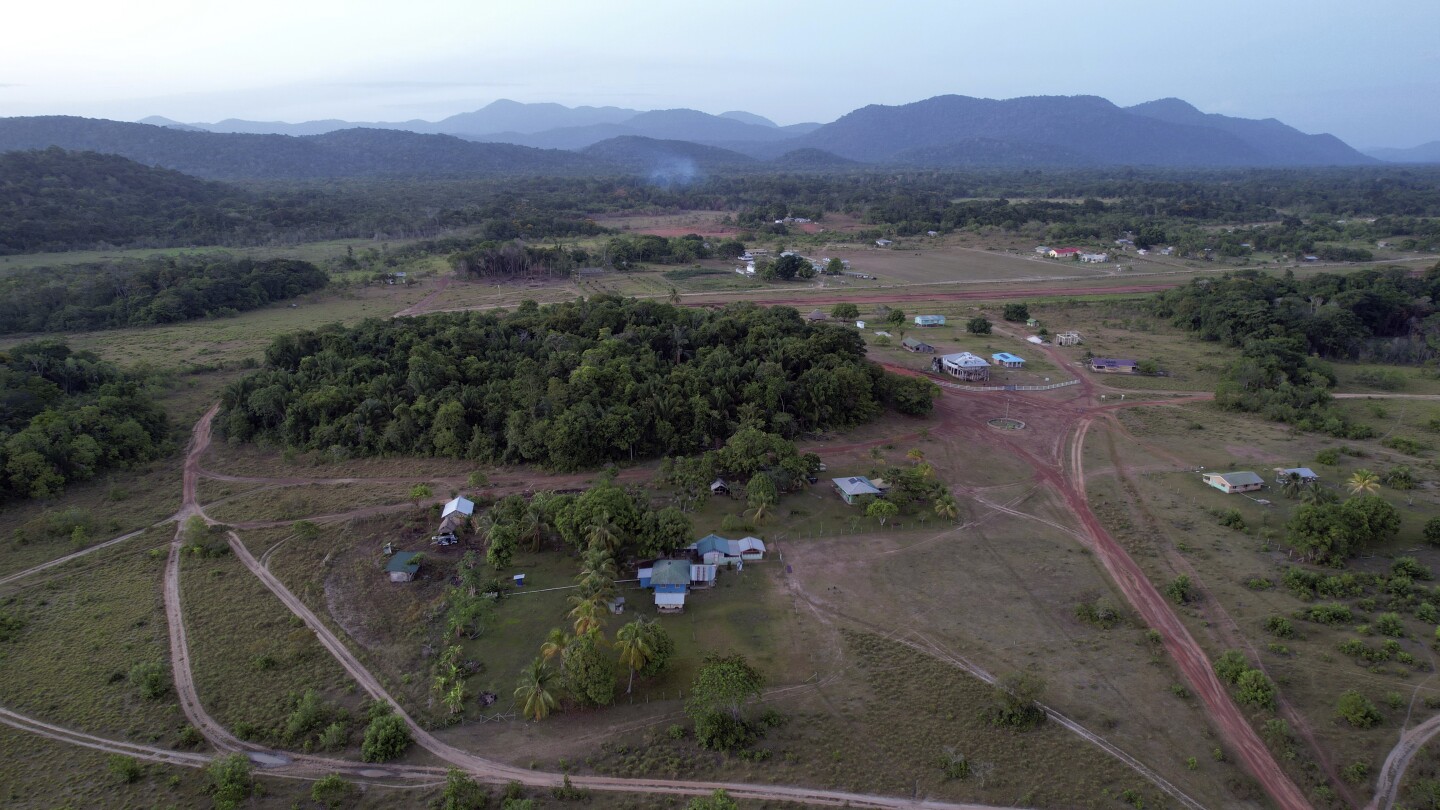
Guyana's Essequibo region, which is larger than Greece and rich in oil and minerals, is at the center of a territorial dispute with Venezuela. The Venezuelan government plans to hold a referendum to decide the future of the region, including turning it into a Venezuelan state. Guyana sees this as annexation and has asked the International Court of Justice to halt parts of the vote. The majority of area residents, who are Indigenous people, feel neglected and uninformed about the dispute. The disputed boundary was decided by international arbitrators in 1899, but Venezuela has long disputed it. The court is expected to issue a decision this week, but a ruling on the broader border dispute is still years away.
Guyana residents in the Essequibo region are anxious as Venezuela plans to hold a referendum to decide the future of the disputed territory. The area, larger than Greece and rich in oil and minerals, is claimed by Venezuela but considered part of Guyana. The practical and legal implications of the vote remain unclear, but it has left area residents on edge. Guyana sees the referendum as annexation and has asked the International Court of Justice to halt parts of the vote. The majority of residents in the region are Indigenous people who feel neglected by their government and fear the potential disruption caused by the referendum.
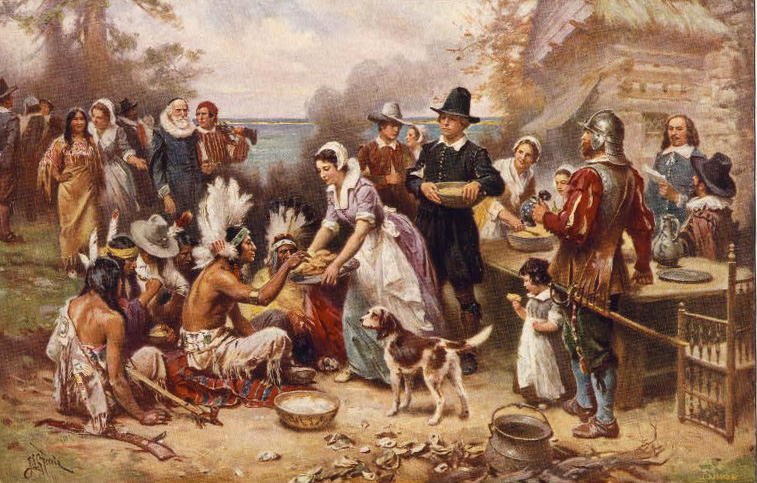
A history professor and tribal leader are working to bring context to the traditional Thanksgiving story, challenging long-held myths and highlighting the destructive impact of colonialism on Indigenous people. They emphasize the need to acknowledge the full history, including the wars and decimation of Indigenous communities that followed the shared meal between Native people and Pilgrims. The popularized version of the First Thanksgiving is a simplified and romanticized myth that contributed to the Manifest Destiny sentiment. The professor and tribal leader aim to educate the public about the ongoing presence and importance of Indigenous people in society.
Martin Scorsese delivers a gripping and powerful crime story with "Killers of the Flower Moon," based on the true-life Osage murders in 1920s Oklahoma. With a stellar ensemble cast led by Leonardo DiCaprio and Robert De Niro, the film explores themes of love, white greed, and America's complicated history with indigenous people. Scorsese masterfully weaves together different genres, creating a narrative that is both entertaining and thought-provoking. The performances, particularly by DiCaprio and Lily Gladstone, bring depth and emotion to the story. Through the lens of systemic racism and historical injustice, Scorsese prompts audiences to reflect on the corruptive influence of power and money.