international-politics4.925 min read
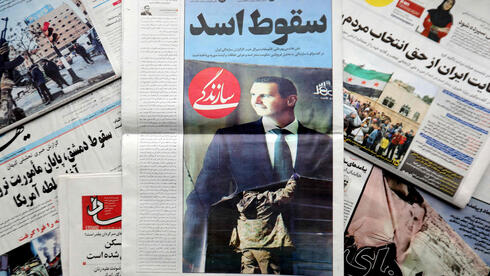
Iran Faces Backlash Over Failed Syria Strategy Amid Leadership Criticism
1 year ago•Source: Ynetnews

The latest international politics stories, summarized by AI
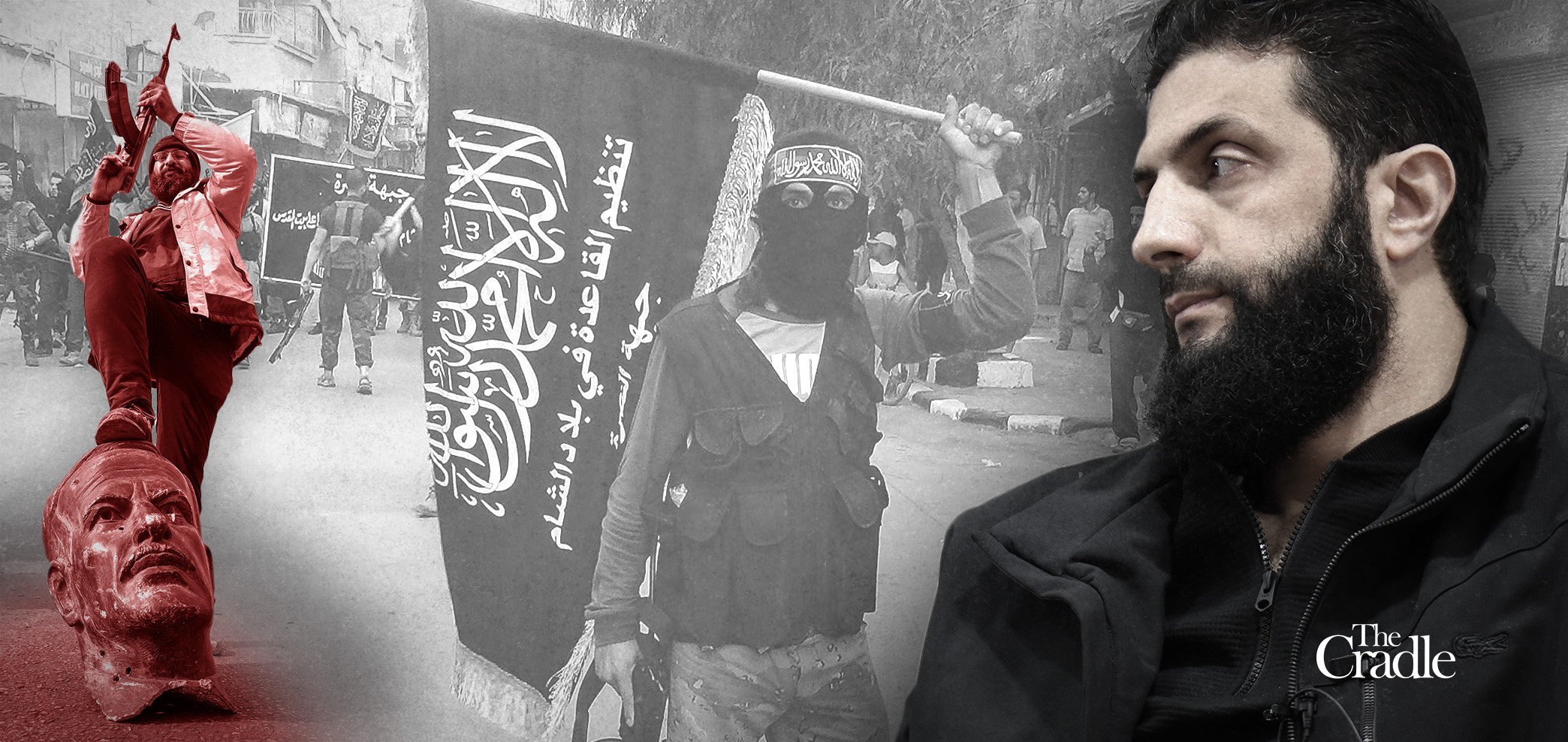
The article discusses the rebranding of Abu Mohammad al-Julani, leader of the Al-Qaeda offshoot Hayat Tahrir al-Sham (HTS), amid his group's strategic importance to US operations in Syria. Despite HTS's terrorist designation, Julani's transformation is portrayed as a PR move to align with Western interests, particularly in destabilizing Syria. The piece highlights the US and its allies' historical support for Julani and similar groups, emphasizing the geopolitical motivations behind these alliances.
New Left Review•1 year ago
The New York Times•1 year ago
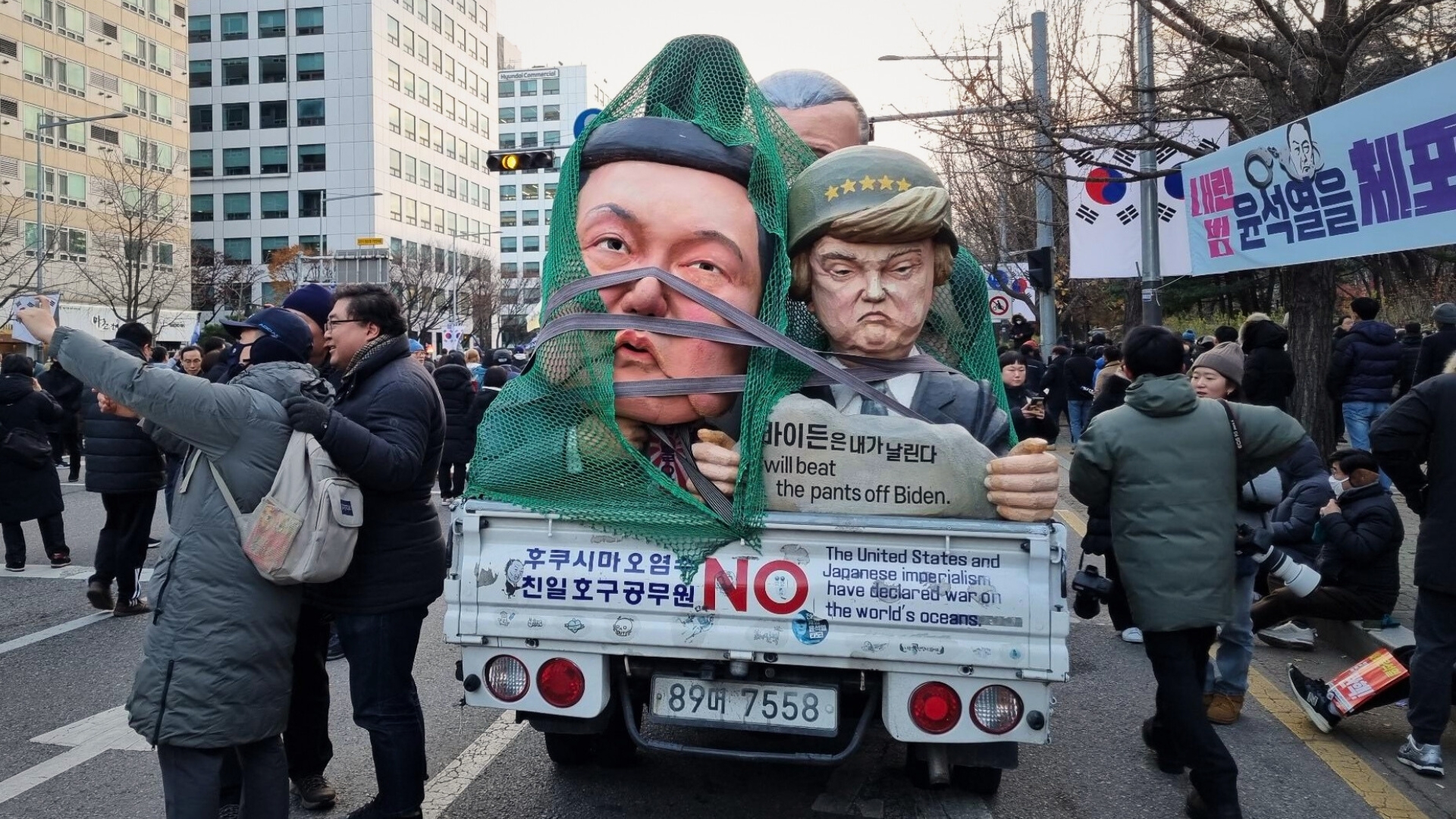
South Korean President Yoon Suk-yeol's brief declaration of martial law has severely damaged the country's international reputation as a stable democracy and reliable security partner. The incident has jeopardized South Korea's ambitions to play a larger role in US nuclear policy and strained its trilateral cooperation with the US and Japan. Allegations that Yoon's administration provoked North Korea to justify martial law have further complicated the situation, raising doubts about South Korea's trustworthiness as an ally. The fallout from this crisis is expected to have long-lasting impacts on South Korea's security and diplomatic standing.
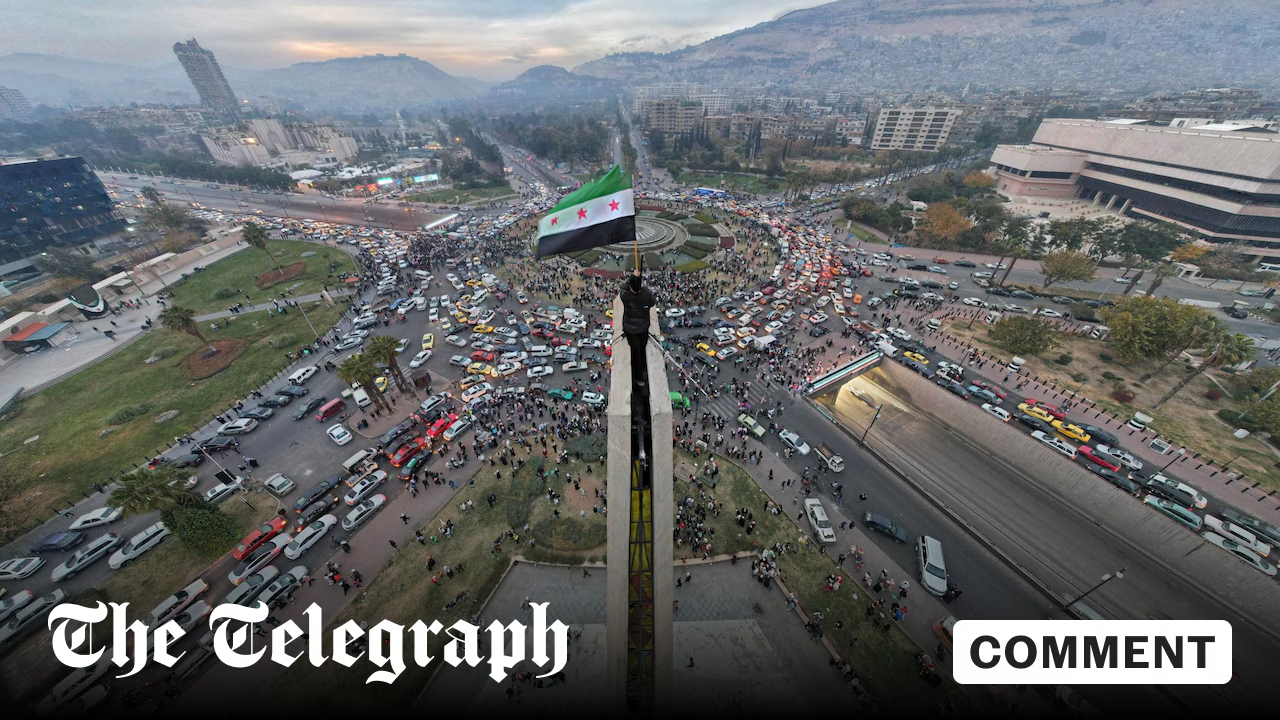
President-elect Donald Trump has criticized Ukraine's use of long-range missiles against Russia, aligning with some U.S. political figures who fear escalation. Trump's stance could weaken NATO unity and inadvertently support Russia's deterrence strategy. Despite this, Ukraine's missile strikes have strategic value, potentially impacting Russian military capabilities and negotiations. The article argues for a "peace through strength" approach, highlighting Russia's recent military setbacks as evidence of its limitations.
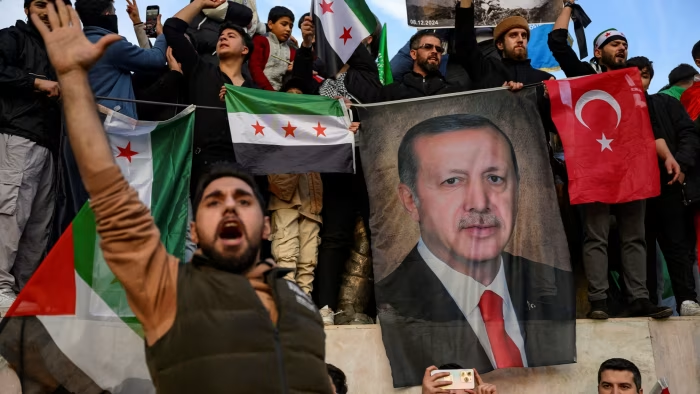
Turkish President Recep Tayyip Erdoğan views the recent overthrow of the Assad regime in Syria as an opportunity to address two major political challenges: securing Kurdish support to amend the constitution for a potential 2028 presidential run and repatriating Syrian refugees to bolster domestic support. With Assad's fall, Erdoğan aims to weaken the Syrian Kurdish forces, which could help him gain Kurdish backing in Turkey, and facilitate the return of refugees, addressing nationalist sentiments at home. However, past experiences suggest that his plans may face significant obstacles.
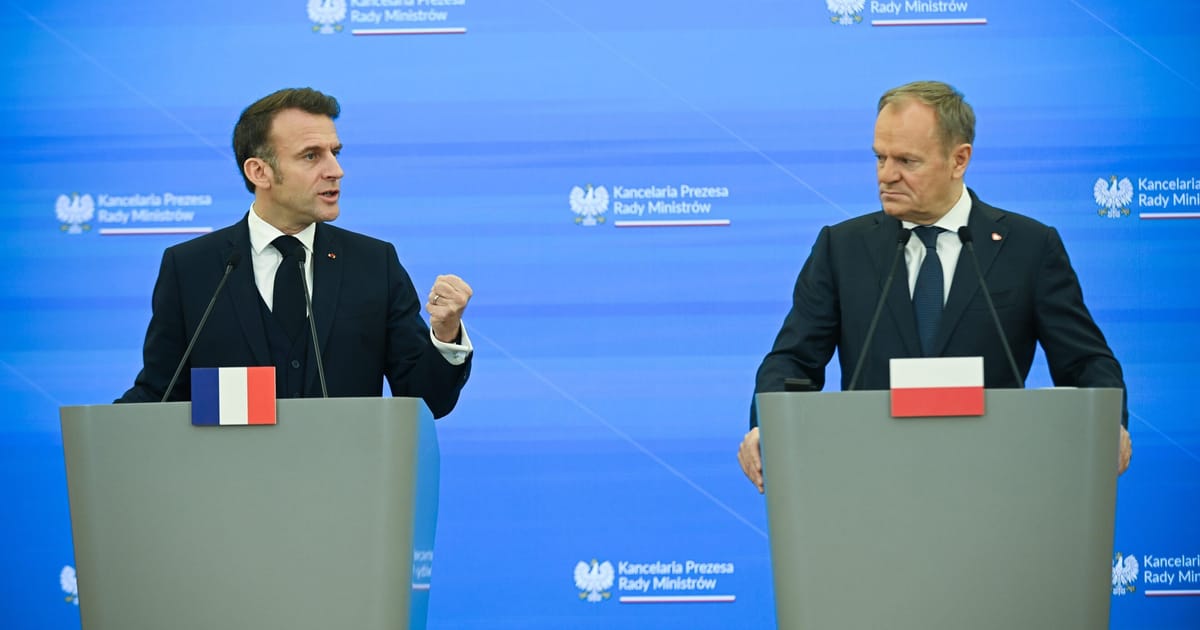
Poland's Donald Tusk has halted discussions on a potential peacekeeping force in Ukraine, while in France, far-right leader Marine Le Pen faces a strategic decision on whether to disrupt the political landscape or cooperate, with an eye on the 2027 presidential election. Meanwhile, France and Poland are set to discuss the deployment of foreign troops to Ukraine post-conflict, and French Socialist leaders are reaching out to President Macron as they navigate the formation of a new government following the ousting of Prime Minister Barnier.
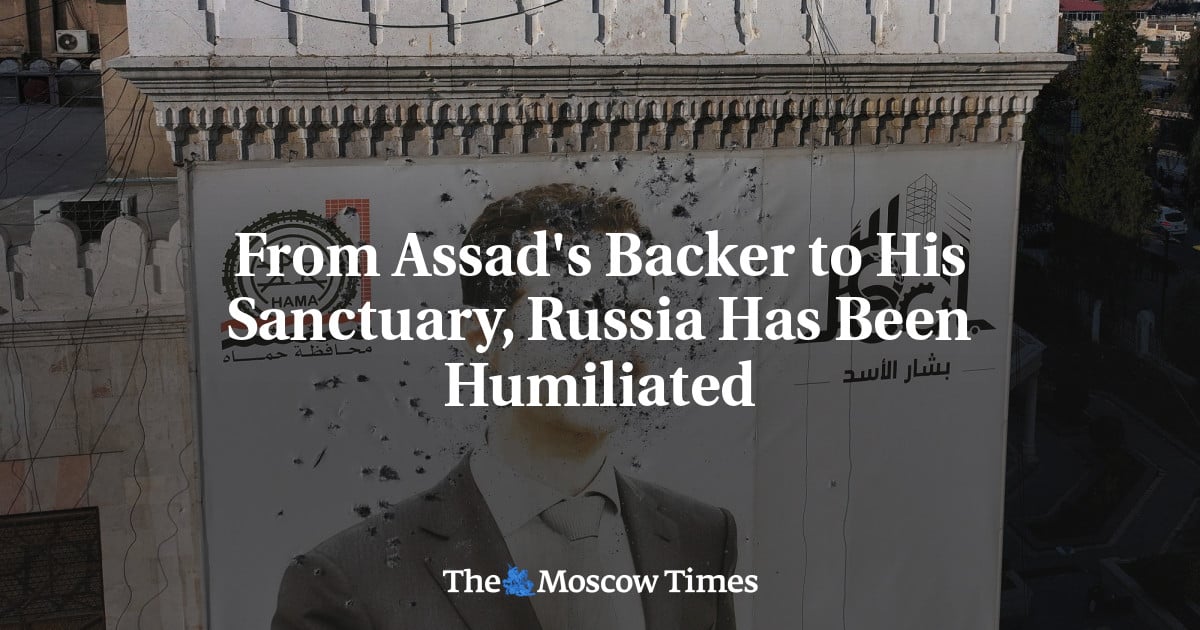
Bashar al-Assad's regime in Syria has collapsed, forcing him to seek asylum in Russia, marking a significant victory for Syrian rebels and a humiliating defeat for Russia, which had supported Assad for over a decade. The fall of Assad's regime highlights Russia's limited resources and strategic failures, raising questions about its military competence and global influence, particularly in the Middle East and Africa. Russia's inability to prevent Assad's downfall, despite its military and disinformation efforts, underscores the fragility of its alliances with authoritarian regimes.
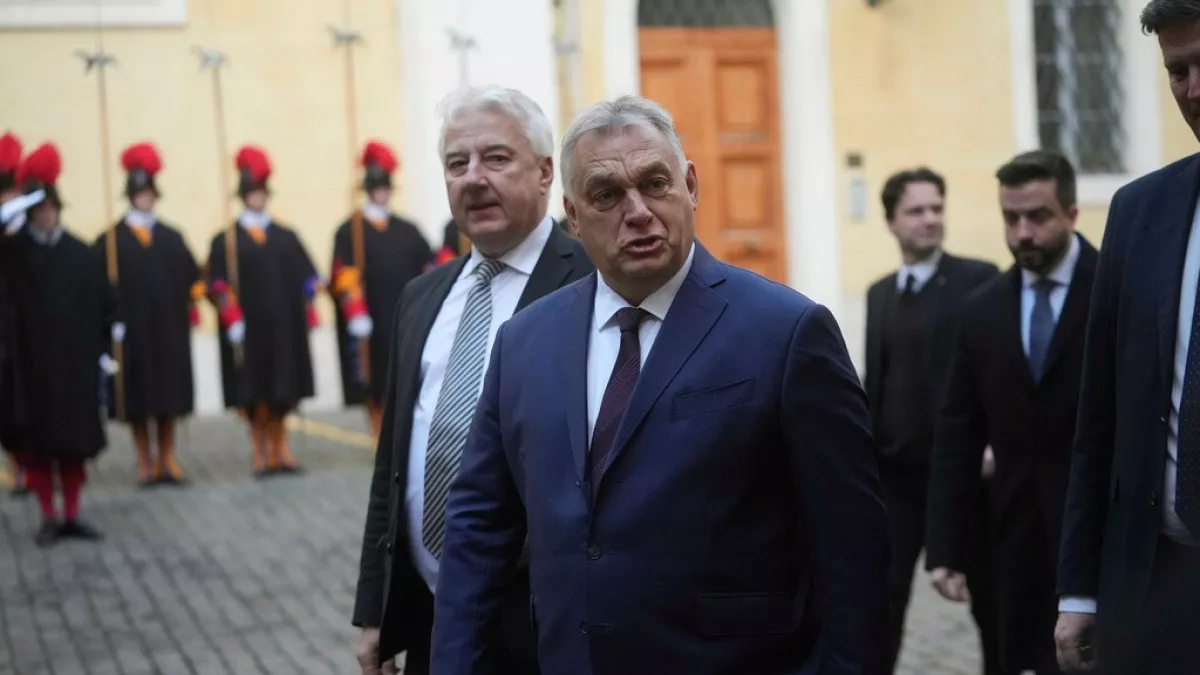
Hungarian Prime Minister Viktor Orbán concludes his EU Council presidency with a controversial ceasefire mission, meeting Turkish President Erdoğan and proposing a 'Christmas ceasefire' and prisoner exchange in Ukraine. Ukrainian President Volodymyr Zelenskyy criticized Orbán's efforts as self-serving and unauthorized, emphasizing that peace talks must involve Ukraine. Orbán's call with Russian President Putin and his proposals have been met with disapproval from Ukraine, which is wary of any peace deal that might favor Russia, especially with the impending US presidential transition to Donald Trump.
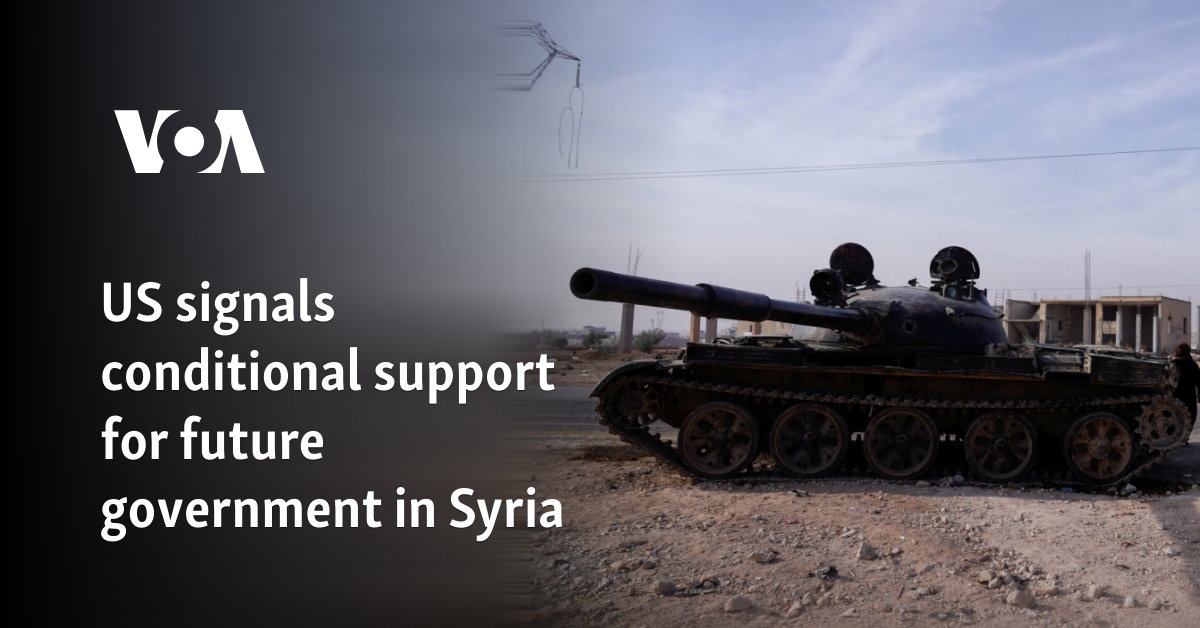
The Biden administration has expressed conditional support for a future Syrian government following the fall of Bashar al-Assad, emphasizing the need for a transparent, inclusive, and nonsectarian transition. The U.S. aims to ensure minority rights, humanitarian aid, and the prevention of terrorism. This stance could lead to lifting sanctions on Syria. Meanwhile, the rebel group Hayat Tahrir al-Sham, led by Abu Mohammed al-Jolani, has taken control, raising concerns due to its extremist past. The U.S. remains involved in the region, with President-elect Trump signaling a potential shift in policy.
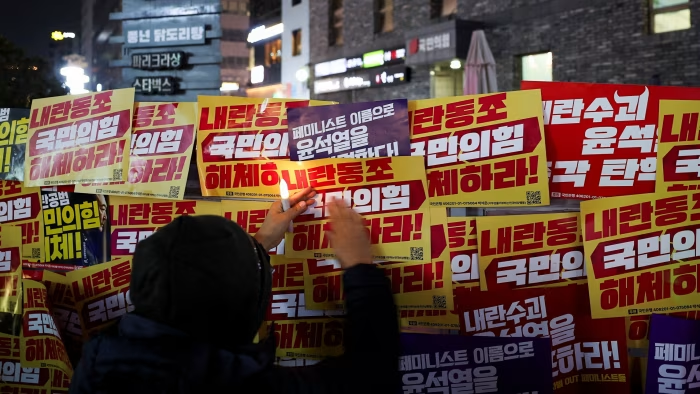
North Korea has criticized South Korean President Yoon Suk Yeol for his failed attempt to impose martial law, which has led to political chaos and calls for his impeachment. The Korean Central News Agency condemned Yoon's actions, describing them as dictatorial, while analysts speculate on North Korea's potential response, including nuclear tests. The situation is further complicated by the geopolitical dynamics involving the US, with uncertainty over Donald Trump's potential return to negotiations with North Korea and concerns about North Korea's growing ties with Russia.
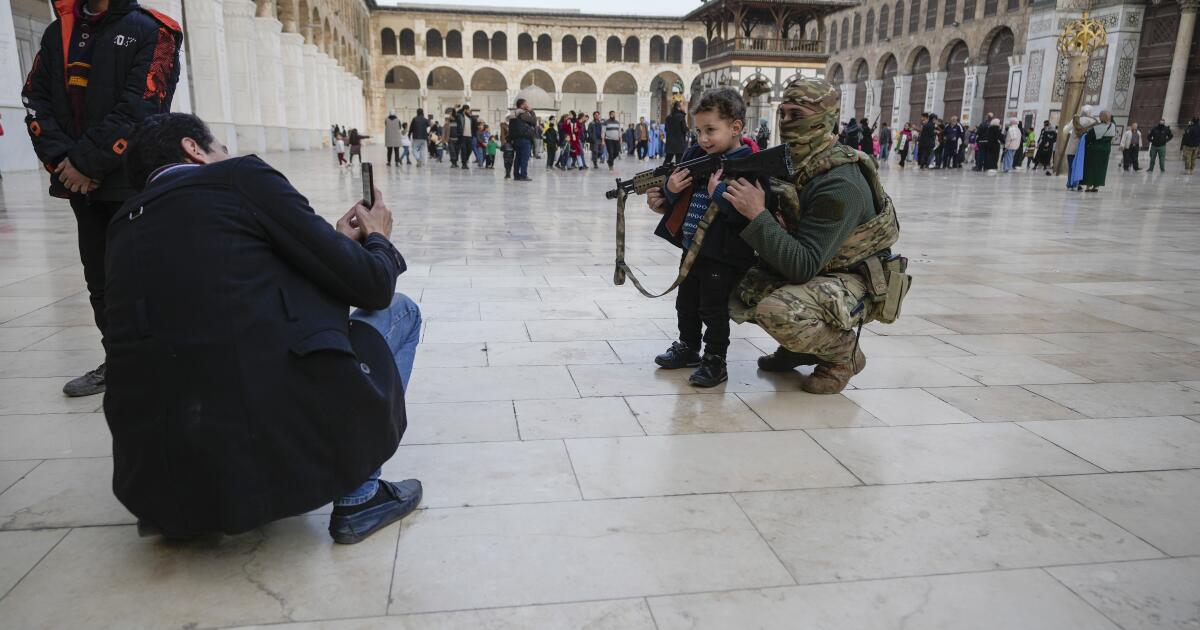
The Biden administration has announced its support for a new Syrian government that renounces terrorism, protects minority and women's rights, and destroys chemical weapons. This comes amid Israeli airstrikes in Syria and the collapse of Bashar Assad's government. The U.S. is open to working with Syrian groups, including the main rebel group Hayat Tahrir al Sham, despite its terrorist designation. The U.S. also supports Israel's military actions in the region, while maintaining its stance on the Golan Heights disengagement agreement.
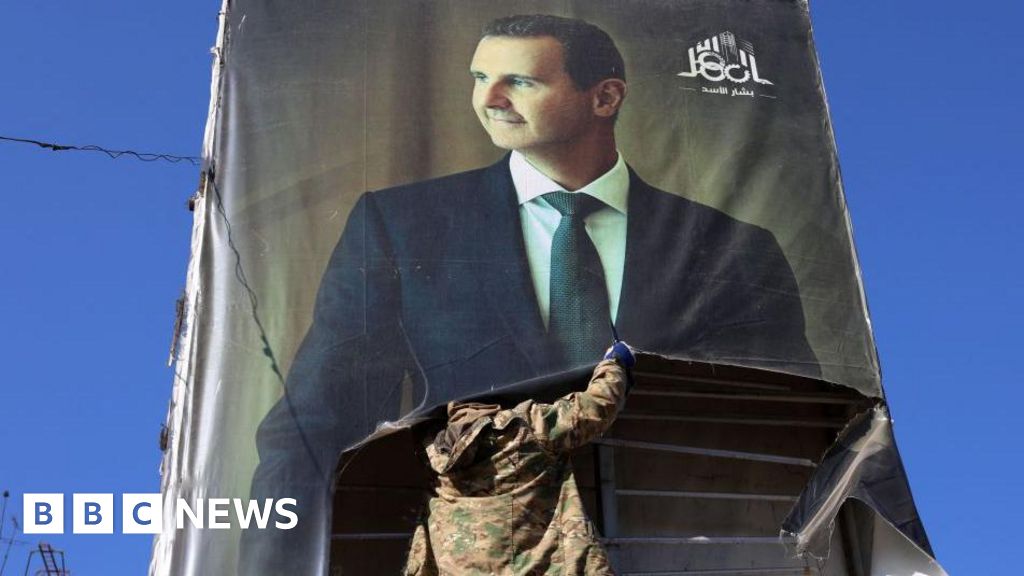
The rapid collapse of the Assad regime in Syria has left the UK facing a political dilemma, particularly regarding asylum applications from Syrians, which have been suspended. The UK government is also grappling with the potential rise of Hayat Tahrir-al Sham (HTS) as a governing force in Syria, a group currently labeled as a terrorist organization. While some UK officials suggest a swift decision on engaging with HTS, others, including the Prime Minister, advocate for a cautious approach, emphasizing that any decision will be based on HTS's actions.