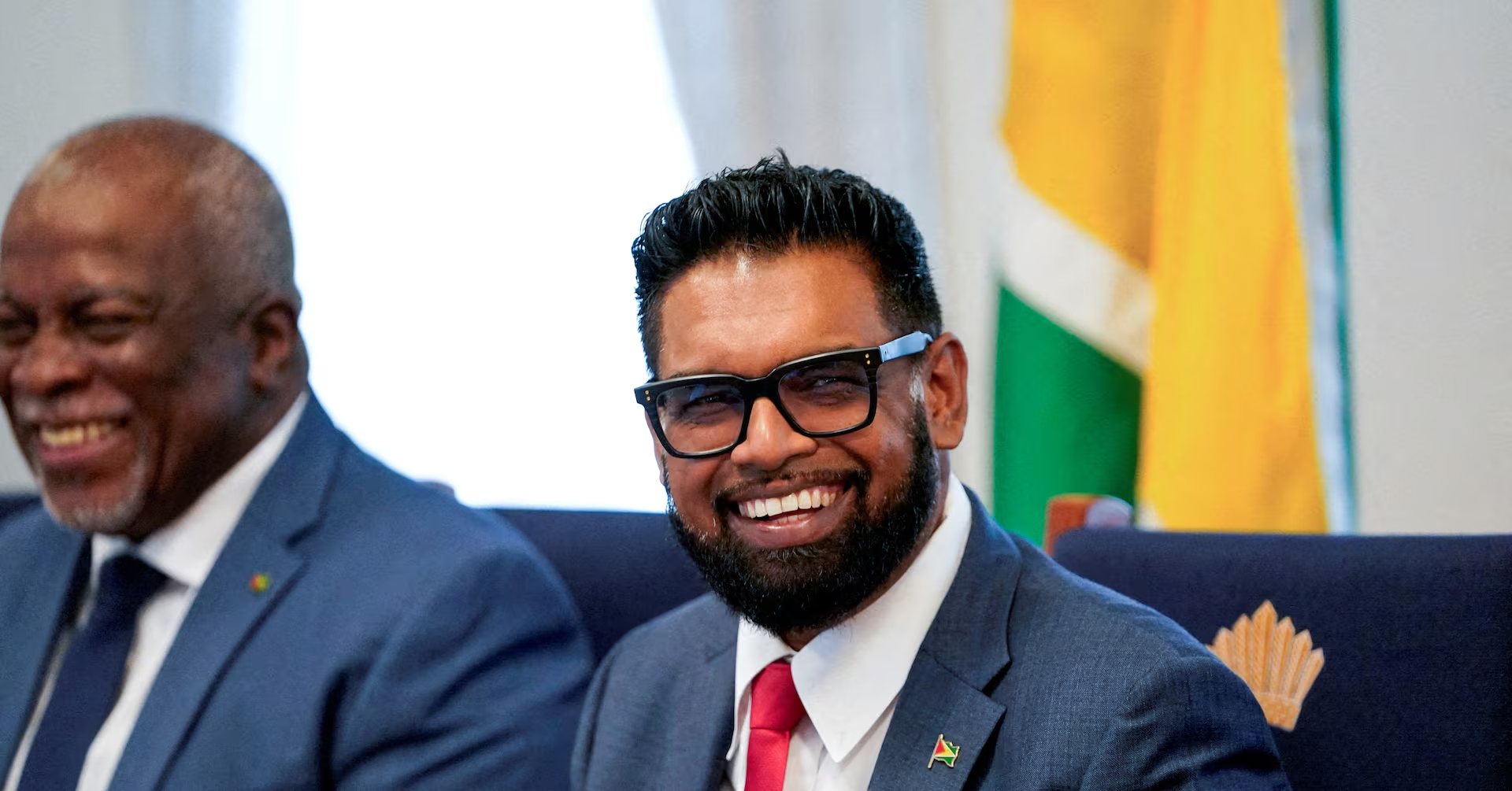
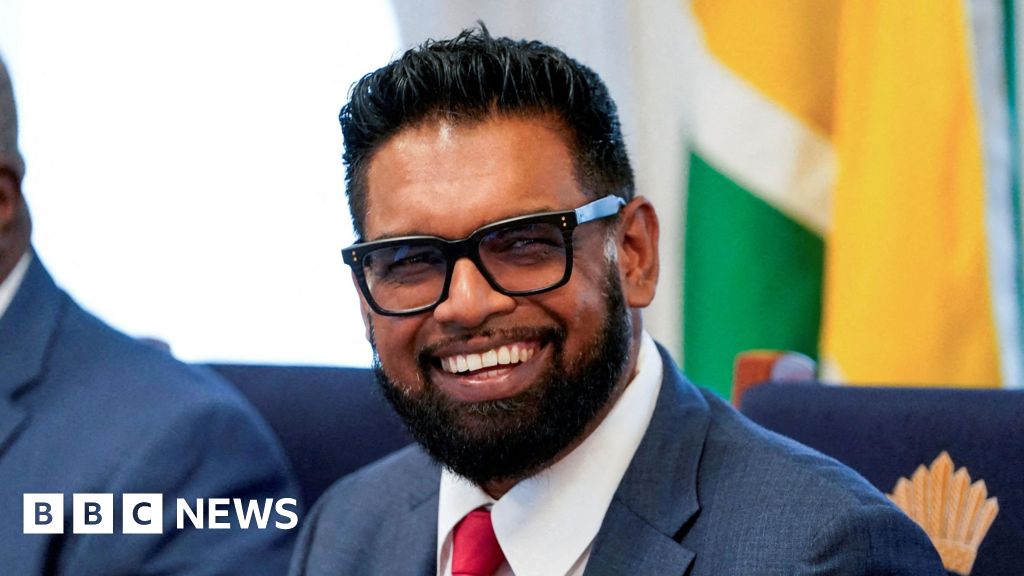
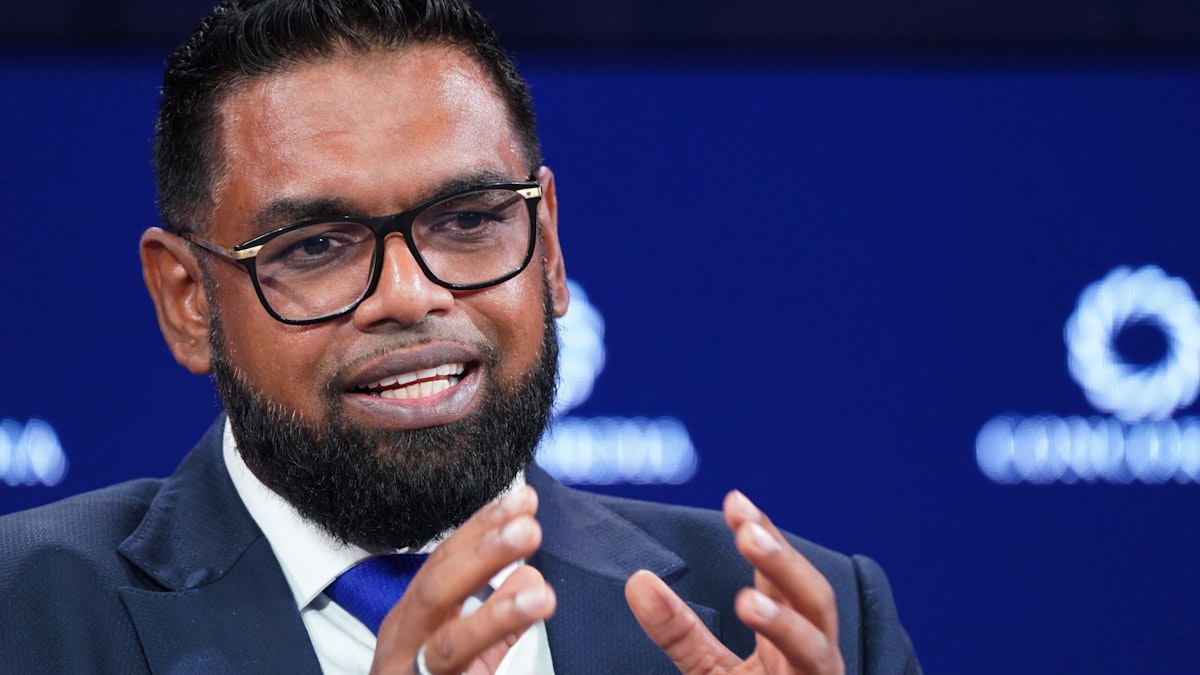
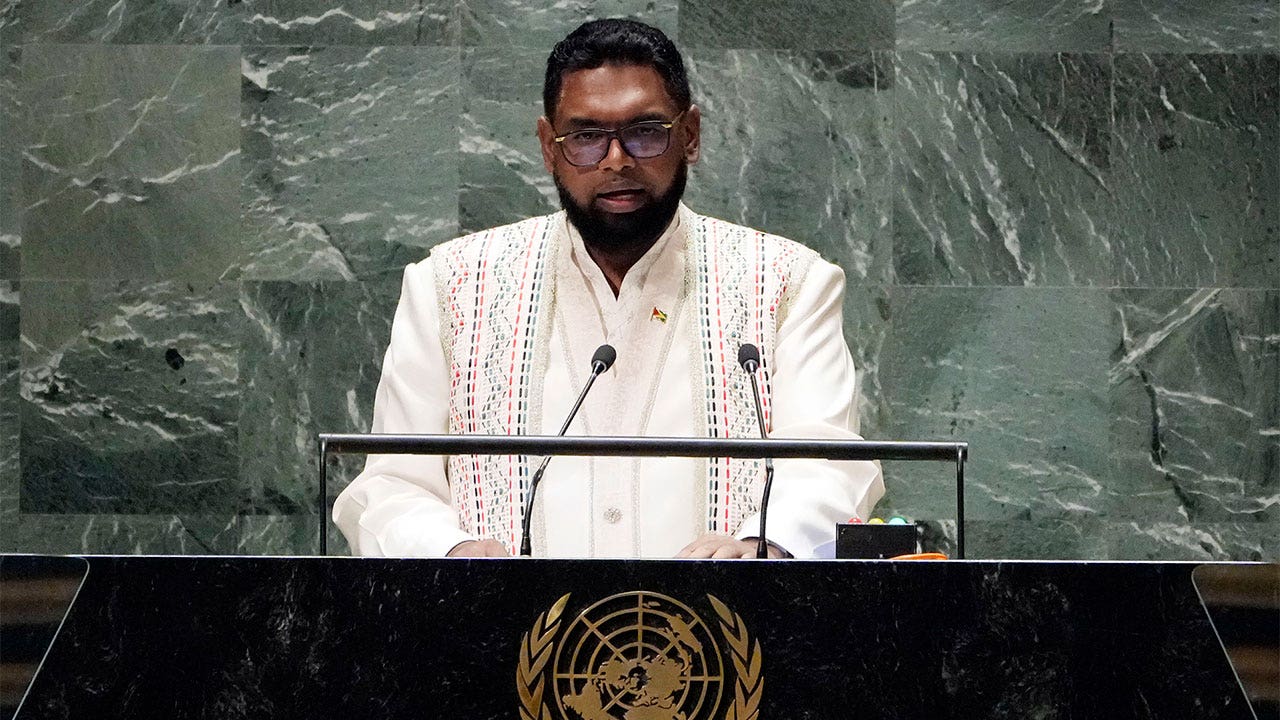
Guyana's President Irfaan Ali was sworn in for a second term after his electoral victory was confirmed, promising to diversify the economy beyond oil revenues and continue investments in social infrastructure and exploration.
Guyanese President Irfaan Ali has claimed a second term after his party, PPP, secured a majority in the election, with the country benefiting from its vast oil reserves amid regional tensions with Venezuela over territorial claims.
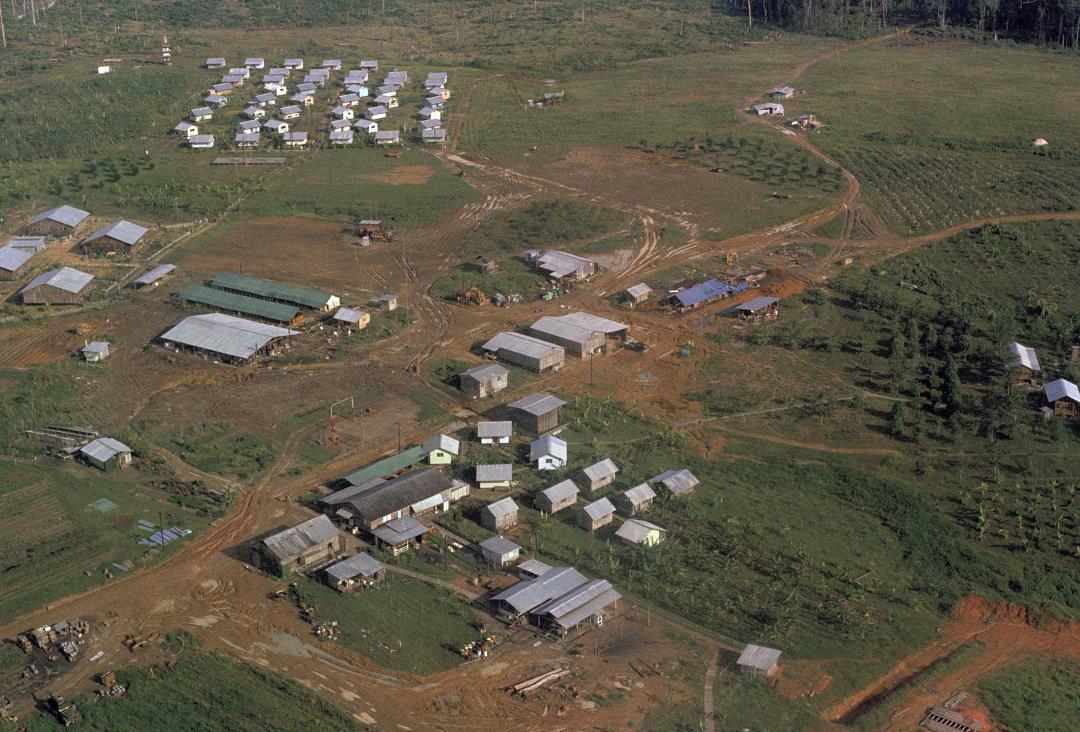
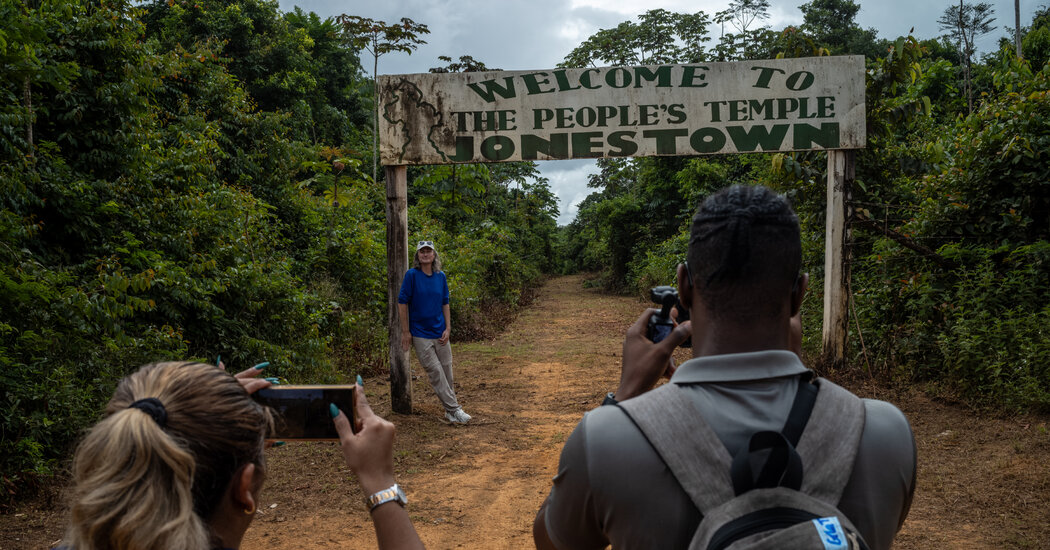
Decades after the Jonestown massacre, a new tour allows visitors to visit the site, sparking debate over whether it serves educational purposes or exploits tragedy, with mixed reactions from locals and survivors.
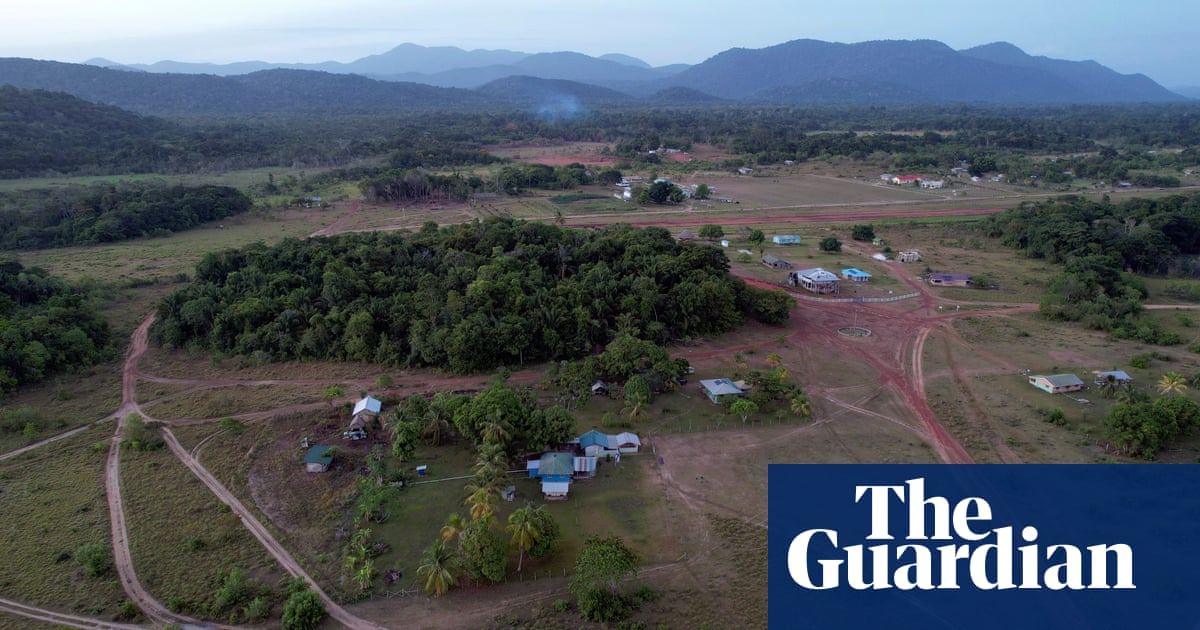
The site of the Jonestown massacre in Guyana is opening to tourists through a new tour, sparking controversy as survivors and locals debate whether revisiting this tragic event serves educational purposes or commodifies suffering. The tour aims to educate about manipulation and cult dangers, but critics see it as a money grab, while some residents prefer to move on from the dark history.
The Guyana Police Force is investigating a suspicious vehicle incident where a man in a heavily tinted silver car attempted to lure two Marian Academy students with candy. The students, who were approached near the school's Primary waiting area, declined the offer and reported the incident to school authorities, providing the car's license plate number. This has raised safety concerns among parents and staff.
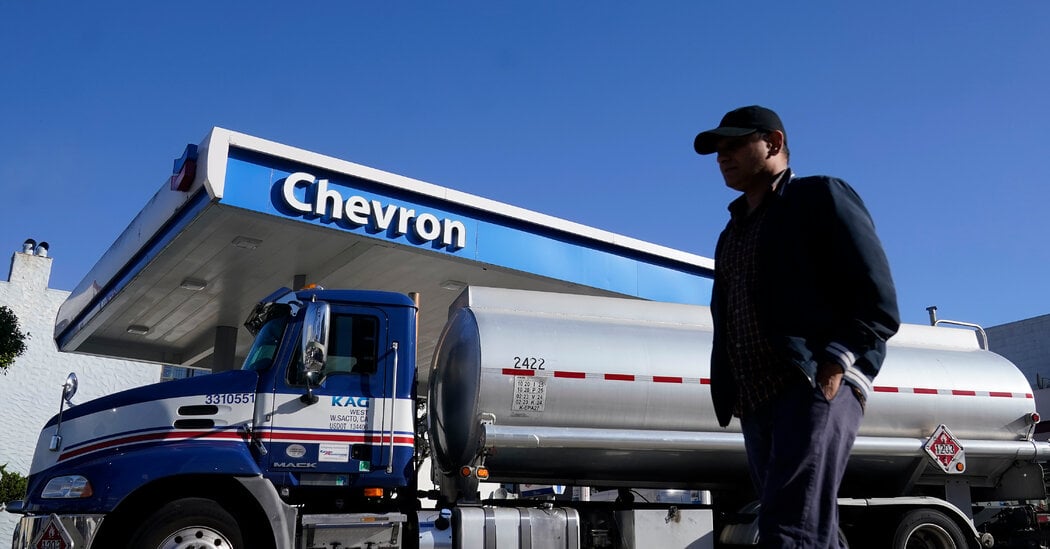
Hess shareholders have approved a $53 billion sale of the company to Chevron, which includes a valuable stake in an Exxon Mobil-led oil project in Guyana. However, the deal faces legal challenges as Exxon contests the sale, arguing it has the right to buy Hess's stake. The dispute is currently in arbitration, and a decision may not come until next year.
Hess shareholders have approved a $53 billion merger with Chevron, allowing the latter to gain significant assets in Guyana. The deal still requires regulatory approval and must resolve an arbitration dispute with Exxon and CNOOC, who claim a right of first refusal on Hess's Guyana assets. The merger is expected to provide Chevron with strategic growth opportunities and mitigate geopolitical risks.
Hess Corporation shareholders approved a $53 billion acquisition by Chevron, despite a dispute with Exxon Mobil over Hess' assets in Guyana. The deal's completion is uncertain due to arbitration proceedings initiated by Exxon, which claims a right of first refusal under a joint operating agreement. The merger, originally expected to close in early 2024, faces delays and scrutiny from the Federal Trade Commission.
Guyana's president has expressed support for Chevron's proposal to invest in a $150 billion oil project in the country, highlighting the potential economic benefits and growth opportunities for Guyana's energy sector.
Guyana President Mohamed Irfaan Ali pushed back against a BBC reporter's criticism of the country's oil drilling, highlighting the nation's efforts to preserve its vast forest and biodiversity. Ali emphasized that Guyana has maintained a forest the size of England and Scotland combined, storing 19.5 gigatons of carbon, and criticized the hypocrisy of the developed world in lecturing his country while failing to pay for the environmental benefits it provides. He asserted that despite oil and gas exploration, Guyana will remain net zero and challenged the reporter on whether he was influenced by those who have historically damaged the environment.
Guyana President Mohamed Irfaan Ali clashed with a BBC reporter who questioned the country's decision to allow oil extraction off its coast, asserting that Guyana has the right to make its own choices and criticizing western nations for their environmental impact. Ali defended Guyana's environmental record, highlighting its low deforestation rate and claiming that the country will achieve net-zero emissions despite the drilling. He accused the reporter of hypocrisy and questioned whether he was influenced by those who have historically damaged the environment.
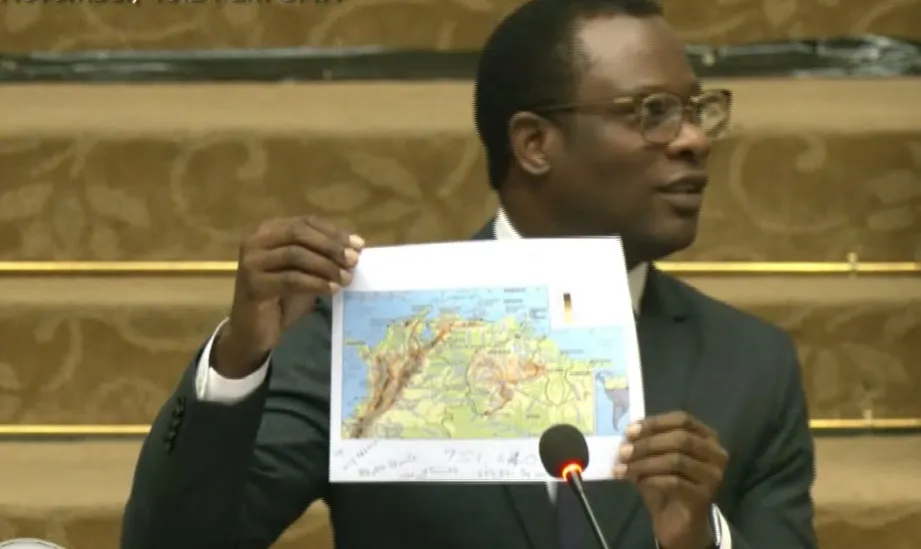
Venezuela accuses Guyana of granting illegal oil concessions in disputed territory, while Guyana claims Venezuela is conducting military movements near their border. The two countries have a long-standing territorial dispute over the mineral-rich Essequibo region, with Venezuela accusing Guyana of breaching a peace agreement and Guyana seeking a definitive ruling from the World Court. The U.S. has shown support for Guyana, and both countries are set to hold a summit in March to address the border issue.
Satellite pictures reveal Venezuela's military expansion near the border with Guyana, prompting concerns about double standards in light of diplomatic negotiations. Guyana's Foreign Affairs Minister raised these concerns with his Venezuelan counterpart and emphasized the commitment to resolving the dispute through the International Court of Justice. The Center for Strategic and International Studies highlighted the potential risks of Venezuela's escalatory behavior and the need for policymakers to monitor the situation as negotiations between the two countries approach.
Despite a recent agreement to de-escalate tensions, satellite images reveal that Venezuela has increased its military presence near the border with Guyana, with an expansion of operations at the Anacoco Island military base and new infrastructure, including armored vehicles and improved access roads. This comes after a December agreement between the two countries to avoid escalation and settle the territorial dispute diplomatically, following heightened tensions over a Venezuelan referendum and concerns of armed conflict.
Satellite images reveal Venezuela's military buildup near the Guyana border, despite President Maduro's previous pledge not to take military action. The disputed territory of Essequibo, rich in resources, has been a point of contention, with Maduro seeking to annex it. The escalating dispute has led to increased tensions, prompting Brazil to deploy more troops to its border with Guyana and Venezuela, while the US has agreed to bolster Guyana's defense. Analysts suggest Maduro's actions may be driven by domestic and economic reasons, as well as a strategy to pressure Guyana into sharing revenue from recent oil discoveries.