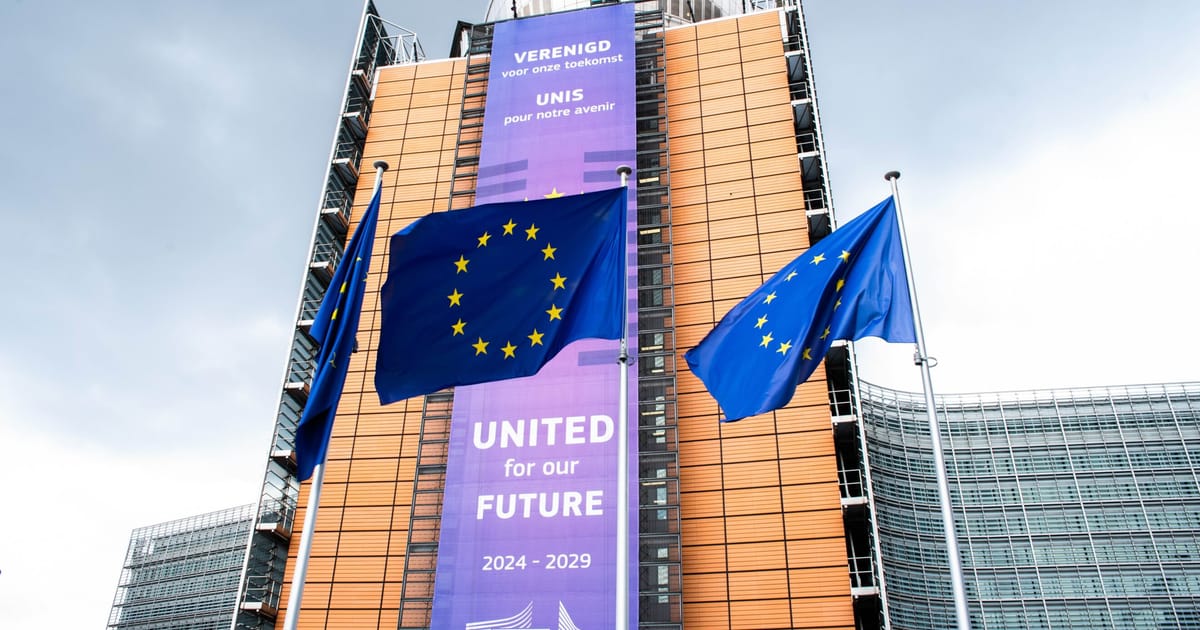
EU leaders face significant challenges at a critical Ukraine summit, amid tensions involving US policies and leadership, with concerns over Trump's social media rules, US-Europe relations, and internal European unity.
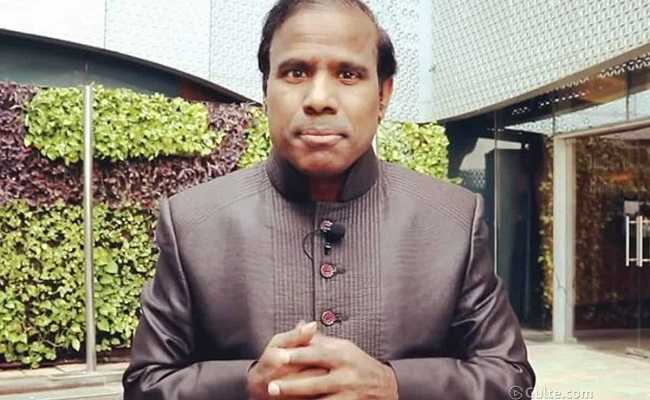
KA Paul claims he personally urged the Nobel Committee to deny Donald Trump the Nobel Peace Prize, citing reasons of unfitness, and also states he declined both the Nobel Peace Prize and India's Bharat Ratna in the past.
The article reports on a memorial event for Charlie Kirk held in Lima, Peru, where attendees from poor neighborhoods were bused in, highlighting how Kirk's image is used as a political tool abroad, despite many attendees being unfamiliar with him, illustrating the international reach of American political and religious influence.
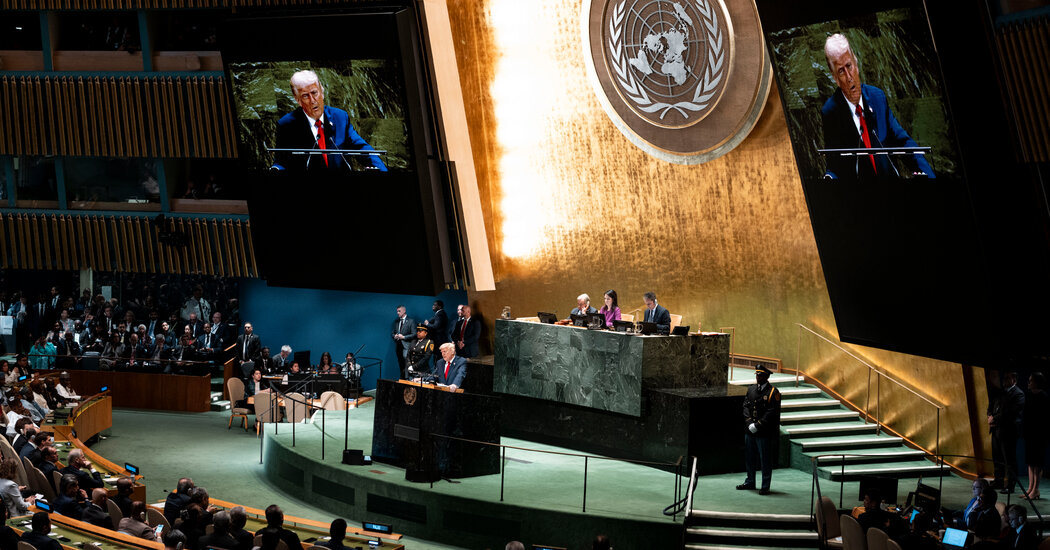
President Trump delivered a speech at the U.N. General Assembly making several false and misleading claims about the economy, renewable energy, and London’s mayor, which were fact-checked and found to be inaccurate or exaggerated.
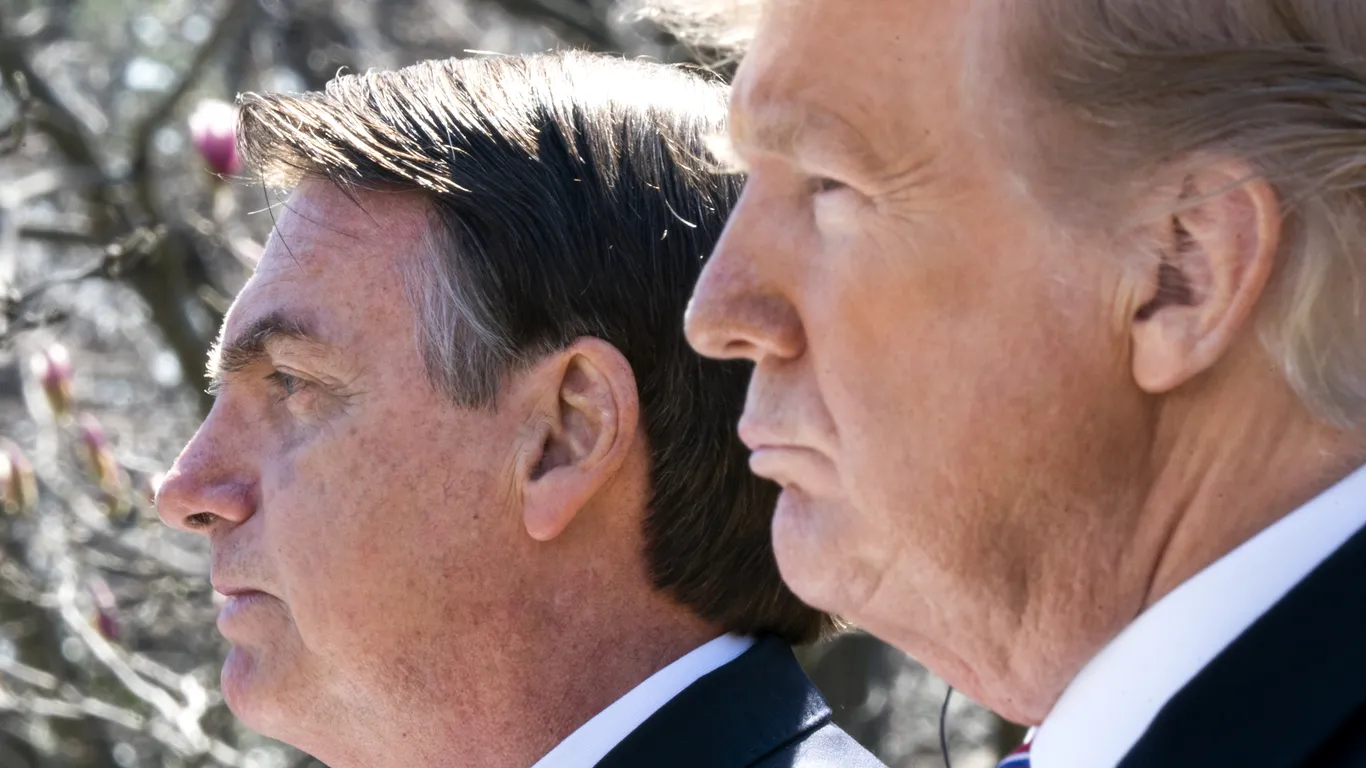
Former President Trump continues to defend right-wing allies overseas by labeling their legal troubles as 'witch hunts,' notably supporting Bolsonaro amid tariffs and criticizing judicial proceedings against Netanyahu and Le Pen, reflecting his broader stance on political prosecutions abroad.
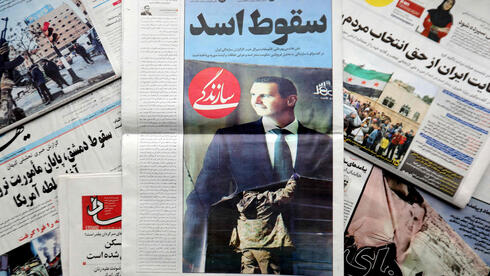
Iranians, including government supporters, are expressing outrage over the $30 billion spent on Syria, now seen as a failed investment following the fall of Bashar Assad's regime. Criticism of the Ayatollah regime's strategy is widespread, with calls for a shift from military support to diplomatic relations. The Iranian government faces public discontent and fears of renewed protests, while attempting to maintain a diplomatic presence in Syria.
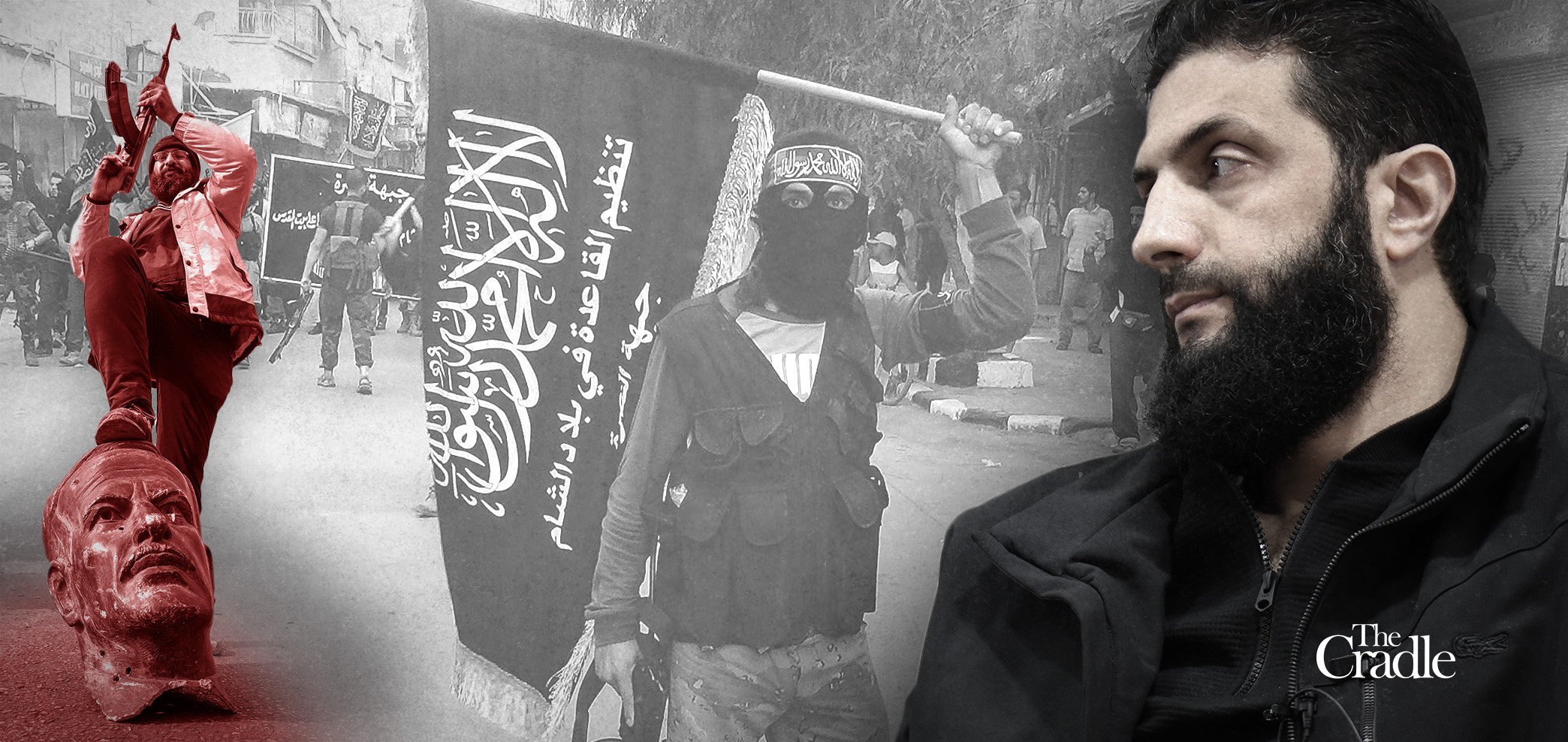
The article discusses the rebranding of Abu Mohammad al-Julani, leader of the Al-Qaeda offshoot Hayat Tahrir al-Sham (HTS), amid his group's strategic importance to US operations in Syria. Despite HTS's terrorist designation, Julani's transformation is portrayed as a PR move to align with Western interests, particularly in destabilizing Syria. The piece highlights the US and its allies' historical support for Julani and similar groups, emphasizing the geopolitical motivations behind these alliances.
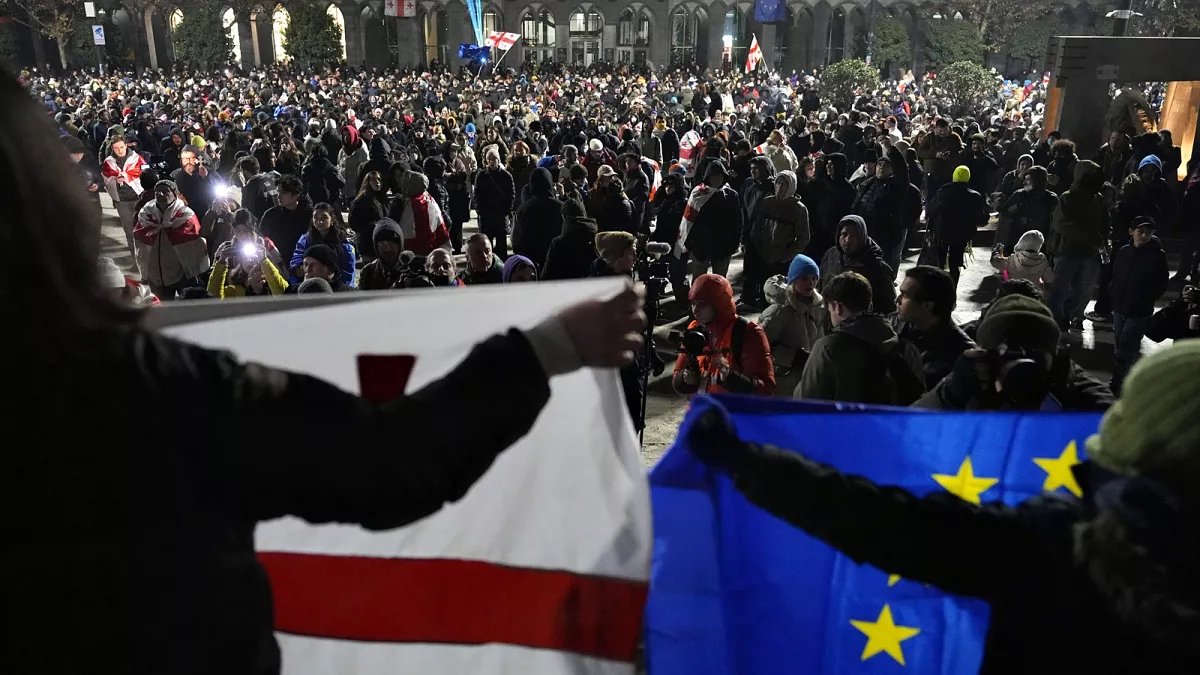
The EU is considering sanctions against Georgian officials due to the government's crackdown on pro-EU protests and democratic backsliding, despite Hungary's threat to veto such measures. The sanctions discussion, led by EU foreign policy chief Kaja Kallas, will focus on individuals involved in the repression of protests. Hungary's opposition, citing the integrity of Georgia's recent elections, poses a significant obstacle to consensus. The EU is also contemplating changes to Georgia's visa-free travel to the bloc as a potential pressure tactic.
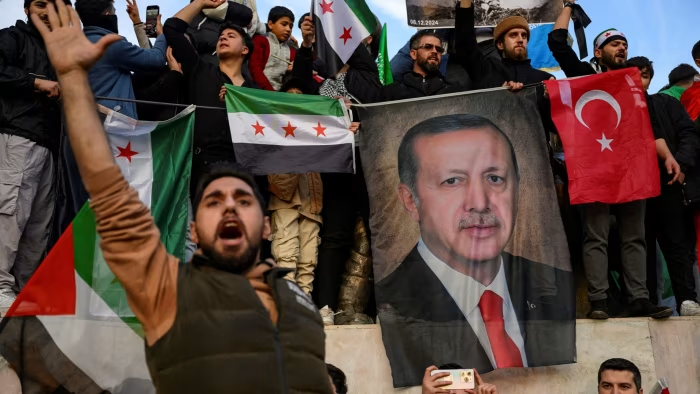
The fall of Assad in Syria has sparked euphoria among Turkish pro-government circles, who credit President Erdoğan with orchestrating the victory of Islamist-led forces. This development is seen as a potential boost for Turkey's regional influence and domestic power consolidation. However, the situation remains complex, with uncertainties about the true power dynamics in Syria and the role of groups like Hay’at Tahrir al-Sham (HTS). While Erdoğanists view the outcome as a triumph, the opposition fears the rise of a Kurdish state and questions the extent of Turkey's control. The broader geopolitical landscape involves multiple actors, including the US, Israel, and potentially China, complicating any single nation's dominance. The economic prospects for rebuilding Syria are uncertain amid ongoing conflicts.
Iranians are expressing dissatisfaction with their government's involvement in Syria, confronting leaders over the perceived failures and costs of their foreign policy in the region.
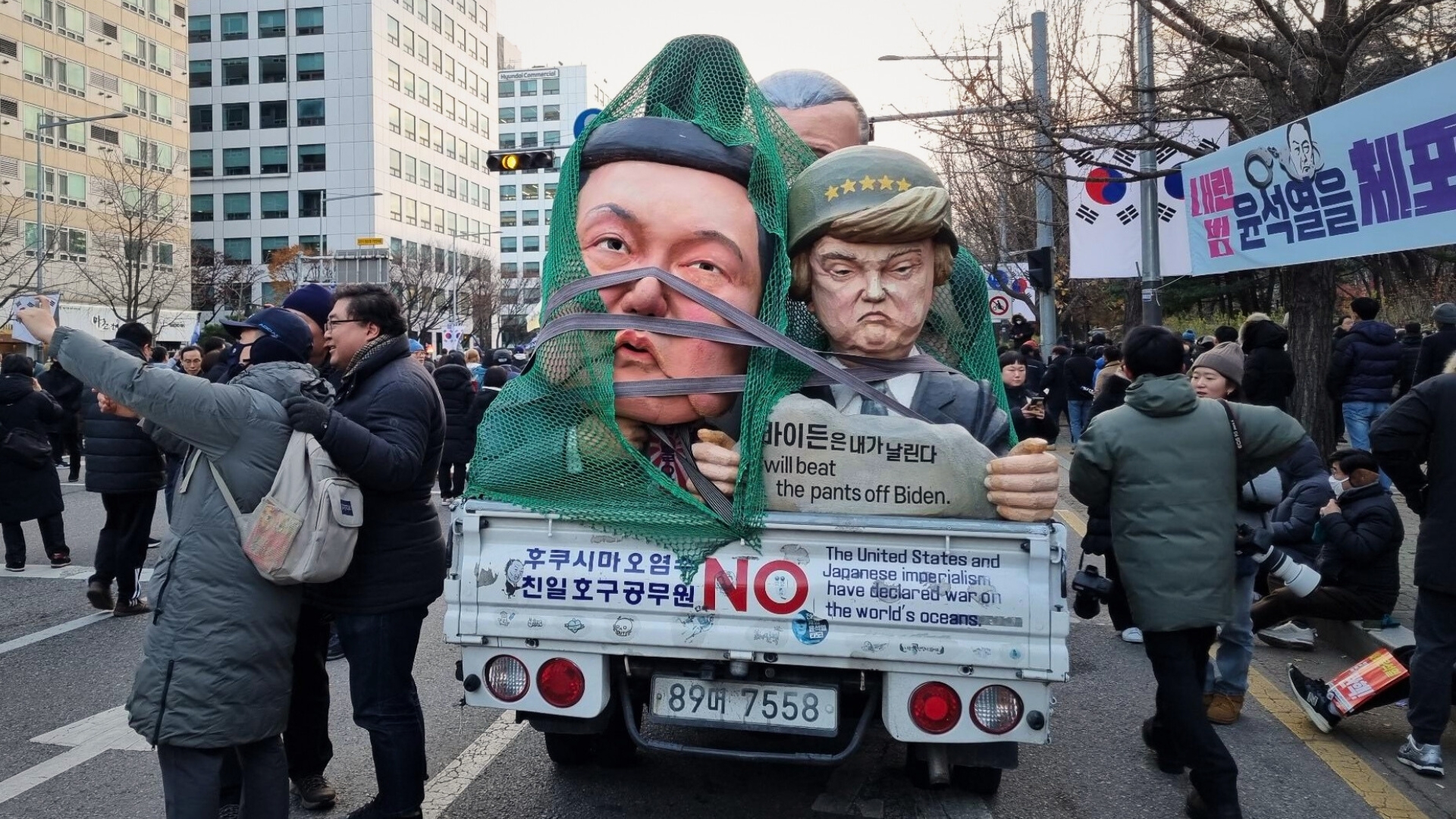
South Korean President Yoon Suk-yeol's brief declaration of martial law has severely damaged the country's international reputation as a stable democracy and reliable security partner. The incident has jeopardized South Korea's ambitions to play a larger role in US nuclear policy and strained its trilateral cooperation with the US and Japan. Allegations that Yoon's administration provoked North Korea to justify martial law have further complicated the situation, raising doubts about South Korea's trustworthiness as an ally. The fallout from this crisis is expected to have long-lasting impacts on South Korea's security and diplomatic standing.
President-elect Donald Trump has criticized Ukraine's use of long-range missiles against Russia, aligning with some U.S. political figures who fear escalation. Trump's stance could weaken NATO unity and inadvertently support Russia's deterrence strategy. Despite this, Ukraine's missile strikes have strategic value, potentially impacting Russian military capabilities and negotiations. The article argues for a "peace through strength" approach, highlighting Russia's recent military setbacks as evidence of its limitations.
Turkish President Recep Tayyip Erdoğan views the recent overthrow of the Assad regime in Syria as an opportunity to address two major political challenges: securing Kurdish support to amend the constitution for a potential 2028 presidential run and repatriating Syrian refugees to bolster domestic support. With Assad's fall, Erdoğan aims to weaken the Syrian Kurdish forces, which could help him gain Kurdish backing in Turkey, and facilitate the return of refugees, addressing nationalist sentiments at home. However, past experiences suggest that his plans may face significant obstacles.
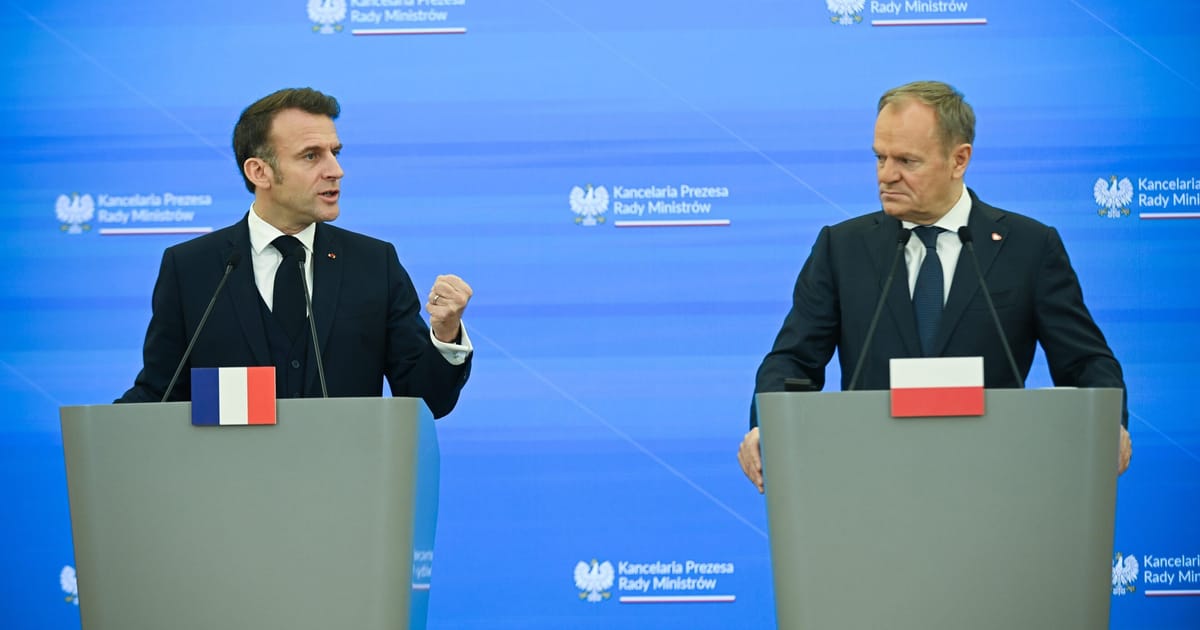
Poland's Donald Tusk has halted discussions on a potential peacekeeping force in Ukraine, while in France, far-right leader Marine Le Pen faces a strategic decision on whether to disrupt the political landscape or cooperate, with an eye on the 2027 presidential election. Meanwhile, France and Poland are set to discuss the deployment of foreign troops to Ukraine post-conflict, and French Socialist leaders are reaching out to President Macron as they navigate the formation of a new government following the ousting of Prime Minister Barnier.
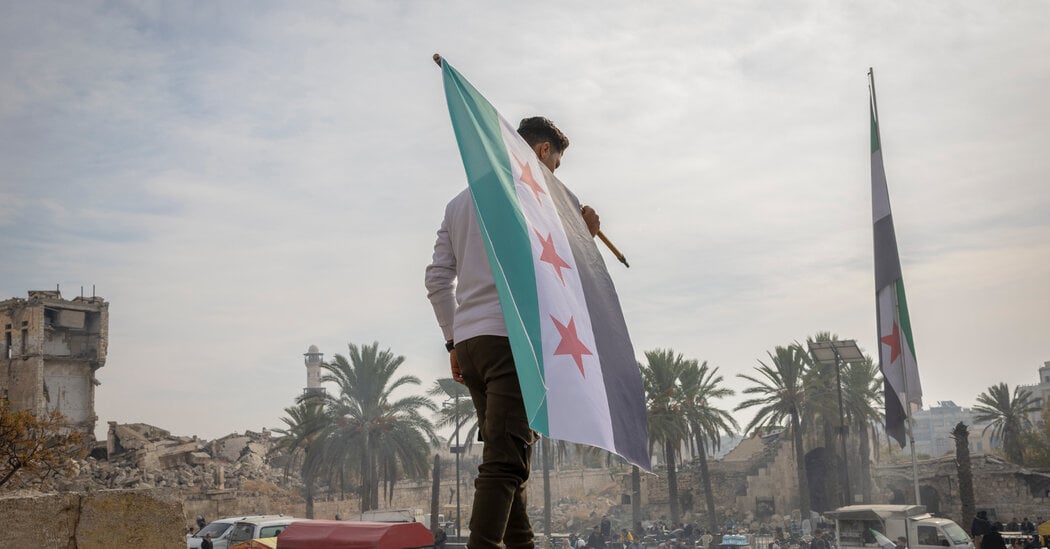
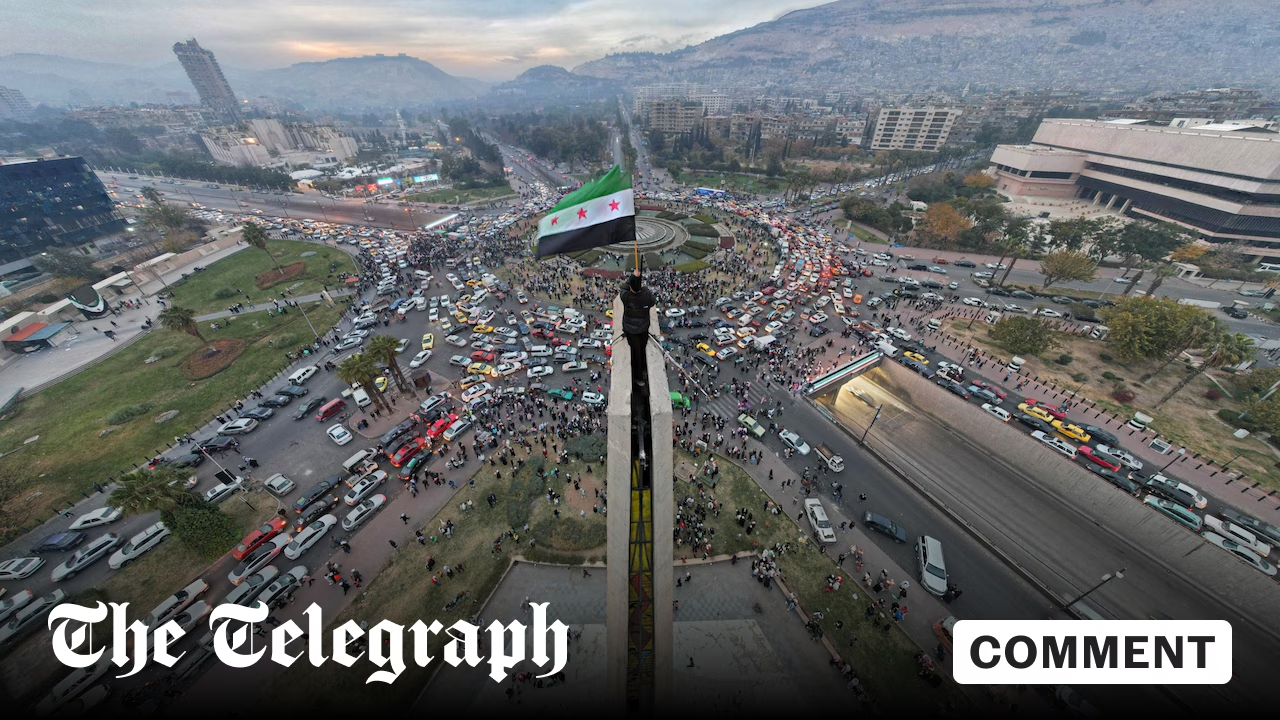
Bashar al-Assad's regime in Syria has collapsed, forcing him to seek asylum in Russia, marking a significant victory for Syrian rebels and a humiliating defeat for Russia, which had supported Assad for over a decade. The fall of Assad's regime highlights Russia's limited resources and strategic failures, raising questions about its military competence and global influence, particularly in the Middle East and Africa. Russia's inability to prevent Assad's downfall, despite its military and disinformation efforts, underscores the fragility of its alliances with authoritarian regimes.