A statewide study in Maryland reveals significant gaps in Alzheimer's diagnosis and care between urban and rural areas, with rural communities facing higher mortality rates, limited hospital access, and a shortage of specialized healthcare providers, highlighting the need for targeted policy interventions to address these disparities nationwide.
A study published in JAMA Health Forum reports a 27% increase in premature deaths among Americans aged 18-64 from 2012 to 2022, with significant disparities by race and location, highlighting that more people are dying before they can access Medicare at age 65.
Self-reported memory and thinking difficulties among U.S. adults, especially those aged 18-39, have increased significantly over the past decade, with higher rates among lower-income, less-educated, and minority groups, prompting calls for further research into social and economic causes.
Campaigners urge the NHS to change prostate cancer treatment for black men to prevent higher death rates, advocating for earlier diagnosis, better community engagement, and systemic reforms to address health disparities.
A study from Tufts University highlights that nearly one in three young adults in the US skipped dental visits in the past year, mainly due to cost, lack of insurance, and social factors, emphasizing the urgent need to integrate dental care into overall health systems and address disparities to improve long-term health outcomes.
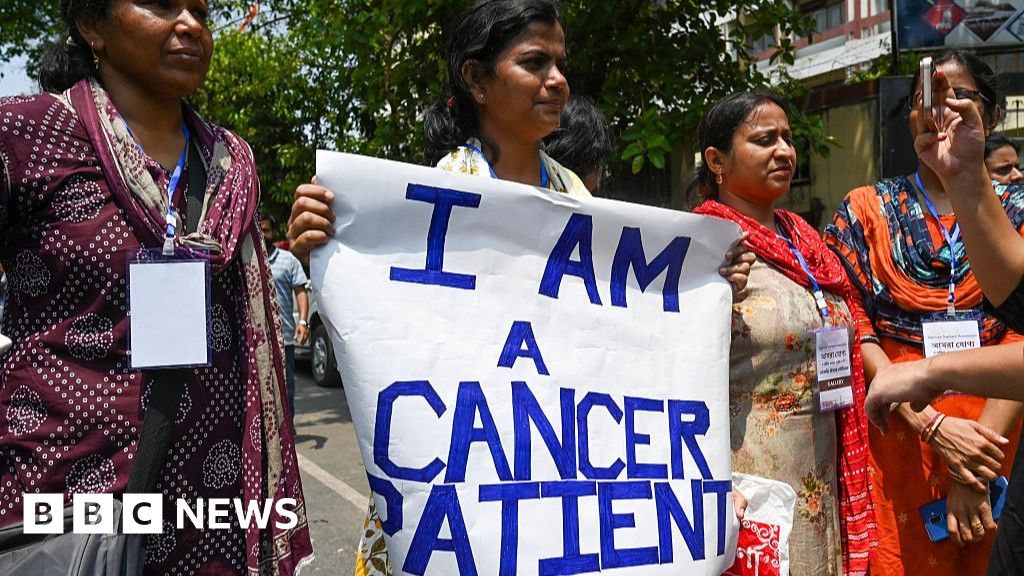
In India, women are more likely to be diagnosed with cancer, but men have higher mortality rates, largely due to lifestyle factors, late diagnosis, and access to healthcare. The cancer burden varies regionally, with lifestyle and environmental factors playing significant roles, highlighting the need for targeted prevention and early detection efforts.
Doctors are concerned about rising COVID cases amid confusing vaccine eligibility rules, which may lead to decreased vaccination rates, especially among vulnerable children and underserved populations, potentially resulting in more severe illness, long COVID, and overwhelmed healthcare systems during the upcoming cold and flu season.
Research indicates that individuals with less education tend to age biologically faster than those with more education, highlighting education as a significant social determinant of health and ageing. Additionally, experiencing the loss of loved ones across life stages is linked to accelerated biological ageing, possibly due to trauma and stress. These findings suggest that social factors and emotional experiences play crucial roles in the ageing process, beyond lifestyle choices and genetics.
A USC study finds that Americans with less education are aging faster biologically than those with more schooling, and this gap has nearly doubled over 30 years, highlighting education as a key social determinant of health and increasing health inequality.
Mount Sinai Hospital and the Real Dads Network in Manhattan are partnering to provide free heart health screenings for Black men to address high rates of undiagnosed heart conditions, emphasizing community trust, cultural understanding, and accessible care to reduce health disparities.
A long-term study finds that sexual minority adults, including lesbian, gay, bisexual, and mostly heterosexual individuals, experience higher and increasing levels of social isolation from early adulthood into midlife compared to heterosexuals, with implications for health disparities later in life.
A study reveals that most Americans are unaware of HPV and its link to various cancers, especially in Midwest and Southern states, contributing to low vaccination rates. Despite the availability of effective vaccines that can prevent multiple HPV-related cancers, public knowledge remains limited, highlighting the need for enhanced education and outreach efforts to improve vaccination coverage and reduce cancer incidence. The study emphasizes the importance of addressing regional disparities and misinformation to better prevent HPV-related health issues.
The U.S. federal government has significantly reduced funding for research on health disparities among minority and low-income groups, citing concerns over identity politics, which threatens ongoing efforts to understand and address racial and socioeconomic health gaps.
A new heart age calculator using standard health measures reveals that most Americans have hearts older than their chronological age, with significant disparities among different demographic groups. While this tool may motivate healthier behaviors, experts caution about potential negative effects and emphasize the need for sensitive communication and further research.
A study found that adults who develop cardiovascular disease show a decline in physical activity starting about 12 years before diagnosis, with Black women at the highest risk of low activity post-diagnosis, highlighting the importance of maintaining activity levels throughout life to reduce cardiovascular risk.