The U.S. State Department is developing an online portal called freedom.gov to let people in Europe and other regions view content blocked by local governments, potentially with a VPN function; the plan, led by Sarah Rogers, was expected to be unveiled at a security conference but was delayed, and some lawyers have raised concerns about censorship circumvention and diplomatic tension with Europe.
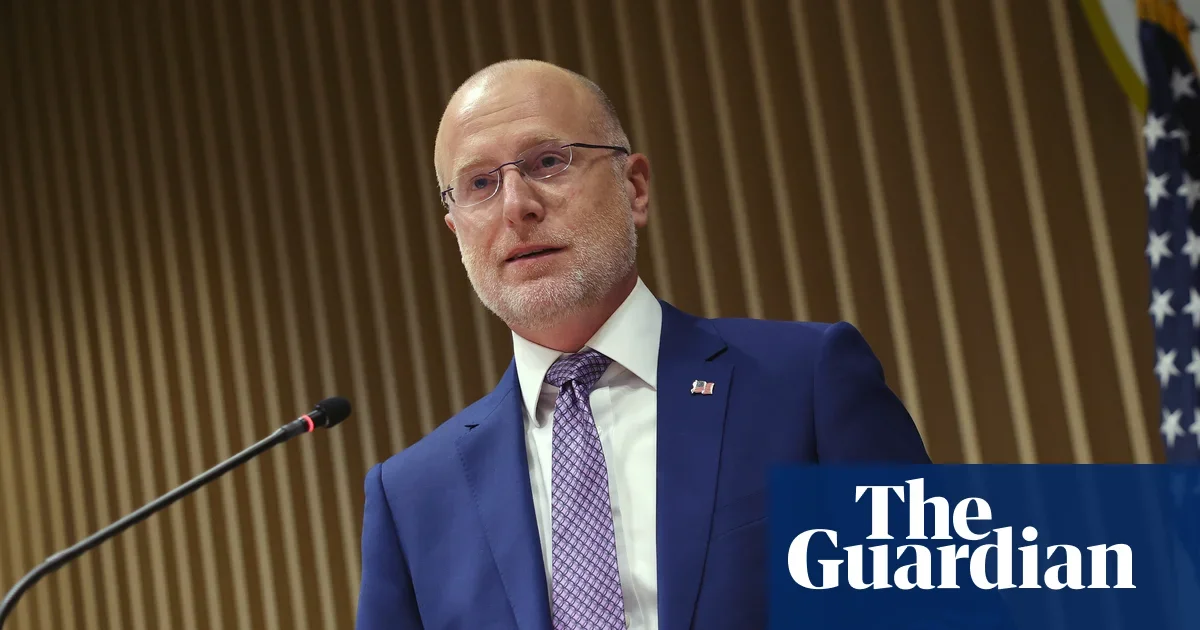
FCC chair Brendan Carr accused journalists of being misled by Stephen Colbert’s claim that CBS blocked an interview with a Texas Senate candidate, saying the agency simply enforces the equal-time rule; CBS denied blocking and said it provided legal guidance, Colbert moved the interview to YouTube after the dispute, and the episode sparked broader debate about enforcement fairness and related investigations.
ISW reports Moscow is intensifying censorship by blocking WhatsApp and other Western platforms to tighten control over the RuNet, with partial outages and DNS gating amid claims of compliance with Russian laws. In Ukraine, forces conduct localized counterattacks near the Dnipropetrovsk–Zaporizhzia border and have carried out strikes on Russian military, defense-industrial, and energy facilities, including the Kotluban GRAU arsenal near Volgograd, the Ukhta refinery in Komi, and the Michurinsk Progress Plant. Western allies (UK and Netherlands) announced new military aid to Ukraine—air defense support and training resources, plus missiles and simulators—to bolster Kyiv’s defense. Analysts note frontline comms challenges linked to Russia’s Telegram restrictions and SpaceX Starlink issues, while noting the ongoing need for a comprehensive air-defense umbrella. Independent reporting reiterates that 2025 was the deadliest year for Ukrainian civilians, with Russia employing drone campaigns and battlefield interdiction tactics in multiple fronts (Kharkiv, Donetsk, Zaporizhzhia, and Kherson). The situation remains fluid as both sides pursue strategic gains and continue to leverage information and cyber-domain effects in this conflict.
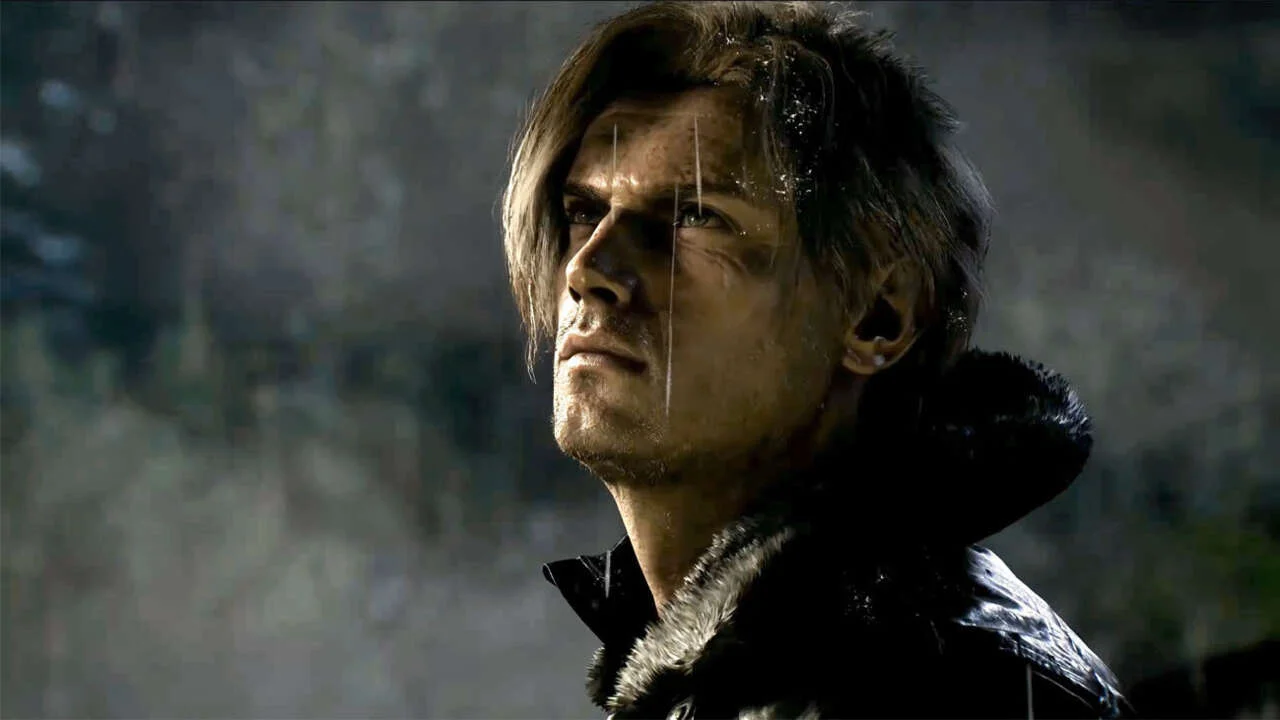
In a Nintendo Direct Partner Showcase, Resident Evil Requiem is headed to Switch 2 and other platforms, but fans mocked Leon S. Kennedy for missing shots in a preview, fueling talk that Nintendo nerfed him to curb violence; the piece also notes censorship debates around other titles and confirms RE Requiem’s M rating with a February 27, 2026 release.
NewsGuard, a firm that rates the reliability of online news outlets, has sued President Trump’s Federal Trade Commission, alleging the agency tried to drive it out of business by barring a major ad agency from using NewsGuard’s ratings in retaliation for disagreements with its assessments. The company frames the move as censorship and argues it violates First and Fourth Amendment rights, illustrating a clash between a government regulator and a private ratings provider over online news credibility.
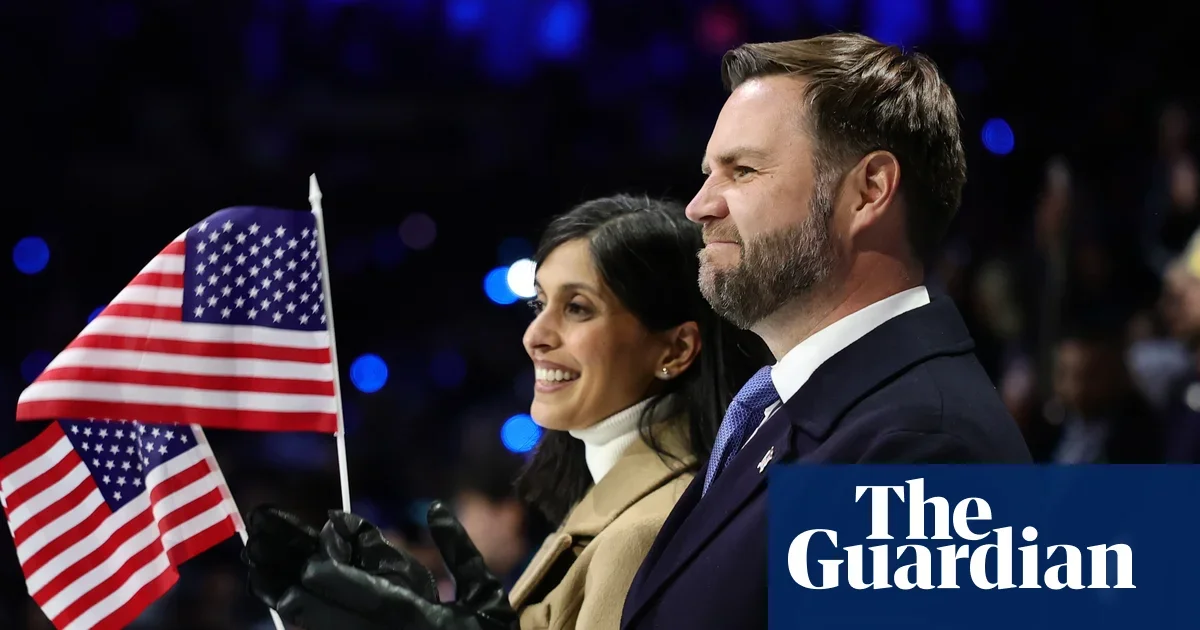
NBC’s Milan Winter Olympics broadcast reportedly skipped or downplayed boos directed at US Vice-President JD Vance, a moment captured on CBC’s feed and noted by several outlets. The episode mirrors earlier efforts to quiet dissent at major events (including the US Open) and comes amid protests over ICE presence at the Games, with Israeli athletes also facing mixed reactions.
TikTok’s US debut under new owners has been rocked by outages blamed on winter storms and data-center issues, fueling accusations of censorship as users report suppressed views; California’s governor announced an inquiry into content suppression, while a rival app Upscrolled gains traction, signaling mounting political and regulatory pressure around the platform’s data practices and control in the US.
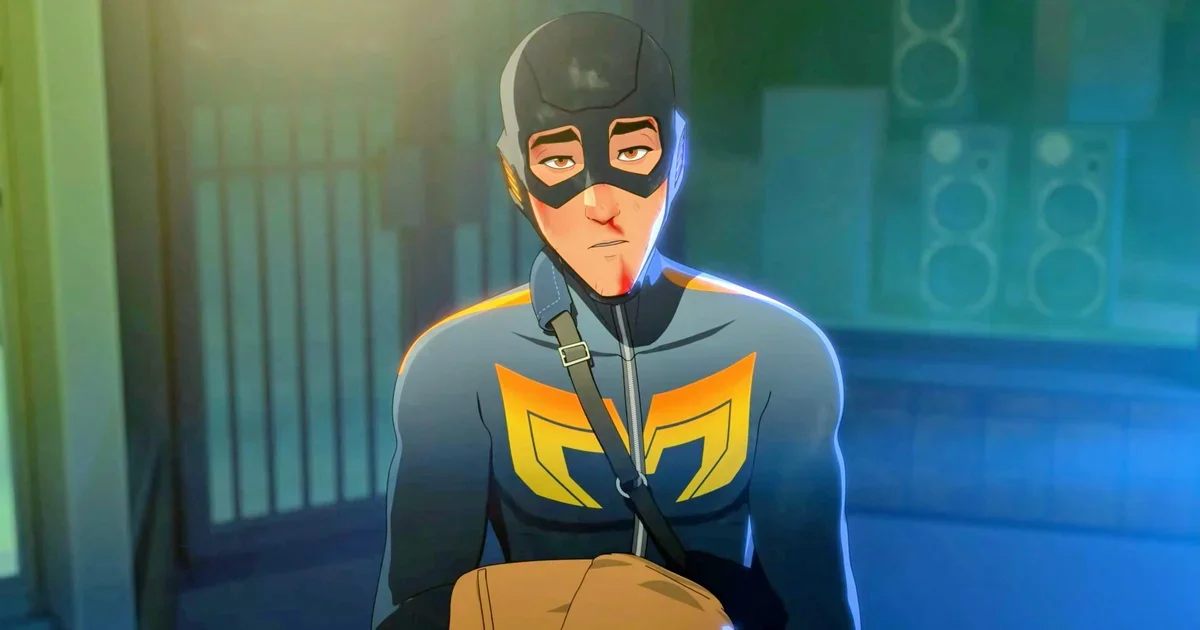
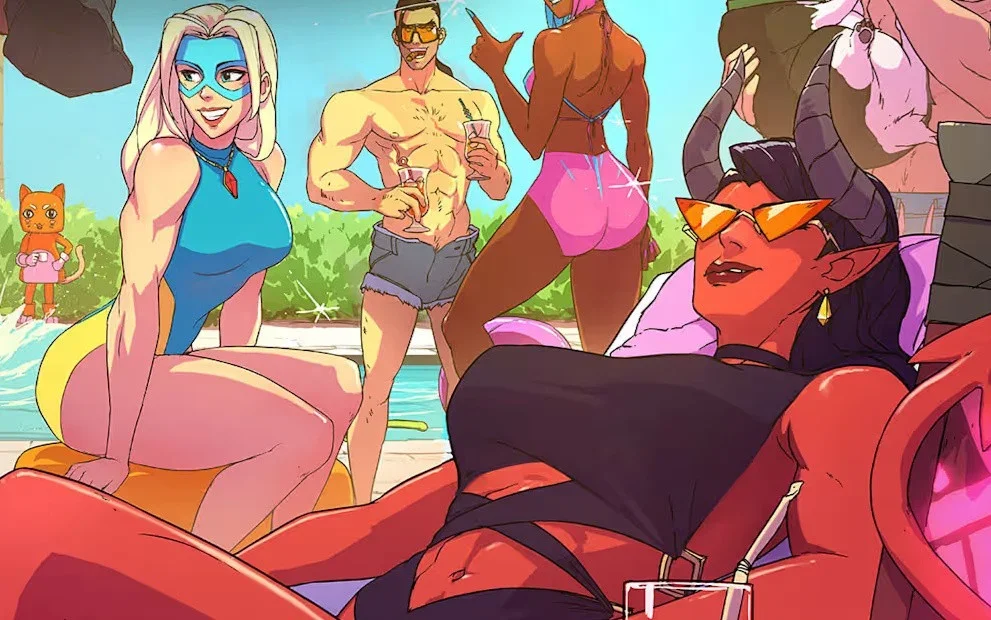
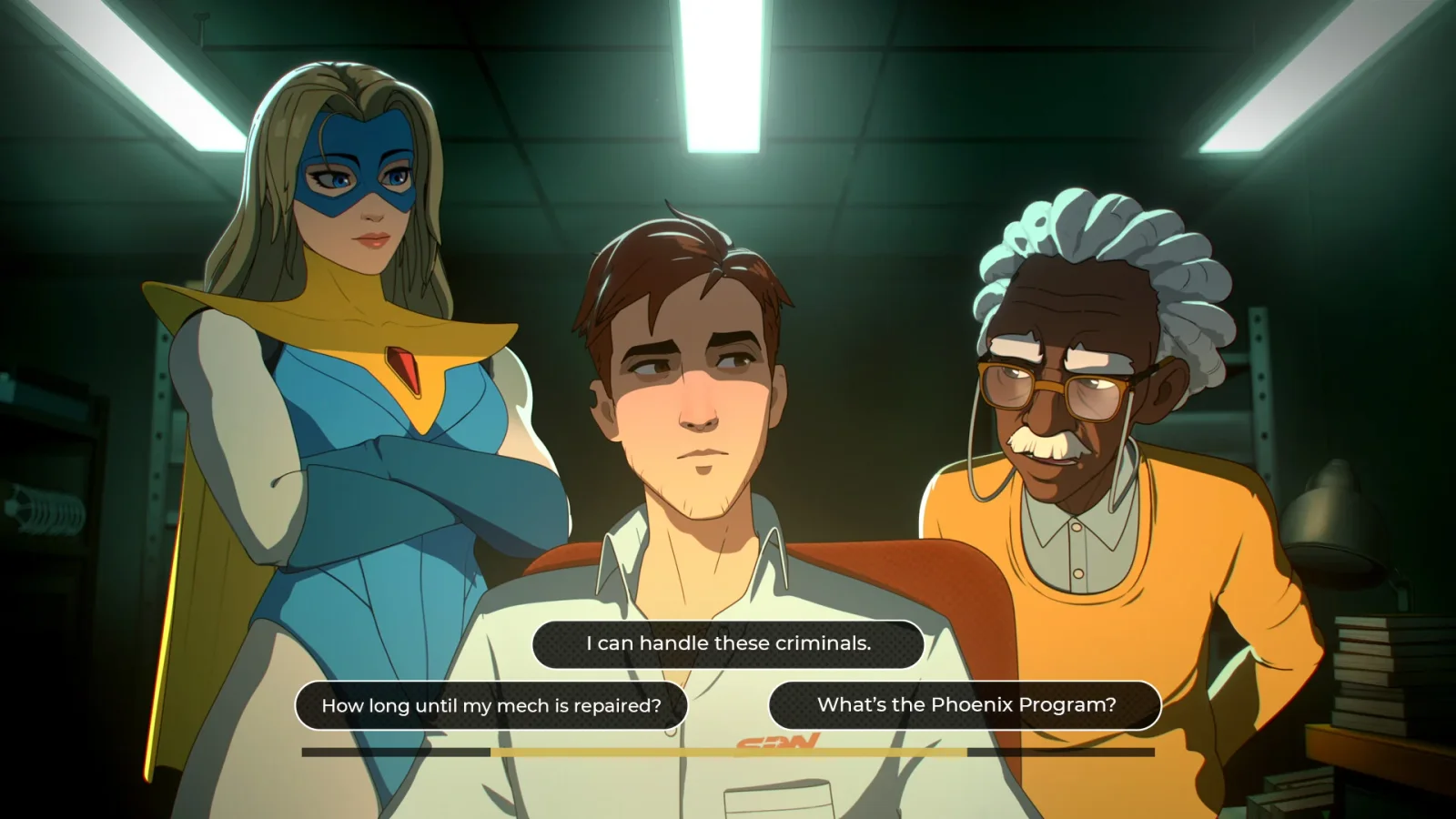
AdHoc confirms there will be no uncensored physical Dispatch release on Switch or Switch 2, despite working with Nintendo to address some censored content; no physical SKU or regional detail announcements were provided, and Nintendo’s platform guidelines govern such releases. Dispatch has sold over 1 million copies in 10 days.
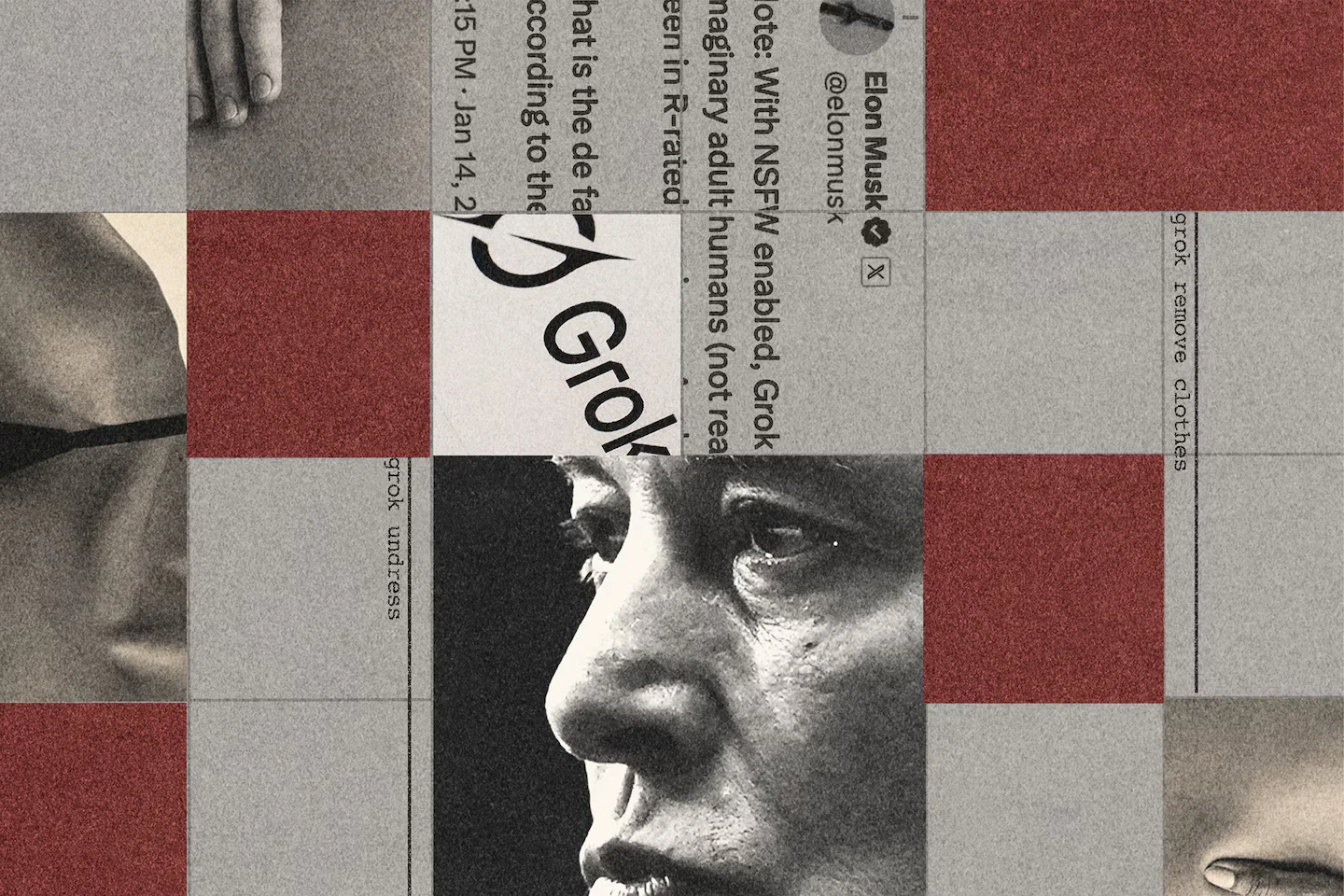
Under pressure to boost Grok’s popularity, xAI loosened guardrails on sexual content, triggering internal concerns about safety and ethics surrounding AI-generated pornographic material.
Nintendo says it does not alter partner content and blames independent rating guidelines for Dispatch’s censorship on Switch versions, while players pursue refunds amid debate over platform rules and regional differences.
AdHoc Studio says it’s already collaborating with Nintendo to address the censored content in Dispatch’s Switch version, with a future update expected in weeks rather than days and no firm promises yet. The studio also acknowledged a misstep in store-page labeling that obscured the censorship and has since corrected it, while noting that the changes aim to meet Nintendo’s content guidelines.
AdHoc, the developer behind Dispatch on Nintendo Switch and Switch 2, posted a lengthy statement explaining that content was censored to meet Nintendo’s guidelines and that the team is now working with Nintendo on a path forward; they plan an update to restore at least some censored content, though it will take weeks due to development and submission timelines; they apologized to fans and noted changes to storefront language were made for better visibility.
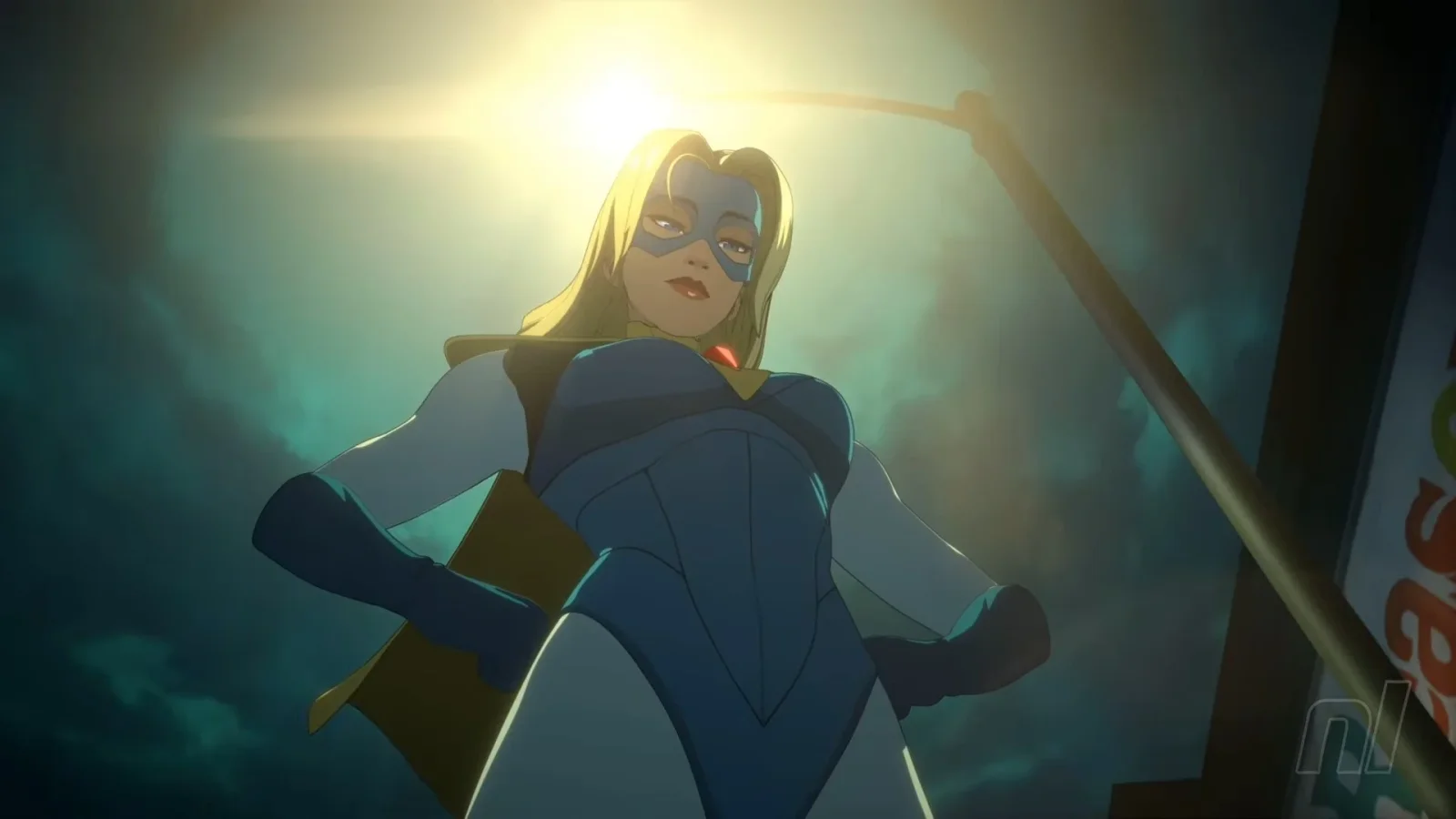
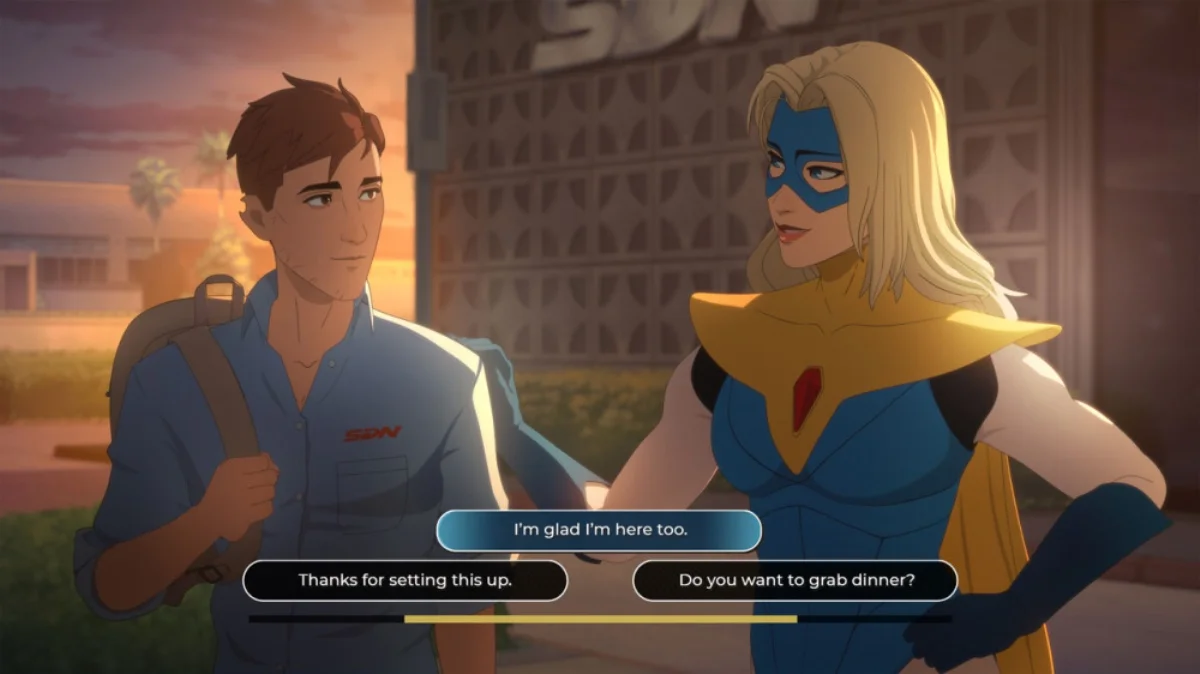
AdHoc Studio confirms Dispatch is censored by default on Nintendo Switch and Switch 2 due to platform content rules, with nudity and explicit audio blocked; PS5 and Windows versions offer a censorship toggle. Nintendo says it does not edit partner content, while the existence of a censored versus potentially non-censored version suggests ratings-board decisions (e.g., CERO) may drive the Switch port, and the non-censored variant may not be available on Switch.
Nintendo and AdHoc Studio publicly addressed Dispatch’s Switch censorship, with AdHoc saying it worked with Nintendo to adapt the game for Switch, while Nintendo insists partners’ content isn’t altered by Nintendo and that titles must meet independent rating guidelines. The visual censorship toggle remains removed on Switch and Switch 2, sparking ongoing speculation about why changes were made.
Dispatch is censored on Switch and Switch 2 by default with no option to disable the censorship. AdHoc Studio says the content meets Nintendo’s release criteria, but the move has sparked debate over platform standards and regional ratings, notably Japan’s CERO, which could be driving the global edits. Some propose separate regional versions as a workaround, though that would be costly for a small studio; VGC has reached out to AdHoc for comment.